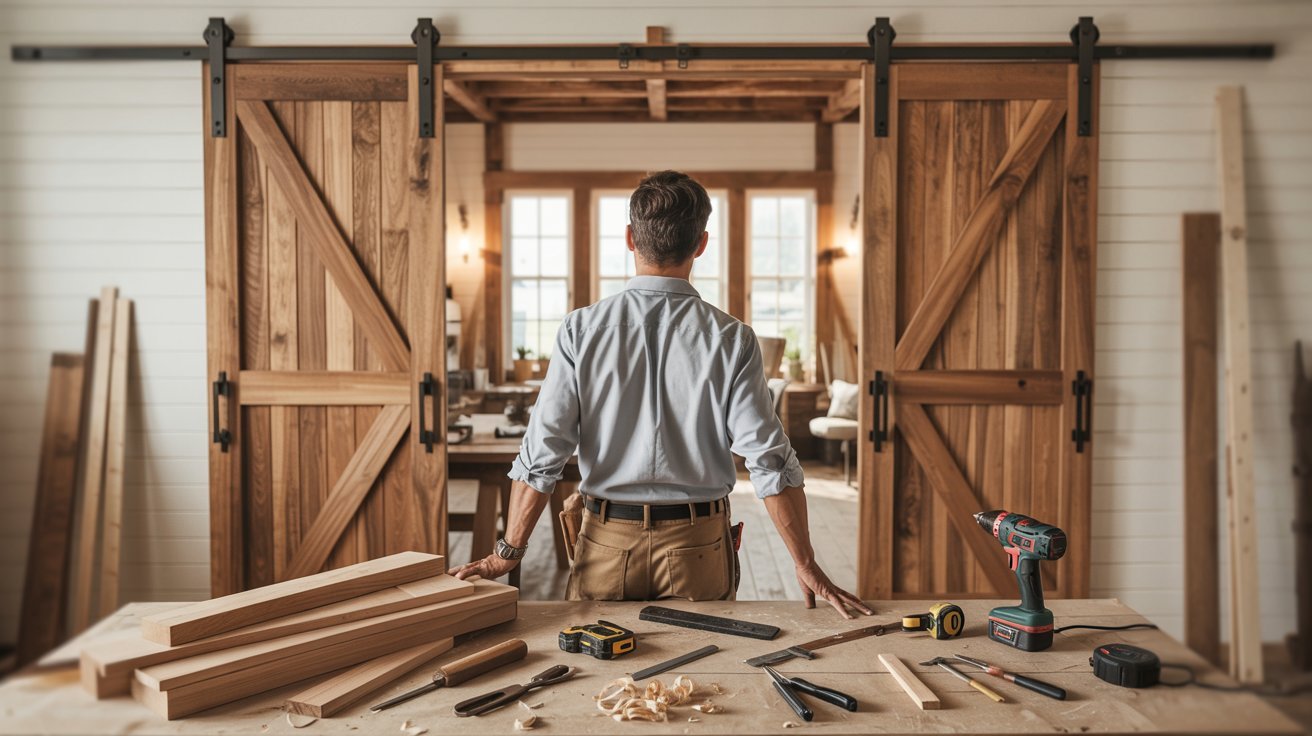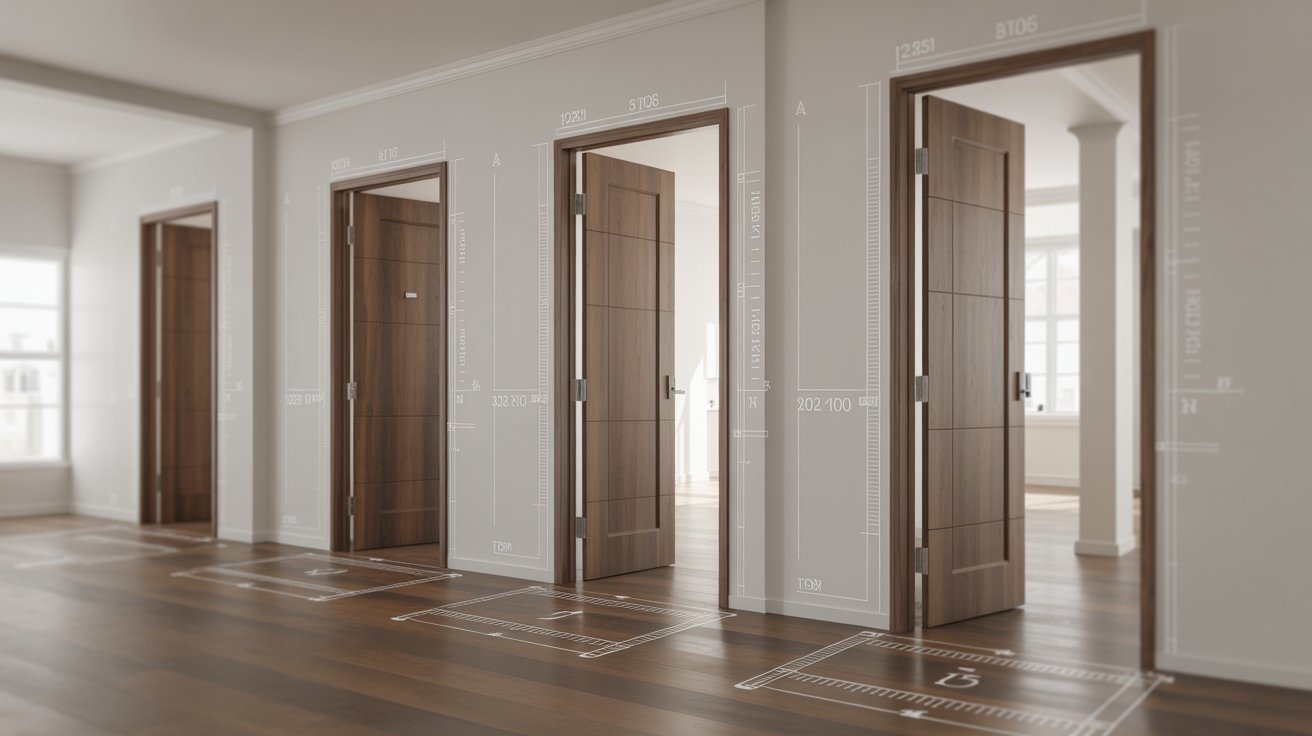
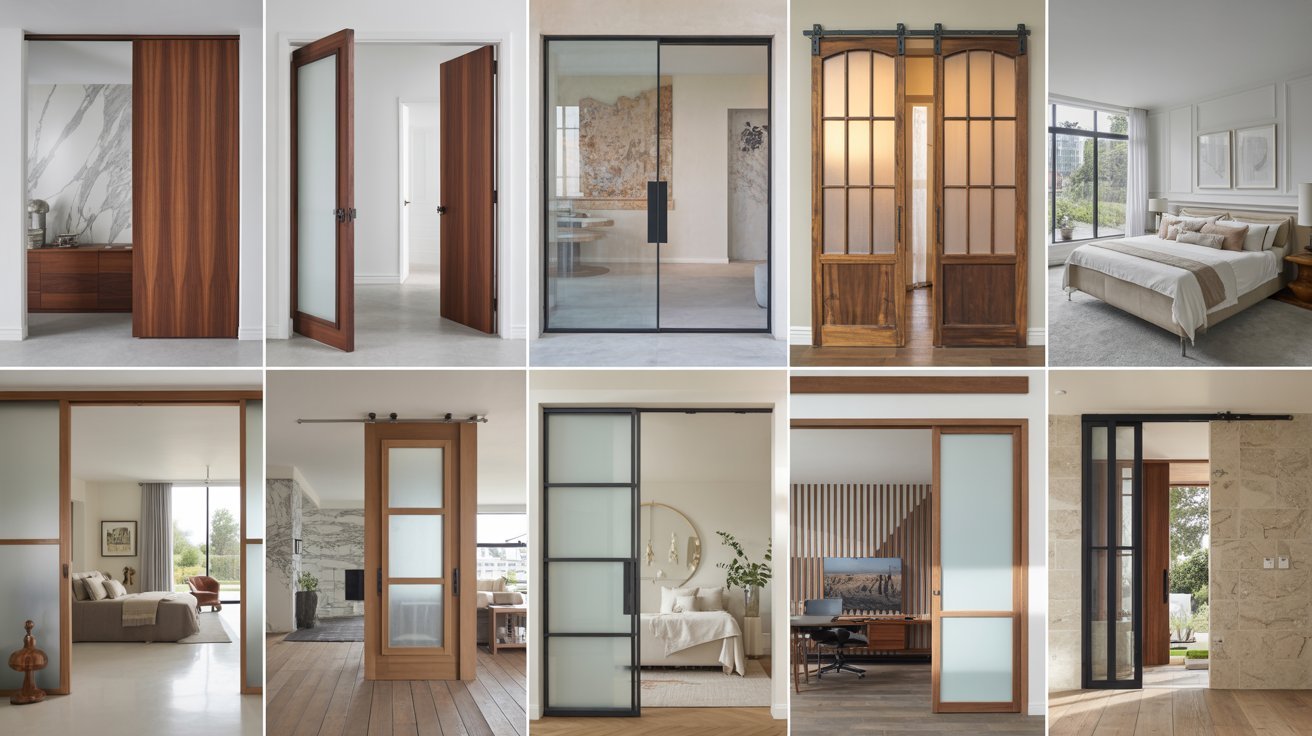

Pocket doors are one of those things you don't think about until you see them in action. Instead of swinging open and eating up floor space, they slide right into the wall.
Clean, simple, and smart. I've seen them work in tight bathrooms, open living spaces, and even home offices. Homeowners love them.
Designers use them to make rooms feel bigger. Builders recommend them for better flow.
And the best part? There are so many types to pick from.
In this guide, I'm walking you through 9 popular pocket door styles so you can find the right one for your space.
What Is a Pocket Door?
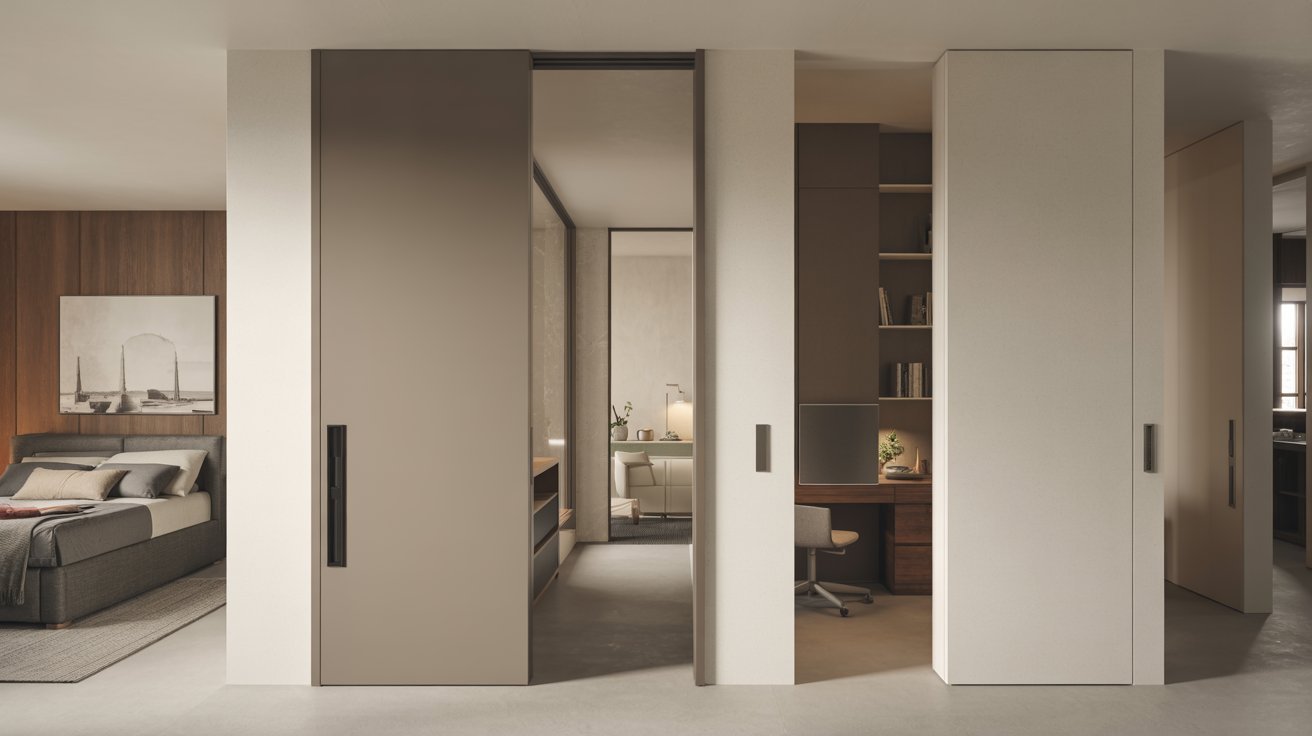
A pocket door slides directly into a hidden compartment inside the wall. There are no hinges, no swing arc, and no wasted floor space.
The door runs along a track system built into the wall frame. When you open it, it disappears completely. This makes it a great pick for small rooms, tight hallways, and open-plan layouts.
You'll find them in bathrooms, bedrooms, home offices, and kitchen pass-throughs. They work well anywhere a swinging door would feel awkward or take up too much room.
List of 9 Types of Pocket Doors You Should Know
Not every pocket door is built the same. Here are 9 types worth knowing before you make a decision.
1. Single Sliding Pocket Doors
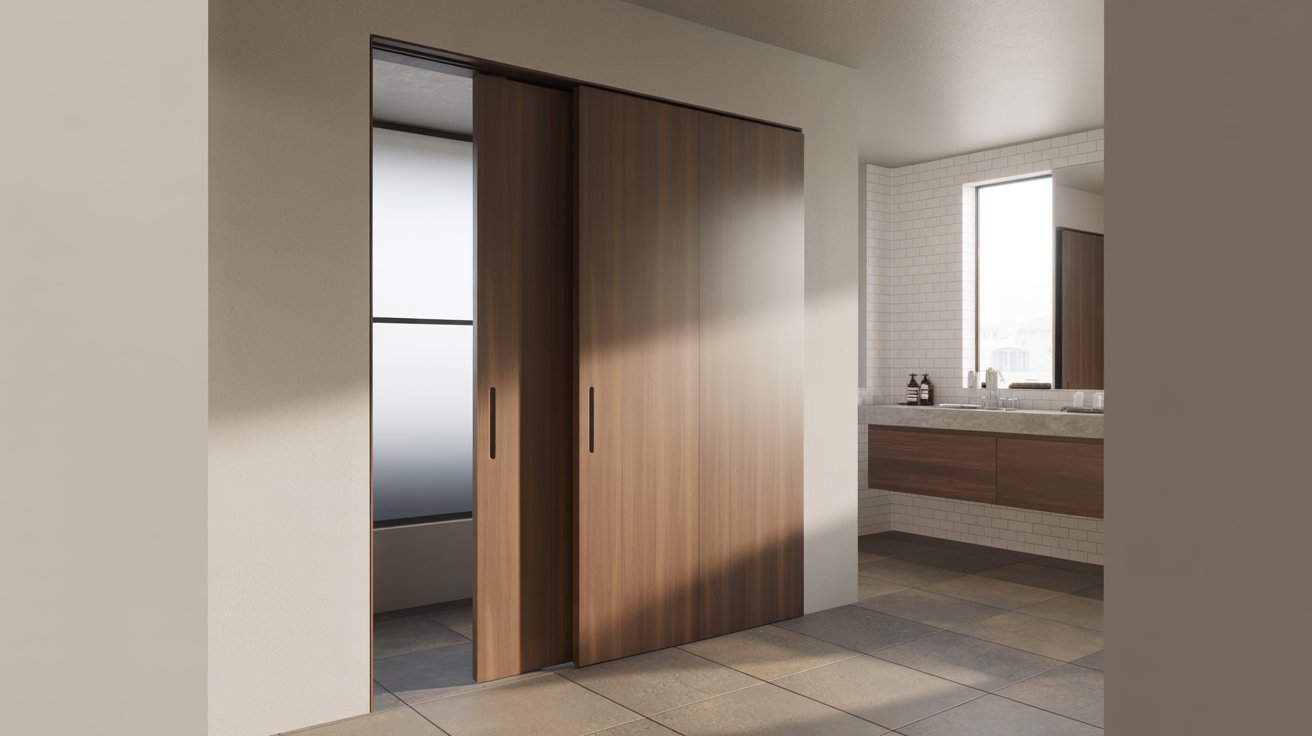
This is the most common type. One panel slides into the wall on a single track. It works well in bathrooms, bedrooms, and hallways. Easy to install and budget-friendly. The downside is it only covers smaller openings.
2. Double Pocket Doors
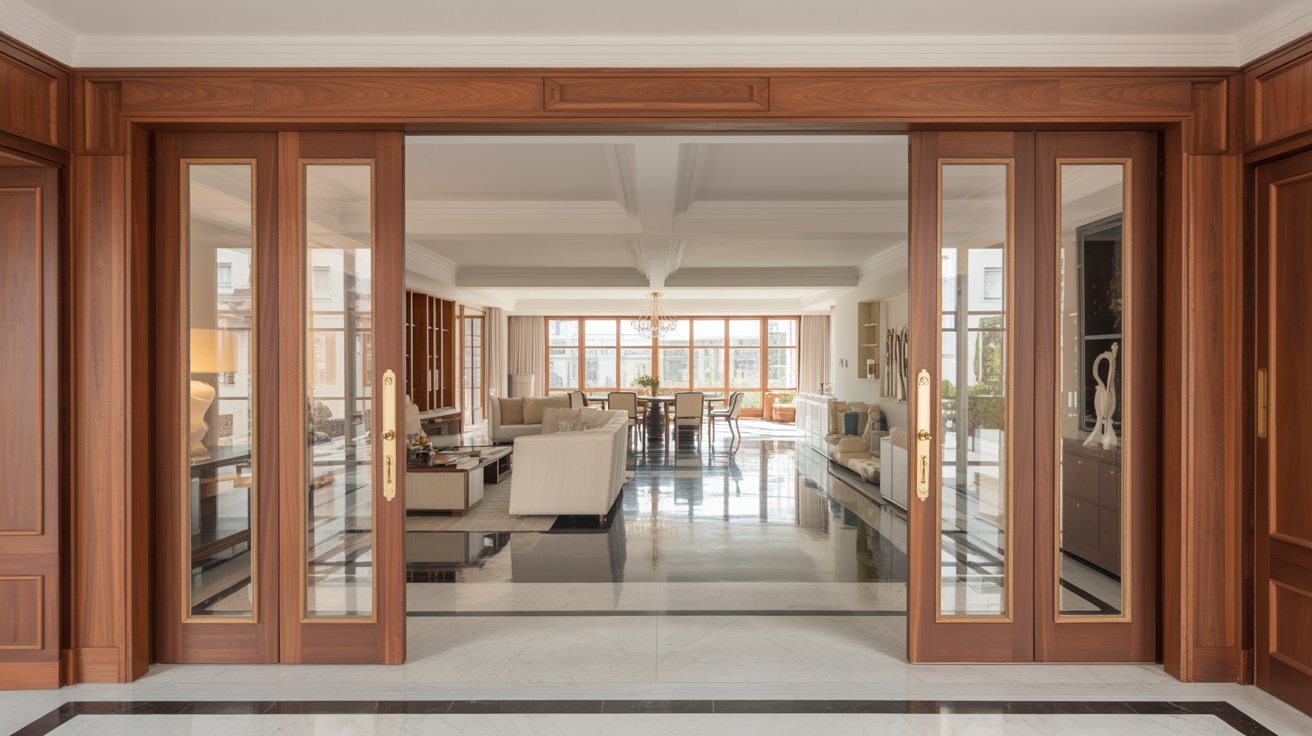
Two panels slide in opposite directions into separate wall pockets. Perfect for wider openings in living rooms or dining areas. It gives a grand, open feel without any door swing. Great for open-concept layouts where flow matters.
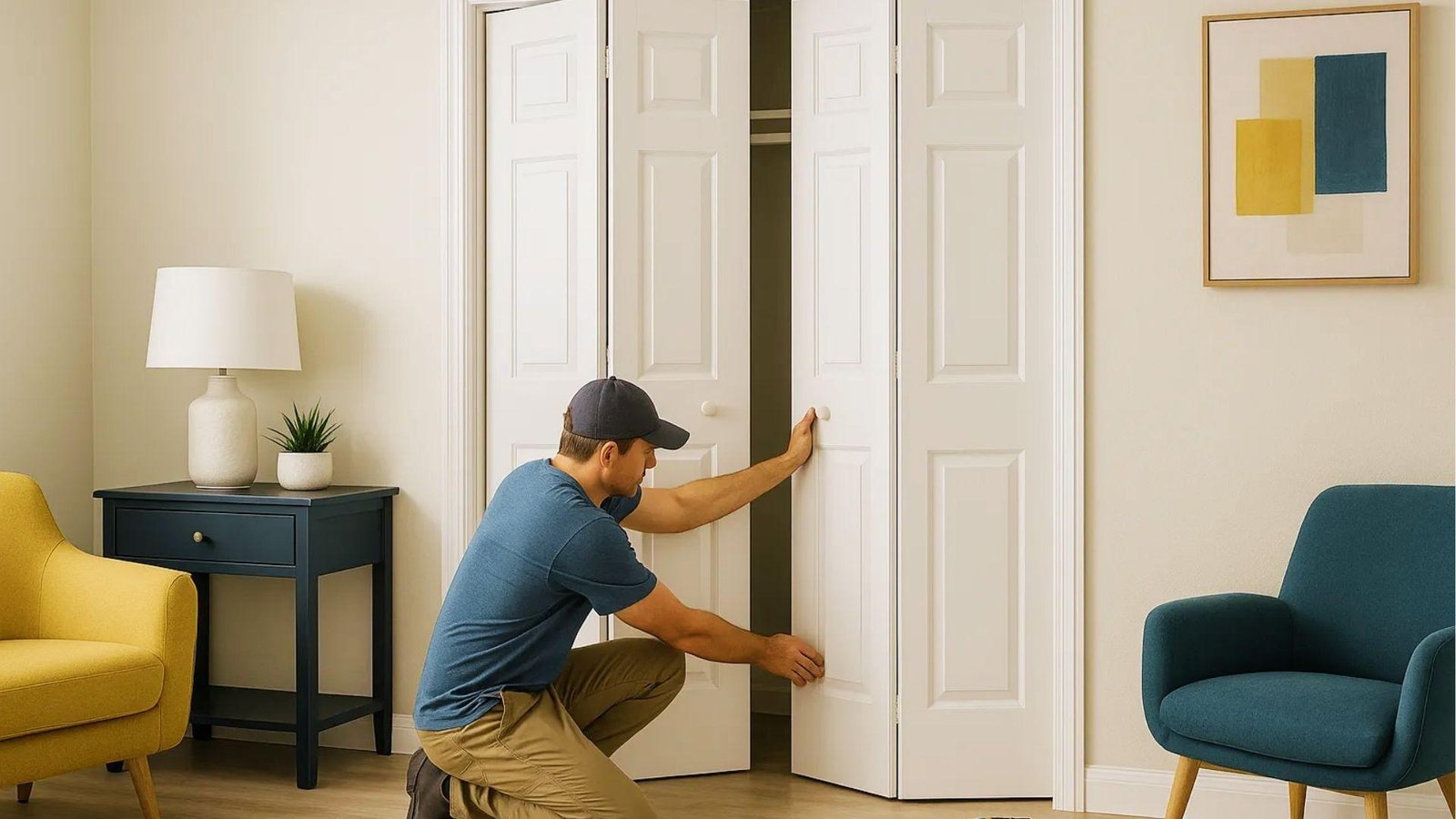
3. Bi-Fold Pocket Doors
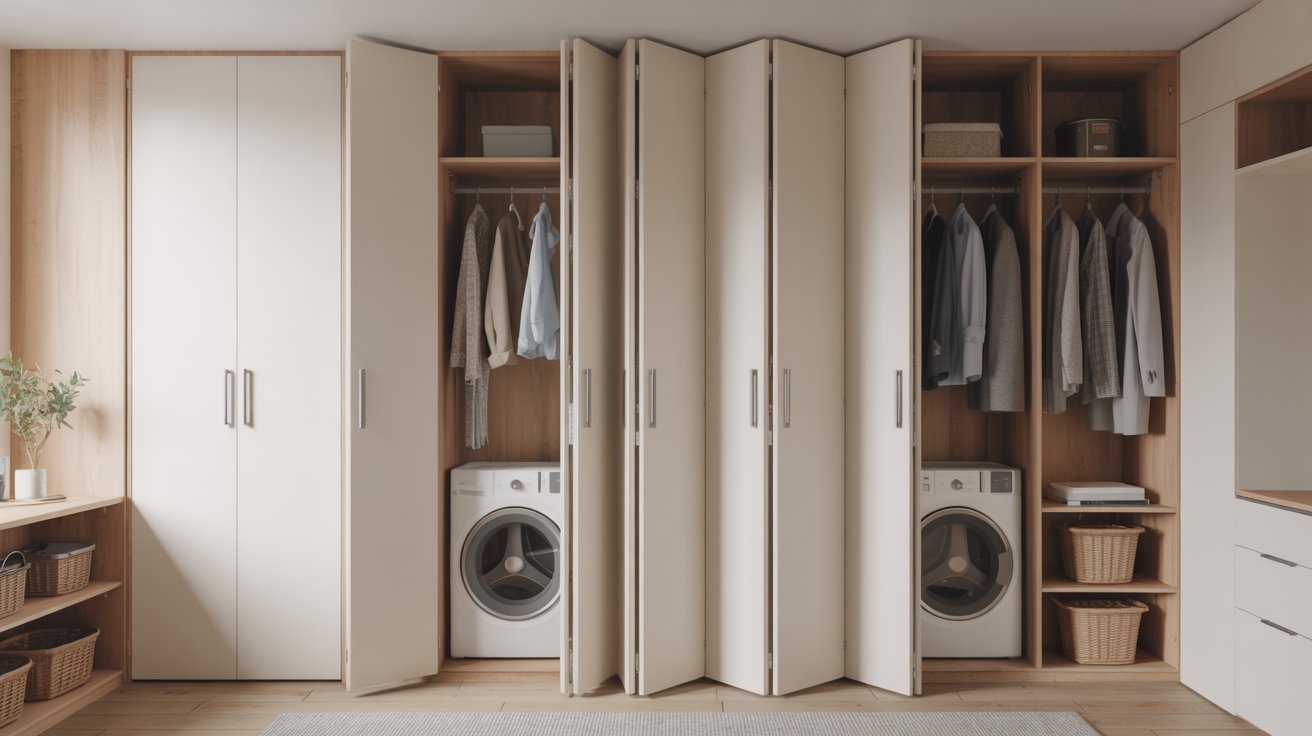
These panels fold as they slide. Instead of disappearing fully into the wall, they fold in half and tuck to one side. A solid pick for closets, pantries, and laundry rooms. They save space without needing a deep wall pocket.
4. Frameless Pocket Doors
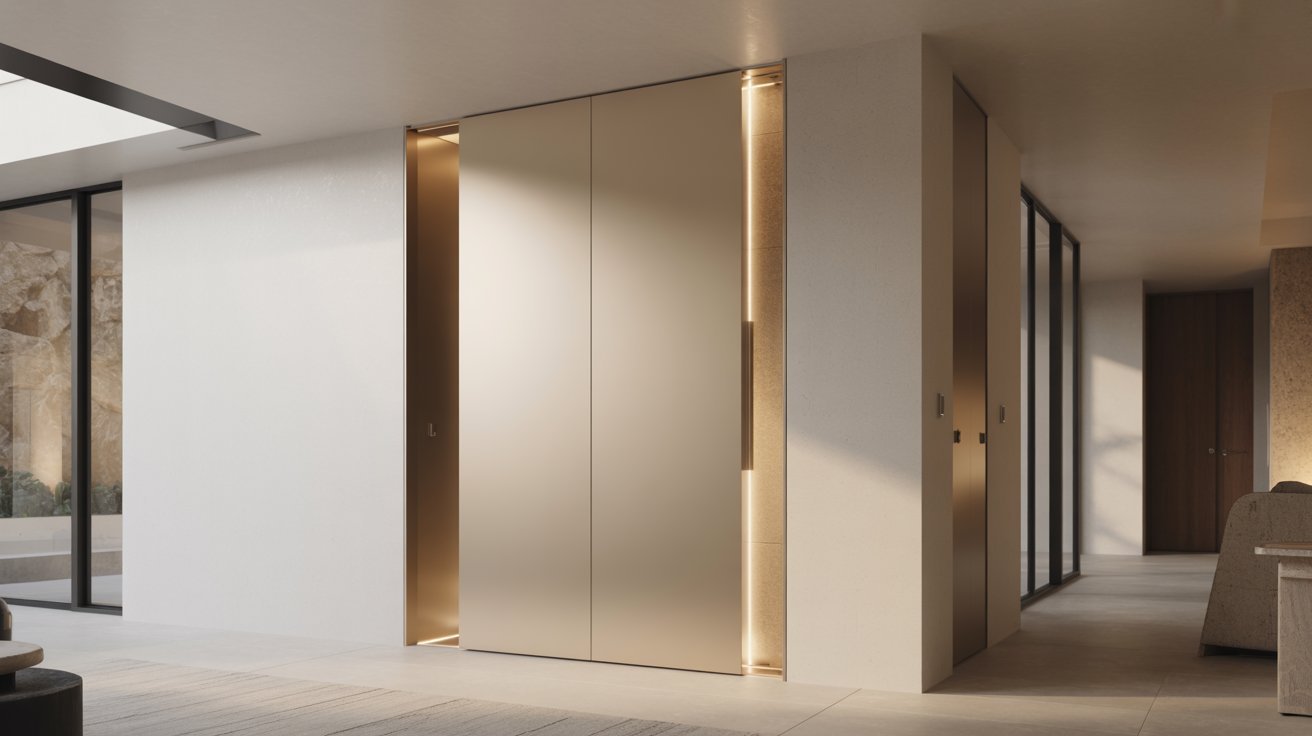
No visible frame means a super clean look. The hardware stays hidden inside the wall, so the door looks like it floats. Popular in modern and minimalist interiors. If you want a sleek finish with no clutter, this is it.
5. French Pocket Doors
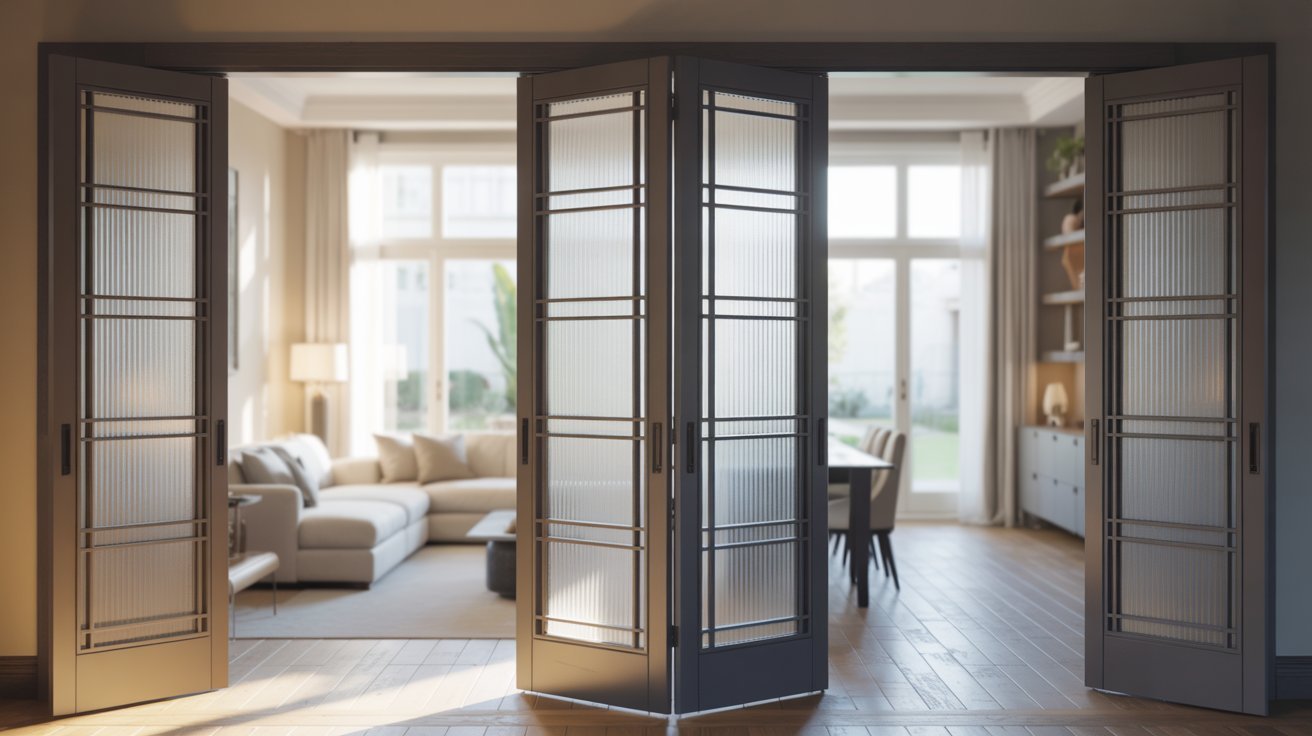
These come with glass panels, just like classic French doors, but they slide instead of swing. They let natural light pass between rooms while keeping some separation. You can go traditional with wood frames or keep it modern with slim metal trim.
6. Glass Pocket Doors
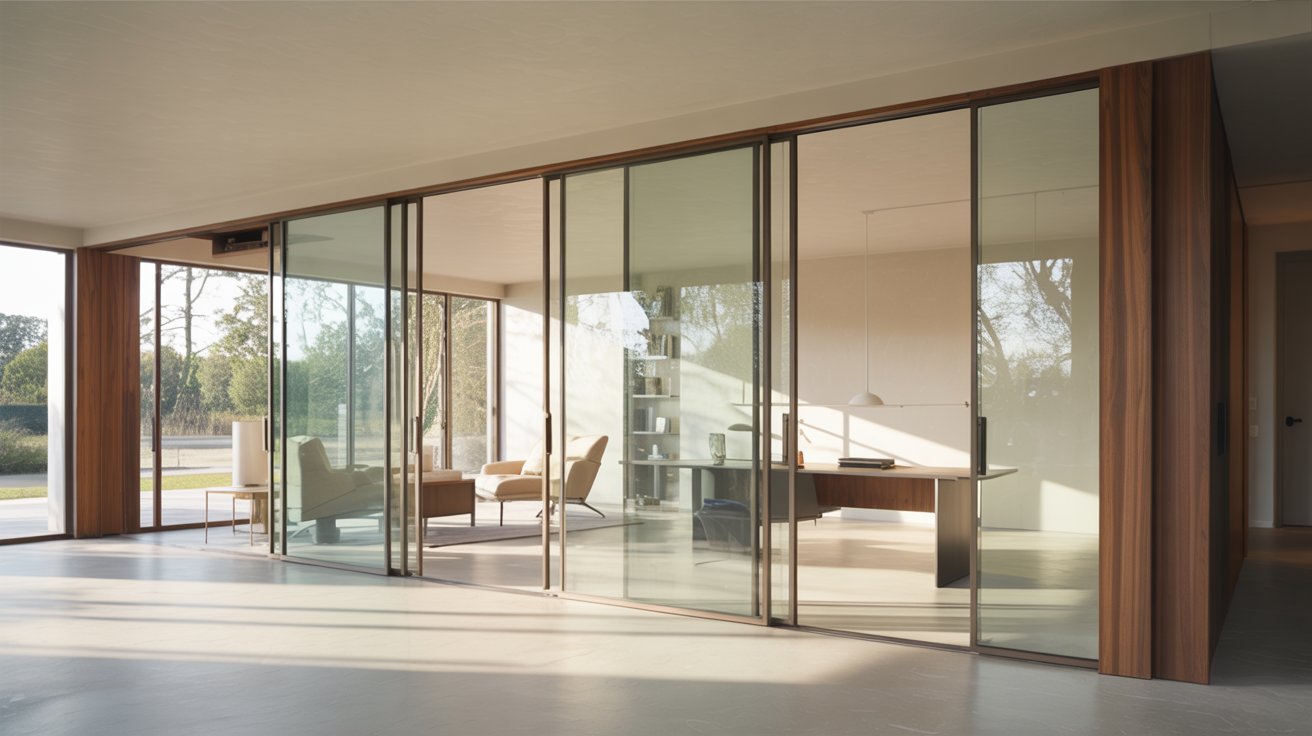
Full glass panels, either framed or frameless, that let light move freely through your home. Frosted glass adds privacy while still keeping things bright. Clear glass works best in spaces where you want visual connection, like a home office or living area.
7. Fire-Rated Pocket Doors
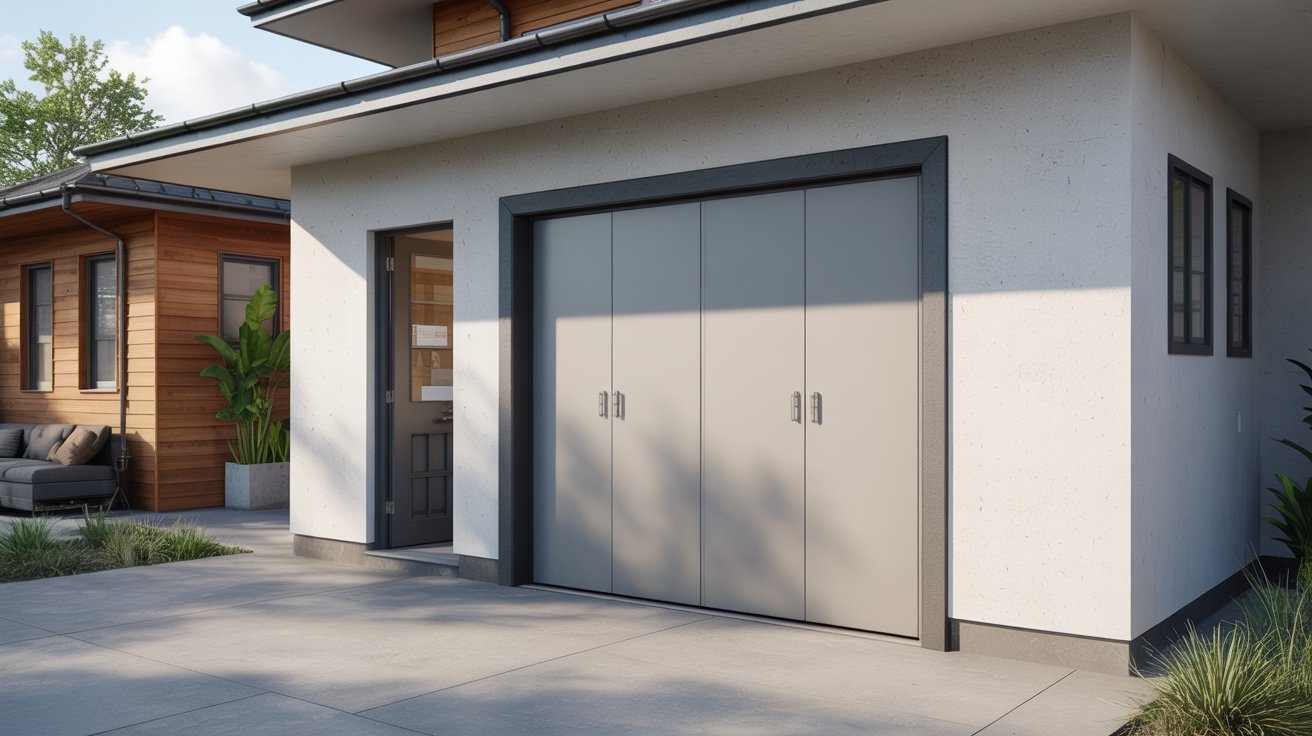
Built with fire-resistant materials to slow the spread of flames. These meet specific building codes required in certain residential and commercial spaces. If your project needs code compliance near garages or utility rooms, a fire-rated pocket door is worth considering.
8. Acoustic Pocket Doors
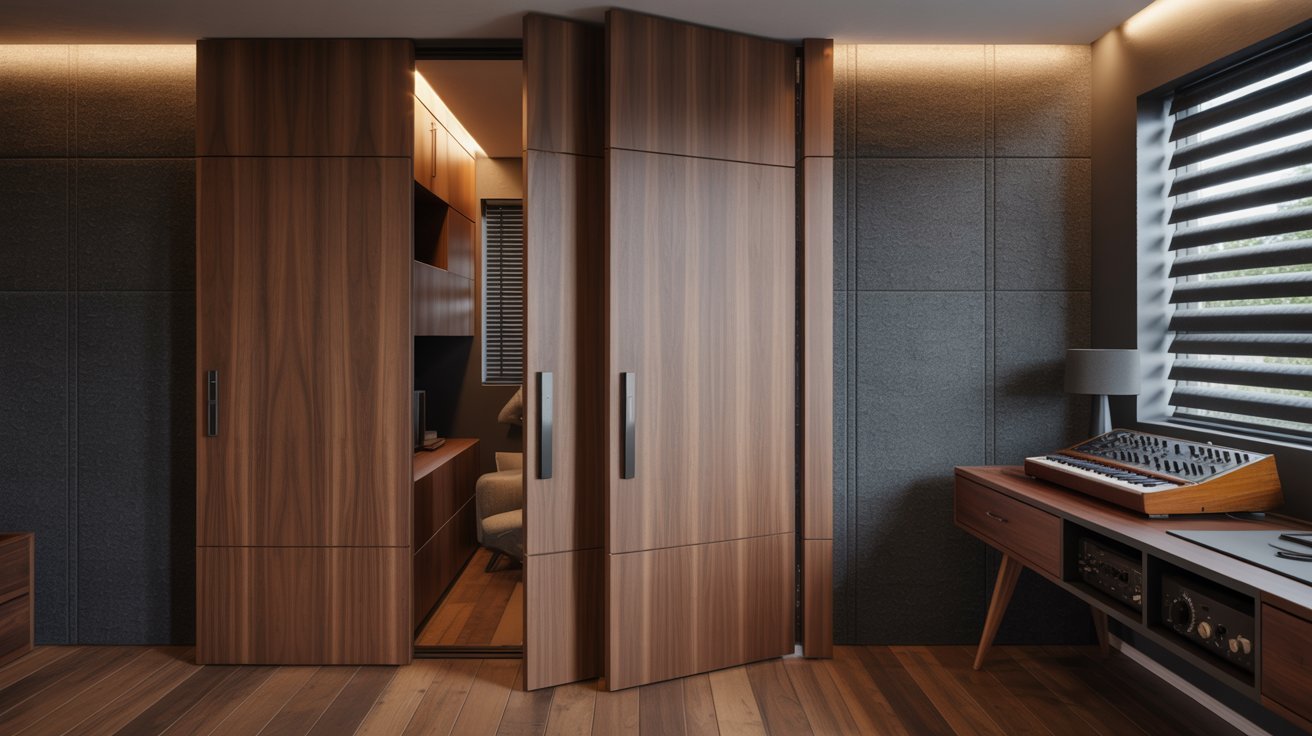
Designed to block sound from passing through. These use dense core materials and special seals around the edges. A smart pick for home offices, bedrooms, or music studios. You get the space-saving benefit of a pocket door plus real noise reduction.
9. Telescopic Pocket Doors
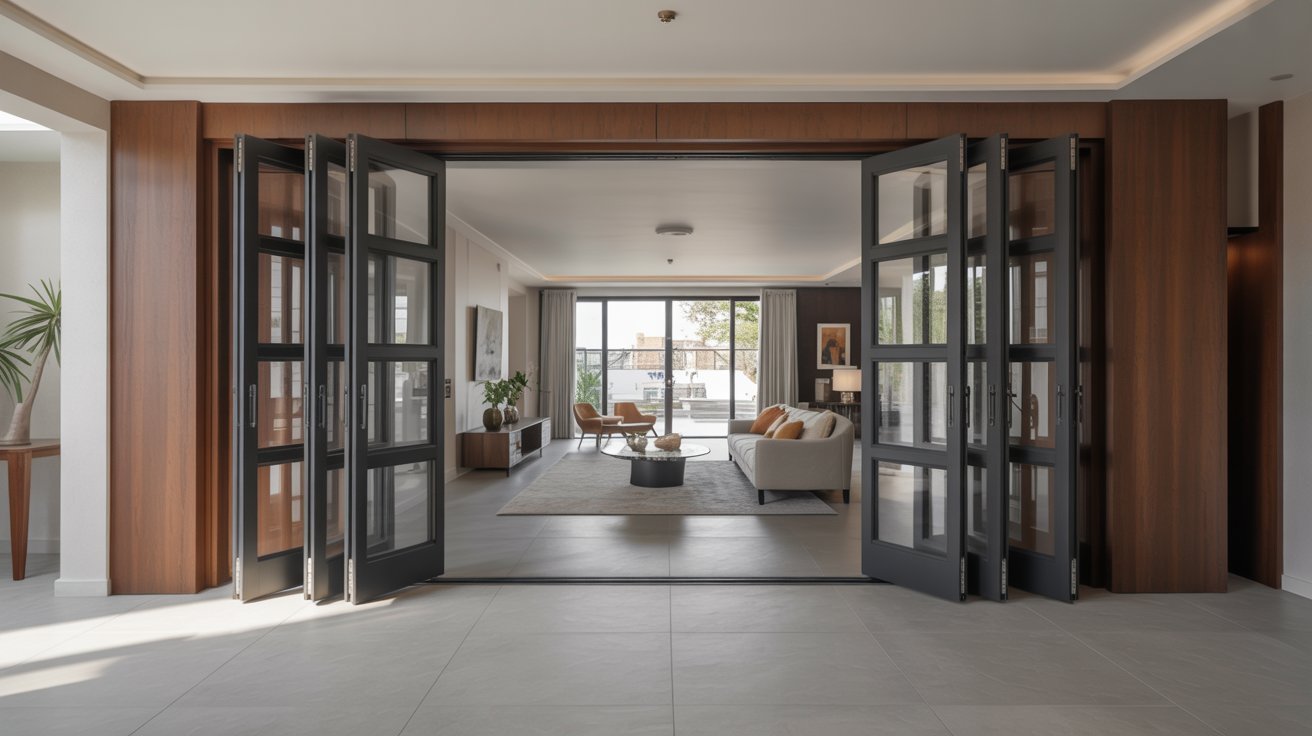
Multiple panels stack and slide into the wall at the same time. This works well for very wide openings where a single or double panel won't cut it. Common in modern homes and commercial spaces where large room dividers are needed.
How to Choose the Right Type of Pocket Door
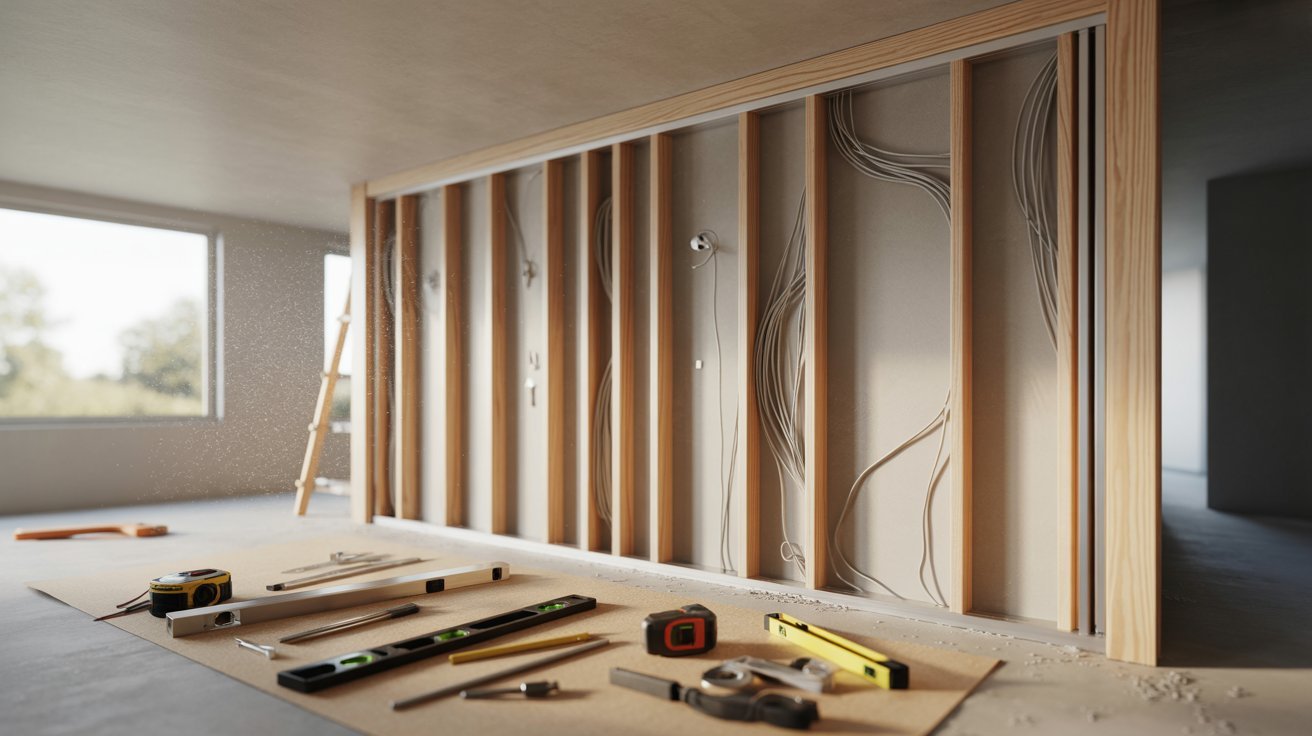
Start by checking your wall space. Not all walls can fit a pocket door without rerouting wires or pipes. Then think about your room's look and pick a style that fits.
If noise is a concern, go for acoustic options. If light matters, glass panels work well. For bathrooms or shared spaces, think about privacy levels too.
And always check local building codes, especially for fire-rated requirements. Getting these basics right makes the whole decision much easier.
Pocket Door Installation Considerations
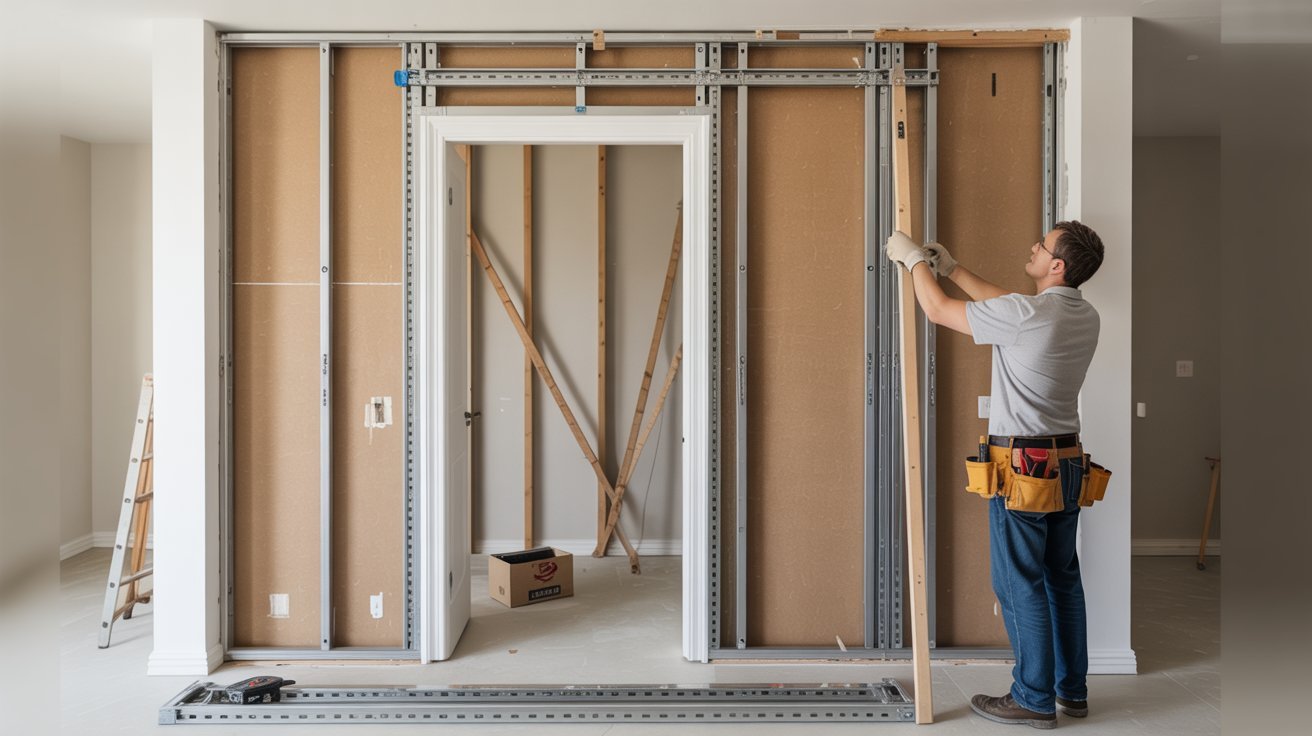
New construction makes pocket door installation much simpler since walls are already open. Renovations are trickier and often need wall removal to fit the pocket frame.
Always check that your wall is non-structural before cutting into it. Load-bearing walls need extra planning and support. Track and hardware quality matters a lot.
A cheap track leads to sticking and misalignment over time. For single doors, DIY is possible.
But double panels, acoustic systems, or renovation projects are better handled by a professional.
Pocket Door Pros and Cons
Pocket doors have some real advantages, but they come with a few things to think about too. Here is a quick breakdown.
Advantages of Pocket Doors
- They slide into the wall, so you get back all the floor space a swinging door would take up.
- The clean, minimal look works well in both modern and classic interiors.
- You can open up two rooms or close them off whenever you need, giving you more control over your layout.
- Wider openings and no door swing make them a practical pick for wheelchair users and people with mobility needs.
Potential Drawbacks
- Installation is more involved than a standard door. It often means opening up walls and reworking the framing.
- If your wall has electrical wires, plumbing, or structural supports, fitting a pocket door gets more complicated.
- Once installed, the track and hardware sit inside the wall. If something breaks, repairs can be tricky and may need a professional.
Conclusion
Pocket doors are a smart move for almost any home. We covered 9 types, from simple single sliders to soundproof acoustic doors and wide telescopic systems.
Each one serves a different need. Before you pick one, think about your wall space, your design style, your privacy needs, and your budget.
The right pocket door does more than just open and close. It makes your space feel bigger, work better, and look great.
If you found this helpful, share it with someone planning a home project.
Frequently Asked Questions
Can I install a pocket door in an existing wall?
Yes, but it requires opening the wall and checking for pipes or wires. It is more work than new construction but very much doable.
What is the most popular type of pocket door?
Single sliding pocket doors are the most common. They are simple, affordable, and work well in most rooms including bathrooms and bedrooms.
Are pocket doors good for small spaces?
Yes, they are one of the best options for tight spaces. Since they slide into the wall, you get full use of your floor area.
Do pocket doors provide good sound insulation?
Standard pocket doors offer limited sound control. If noise is a concern, go for acoustic pocket doors with dense cores and edge seals for better results.
How much does it cost to install a pocket door?
Costs vary based on door type and wall conditions. On average, expect to spend between $500 and $2,500 including materials and professional labor.