
Cold air doesn't knock. It just walks right in through a bad door.
I learned that the hard way after one brutal winter with a drafty front door and heating bills that wouldn't stop climbing.
If you're searching for the best exterior doors for cold weather, you're already asking the right question.
In this blog, I'll cover the top materials, insulation features, glass options, and buying tips that actually make a difference.
You'll walk away knowing exactly what to buy, what to avoid, and why it matters for your home.
I've done the research so you don't have to. No fluff, just real answers that help you stay warm and spend less.
Why Exterior Doors Matter in Cold Weather
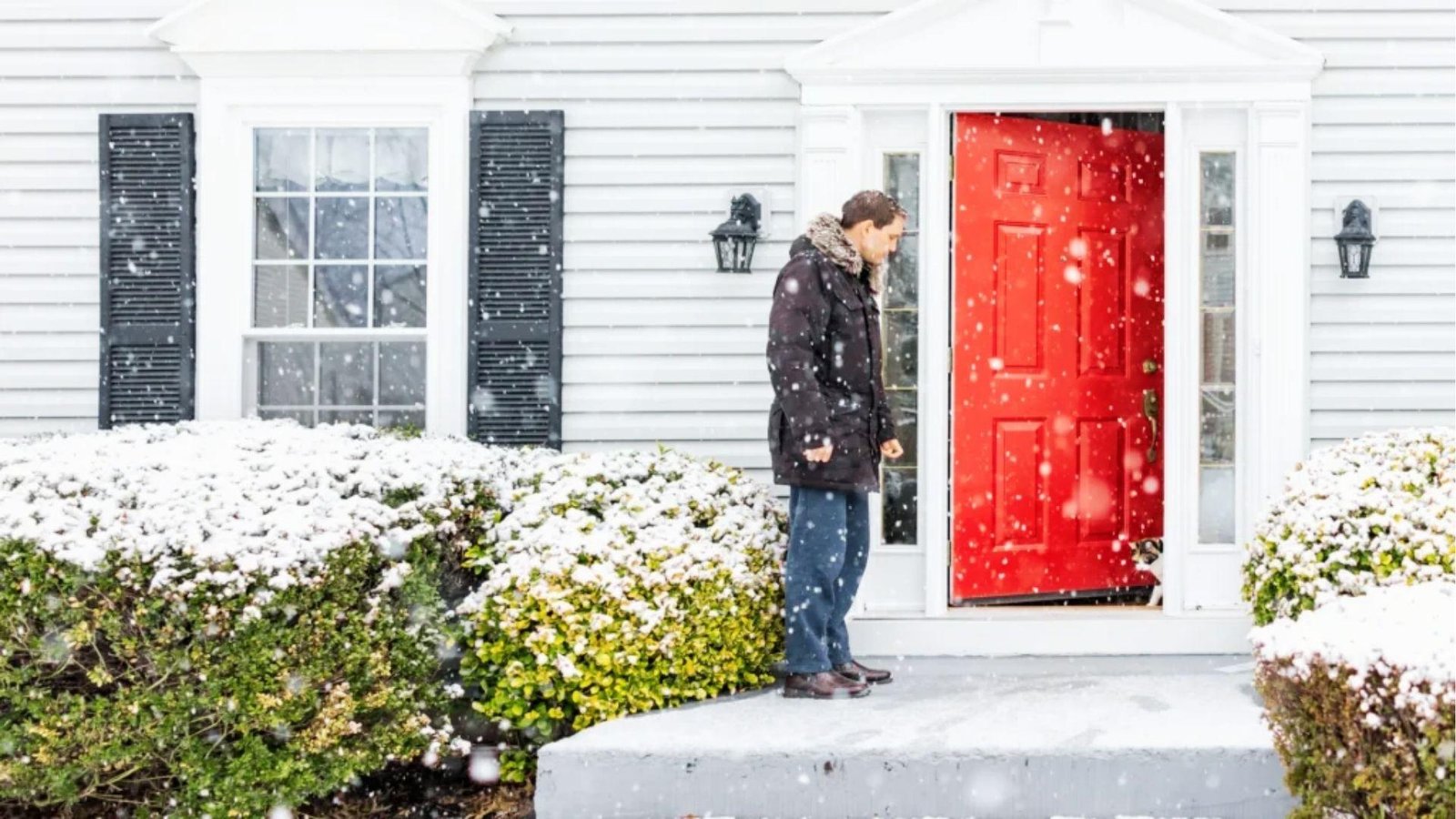
Most people focus on windows when they think about heat loss. But your exterior door is just as important.
A door with poor insulation lets cold air seep in constantly. That forces your heating system to work harder. Over time, your energy bills climb.
The right door keeps warm air inside and cold air out. It also protects against wind, snow, and moisture.
A well-insulated exterior door makes your home more comfortable and more efficient all winter long.
What Makes the Best Exterior Doors for Cold Weather?
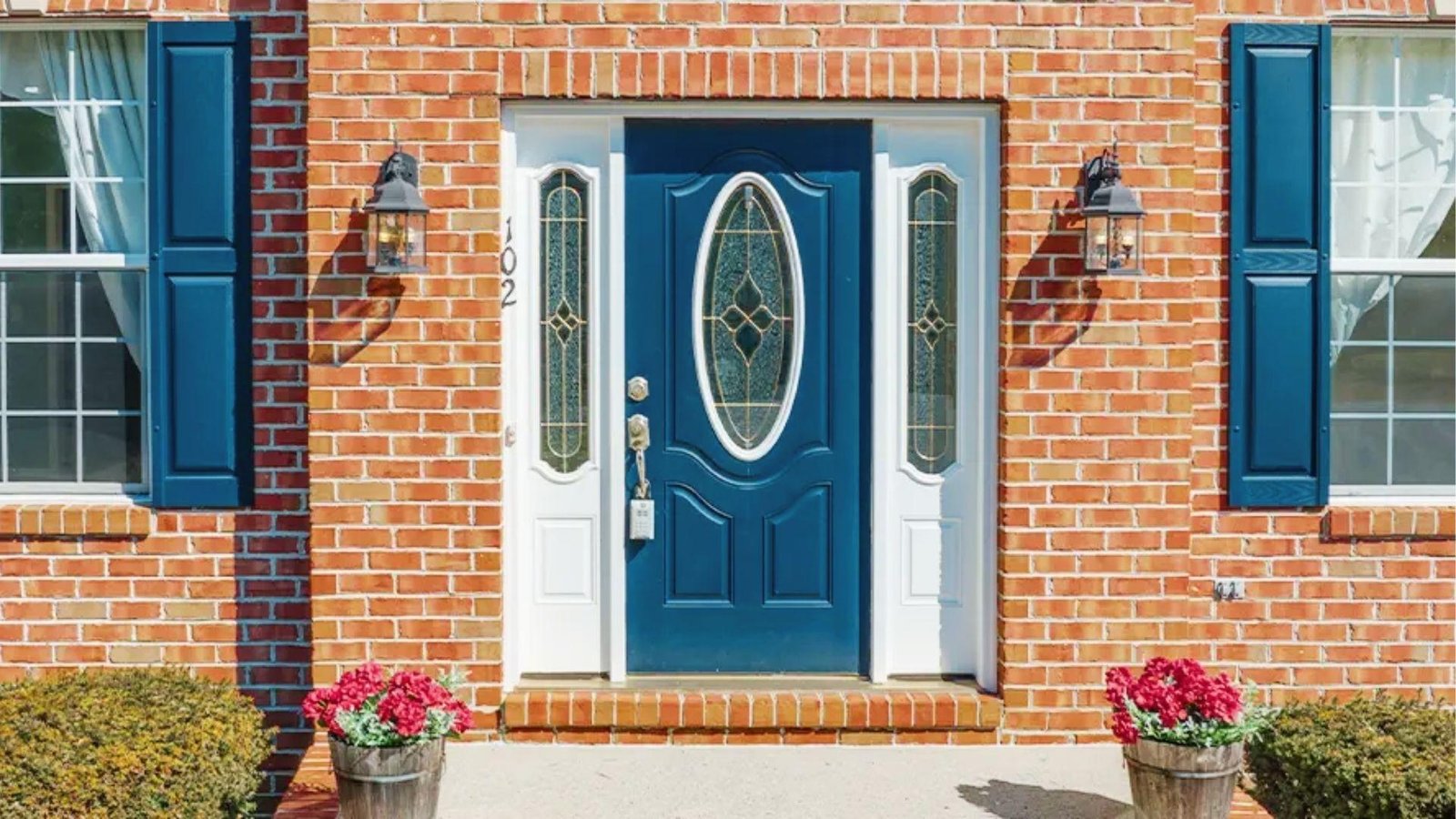
The best cold-weather doors share a few key traits. First, they have a strong insulated core that slows heat transfer.
Second, they use quality weatherstripping to seal every gap. That seal is what blocks cold air infiltration at the edges and bottom.
Third, they resist moisture so snow and rain don't damage them over time. Tight seals and good insulation work together.
Without both, even an expensive door will underperform. If your door checks these boxes, it will keep your home warmer and your energy costs lower.
Best 3 Exterior Door Materials for Cold Climates
Choosing the right material is the most important decision you'll make. Here's what you need to know about each option.
1. Fiberglass Exterior Doors
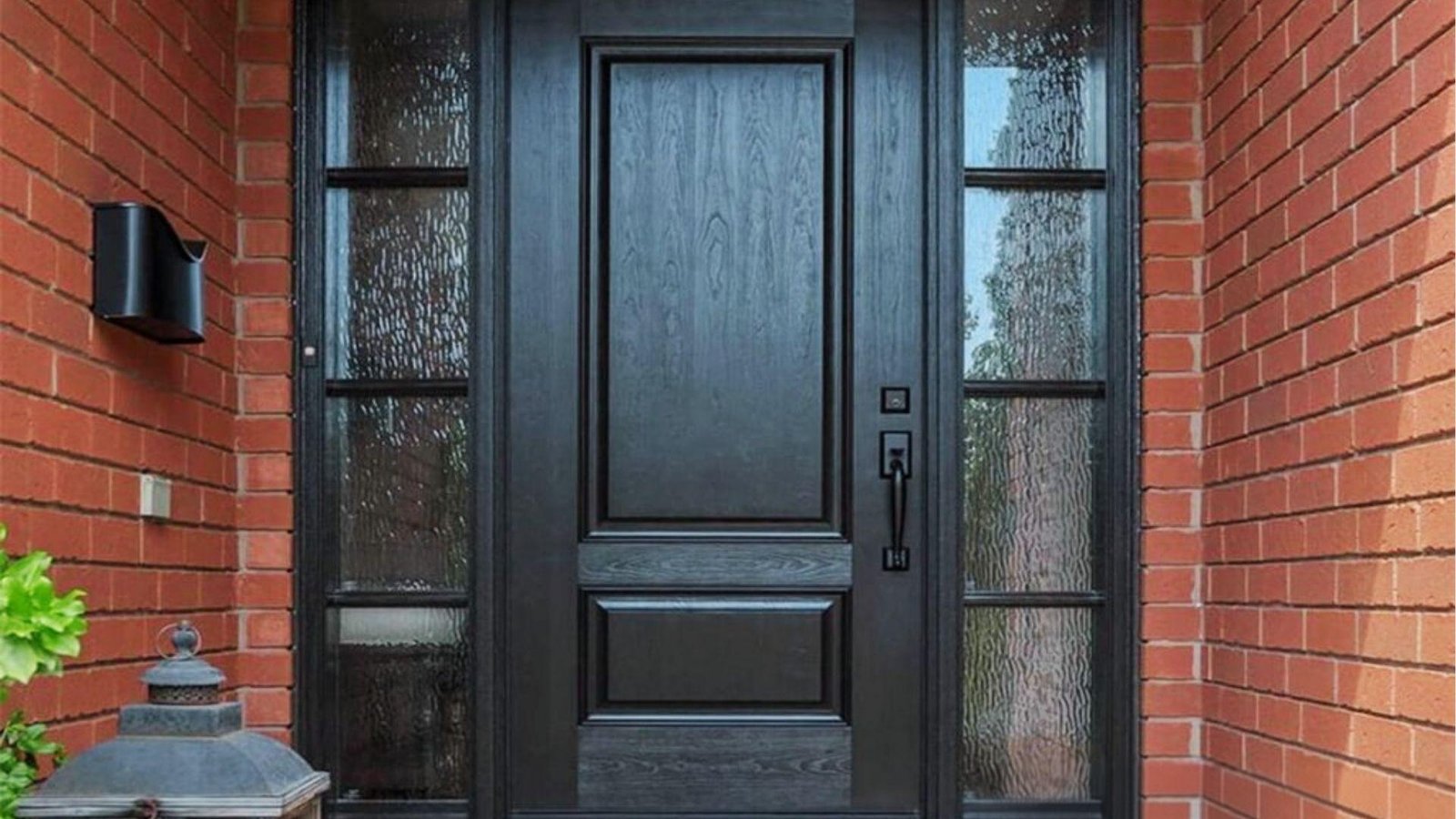
Fiberglass doors are my top pick for cold climates. They come with a polyurethane foam core that delivers excellent thermal insulation.
They don't warp, crack, or absorb moisture. That matters a lot in freezing temperatures. They also need very little maintenance.
If you want a door that holds up through harsh winters without constant upkeep, fiberglass is the smart call.
2. Steel Exterior Doors
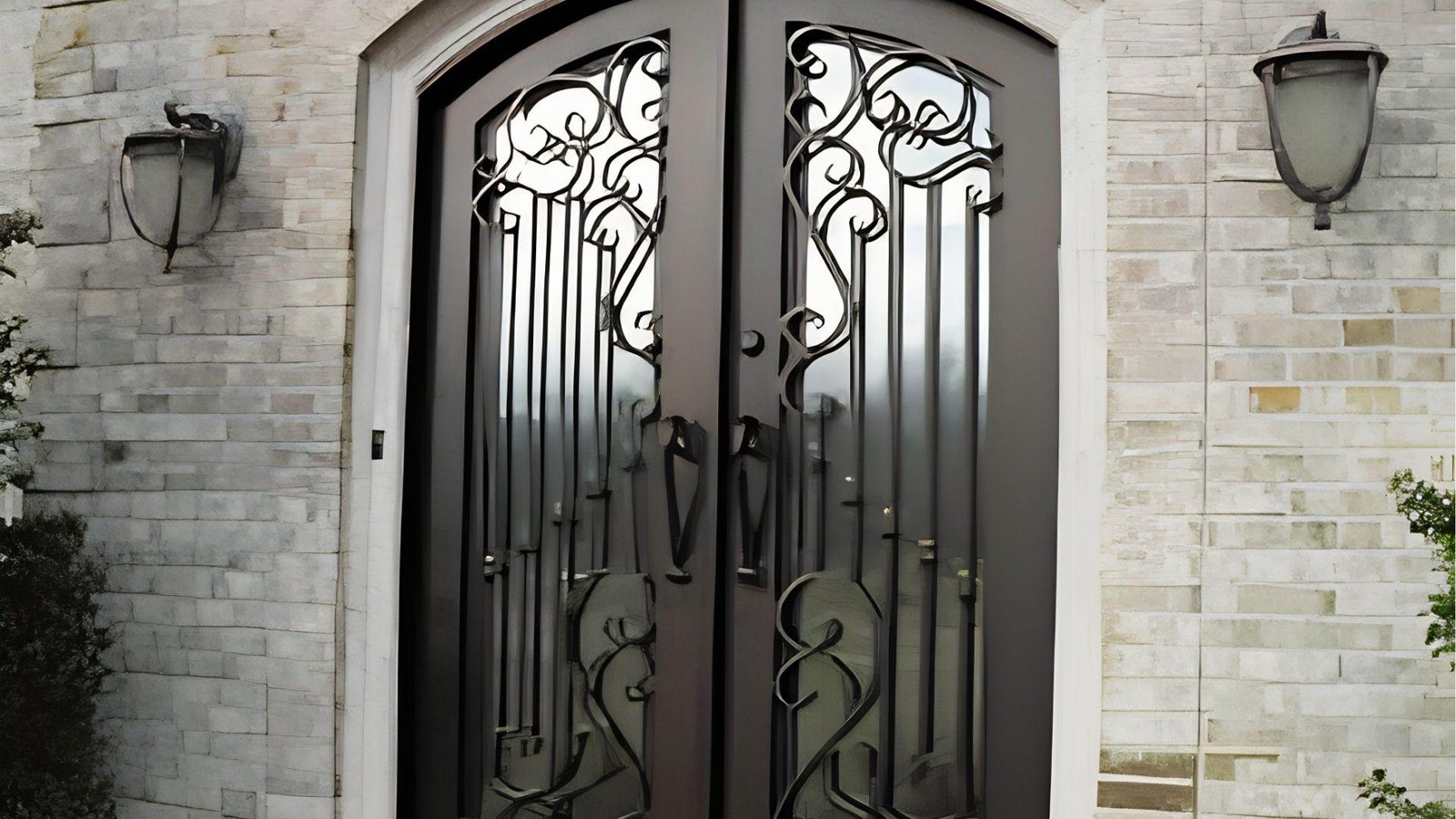
Steel doors are tough and secure. Most come with an insulated steel core that offers solid thermal performance.
They resist forced entry better than most materials. The key is making sure the door is properly sealed.
Without good weatherstripping, cold air can still get through. Steel is a strong choice if security and durability are priorities for you.
3. Wood Exterior Doors
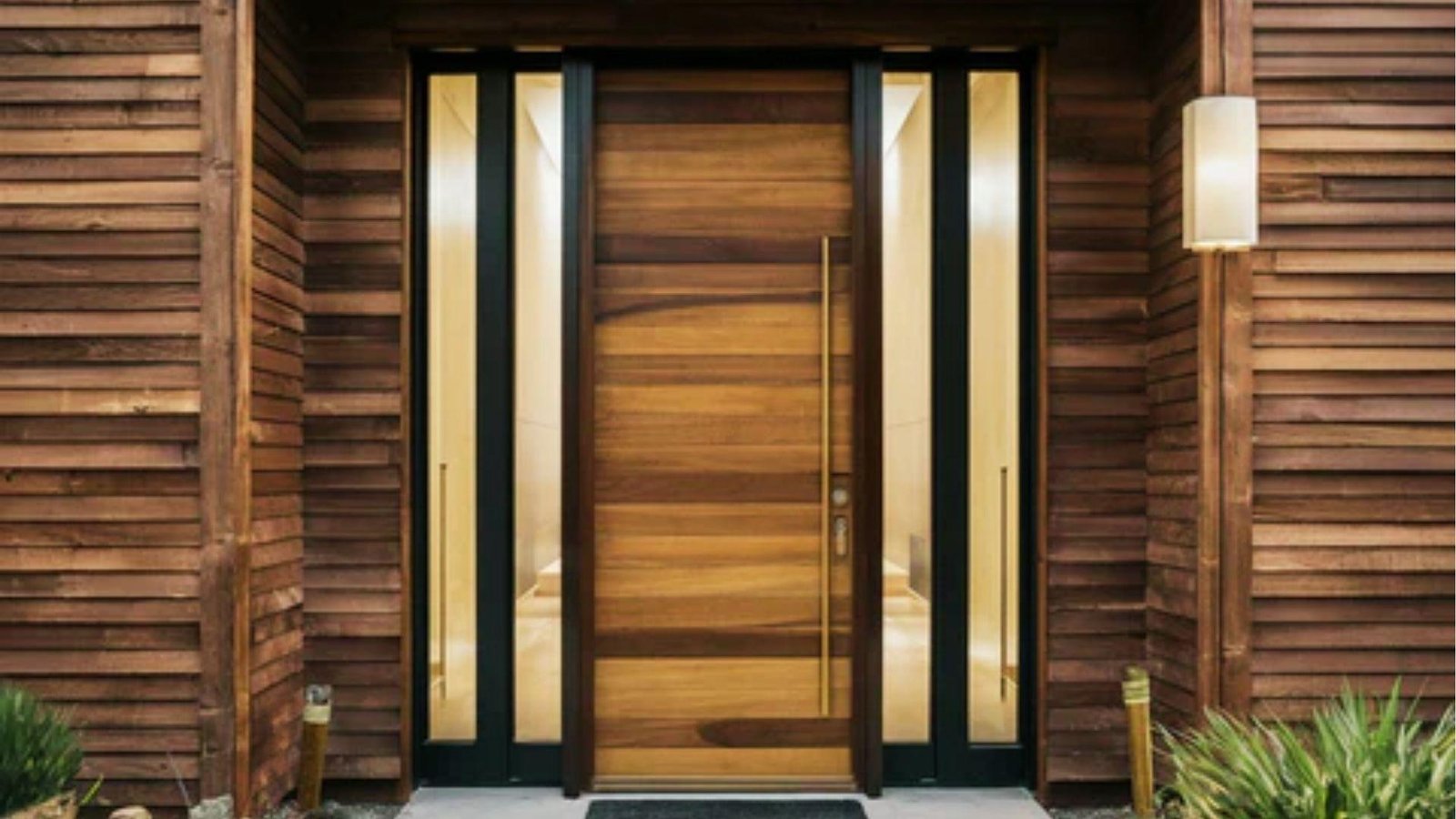
Wood has natural insulating properties and a classic look. It adds warmth and curb appeal that other materials can't always match.
But wood needs more care in cold, snowy climates. It can swell, warp, or crack if not properly sealed and maintained.
If you choose wood, plan for regular upkeep. It's a good-looking material, but it asks more of you in winter conditions.
Why Fiberglass Doors Are Often the Best Choice for Cold Weather
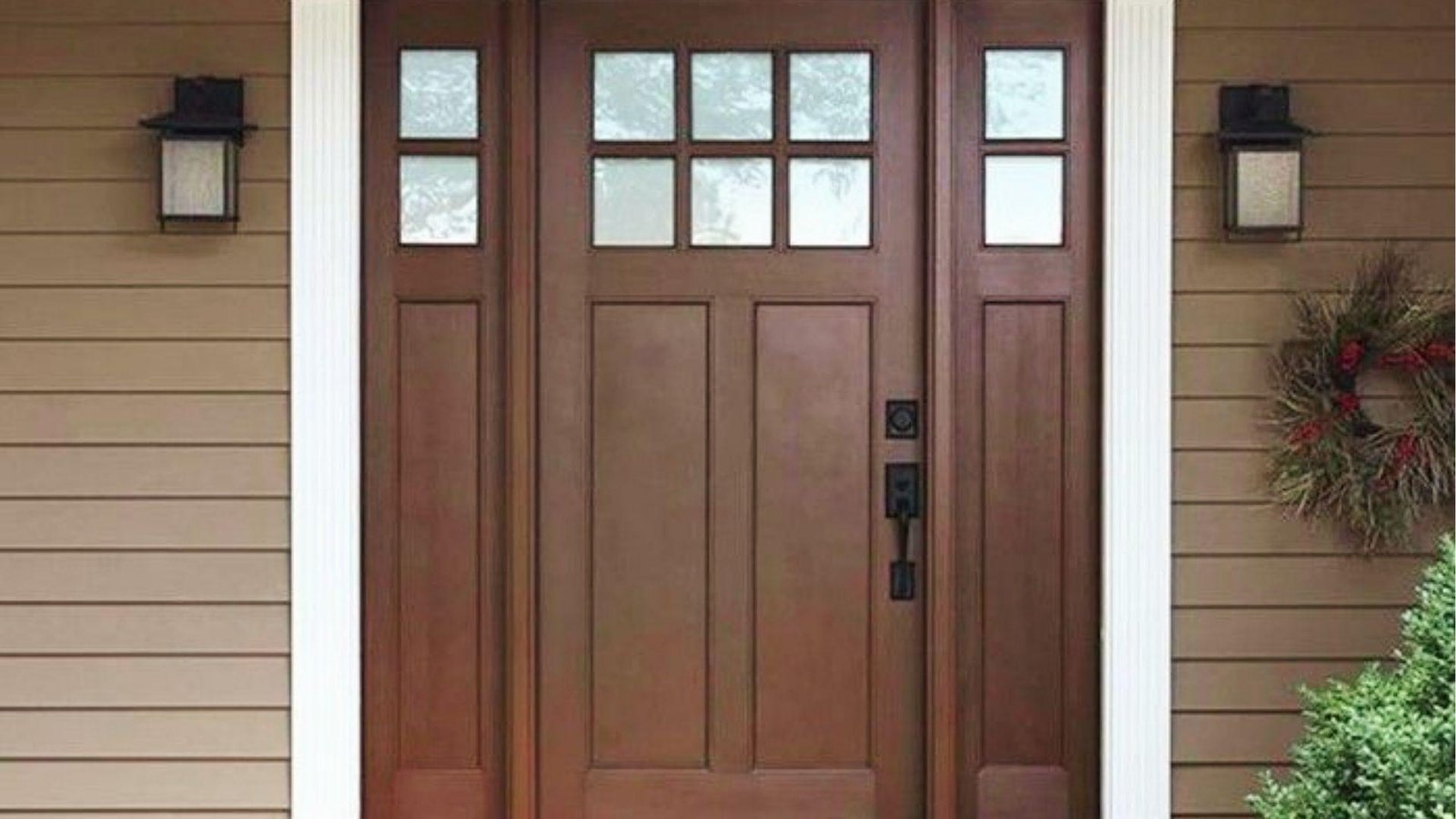
I keep coming back to fiberglass for one simple reason:it performs. It handles temperature swings without expanding or contracting the way wood does.
Its foam core gives it a higher insulation value than most other materials. You can get wood-look finishes without the maintenance headache.
And over the long term, the energy savings add up.
If you live somewhere with serious winters, fiberglass gives you the best combination of insulation, durability, and low maintenance in one package.
Important Glass Features in Cold-Weather Exterior Doors
If your door has glass panels, the glass matters just as much as the frame.
1. Double-Pane and Triple-Pane Glass
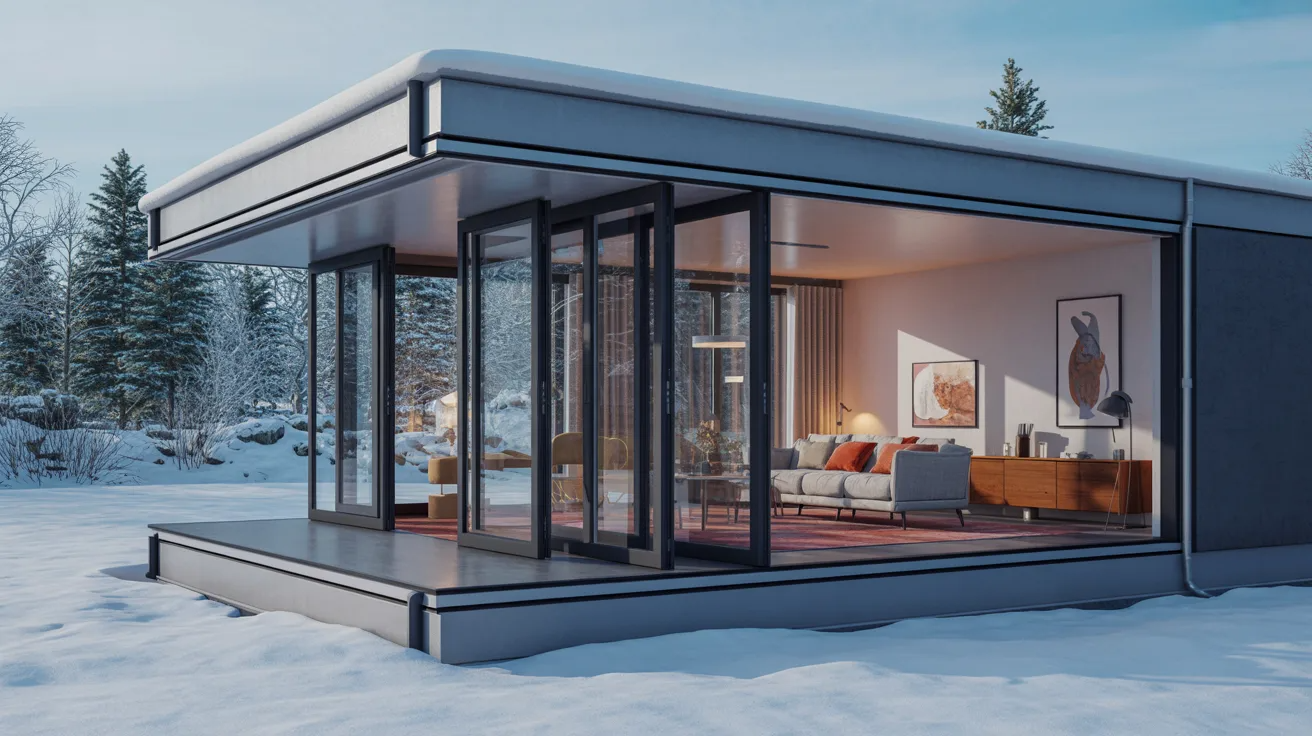
Single-pane windows lose heat fast. Double-pane and triple-pane glass fix that problem. These windows use two or three layers of glass with a sealed space between them.
That space acts like a thermal buffer. It slows down heat moving from inside your home to the cold outside.
Triple-pane glass works even better in extreme cold. You stay warmer, and your heating bills stay lower.
2. Low-E Glass Coatings
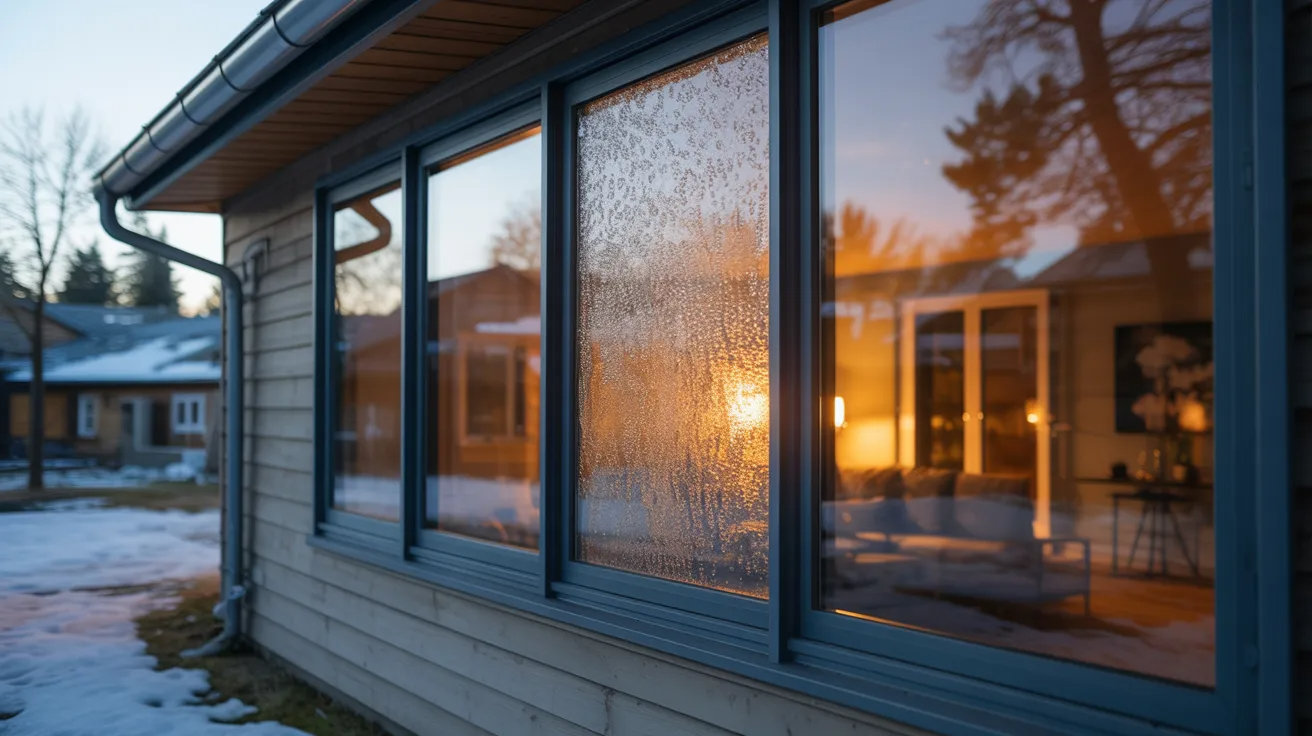
Low-E stands for low emissivity. It sounds technical, but the idea is simple. A thin coating is applied to the glass surface.
This coating reflects heat back into your room instead of letting it escape through the window. In winter, that means your heating system works less.
Your home holds warmth longer. Low-E glass also blocks UV rays without making your windows look dark or tinted.
3. Argon and Krypton Gas Fills
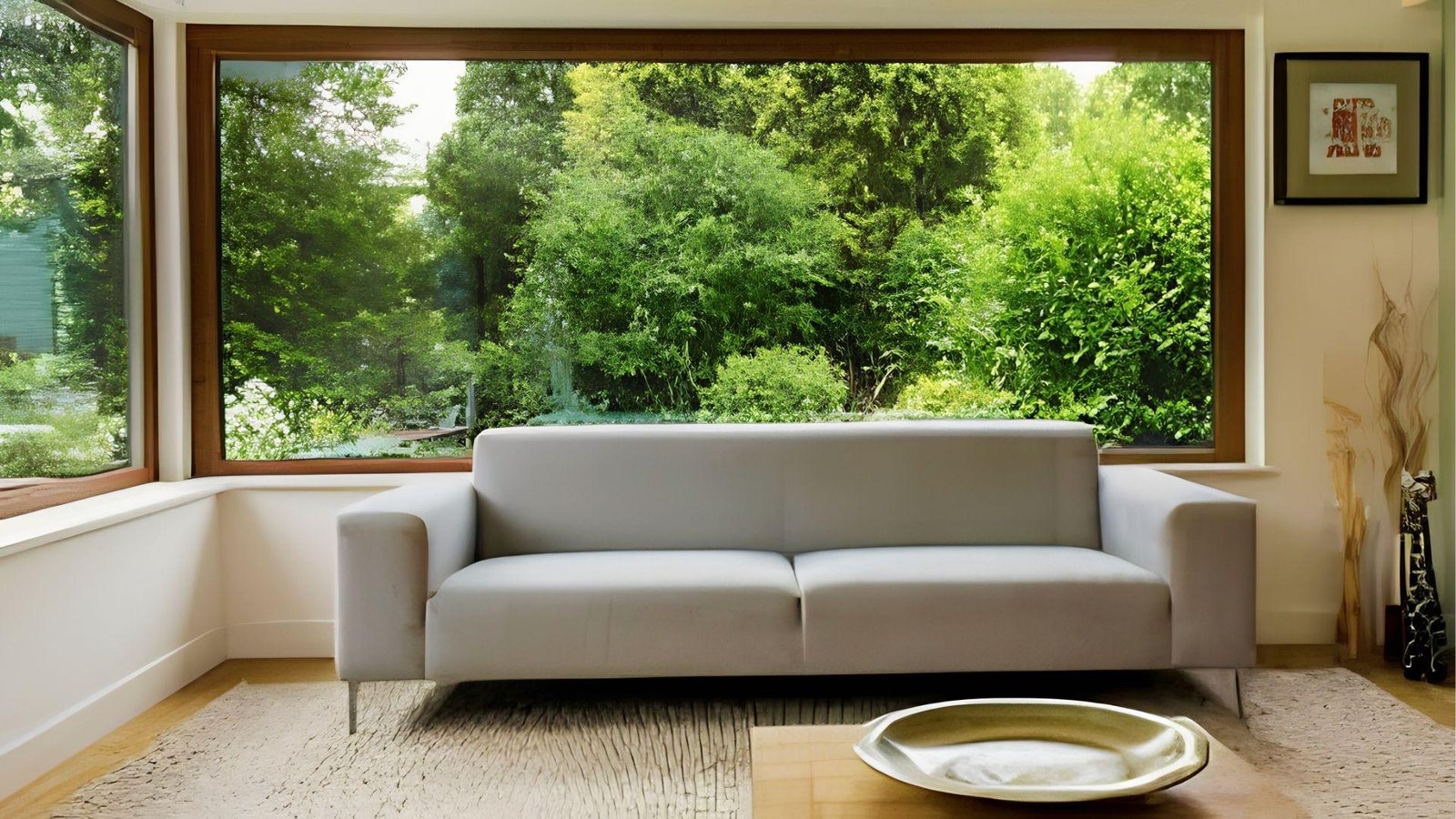
The space between glass panes is not just empty air. In energy-efficient windows, that space is filled with argon or krypton gas.
Both gases are denser than regular air. That density slows heat movement through the window. Argon is the more common and affordable option.
Krypton works better in thinner windows where less space is available. Either way, gas-filled windows perform much better in cold climates.
4. Condensation-Resistant Glass
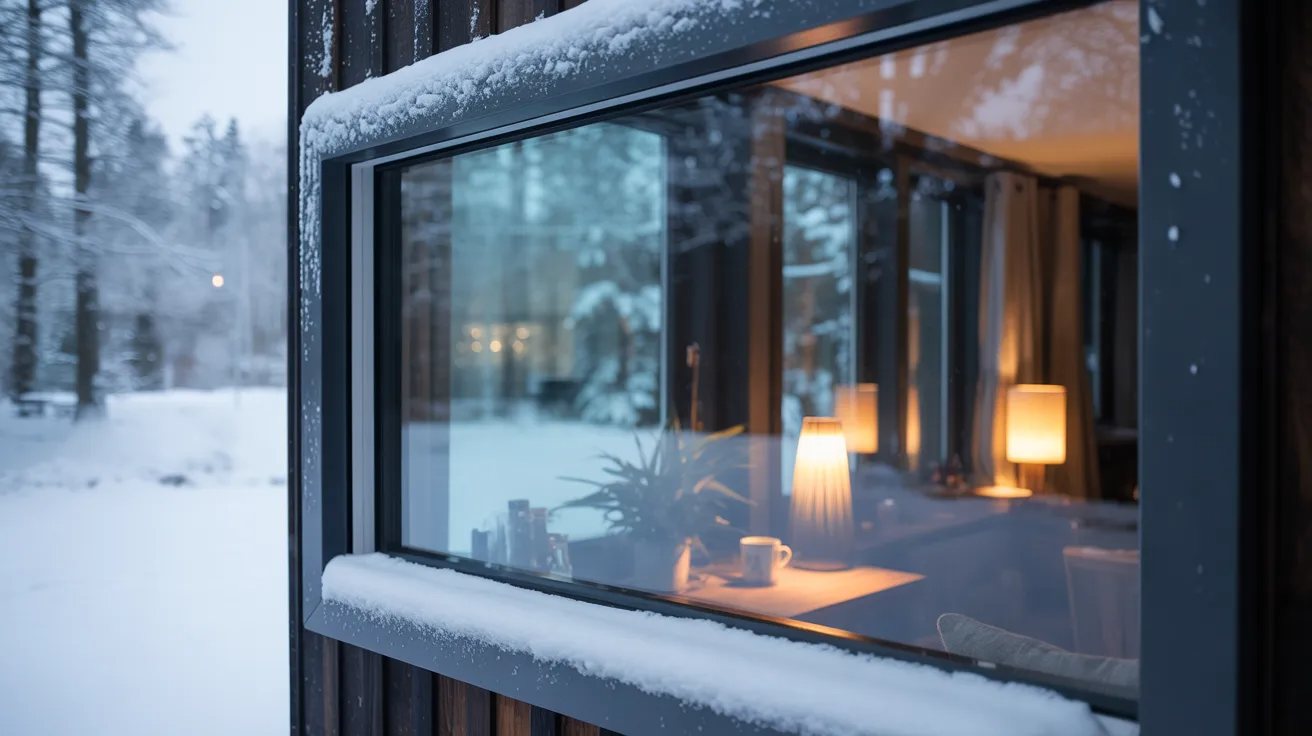
Cold winters often cause condensation on windows. That moisture builds up on the glass surface and can damage frames over time.
Energy-efficient glass helps prevent this. Because the inner pane stays closer to room temperature, warm indoor air does not cool down fast enough to form water droplets.
Less condensation means less moisture damage, fewer mold risks, and clearer windows throughout the season.
5. Insulated Decorative Glass Panels
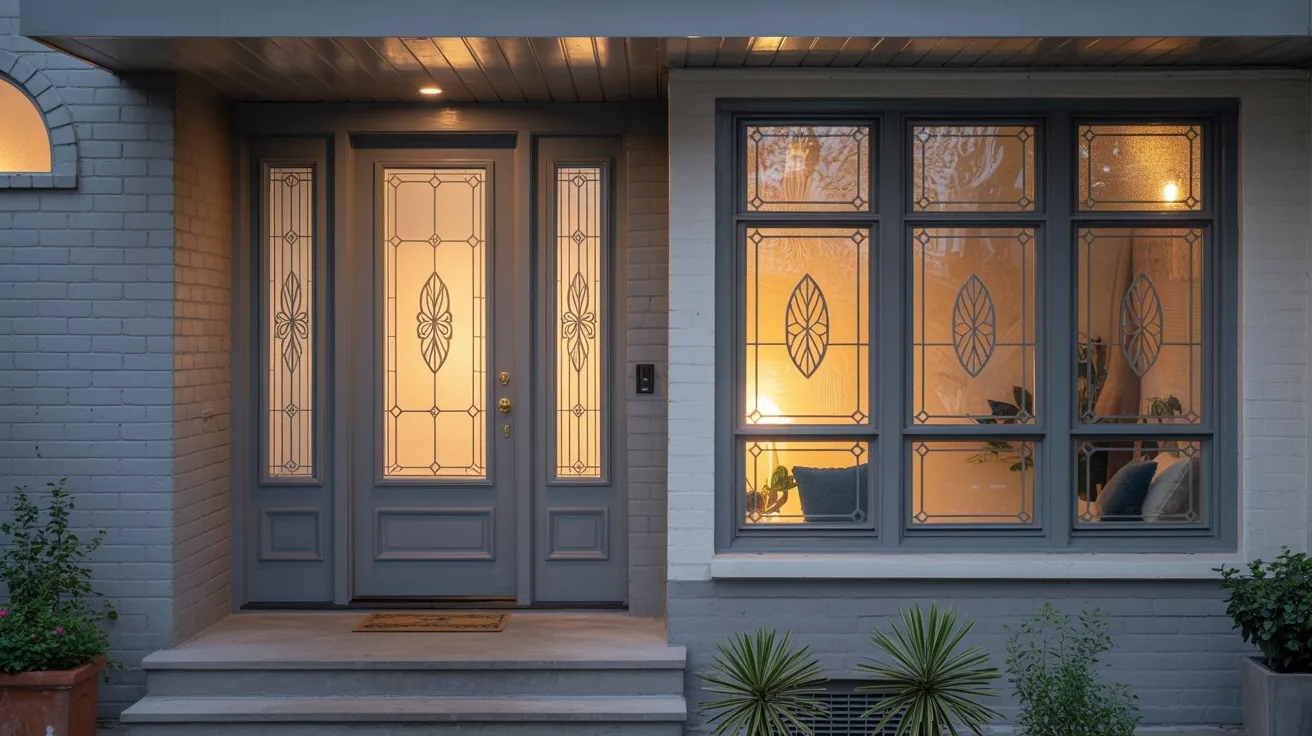
You do not have to give up style for energy savings. Insulated decorative glass panels let natural light into your home while still keeping winter cold out.
These panels combine beautiful designs with modern insulation technology built right into the glass.
They work well in doors, sidelights, and accent windows. You get the visual appeal of decorative glass without the heat loss that older, single-layer decorative panels caused.
Common Signs Your Exterior Door Is Not Winter-Ready
Think your door is working fine? These signs say otherwise.
Here's what to watch for:
- Cold drafts near the frame: If you feel air moving around the edges, your seal has failed
- Rising heating bills: A drop in efficiency often starts at the door, not the furnace
- Condensation or frost on the interior glass:This means heat is escaping faster than it should
- Warped or cracked door material:Damage breaks the insulation barrier and lets cold air in
- Door that doesn't close flush:Even a small gap can cause major heat loss over time
One or two of these signs? It's time to take a closer look at your door.
How to Choose the Best Exterior Door for Your Home
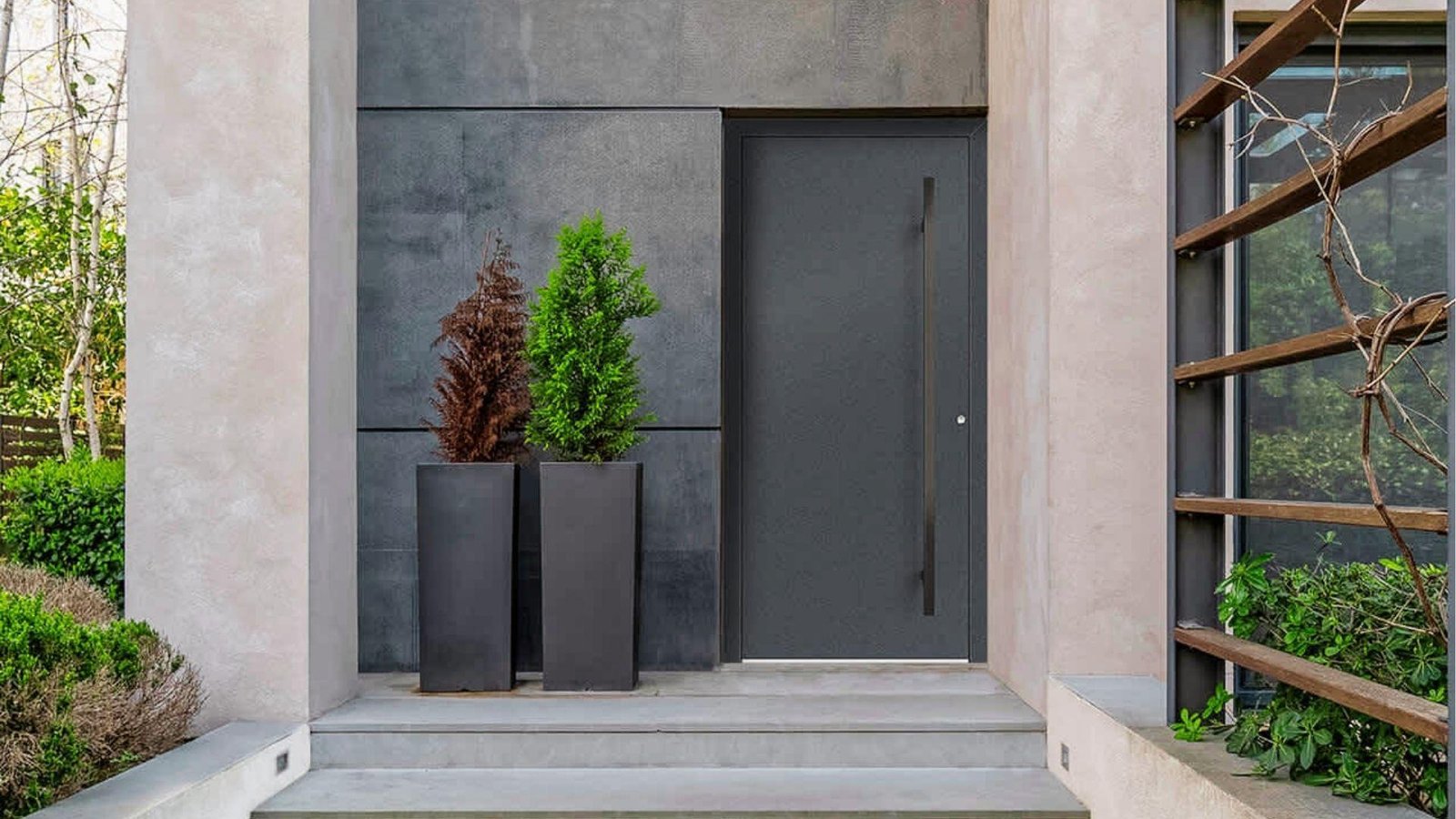
Picking the right door starts with knowing your climate. If you get heavy snow and long winters, prioritize insulation value and material durability above everything else.
Fiberglass tends to work best in those conditions. Then think about your budget. A mid-range fiberglass or steel door with good weatherstripping will outperform a cheap wood door every time.
Consider the style too, your door should fit your home's look. Before buying, ask about the door's energy rating, the type of weatherstripping included, and whether installation is covered.
Getting those answers upfront saves you from a poor purchase.
Conclusion
Choosing the right door for cold weather isn't complicated once you know what to look for.
I used to overlook doors when thinking about home insulation, until one winter when drafts made our living room unbearable.
After switching to a fiberglass door with proper weatherstripping, the difference was immediate: warmer rooms and lower bills.
I want that for you too. If this helped, drop a comment below or share it with someone prepping for winter.
And check out our related posts on weatherproofing your home for more tips.
Frequently Asked Questions
What is the best exterior door material for cold weather?
Fiberglass is generally the best material because it offers superior insulation and resists warping in cold temperatures.
Do steel doors keep cold air out?
Yes, insulated steel doors perform well in cold weather, especially when paired with quality weatherstripping.
How do I stop cold air from coming through my exterior door?
Replace worn weatherstripping, add a door sweep at the bottom, and check that the door frame is properly sealed.
Is a triple-pane glass door worth it in cold climates?
Yes, triple-pane glass reduces heat transfer more effectively than double-pane, making it a smart option for very cold regions.
How often should I replace the weatherstripping on my exterior door?
Most weatherstripping lasts three to five years. Replace it sooner if you notice drafts or visible wear around the door edges.