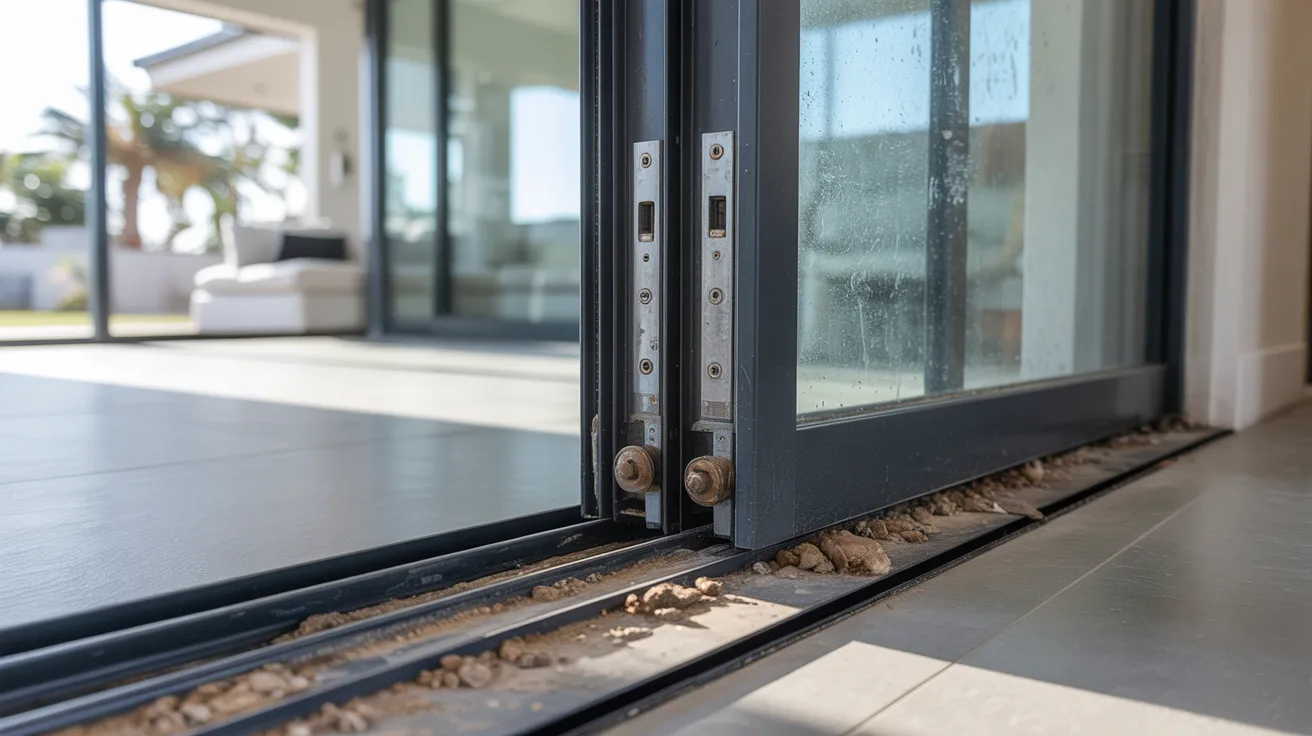

Is your sliding door hard to open? You pull, it drags. You push, it sticks. And it gets worse every week. I've been there that grinding, heavy feeling is frustrating, especially when it happens every single day.
This guide will walk you through why it happens and how to fix it, step by step. We cover the common causes, the best DIY fixes, and when to call a pro.
With years of hands-on experience in home repairs, I'll give you real solutions that actually work. No guesswork. Just clear, honest advice you can use today.
Understanding Why Your Sliding Door Is Hard to Open
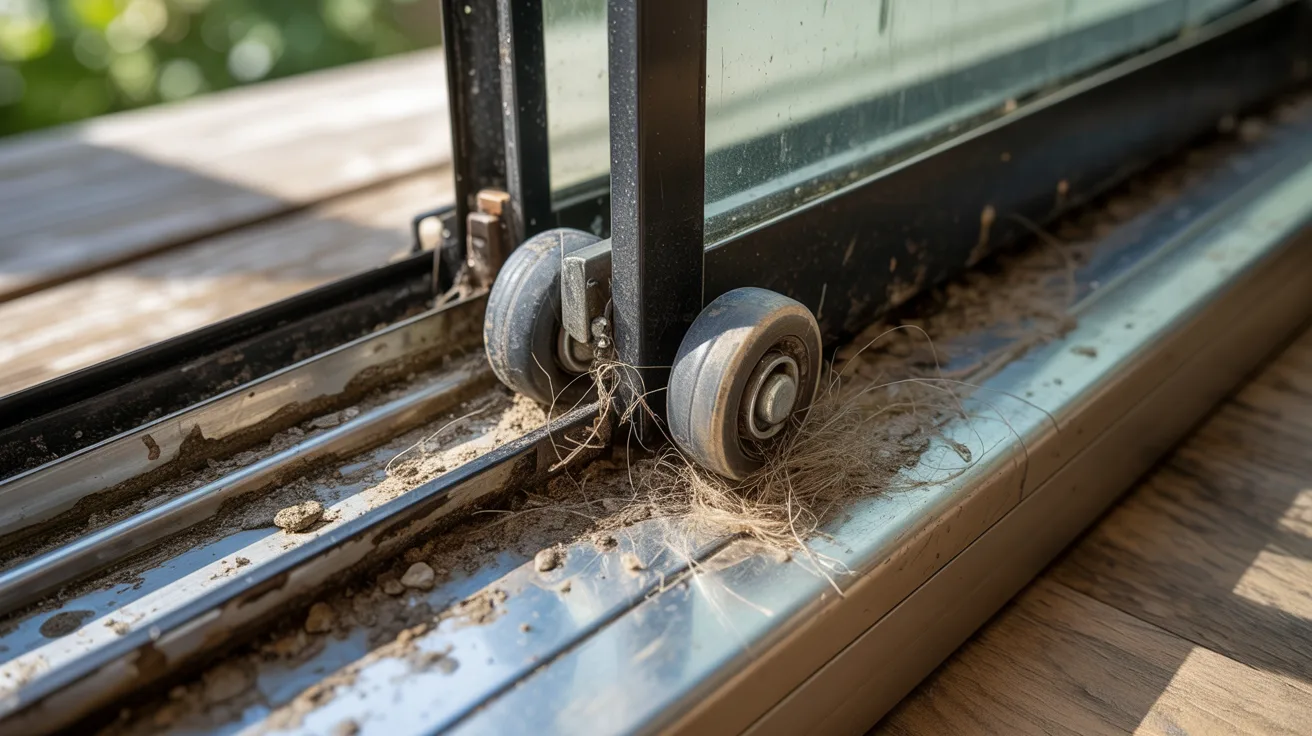
Most sliding door problems come from the same few causes, and they get worse if you ignore them. Sliding doors stop working smoothly for simple reasons.
Dirt builds up. Rollers wear down. The track gets bent or corroded. The door slowly gets harder to move, and most people just push through it, making the damage worse.
The most common causes are debris packed into the track, worn or broken rollers, wrong roller height, track damage or rust, and a heavy door on weak rollers.
If you fix the symptom but not the root cause, the problem always comes back.
How to Fix a Sliding Door That Is Hard to Open (Step-by-Step)
Follow these steps in order for the best results, skipping ahead usually means doing it twice.
Step 1: Deep Clean the Track
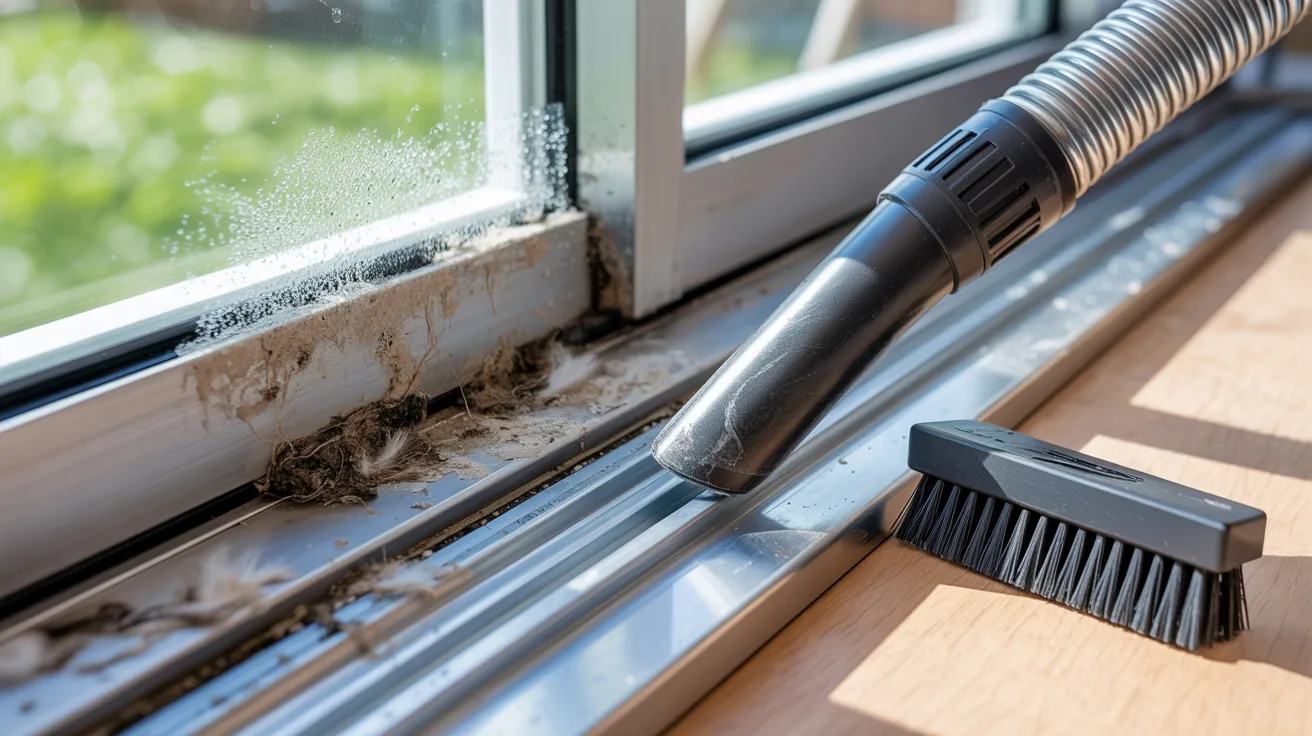
Use a stiff brush or old toothbrush to scrub the track. Remove all dirt, hair, and grit. Vacuum the loose debris. Wipe it clean with a damp cloth.
Dry it fully before moving on. Even a thin layer of grime causes drag.
Step 2: Check and Realign Rollers
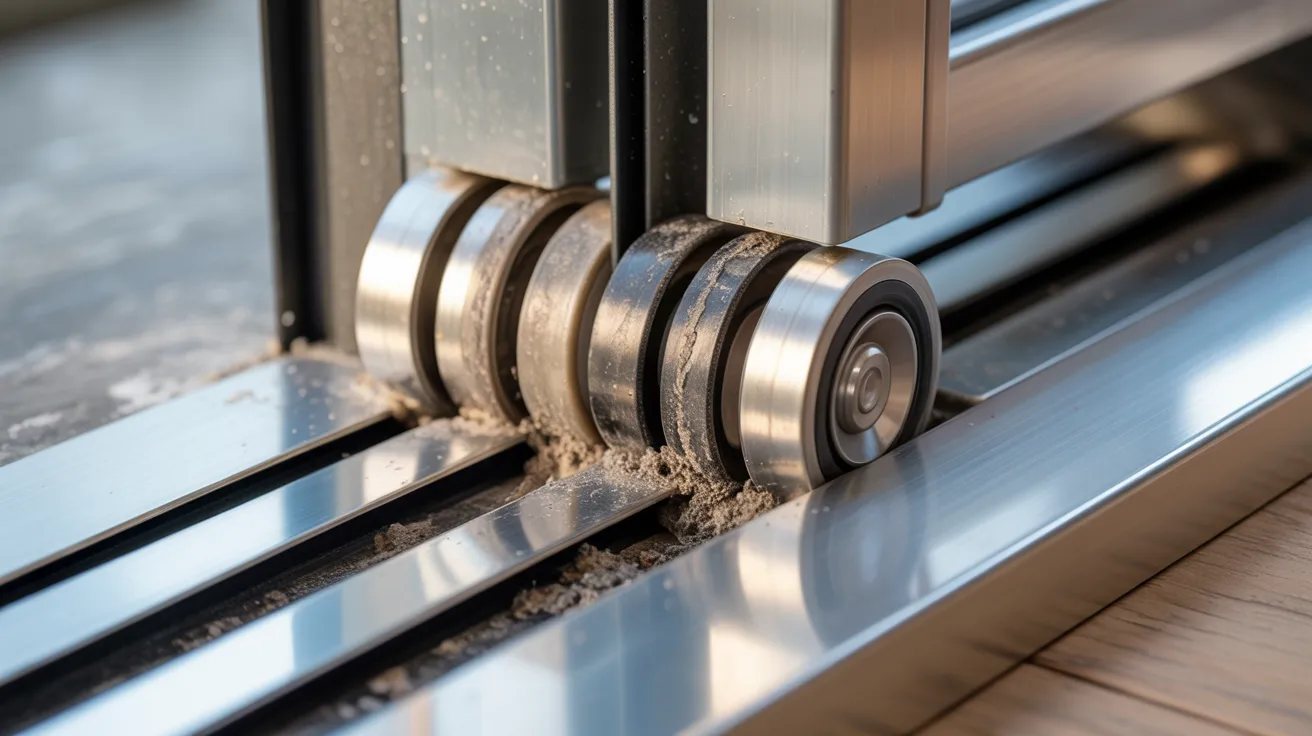
Look at the bottom of the door. The rollers should sit centered in the track groove. If one side is off, the door drags and pulls.
Lift the door slightly and reseat it by hand. Check both sides.
Step 3: Adjust Roller Height Correctly
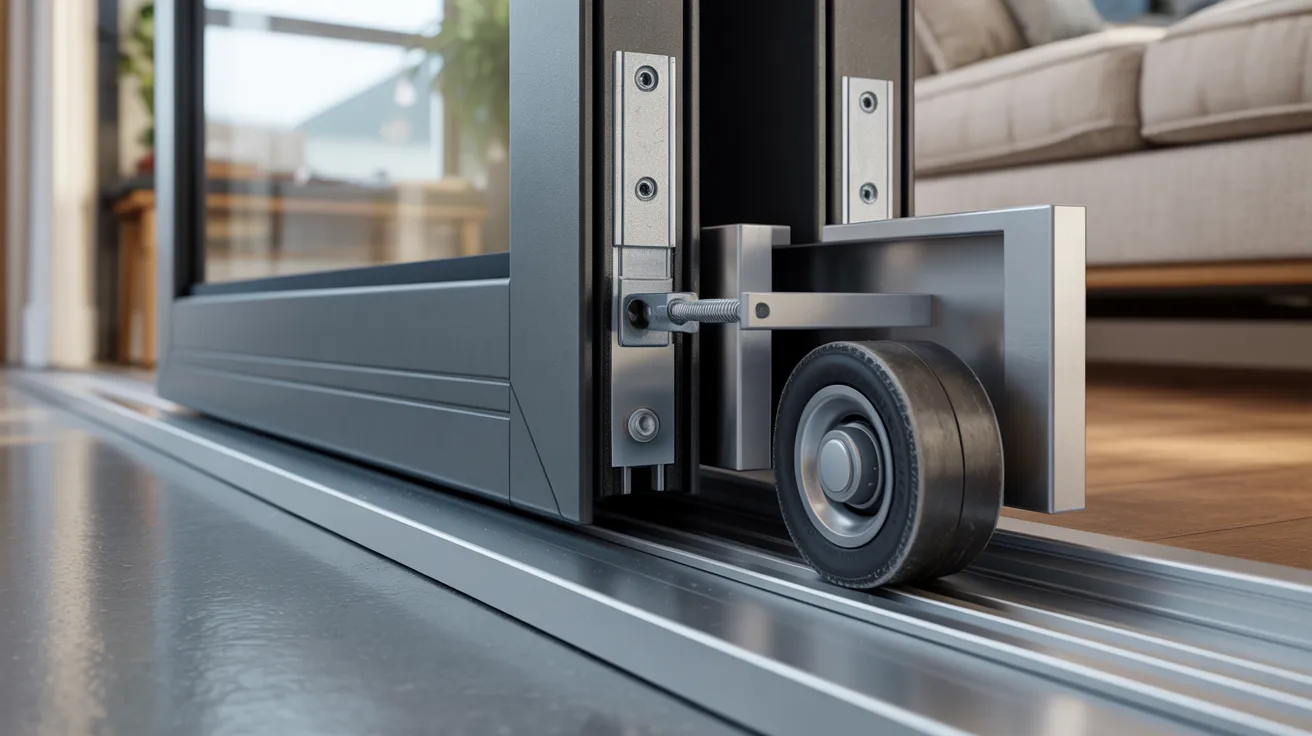
Most sliding doors have an adjustment screw at the bottom corners. Use a screwdriver to raise or lower each roller. Lift the door first before turning the screw.
Small turns matter, a quarter turn at a time. The door should clear the track without wobbling.
Step 4: Apply the Right Lubricant
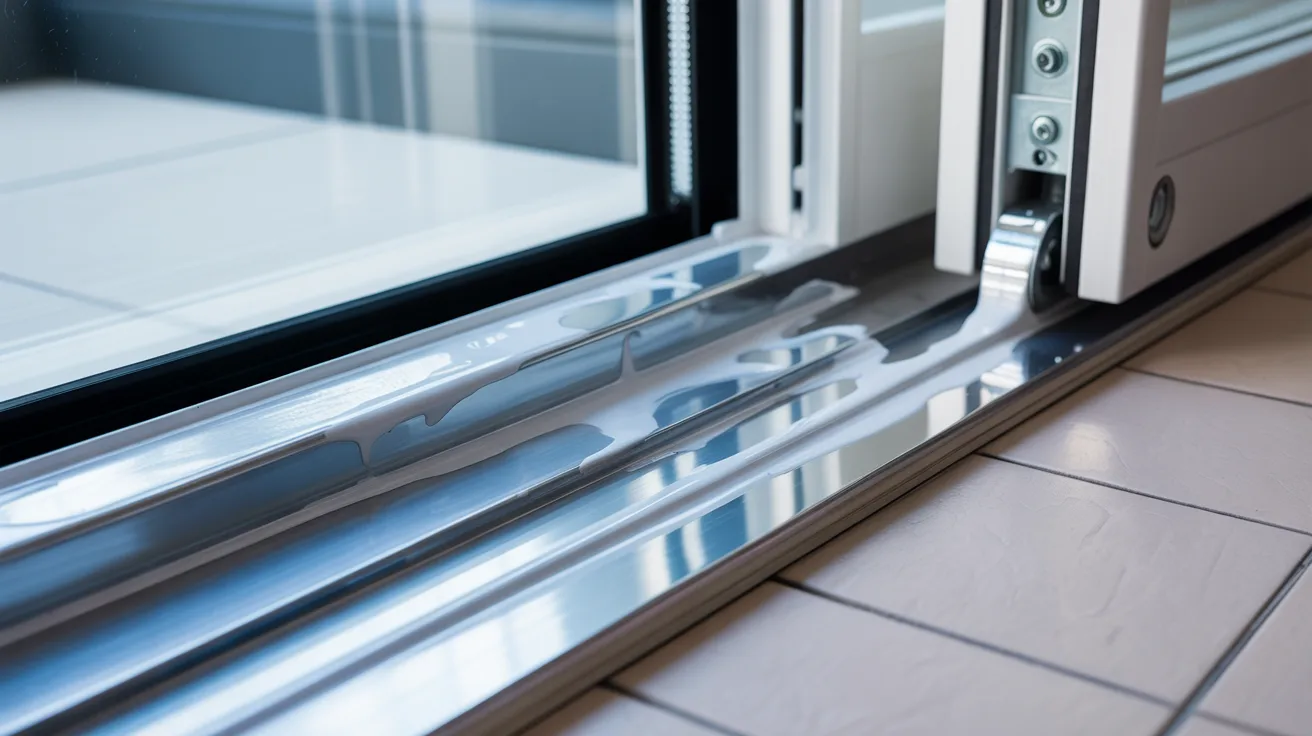
Do not use WD-40 or grease. They attract dirt fast. Use a PTFE spray or silicone-based lubricant instead. Spray along the track and on the rollers.
These dry quickly and stay clean longer.
Step 5: Test and Fine-Tune Movement
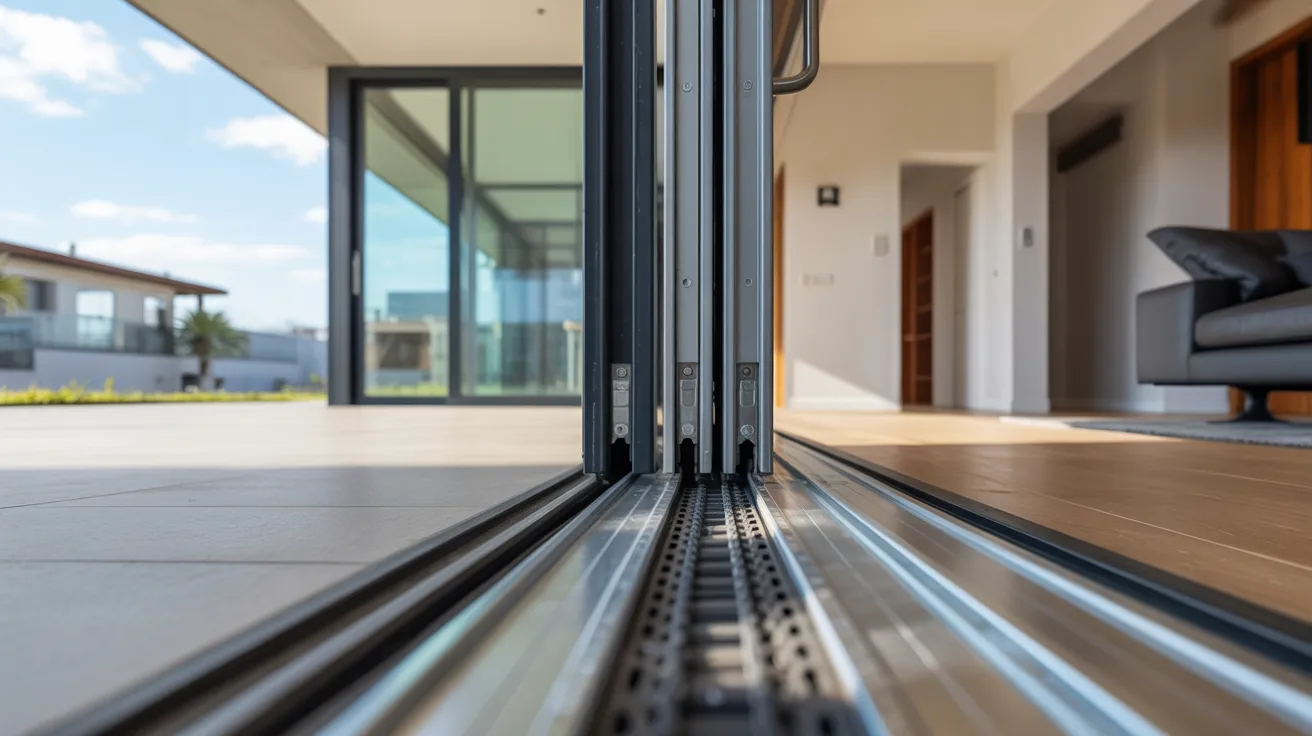
Slide the door back and forth slowly. It should move with little effort. If it still drags, go back and recheck roller height on the stiff side.
Small adjustments make a big difference.
Best DIY Solutions That Actually Work
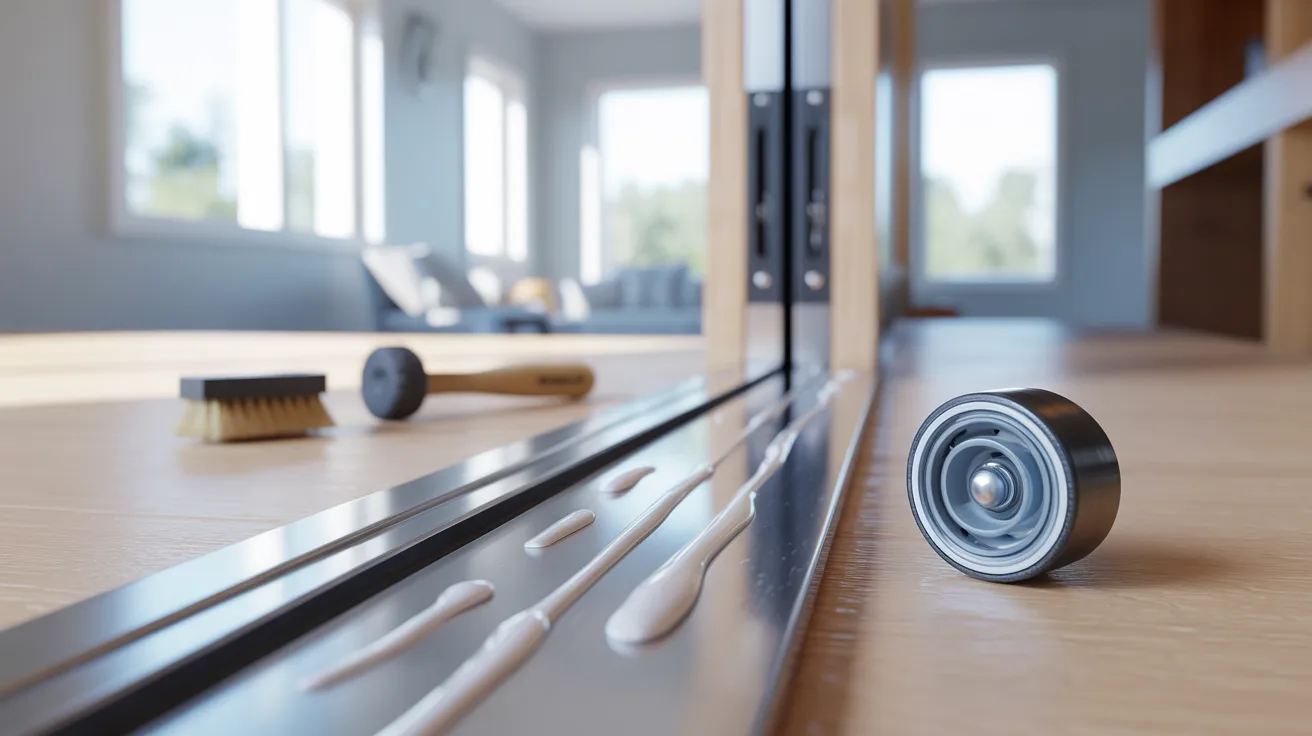
Simple fixes that save you money and work better than most people expect.
Use Dry Lubricants Instead of Grease
Silicone spray and PTFE lubricants are the right choice for sliding doors. They don't collect dust the way grease does. Apply them every few months for consistent results.
Upgrade to High-Quality Rollers
Cheap rollers wear out fast, especially on heavy doors. Replacing them with ball-bearing rollers makes a noticeable difference. It's a low-cost fix with long-term results.
Remove Hidden Debris from Rollers
Sometimes debris wraps around the roller axle. This slows the wheel and causes drag. Remove the door, flip it, and check each roller. Clean around the wheel with a pick or thin brush.
Fix Minor Track Damage Early
A slightly bent track can be tapped back into shape with a rubber mallet. Use a flat block to spread the force. If you wait too long, the bend gets worse and the track may need full replacement.
When to Repair vs Replace Sliding Door Parts
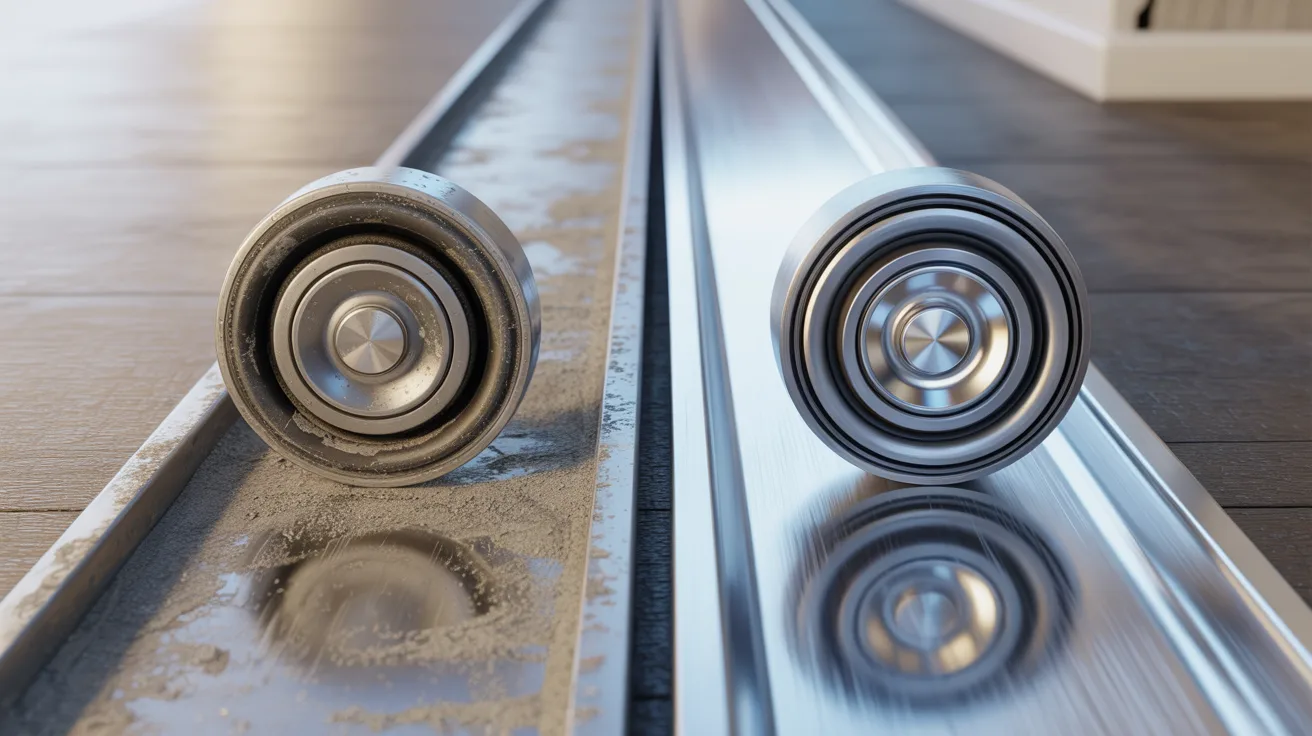
Knowing when to fix and when to replace saves you time, money, and repeat work.
When Rollers Need Replacement
If a roller is cracked, flat on one side, or won't spin at all, replace it. Cleaning and lubricating a broken roller won't fix anything. New rollers are inexpensive and widely available.
When Track Repair Is Necessary
Small dents and bends can be fixed at home. But if the track is deeply warped, pulled away from the frame, or heavily rusted, repair won't hold. A new track section is the better call.
When Professional Help Is the Better Option
If the door frame itself is out of square, or the door has shifted due to foundation movement, a professional should assess it. Forcing alignment in a warped frame leads to more damage.
Common Causes of a Sliding Door That Won't Slide Smoothly
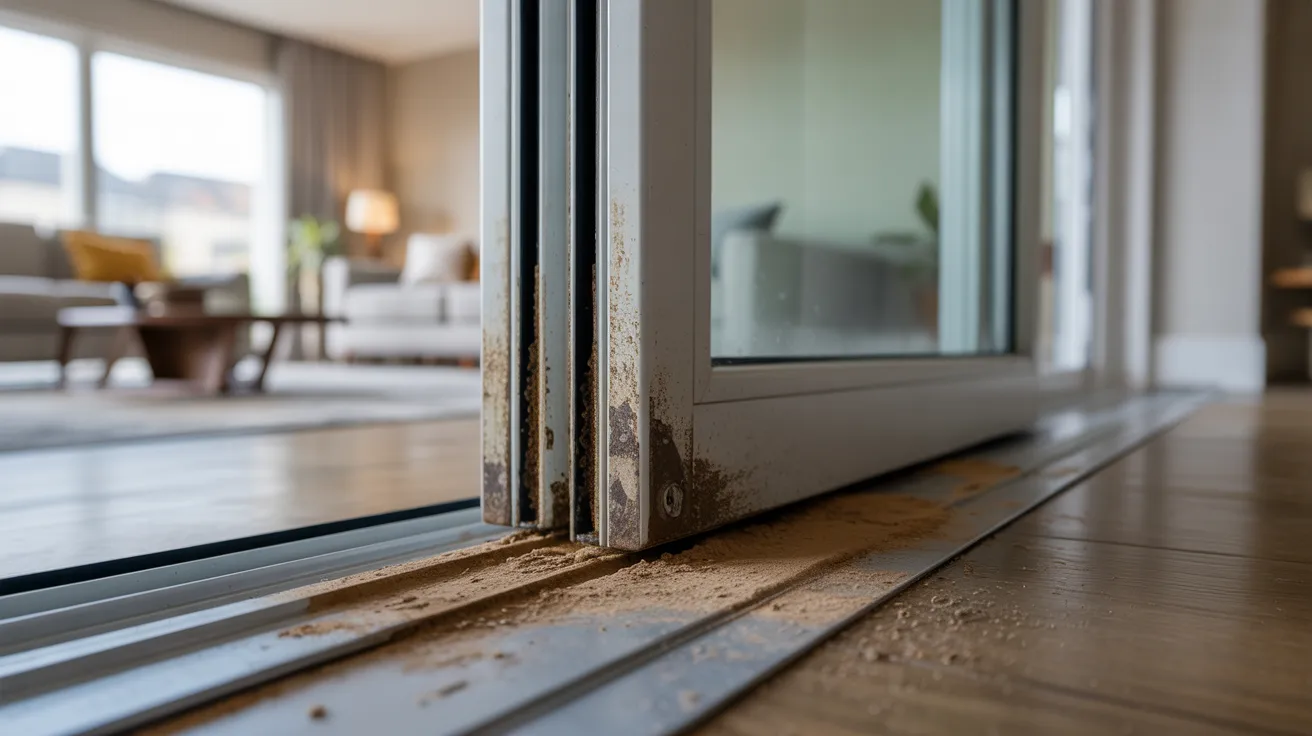
These are the real reasons your door keeps giving you trouble most are easy to fix.
Dirt and Debris in the Track
Dust, lint, and grit pack into the track groove over time. This builds a rough surface that the rollers grind against. Regular cleaning stops this from becoming a bigger problem.
Worn or Damaged Rollers
Roller bearings wear out after years of use. Once the bearing goes, the wheel drags instead of rolls. You'll hear grinding or feel resistance even on a clean track.
Incorrect Roller Height or Misalignment
If the rollers are set too low, the door drags on the track surface. If they're uneven, the door tilts and binds. Proper height adjustment fixes both issues.
Track Damage or Corrosion
Outdoor sliding doors face rust and corrosion. Even indoor tracks can get bent from heavy use. A damaged surface causes the roller to catch and skip.
Heavy Door with Low-Quality Rollers
Large glass doors are heavy. If the rollers aren't rated for that weight, they compress and flatten over time. Upgrading to heavy-duty rollers solves this completely.
Tips to Keep Your Sliding Door Smooth and Easy to Open
A little regular care keeps your sliding door working well for years.
- Brush out the track once a month. It takes two minutes and stops most problems before they get worse.
- Use silicone spray on rollers every three to six months to keep them moving freely and smoothly.
- Heavy daily use means your door needs lubrication more often. Don't wait until it starts dragging again.
- Forcing a stiff door bends the track fast. If it feels hard to open, fix it right away.
- Never slam the door. It cracks rollers over time and throws the alignment off without you noticing.
- Check rollers and alignment every season. Catching small wear early saves you from bigger, costlier repairs later.
Conclusion
Fixing a sliding door hard to open is something most people can do themselves. I fixed mine with a $6 can of silicone spray and 20 minutes and it's been smooth ever since.
Clean the track, check the rollers, adjust the height, and use the right lubricant. That's really it. Stay on top of basic maintenance and you won't face this again anytime soon.
If this helped you, drop a comment below or share it with someone dealing with the same issue. It means a lot.
Frequently Asked Questions
Why is my sliding door suddenly hard to open?
Debris buildup in the track or a worn roller is usually the cause. Clean the track first and check if the rollers spin freely.
Can I fix a sliding door without removing it?
Yes, in most cases. Cleaning, lubricating, and adjusting roller height can all be done with the door in place.
What lubricant works best for sliding doors?
Silicone spray or PTFE lubricant works best. They stay clean longer and won't attract dirt like grease or WD-40 does.
How often should I maintain my sliding door?
Clean the track monthly and lubricate every three to six months. A quick seasonal inspection keeps things running well.
How do I know if my rollers need to be replaced?
If the door still drags after cleaning and adjustment, or if the roller looks flat, cracked, or won't spin, it's time for new ones.