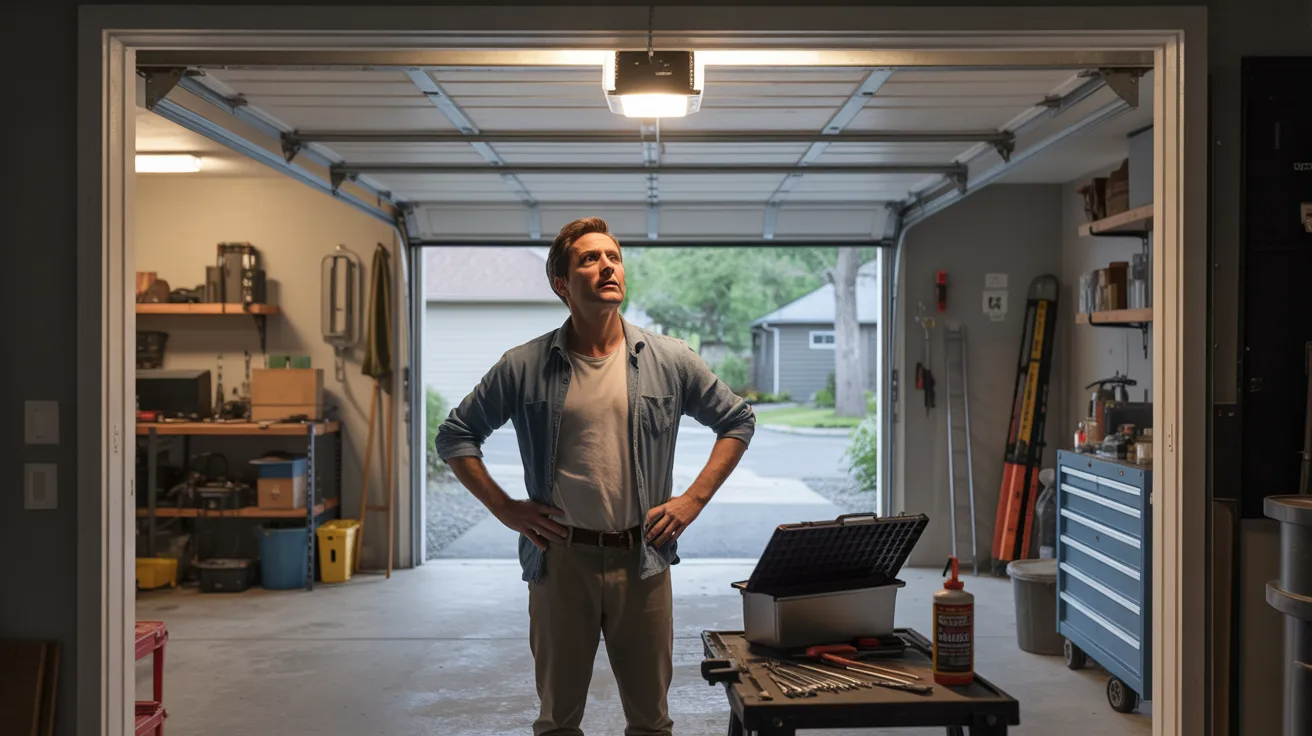

I never thought much about my garage door until it started making a horrible grinding noise one morning.
That one moment made me realize how little most of us actually know about this part of our home.
So, how long do garage doors last? Most doors hold up for 15 to 30 years, but that number changes a lot based on the material, how often you use it, and how well you maintain it.
I did the research so you don't have to.
In this guide, I'll walk you through everything that affects your garage door's lifespan and when it's time to think about getting a new one.
How Long Do Garage Doors Last?
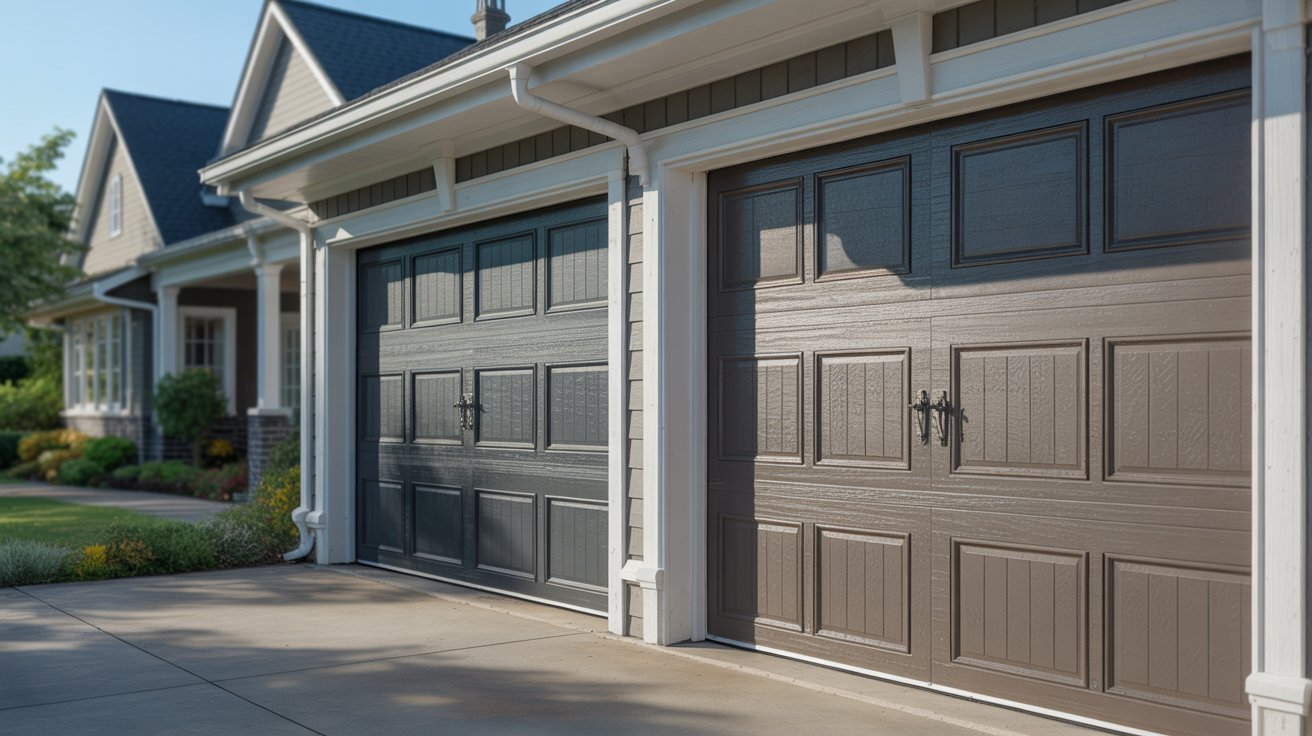
Most garage doors last between 15 and 30 years. The actual lifespan depends on the material, how often you use it, and how well you maintain it.
Steel and aluminum doors tend to hold up longer than wood. Garage door openers usually last around 10 to 15 years.
Some doors push past the 30-year mark simply because the owner kept up with regular maintenance, lubrication, and small repairs before problems got worse.
What Affects the Lifespan of a Garage Door?
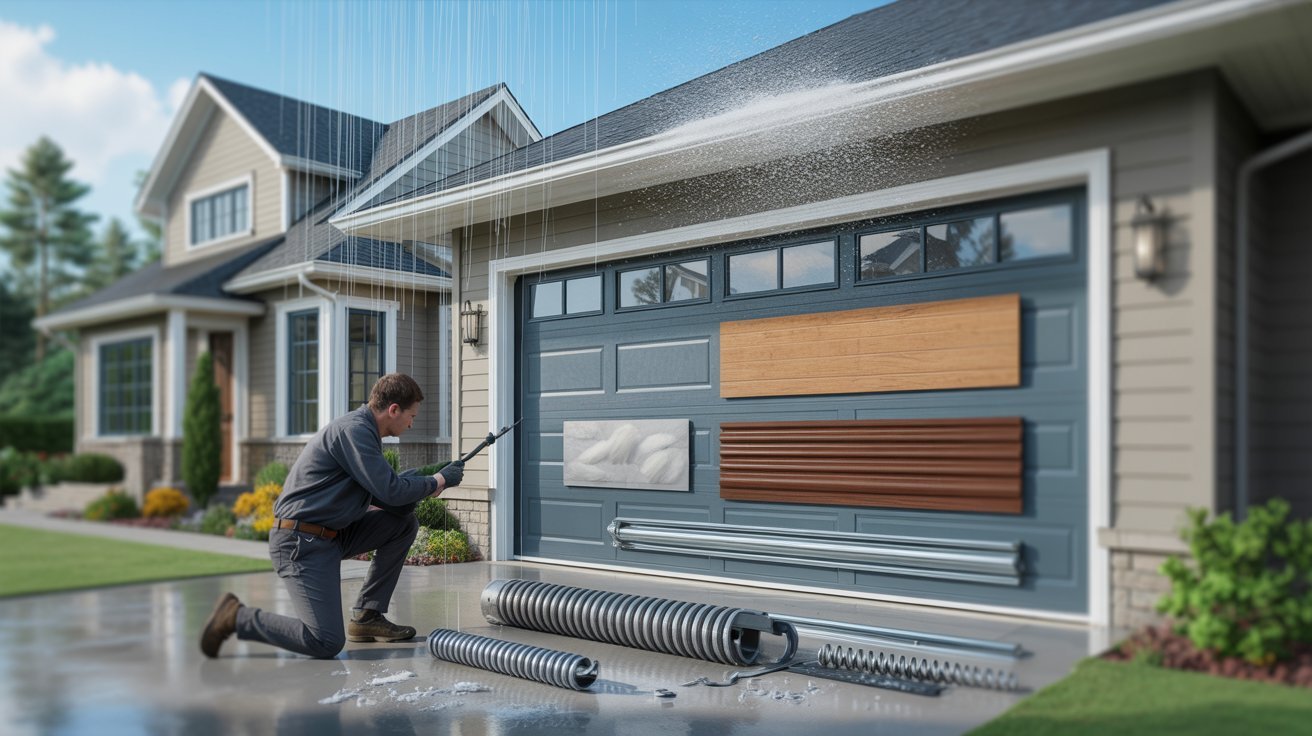
Several factors decide how long your garage door holds up.
Frequency of Daily Use
The more you open and close your door, the faster parts wear out. A busy household puts a lot more strain on the door than a single-person home.
Garage Door Material
Steel lasts long and resists damage well. Wood looks great but needs more upkeep, and fiberglass can crack in extreme temperatures.
Quality of Installation
A poorly installed door causes problems early on. Bad alignment, loose hardware, and improper spring tension all shorten the door's life.
Local Climate and Weather Conditions
Doors in harsh climates face more wear. Constant humidity, heavy rain, or freezing temps can rust metal, warp wood, and weaken seals.
Regular Maintenance and Upkeep
Lubricating moving parts, tightening bolts, and fixing small issues early keeps the door running longer. Skipping this speeds up wear significantly.
Garage Door Spring Cycle Ratings
Springs are rated by cycles, usually 10,000 to 20,000. Once they hit that limit, they break. Upgrading to high-cycle springs adds years to the system.
Overall Build Quality
Cheap doors wear out fast. A well-built door with solid hardware, thick panels, and quality springs simply lasts much longer with less trouble.
Garage Door Lifespan by Material
Different materials age differently. Here's a quick look at what to expect from each.
| Material | Average Lifespan | Key Strength | Main Weakness |
| Steel | 20–30 years | Durable and low maintenance | Can rust without proper coating |
| Wood | 15–25 years | Classic look, easy to repaint | Warps, rots, needs regular upkeep |
| Wood Composite | 20–30 years | Looks like wood, resists moisture | Heavier, costs more upfront |
| Aluminum | 20–25 years | Lightweight and rust-resistant | Dents easily, weaker in impact |
| Fiberglass | 15–20 years | Resists salt air and moisture | Cracks in extreme cold |
How Long Do Garage Door Springs Last?
Garage door springs are rated by cycles. One cycle is one open and one close. Standard springs handle around 10,000 cycles, while high-cycle springs can go up to 20,000 or more.
For an average home, that means standard springs last about 7 to 10 years. Watch for signs like a slow-moving door, loud squeaking, or a door that won't stay open.
High-cycle springs cost more but save you money on replacements over time.
How Long Do Garage Door Openers Last?
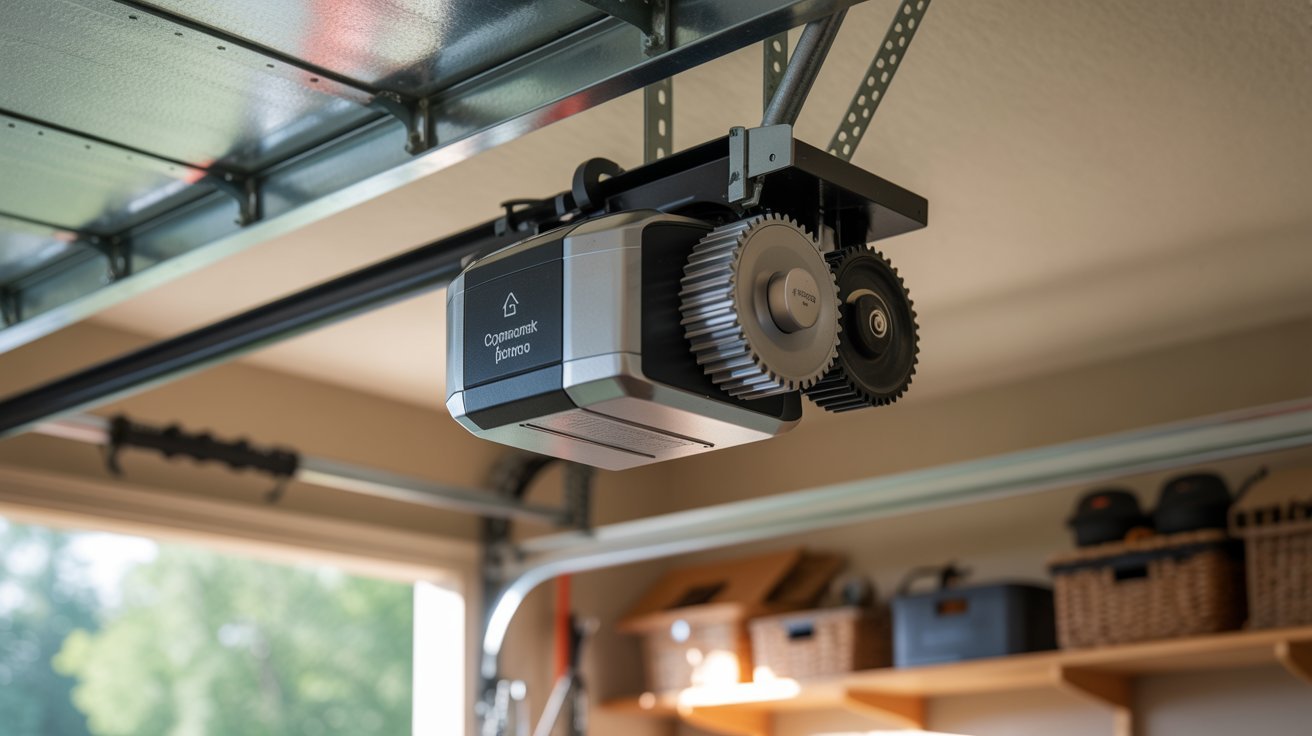
Most modern garage door openers last between 10 and 15 years. Some well-maintained units push closer to 20 years.
The lifespan shortens when the opener works harder than it should, like lifting a heavy door or running in extreme heat or cold.
Worn gears, a weak motor, and outdated circuit boards are common failure points. If repairs cost more than half the price of a new unit, replacing it makes more sense than fixing it.
Signs Your Garage Door Is Nearing the End of Its Life
If your door is showing any of these signs, it may be time to start thinking about a replacement.
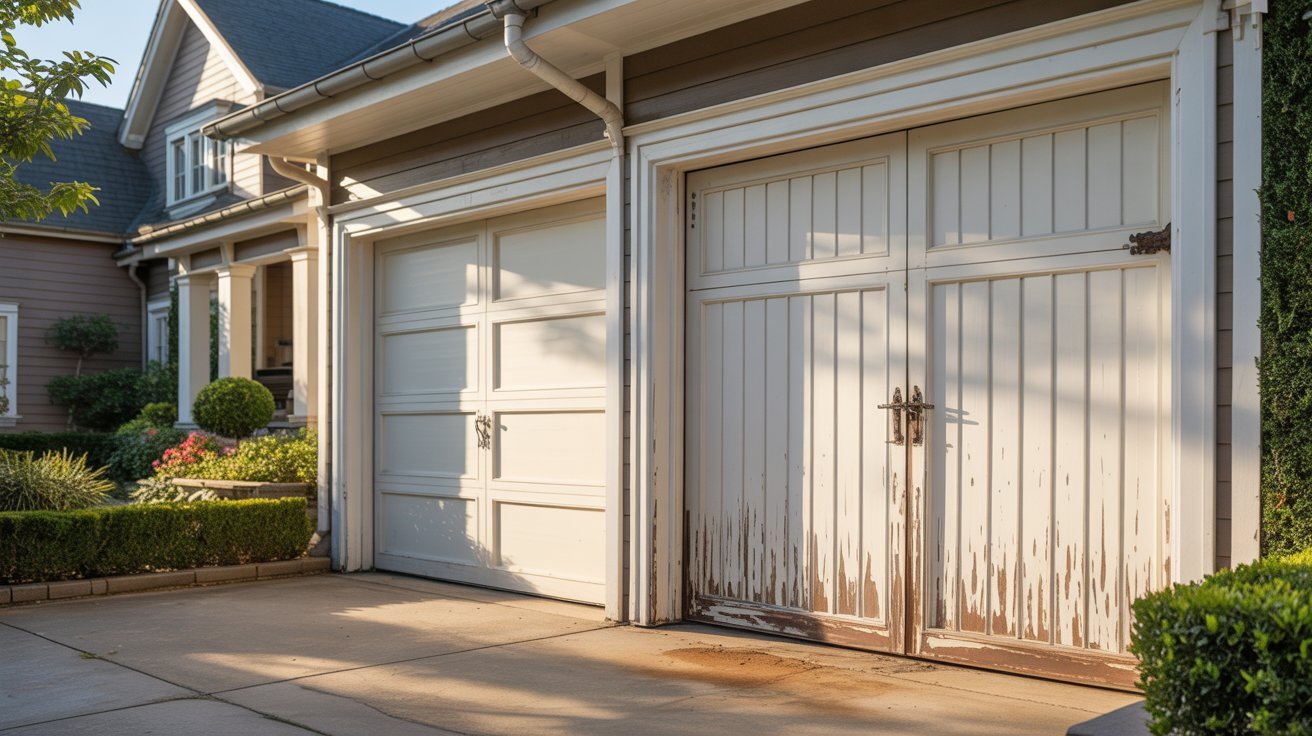
- Your door makes loud grinding, banging, or squeaking sounds every time it moves. Normal wear causes this over time, and it usually means parts are failing fast.
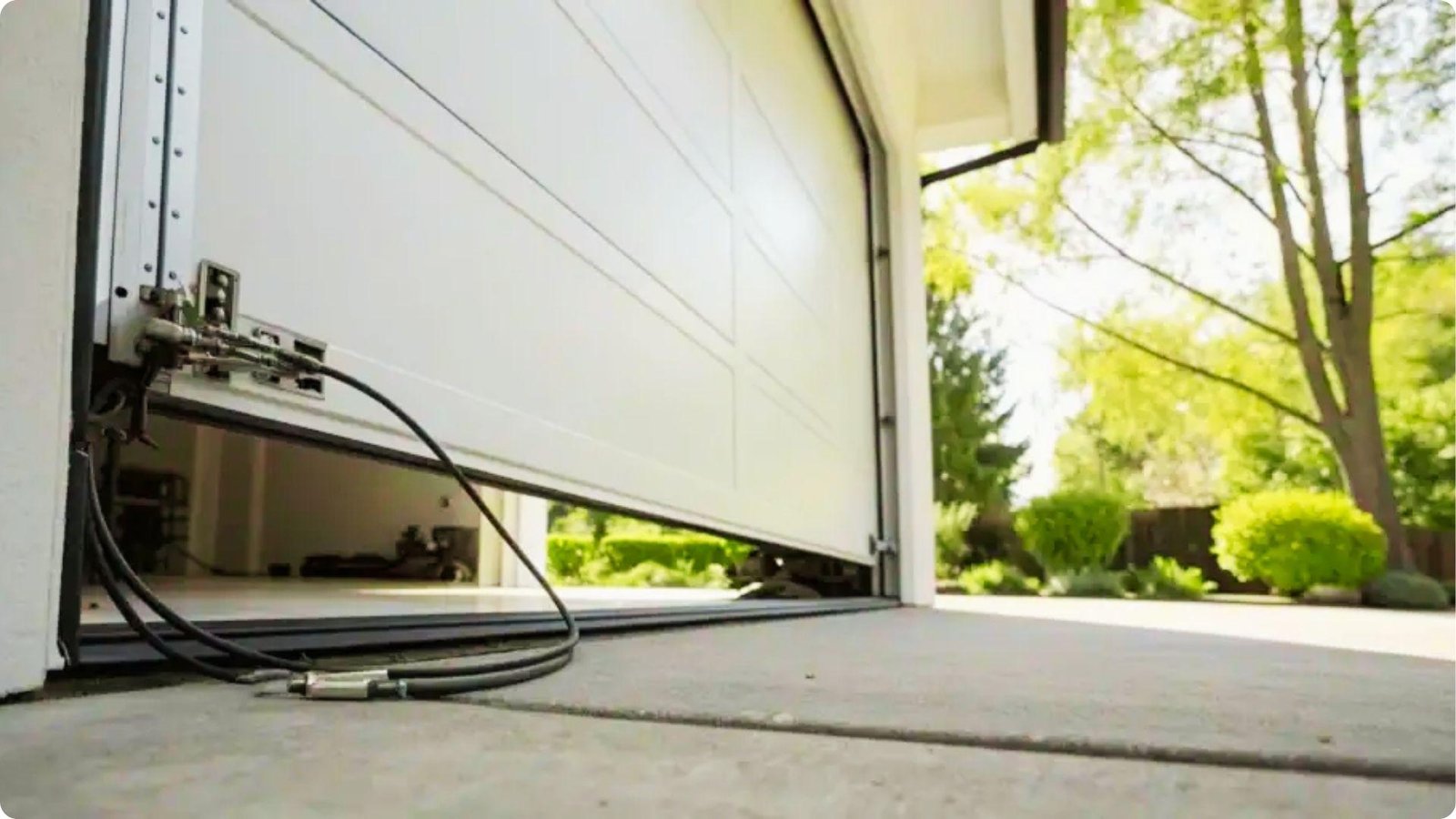
- The door moves slowly, jerks, or one side sits lower than the other. This points to worn springs, bent tracks, or an aging opener struggling to keep up.
- Sections of the door visibly sag or bow outward when closed. This often means the panels have weakened and the door no longer seals or supports itself properly.
- You are calling for repairs every few months and costs keep adding up. When breakdowns become a pattern, the door is telling you it is done.
- You spot rust, rot, deep cracks, or large dents that affect how the door moves or seals. Surface damage that goes ignored turns into bigger structural problems quickly.
- Your heating or cooling bills have gone up and the garage feels drafty. An old door with failing insulation lets air in and out, making your home less energy efficient.
Should You Repair or Replace an Aging Garage Door?
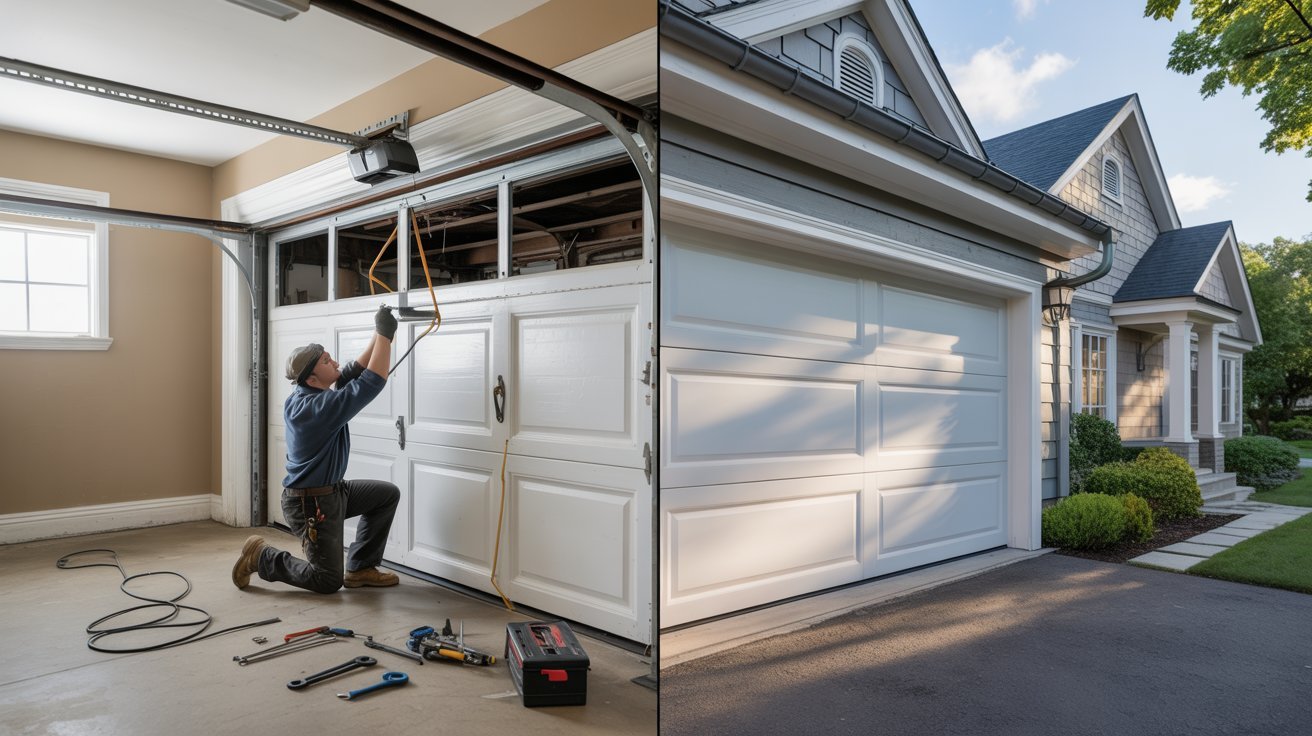
Small issues like a broken spring, worn cable, or faulty opener are worth fixing if the door is under 15 years old and in decent shape.
But if your door is past 20 years, needs repeated repairs, or has serious structural damage, replacement makes more financial sense.
A new door costs between $700 and $2,500 on average. Repairs stack up fast.
Once yearly repair bills start matching replacement costs, putting that money toward a new door is the smarter move.
Conclusion
Most garage doors last 15 to 30 years, but only if you take care of them. I always say the small stuff matters most.
Lubricate the springs, check the hardware twice a year, and fix minor issues before they grow. If your door is past 20 years and breaking down often, start planning for a replacement now.
A little attention each season goes a long way.
Need help picking the right door? Drop your questions in the comments below.
Frequently Asked Questions
How long does a garage door last on average?
Most garage doors last between 15 and 30 years. Regular maintenance and good build quality can push that closer to the 30-year mark.
What is the most durable garage door material?
Steel is the most durable option for most homeowners. It holds up well over time and needs less upkeep compared to wood or fiberglass.
How often should I service my garage door?
A basic inspection and lubrication twice a year is enough for most doors. Catching small issues early saves you from bigger repair bills later.
When should I replace my garage door springs?
Standard springs typically last 7 to 10 years or around 10,000 cycles. If your door moves slowly or makes loud noises, get the springs checked right away.
Is it better to repair or replace an old garage door?
If the door is under 15 years old and the damage is minor, a repair usually makes sense. Past 20 years with repeated breakdowns, replacing it is the smarter and more cost-effective choice.