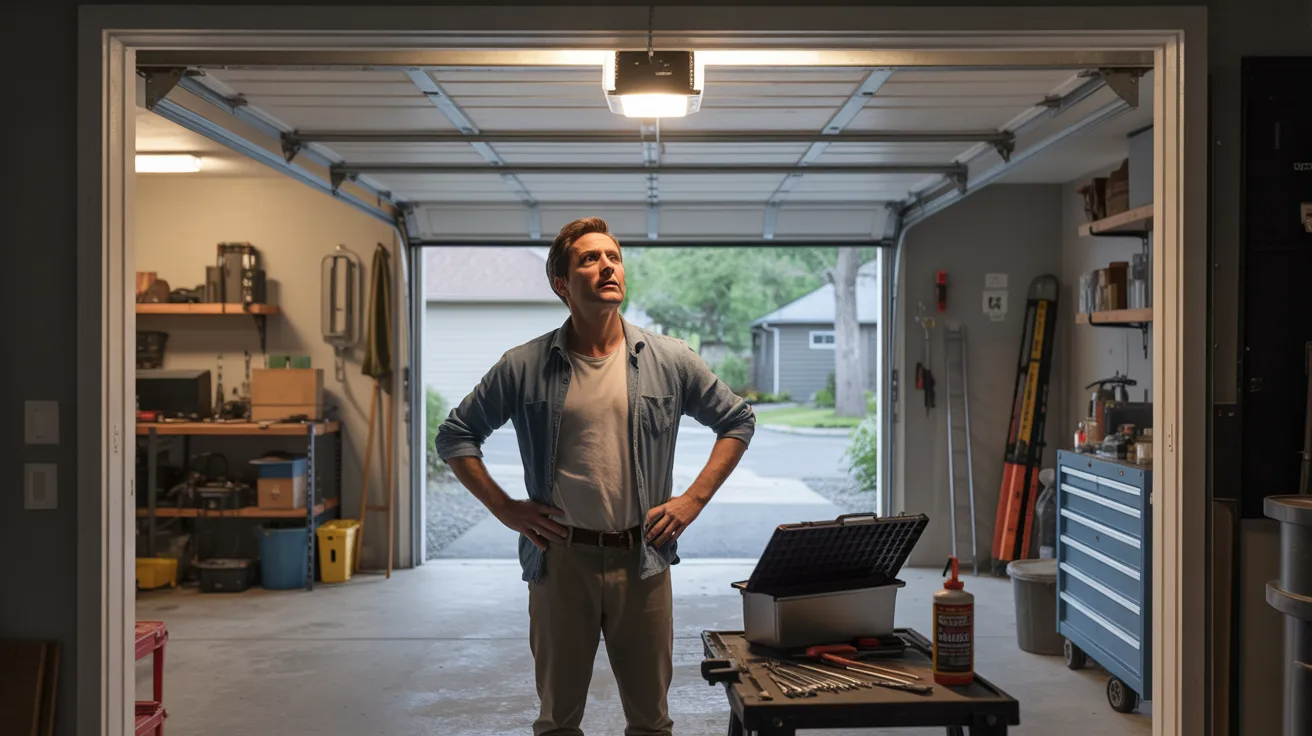

My garage door used to stop halfway, and I had no idea why.
It was frustrating. I checked the obvious stuff, but nothing worked. So I dug deeper, tested every possible fix, and finally figured it out.
In this guide, I'll walk you through every reason a garage door won't close all the way and exactly how to fix each one.
We'll cover sensor issues, travel limit settings, track problems, and more.
I've helped dozens of homeowners troubleshoot this exact issue, and the fix is almost always simpler than you'd think.
Let's get your garage door closing properly again.
Why Your Garage Door Won't Close Completely
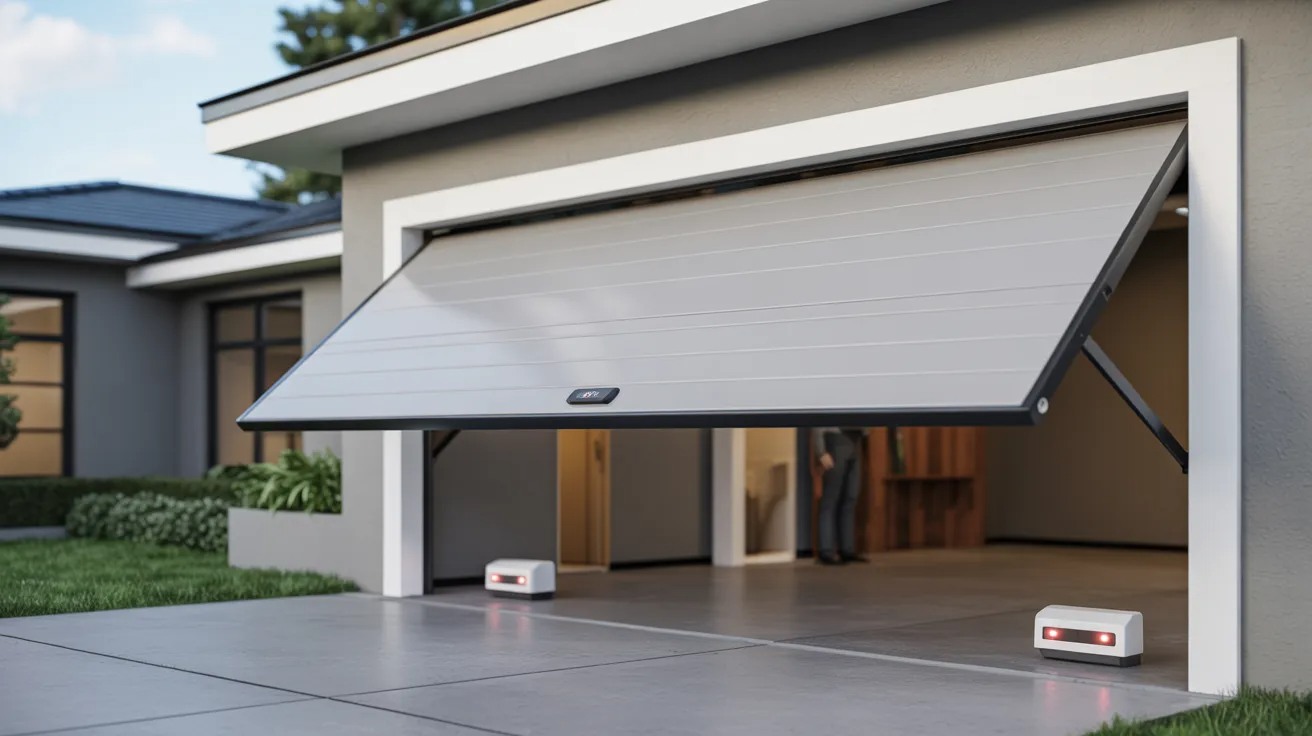
A garage door that won't close all the way is more than just annoying. It is a security risk.
I have dealt with this issue myself, and I know how frustrating it gets when the door stops halfway and just refuses to go down.
In this guide, I will walk you through exactly why this happens and how to fix it step by step.
You will learn how to check the sensors, clean the tracks, adjust the settings, and more. These are the same steps a technician would go through, and most of them you can do on your own.
I have helped many homeowners sort out this problem.
With over a decade of hands-on experience in home repair, I can tell you that most cases have a simple fix. Let's get into it.
Step-by-Step Guide to Fix a Garage Door That Won't Close
Follow these steps in order. Most garage door closing problems come down to one of these six areas.
Step 1: Check the Safety Sensors
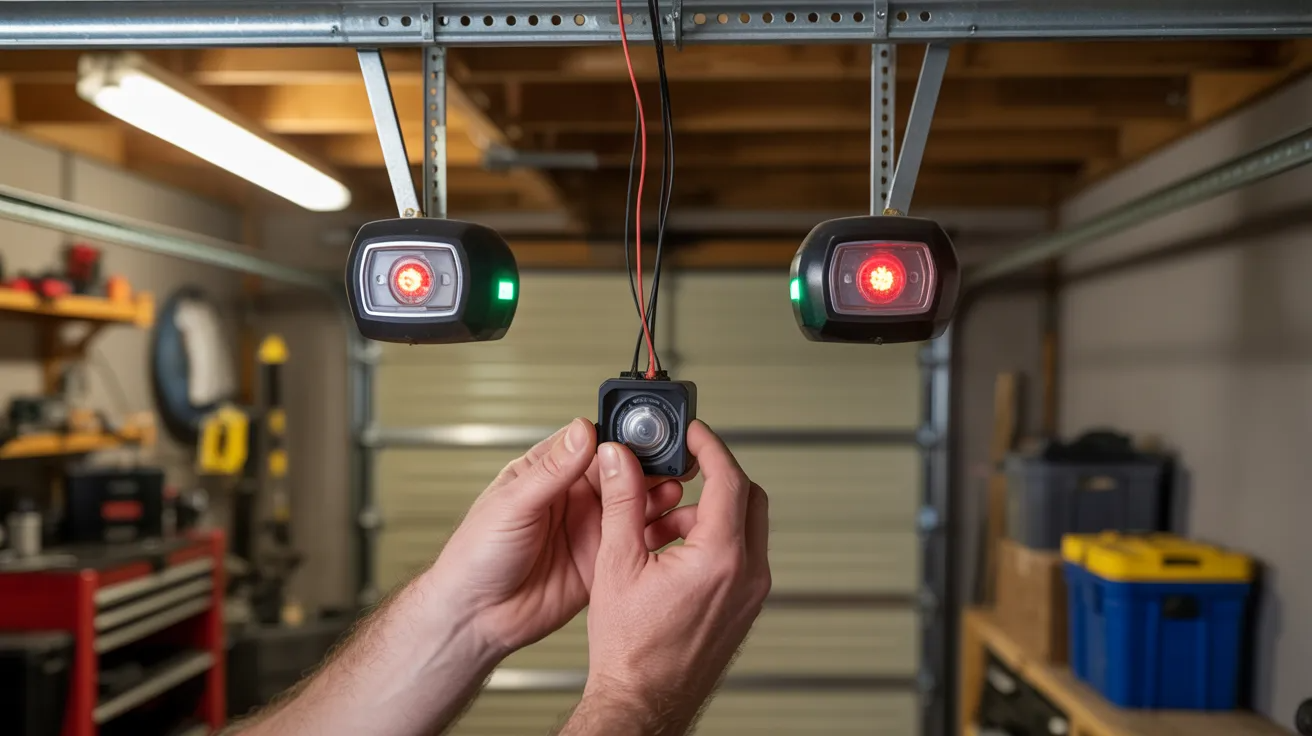
The safety sensors are the first thing to check. These small devices sit near the bottom of the door tracks on both sides.
They send an infrared beam across the door opening. If anything blocks that beam, the door will not close.
Look at both sensors. Each one should have a light. One side will show a solid green or amber light.
The other shows a solid light too when they are aligned. If any light is blinking or off, that is your problem.
Start by removing any object that might be sitting in the path of the beam. Even a small leaf or a bit of dirt can break the signal.
Then check that both sensors are pointing directly at each other. This simple check fixes the problem more often than you would expect.
Step 2: Clean and Realign the Sensors
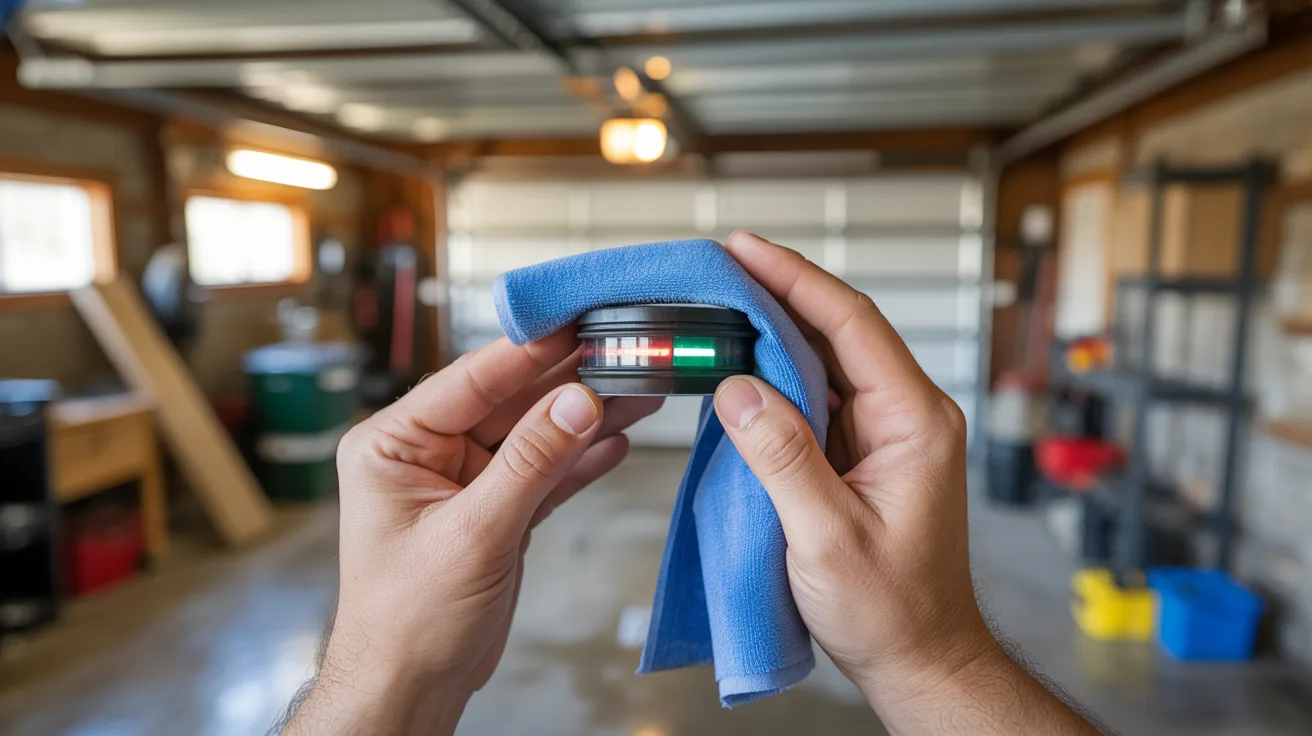
Dirty or misaligned sensors are the most common cause of a garage door that will not close all the way. Even a small amount of dust on the lens can break the beam.
Wipe the sensor lenses with a dry, clean cloth. Then loosen the wing nut or screw holding each sensor in place. Gently adjust the sensor so it points directly at the one across from it.
Tighten it back and check that both indicator lights are now solid and not blinking.
Once both lights are steady, test the door. In many cases, this step alone solves the problem.
Step 3: Inspect the Tracks for Dirt or Damage
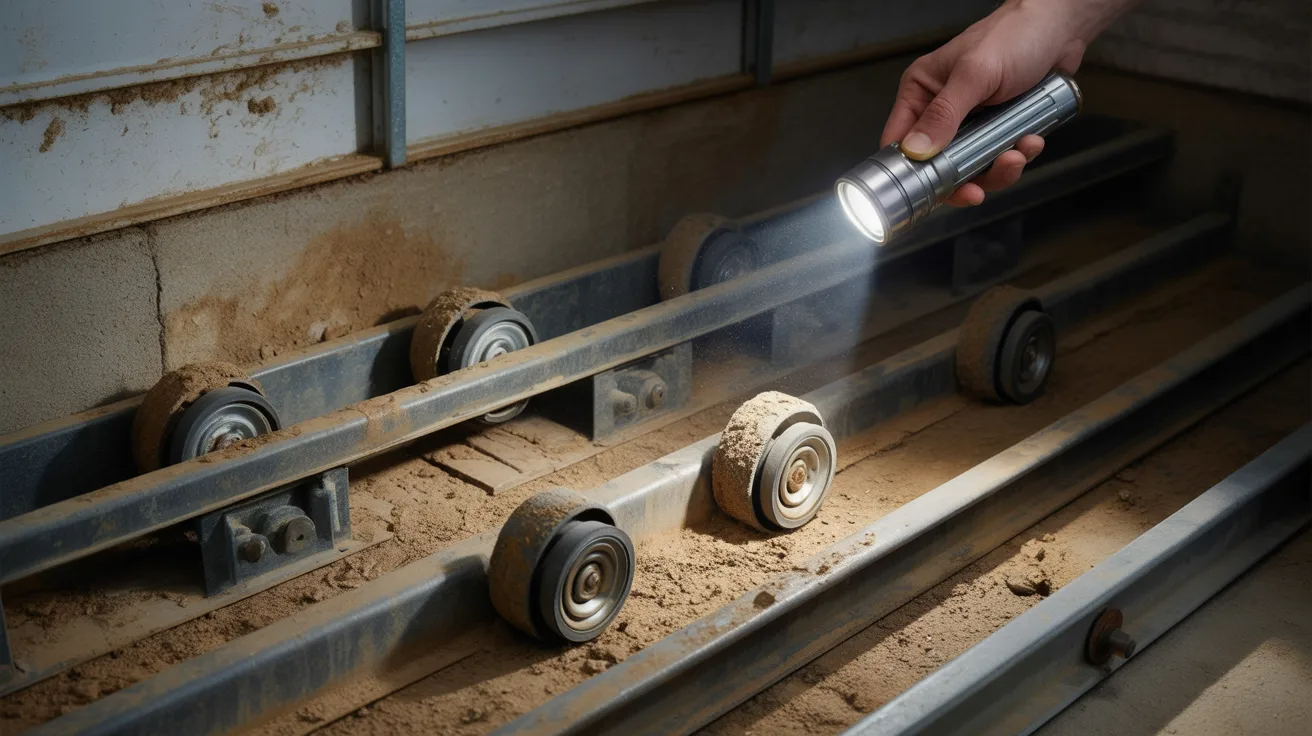
Dirty or bent tracks stop the door from moving smoothly. The rollers run inside the tracks on both sides.
If the track is clogged with grease, dirt, or debris, the door can get stuck before it fully closes.
Look for thick black grease build-up, small rocks lodged inside, dents or bends in the metal, or sections where the track is pulling away from the wall.
Clean the tracks with a dry cloth or a stiff brush. Do not use oil-based spray inside the track itself.
If you spot a dent or bend, use a rubber mallet to gently tap it back into shape. For serious track damage, that section may need to be replaced.
Step 4: Lubricate the Rollers and Hinges
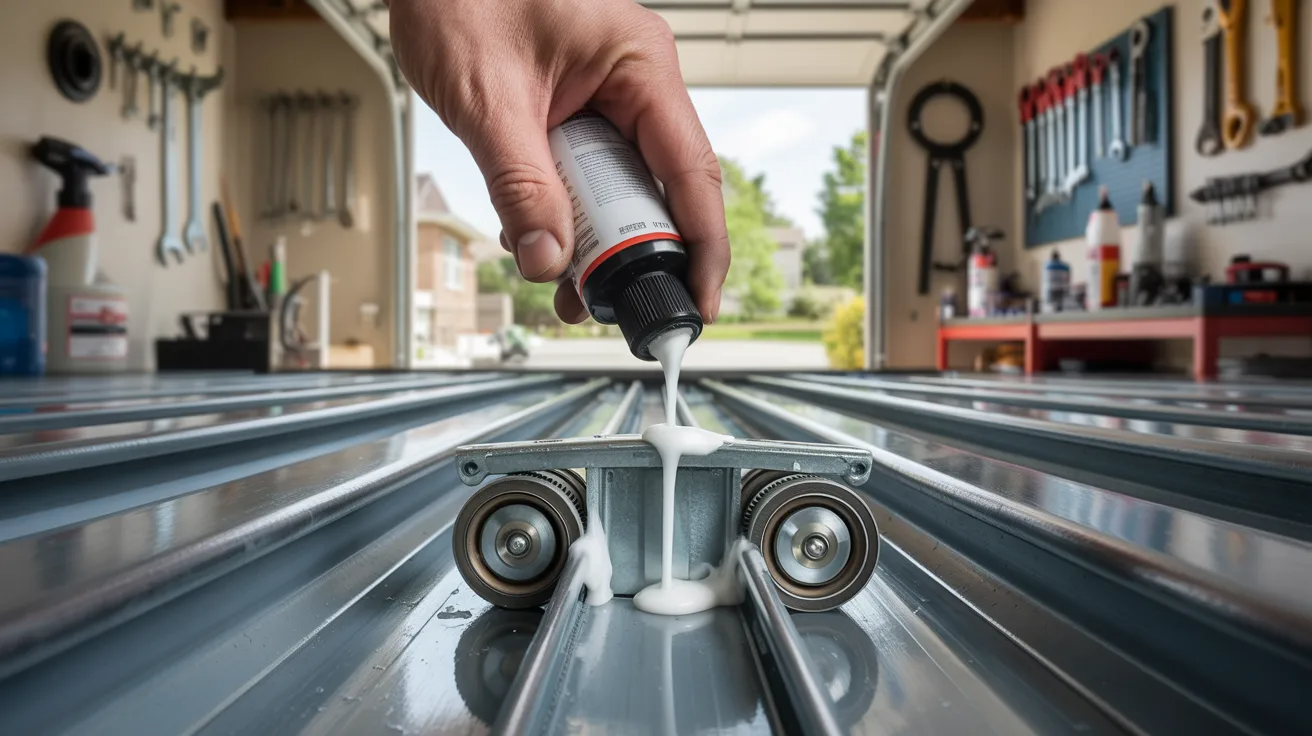
Stiff rollers and dry hinges create friction that makes the door hard to close fully.
Over time, the metal parts lose their lubrication and start to drag. Use a garage door lubricant or white lithium grease.
Apply it to each roller where it meets the shaft, all the hinges along the door panels, the torsion spring above the door, and the top rail chain or drive screw on the opener.
Do not use WD-40 as a long-term fix. It is a cleaner, not a lubricant, and it dries out quickly.
After applying, open and close the door a few times to work the lubricant in. You should notice smoother movement right away.
Step 5: Adjust the Travel and Force Settings
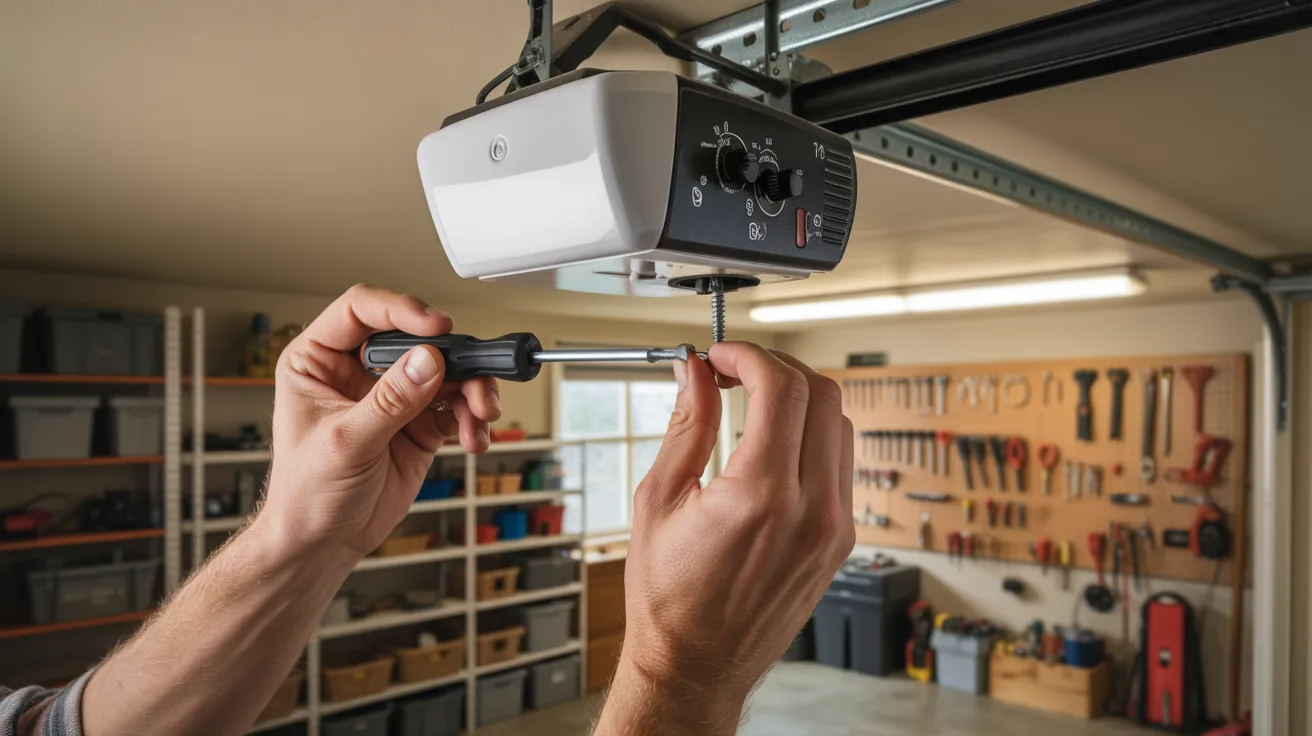
Travel and force settings tell the opener how far to move the door and how much power to use. If these are off, the door may stop short of fully closing.
Most openers have two adjustment dials or screws on the back or side of the motor unit. One controls how far the door travels down.
The other controls the force used to push it. Find the close limit dial, usually labeled with a down arrow or the letter C.
Turn it slightly in the direction shown in your manual. Test the door after each small adjustment. If the door reverses before closing, the force setting may be too low, so increase it slightly.
Always make small adjustments. One full turn at a time is enough.
Check your opener manual for exact instructions since every brand is a little different.
Step 6: Reset and Test the Garage Door Opener
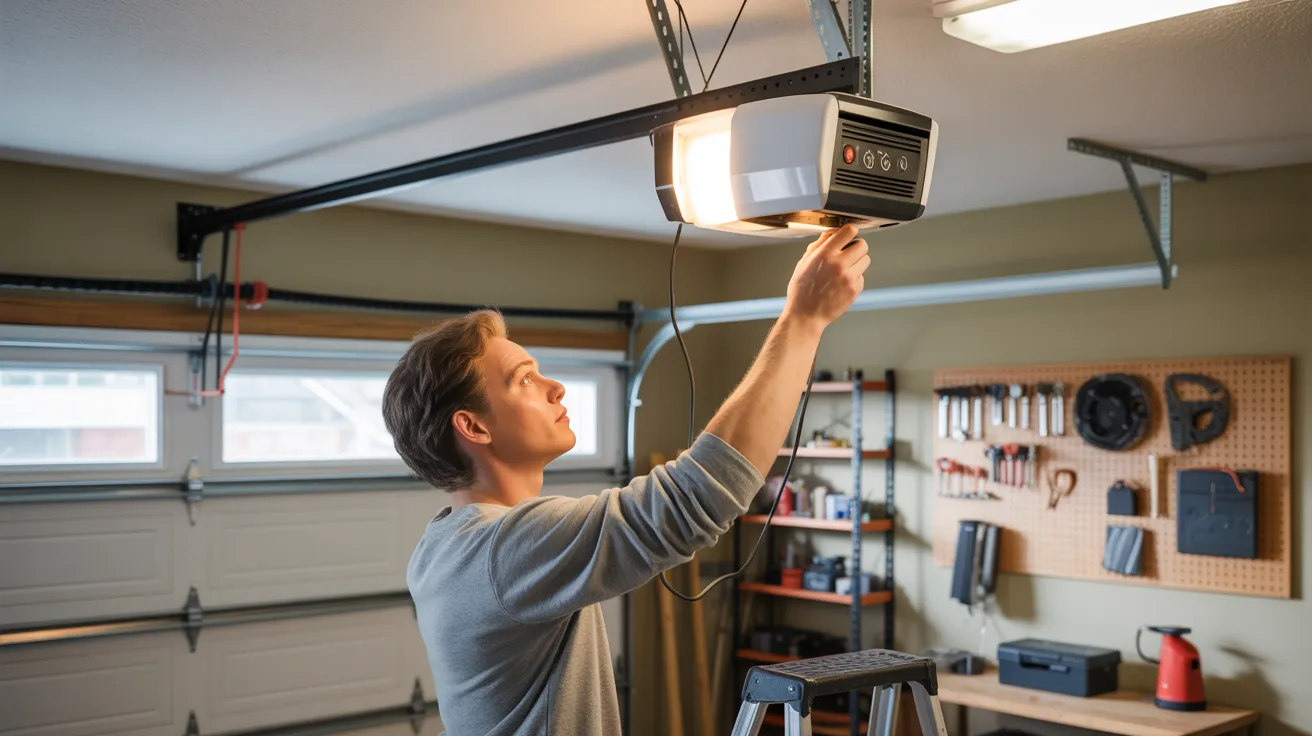
A reset clears any errors stored in the opener. Sometimes the system just needs to start fresh.
Unplug the opener from the power outlet and wait 30 seconds. Plug it back in. Then press and hold the learn button on the motor unit until the light goes out.
Re-program your remote by pressing the learn button again and then pressing the remote button once.
After resetting, test the door a few times. If it closes fully now, the issue was likely a software glitch or a corrupted command.
Common Garage Door Problems That Affect Closing
Even after following the steps above, some problems need a little more attention.
Here are the most common issues that prevent a garage door from closing all the way:
- Broken torsion spring: The spring helps lift and lower the door. A broken spring means the door lacks the balance to close fully. This is a job for a professional.
- Worn-out rollers:Old nylon or steel rollers crack and flatten. They create resistance that stops the door mid-close.
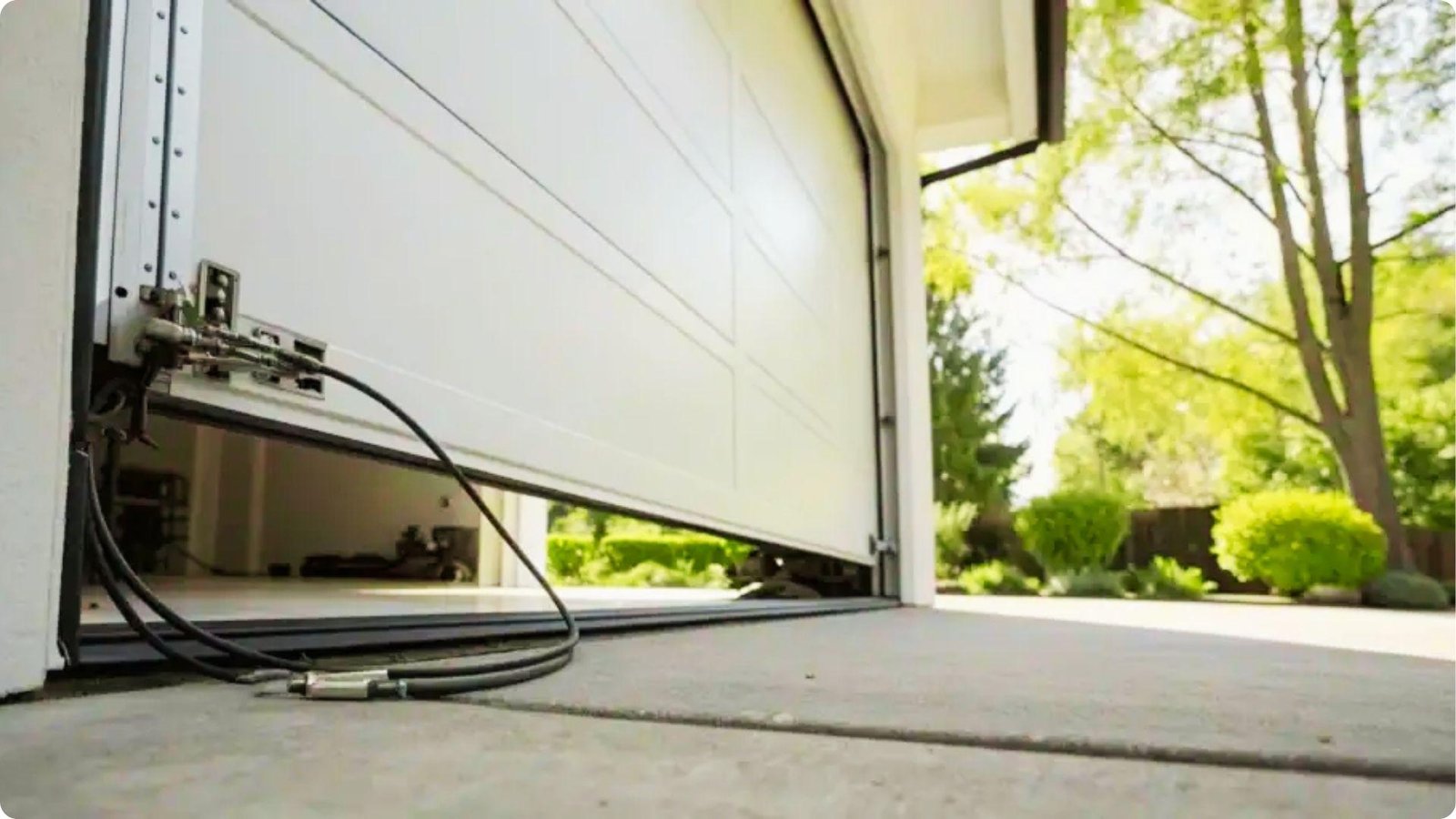
- Loose or frayed cables: The cables run along the sides of the door and connect to the spring system. If they fray or come off the drum, the door will not move correctly.
- Remote or keypad signal issues: Weak batteries, a faded signal, or interference from nearby devices can cause the door to stop short.
- Limit switch failure:The limit switch inside the opener tells the motor when to stop. If it fails, the motor may cut out too early.
Tips to Prevent Garage Door Closing Problems
A little routine care goes a long way. These habits will keep your garage door closing properly year-round.
- Lubricate all moving parts every six months
- Wipe down the sensor lenses monthly to keep them clean
- Check the tracks for debris after heavy wind or rain
- Test the auto-reverse feature every few months by placing a block of wood under the door
- Tighten any loose bolts along the track and mounting brackets twice a year
- Replace remote batteries once a year even if they seem fine
Staying on top of these small tasks means you are far less likely to face a door that won't close when you need it to.
When to Call a Garage Door Professional
Some garage door problems are not safe to fix on your own.
Call a professional if you see any of the following:
- A broken or visibly cracked torsion spring (high-tension springs can cause serious injury)
- Frayed, snapped, or tangled lift cables
- A bent or collapsed track section
- The opener motor is making grinding noises or burning smells
A garage door repair technician has the right tools and training for these jobs. The cost of a service call is worth it compared to the risk of injury.
Conclusion
If your garage door won't close all the way, you now know where to start.
I have been through this exact process in my own home, and following these steps fixed the problem in under an hour.
Start with the sensors, work through the tracks and lubrication, then adjust the settings. Most of the time, the fix is simpler than you think. Give these steps a try today.
If this guide helped you, share it with a neighbor or friend who might need it. And if you have a question or a tip to add, drop it in the comments below.
Frequently Asked Questions
Why does my garage door go down and then come back up?
The safety sensors are likely blocked or misaligned, causing the door to reverse as a safety response.
Can I manually close my garage door if the opener fails?
Yes, pull the red emergency release cord to disconnect the door from the opener, then lower it by hand.
How often should I adjust the garage door travel settings?
Only adjust them when the door stops short or overshoots; otherwise, leave them as set.
What is the correct lubricant for garage door parts?
Use white lithium grease or a dedicated garage door lubricant; avoid WD-40 for long-term use.
How do I know if my garage door spring is broken?
A broken spring usually makes a loud bang, and the door will feel very heavy or will not open at all.