
A stiff sliding door is frustrating. You pull, push, and yank and it barely moves. I've been there. Whether it's a patio door or a closet slider, a hard-to-move door gets annoying fast.
The good news? Most sliding door problems are easy to fix at home.
In this blog, I'll walk you through the exact steps to make your sliding door glide again.
You don't need to call a repair person. With the right tools and a bit of time, you can handle this yourself.
I've helped many homeowners fix this exact issue, and these methods work.
Why Sliding Doors Become Hard to Slide
Sliding doors don't just stop working for no reason. There's always a cause. Once you know the reason, fixing it becomes much easier.
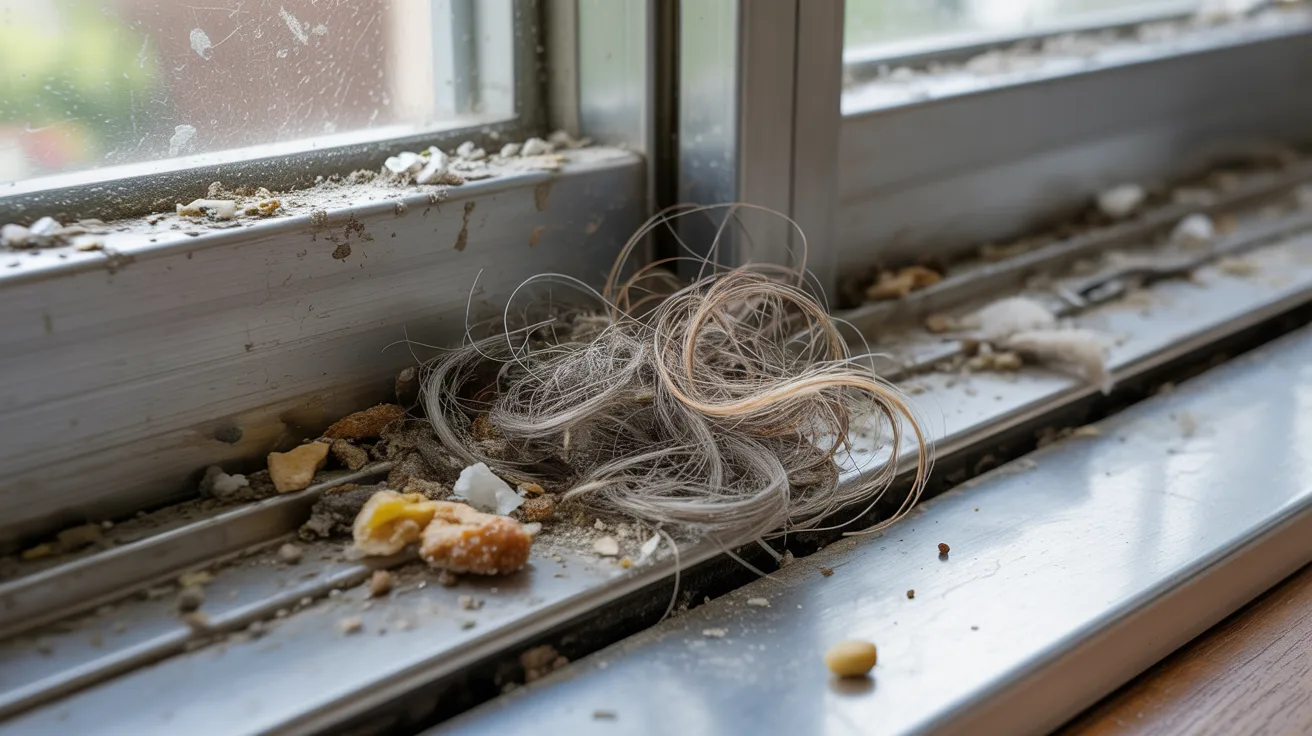
The most common reason is dirt and debris in the track. Dust, pet hair, food crumbs, and grime build up over time. This blocks the rollers from moving freely. Even a thin layer of dirt creates resistance.
Another reason is worn or damaged rollers. Rollers are small wheels that sit at the bottom of the door. They wear out with regular use. When they do, the door drags along the track instead of gliding.
Lack of lubrication is also a big factor. Tracks dry out over time. Without lubrication, the rollers grind against the metal or wood surface.
This creates friction and makes the door hard to pull.In some cases, the track itself is bent or warped.
This often happens due to heavy use, impact, or age. A damaged track can't guide the door properly.Finally, the door may simply be out of alignment.
Rollers can be adjusted up or down. If they're set too low, the door sits too deep in the track. This makes it tough to slide.
Tools You Need for a DIY Fix
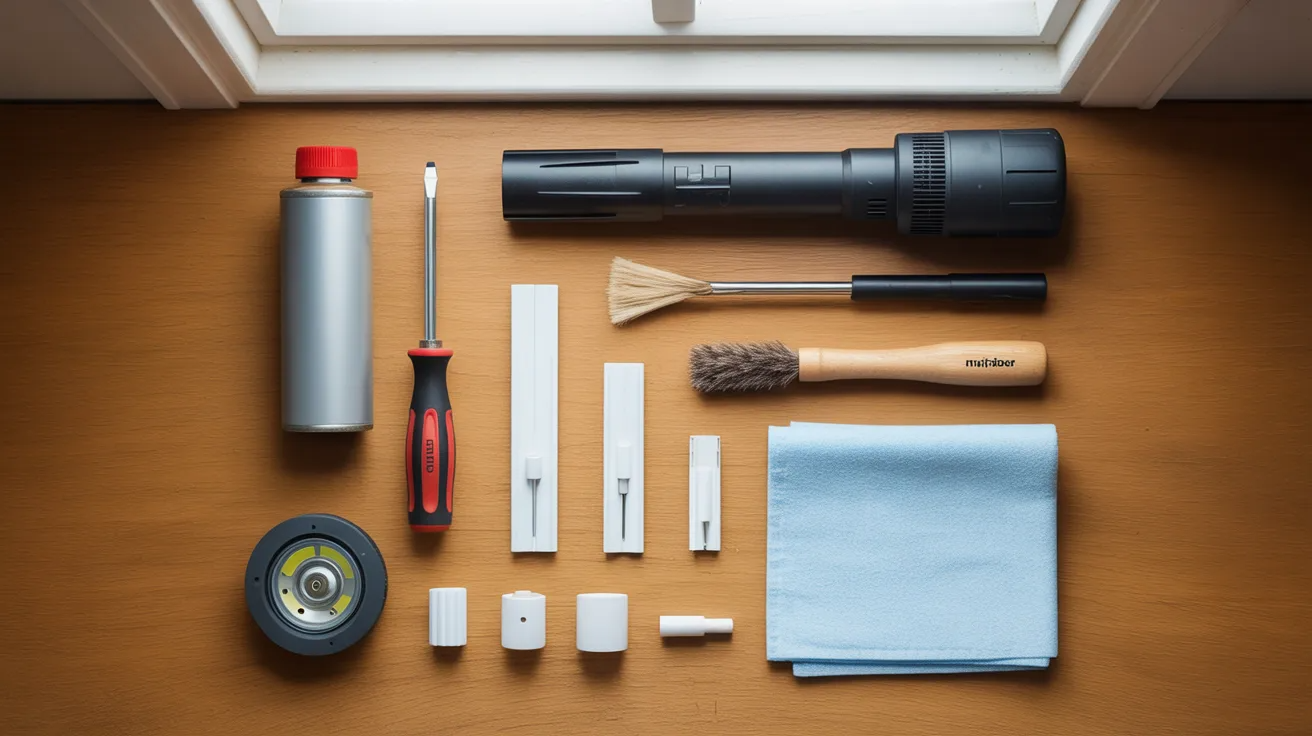
Before you start, gather everything you'll need. Having the right tools saves time and frustration.
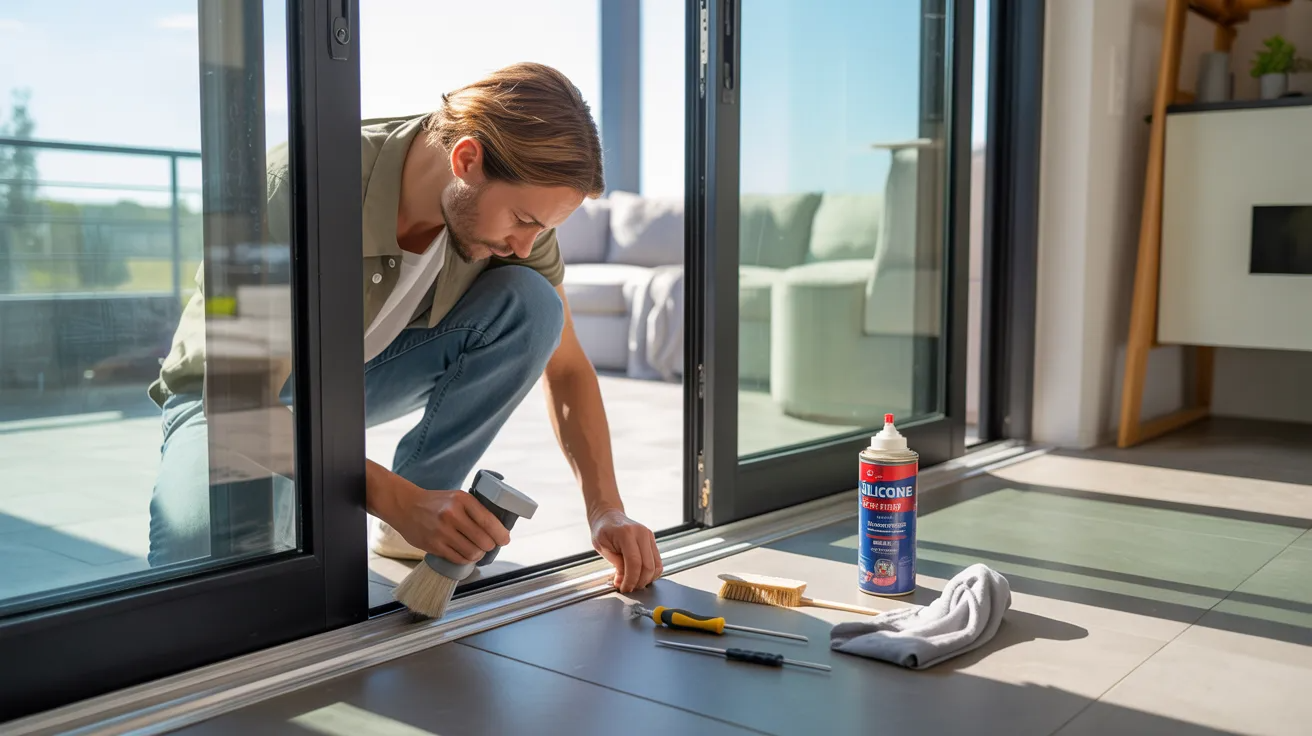
- A flathead and Phillips screwdriver
- A stiff-bristle brush or old toothbrush
- A vacuum cleaner with a narrow attachment
- Silicone spray lubricant (avoid WD-40 for tracks)
- Damp cloth or sponge
- Replacement rollers (if needed)
- A flashlight to inspect the track clearly
You likely already have most of these at home. Silicone spray is the one item you may need to buy. It's available at most hardware stores for a few dollars.
Avoid oil-based lubricants, they attract dust and make the problem worse over time.
Step-by-Step DIY Fixes
Follow these simple steps to make your sliding door glide smoothly again.
Step 1: Clean the Sliding Door Track
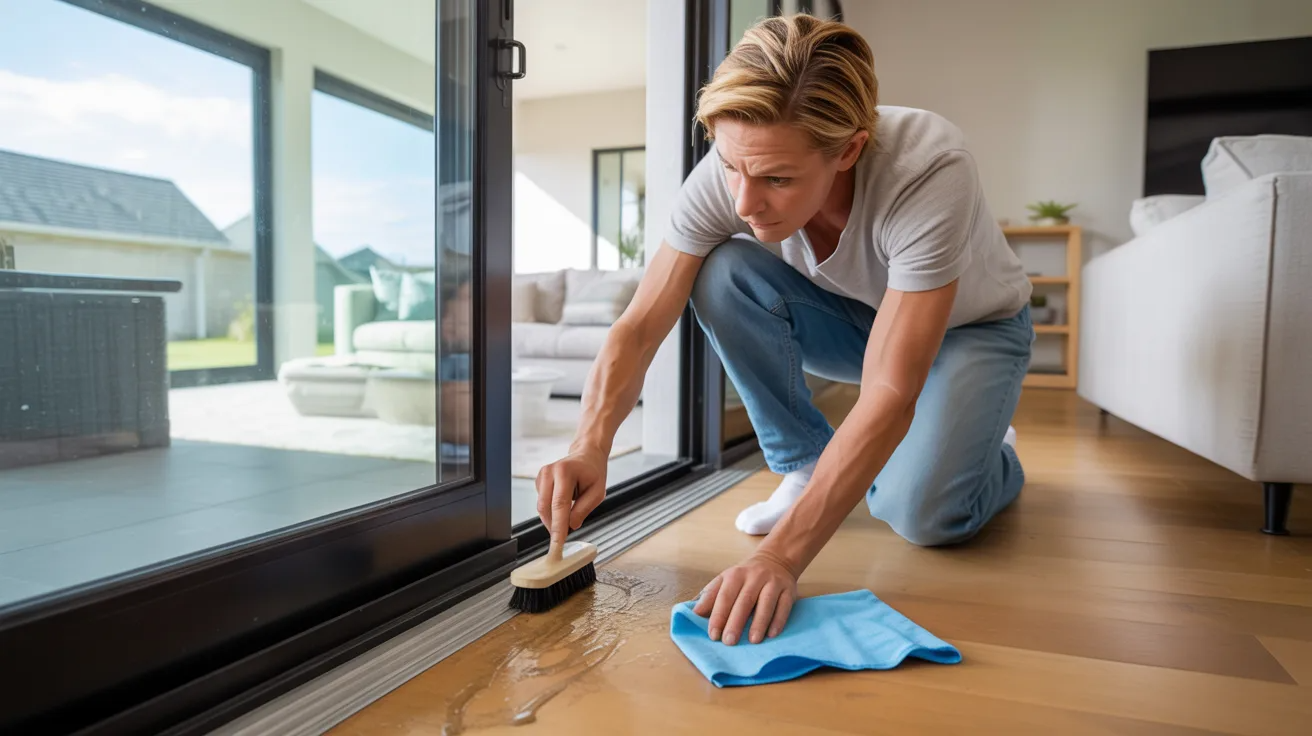
Start here. A dirty track is the number one reason sliding doors become stiff. This step alone can solve the problem in many cases.
First, vacuum the track. Use the narrow attachment to suck out loose debris. Then use a stiff brush to loosen stuck-on dirt. Work in small sections.
Go over the entire length of the track on both the top and bottom rails.
After brushing, wipe down the track with a damp cloth. For stubborn grime, mix a little dish soap with water.
Scrub the track and wipe it clean. Let it dry fully before moving on.
Check the corners and edges too.Dirt tends to pile up there. A clean track makes a noticeable difference right away.
Step 2: Lubricate the Track and Rollers
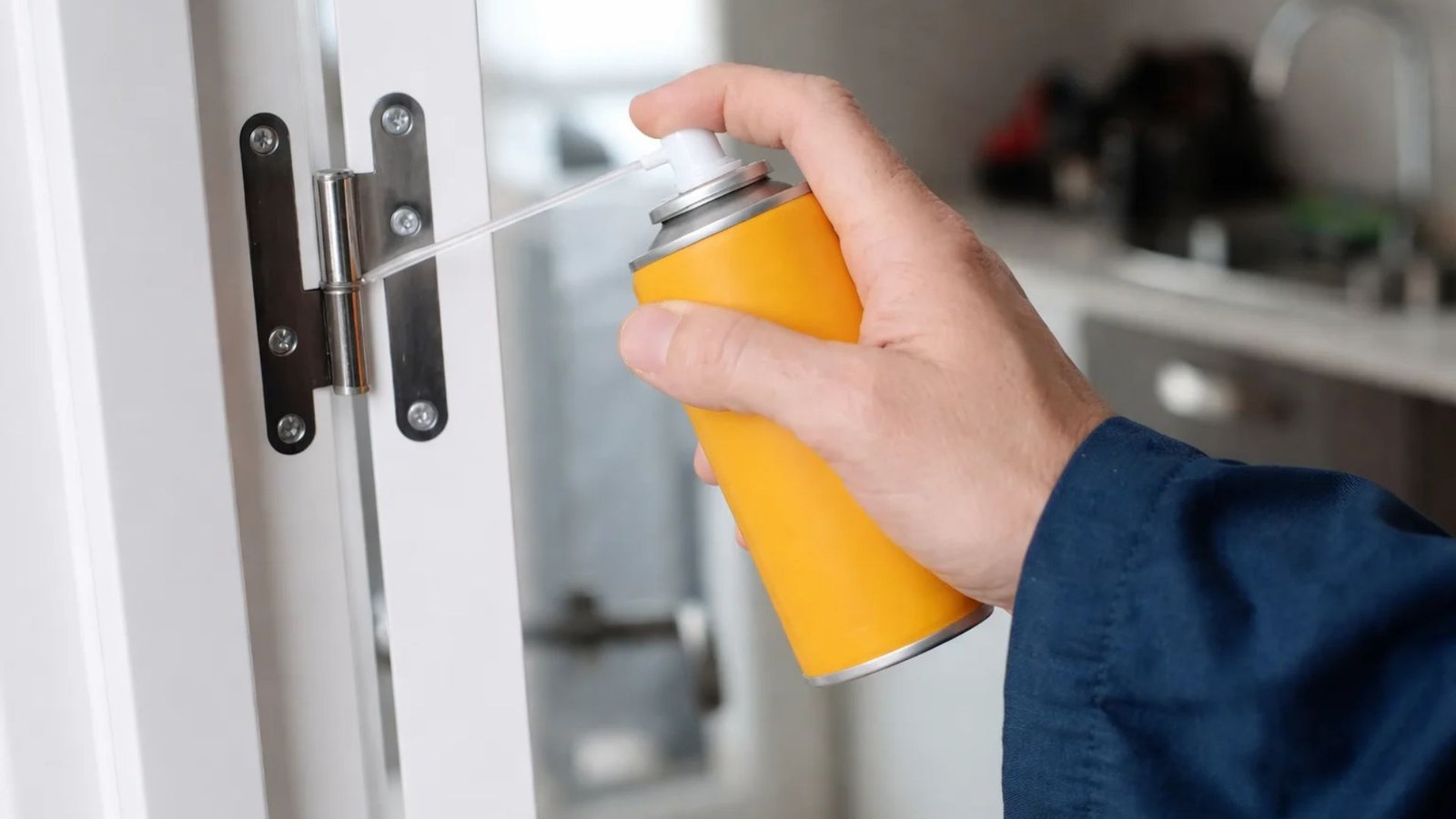
Once the track is clean, it's time to lubricate. Use a silicone-based spray lubricant. It won't attract dust like oil-based products do.
Spray the lubricant along the full length of the track. Apply a small amount to the rollers as well. Then slide the door back and forth a few times.
This spreads the lubricant evenly and helps it work into the rollers.
Don't over-apply. A thin, even coat is all you need. Wipe away any excess with a dry cloth. Reapply every few months to keep the door sliding smoothly.
Step 3: Adjust the Door Rollers
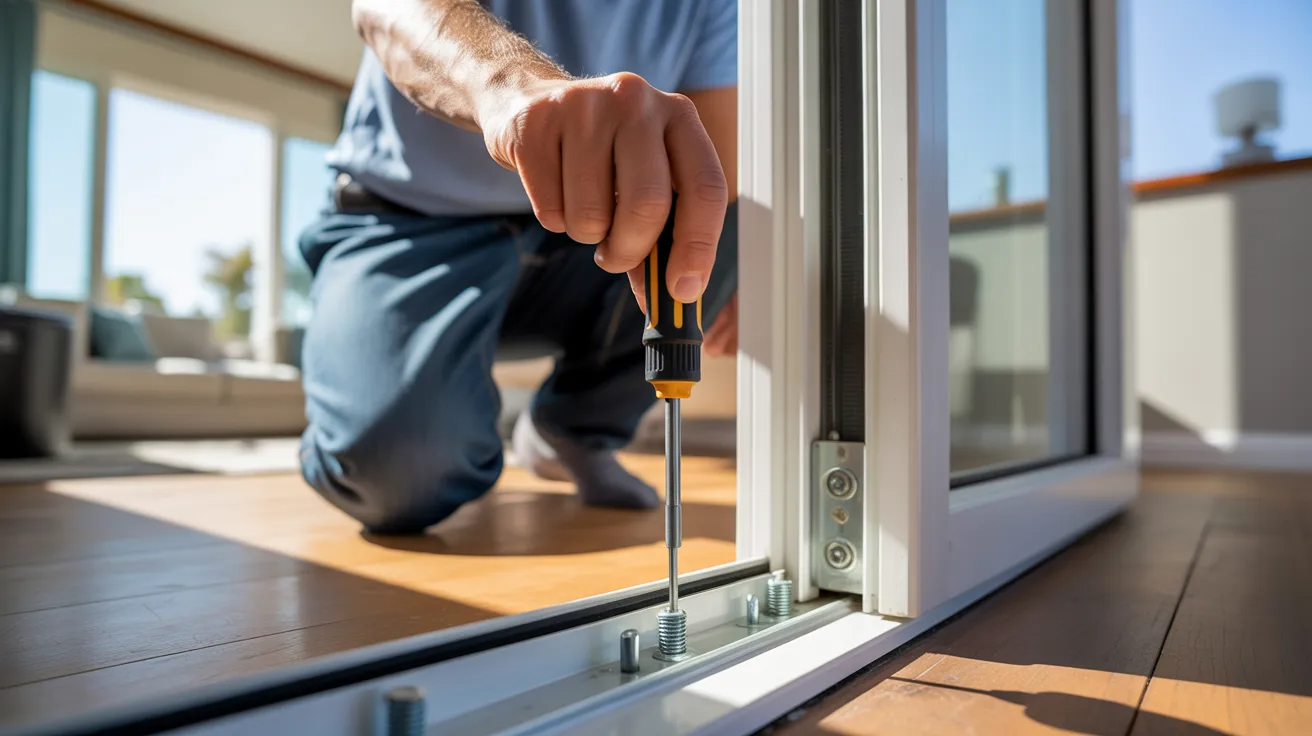
If cleaning and lubrication don't fully fix the problem, check the roller height. Most sliding doors have an adjustment screw at the bottom of the door panel on each side.
Use a screwdriver to turn the adjustment screw. Turning it clockwise usually raises the door. Counterclockwise lowers it.
You want the door to sit level in the track and clear the floor slightly.
Make small adjustments. After each turn, test the door. A few millimeters can make a big difference.
Both sides should be adjusted evenly to keep the door balanced.
Step 4: Check for Track Damage
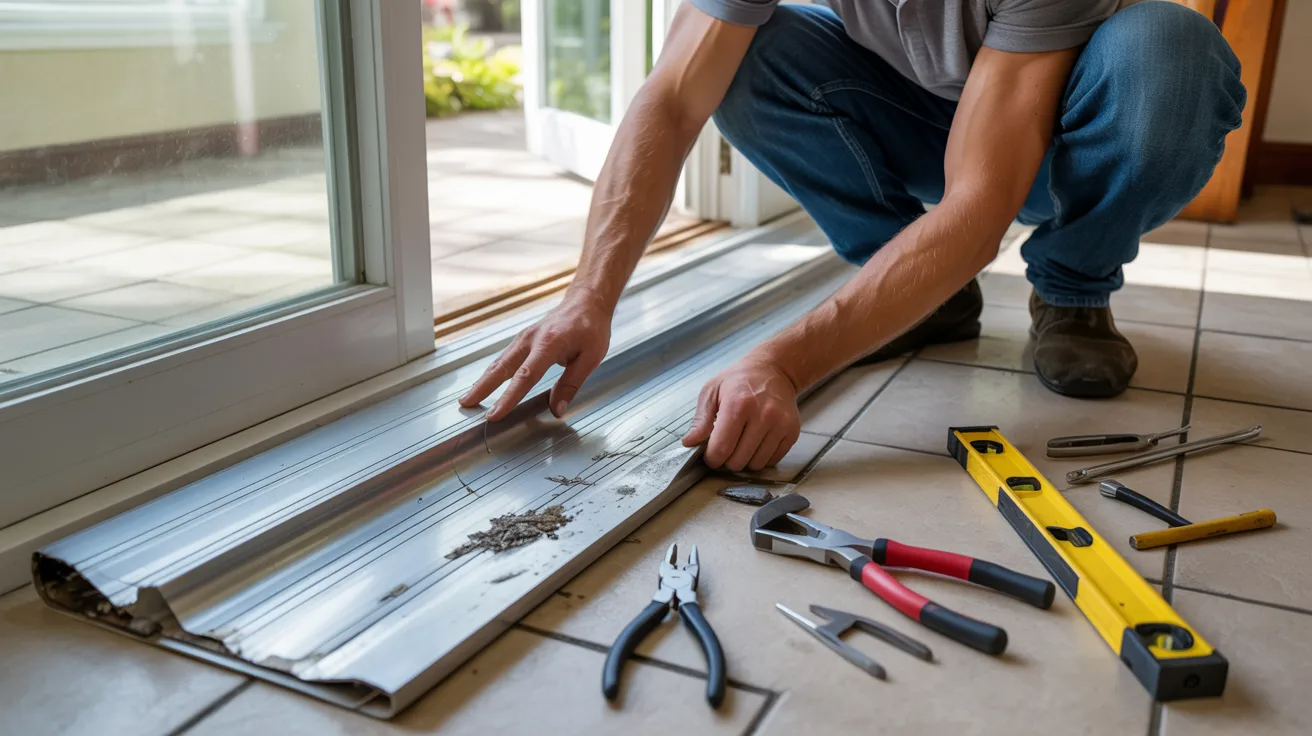
Inspect the track closely after cleaning. Look for bends, dents, or cracks. Run your finger along the inside of the track to feel for rough spots or raised areas.
If the track has a slight bend, you may be able to press it back into shape using pliers.
Cover the pliers with tape first to avoid scratching the metal. Work slowly and gently.
If the damage is severe, the track may need to be replaced. This is a more involved fix, but still a DIY-friendly job for most homeowners.
Mistakes to Avoid When Fixing Sliding Doors
Avoid these common errors so your fix actually lasts.
- Using WD-40 as a lubricant : It attracts dirt and causes buildup over time
- Skipping the cleaning step : Lubricating a dirty track doesn't help much
- Over-tightening the roller screws : This can crack the door frame
- Ignoring both sides of the door: Always adjust both rollers, not just one
- Using metal tools directly on the track:This can cause scratches and new damage
Easy Maintenance Tips
A little regular care keeps your sliding door working well for years.
- Clean the track every 2-3 months to prevent buildup
- Apply silicone spray twice a year as routine maintenance
- Keep the area around the door free of rugs and debris
- Inspect rollers once a year for signs of wear
- Check the track alignment after any heavy impact to the door
- Teach household members to slide gently instead of forcing the door
When to Replace or Repair the Door
Most sliding door issues are fixable with the steps above. But sometimes, the damage is beyond a simple DIY fix.
Consider replacing the rollers if they are cracked, flat, or no longer spinning. New rollers are inexpensive and easy to install.
Consider replacing the track if it's severely bent, corroded, or broken. A damaged track can't be fully repaired.
If the door panel itself is warped or the frame is cracked, a full door replacement may be the best option. A local hardware store can help you find the right size and type.
Conclusion
Fixing a sliding door doesn't have to be a big project. I've seen simple cleaning and lubrication bring a door back to life in under 30 minutes.
Start with the basics: clean the track, add silicone spray, and check the rollers. Most of the time, that's all it takes.
If you found this helpful, drop a comment below and let me know how it went.
Share this post with someone dealing with the same problem. You might just save them a repair bill.
Frequently Asked Questions
What is the best lubricant for a sliding door track?
Silicone spray is the best option because it stays clean and doesn't attract dust like oil-based products do.
How often should I clean my sliding door track?
Clean the track every 2 to 3 months to prevent dirt buildup and keep the door sliding smoothly.
Can I fix a sliding door without removing it?
Yes, in most cases you can clean, lubricate, and adjust the rollers without taking the door off the track.
Why does my sliding door jump off the track?
This usually happens due to worn rollers, a bent track, or improper roller height adjustment on one or both sides.
How do I know if my sliding door rollers need replacing?
If the door still drags after cleaning and lubrication, or if the rollers look cracked or flat, it's time to replace them.