
Replacing an exterior door is one of those home projects that sneaks up on you. Maybe your door is drafty, damaged, or just outdated.
Whatever the reason, the cost to replace the exterior door is the first thing you need to figure out before calling anyone.
I've seen homeowners overpay simply because they didn't know what to expect. This guide breaks that down clearly.
You'll find what drives the cost, material and labor breakdowns, hidden fees most people miss, and smart ways to save money.
Backed by real project data and contractor insights, this guide gives you a clear picture before you spend a dime.
How Exterior Door Replacement Costs Are Structured
Total cost isn't just the door price. It includes materials, labor, and often a few surprises. Most people think replacing a door is simple.
Buy a door, hang it, done. But the real cost has several layers. It covers door material cost, labor and installation fees, frame repairs if needed, and hardware, sealing, and finishing.
No single fixed price exists because every home is different. A basic steel door swap on a clean frame costs far less than a custom wood door with a damaged frame needing full replacement.
What Affects the Cost to Replace Exterior Door?
Several factors push the price up or down. Knowing them helps you plan a smarter budget.
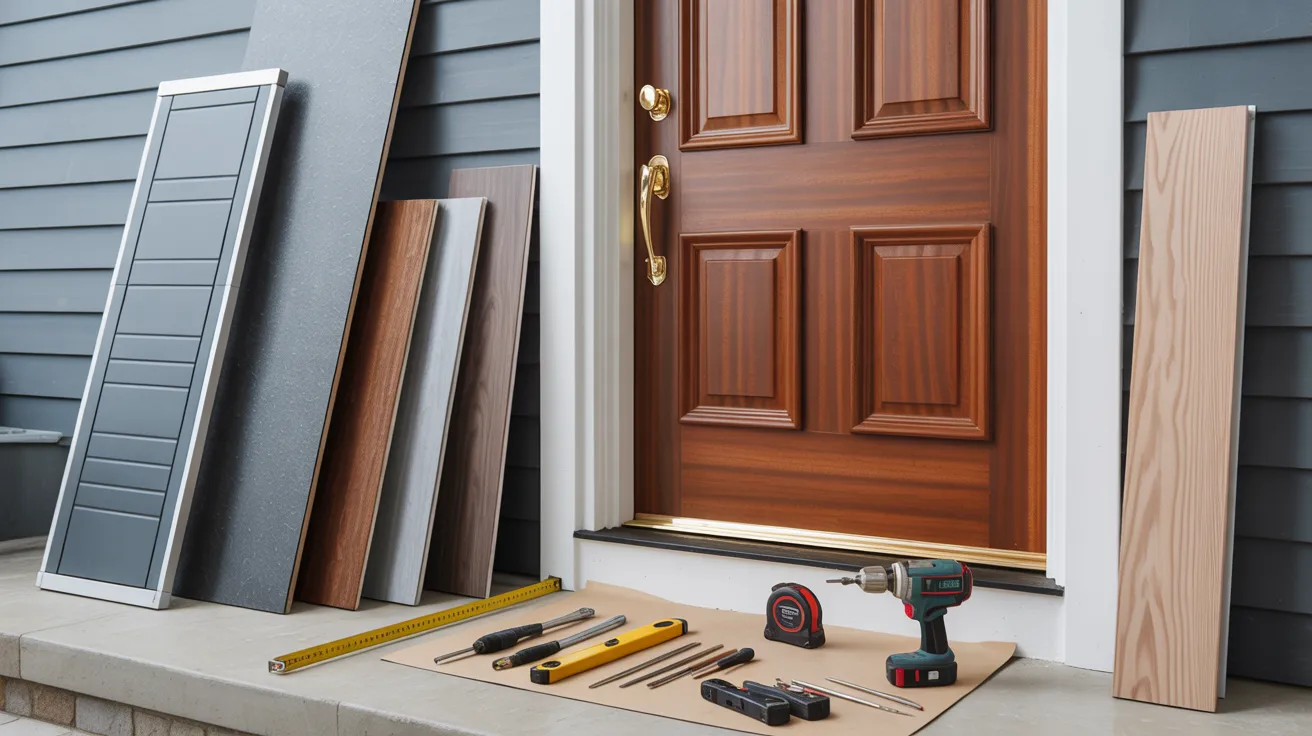
Door Material Selection
The material you choose shapes most of your budget.
- Steel: is the most budget-friendly pick. It's strong, low-maintenance, and holds up well in most climates.
- Fiberglass: sits in the mid-range. It resists dents, insulates better, and works well in areas with harsh weather.
- Wood: costs more upfront and needs regular upkeep. But it looks great and adds real curb appeal.
- Wrought iron: is the premium option. It's heavy, secure, and built for high-end homes.
Door Size and Customization
Standard doors are always cheaper. The moment you go oversized or request custom shapes, costs climb fast.
Architectural homes with arched openings or non-standard widths often need custom orders, which add both time and money.
Frame Condition and Structural Repairs
If your frame is solid, a simple door swap is possible. But if there's rot, warping, or misalignment, the frame needs work first.
Full frame replacement adds $200 to $600 or more to the total bill.
Labor and Installation Complexity
Basic installs on prepped openings are straightforward. But if a contractor needs to resize the rough opening, adjust the threshold, or deal with structural issues, labor costs go up.
Average Cost to Replace Exterior Door by Material
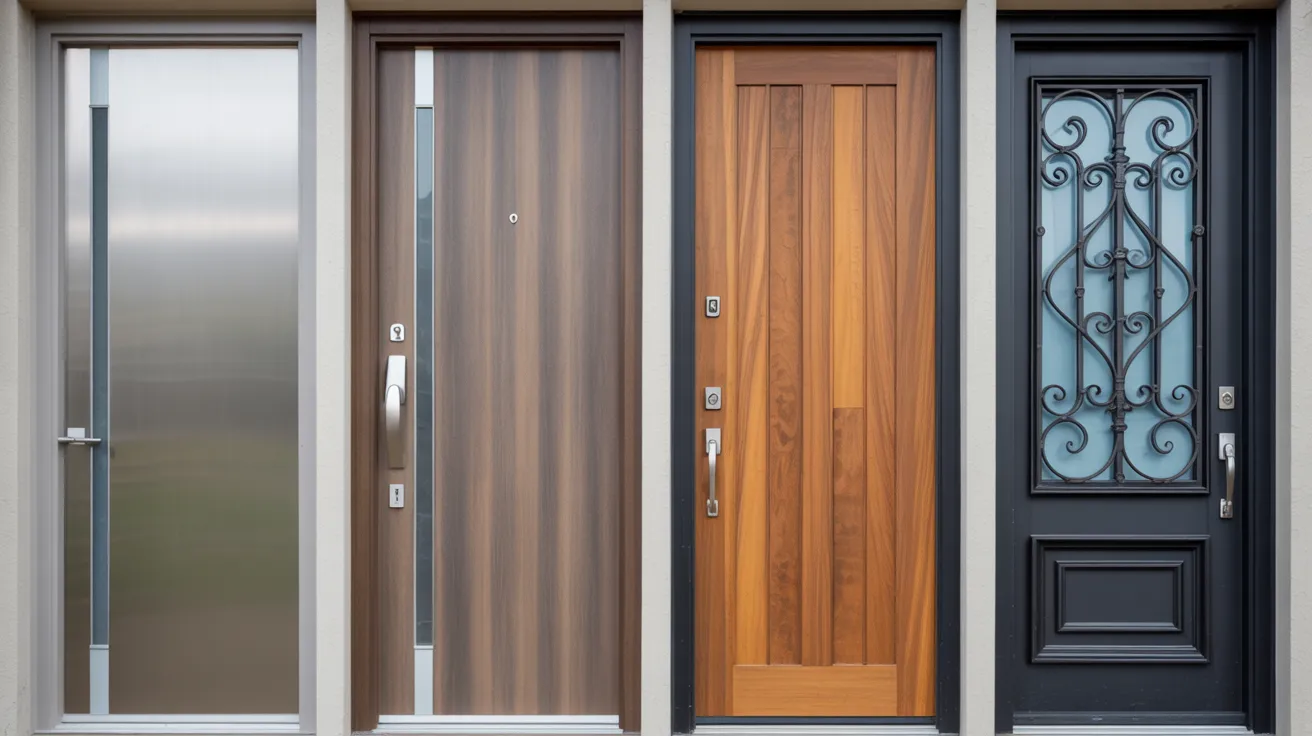
Here's a quick breakdown of typical price ranges based on door type.
Steel Door Cost Range
Steel doors are the most budget-friendly option available. They generally run between $150 and $600 for the door itself, making them a practical first choice.
With installation, total costs land around $500 to $1,200 depending on labor and frame condition.
Good for: Budget-conscious homeowners who want security without spending a lot.
Fiberglass Door Cost Range
Fiberglass doors sit comfortably in the mid-range and offer strong insulation benefits. Prices range from $200 to $1,500 depending on style and insulation rating.
With installation factored in, expect to spend $800 to $2,500 in total.
Good for: Energy efficiency and low maintenance in changing climates.
Wood Door Cost Range
Wood doors bring a high-end look but come with a higher price tag. They start around $500 and can go well past $3,000 for solid hardwood options.
Total installed cost often reaches $1,500 to $5,000+ once labor and finishing are included.
Good for: Homeowners who want a high-end look and don't mind upkeep.
Wrought Iron Door Cost Range
Wrought iron doors are the premium choice for security and visual impact. Prices start at $1,500 and can easily exceed $6,000 once installation is included.
Custom designs and decorative details push costs even higher.
Good for: Luxury homes where security and visual impact both matter.
Installation and Labor Costs Breakdown
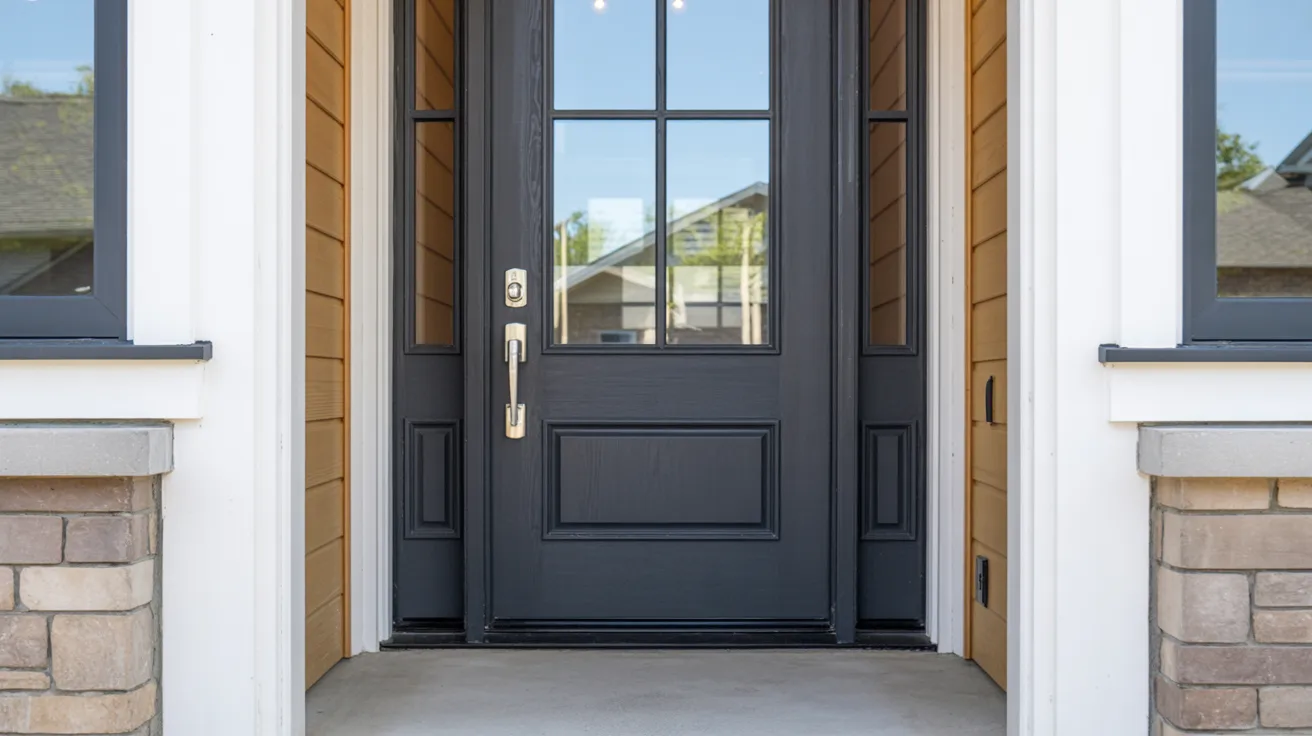
Labor makes up a big chunk of your total. Here's what goes into it.
Standard Installation Work
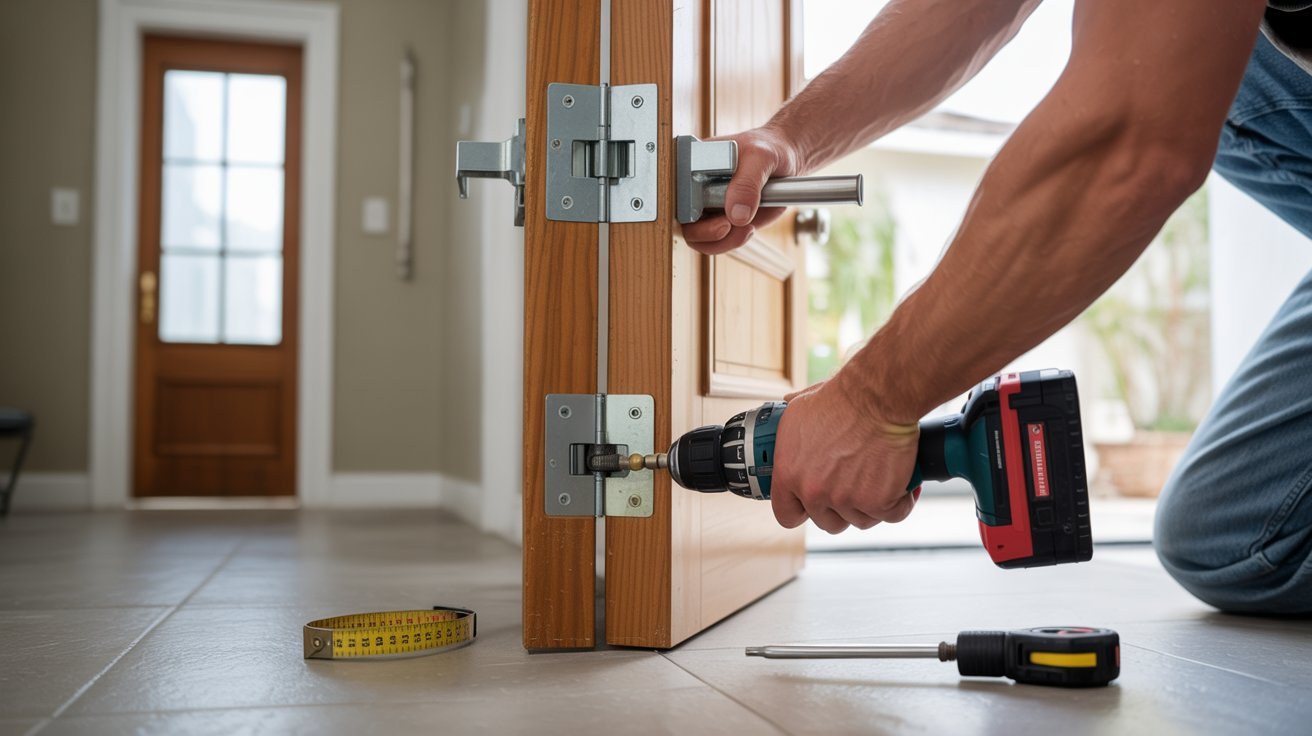
A basic door installation includes
- Removing the old door
- Installing the pre-hung unit
- Sealing gaps and adding insulation
- Checking alignment and hardware fit
This typically costs $150 to $400 in labor alone.
Complex Installation Situations
Costs rise when the job involves
- Frame repair or full replacement
- Weatherproofing upgrades
- Resizing the rough opening
Complex installs can push labor costs to $500 to $1,000 or higher.
Hidden Costs That Impact Total Budget
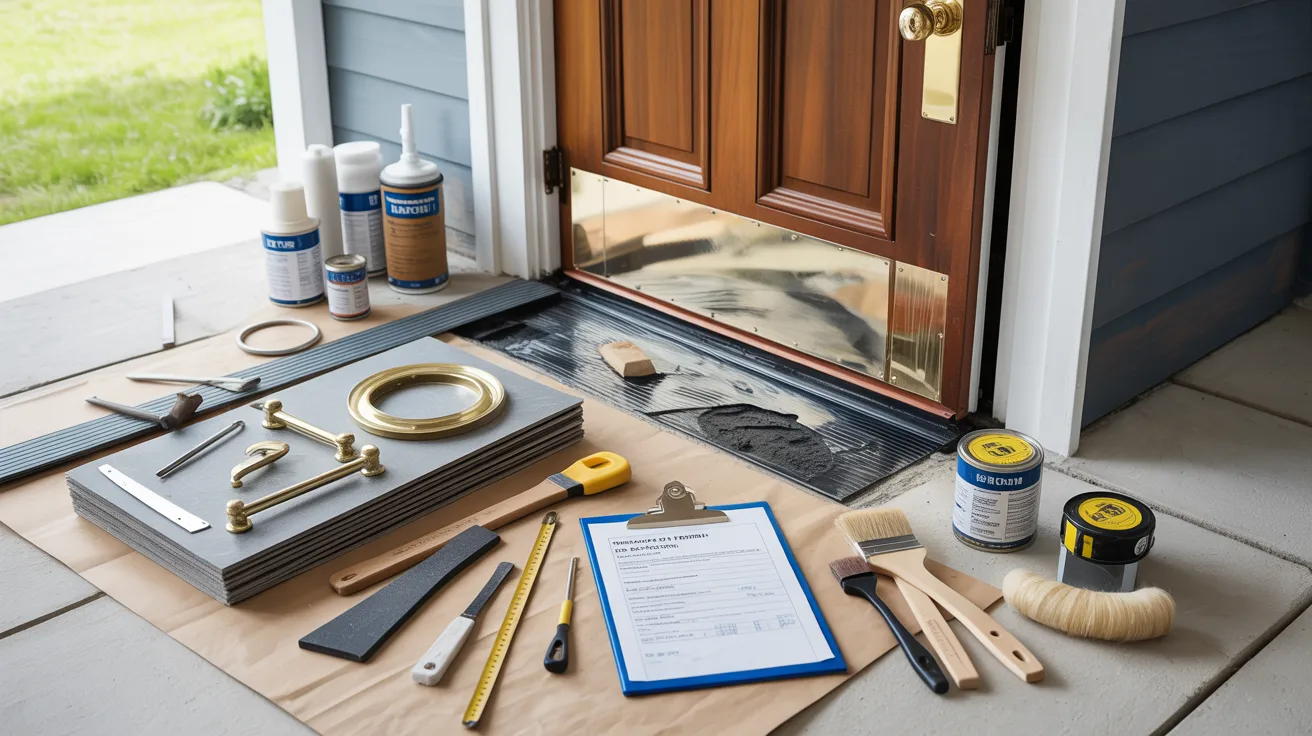
These are the costs most people forget until the invoice arrives.
Frame Repairs and Replacement
Rotted or damaged frames must be fixed before installing a new door, or bigger problems follow. Expect to add $200 to $600 for frame work, sometimes more for severe damage.
Hardware and Lock Upgrades
Most doors don't come with hardware included, so factor this in early. New locks, handles, and deadbolts run $50 to $300 depending on brand and security level.
Weatherstripping and Threshold Work
Worn weatherstripping lets in cold air and moisture, making your home less comfortable. Replacing it costs $20 to $100 and helps lower energy bills over time.
Permit Fees and Disposal Charges
Some cities require permits for door replacements, adding $50 to $150 to your total project cost. Hauling away the old door may come with a disposal fee too.
Painting, Staining, and Finishing
A raw wood door needs finishing before or right after installation to protect it from moisture and wear. Budget $50 to $300 for painting, staining, or touch-up work.
Tips to Reduce Exterior Door Replacement Costs
Small decisions upfront can save you hundreds. Here's what actually works.
- Choose standard door sizes like 32-inch or 36-inch widths. Custom sizes cost more to buy and install, so stick with standard dimensions when possible.
- Use pre-hung doors since they come with the frame already attached. This makes installation faster and brings labor costs down.
- Compare at least three quotes before hiring anyone. Contractor prices vary more than most people expect, and multiple bids almost always save money.
- Buy during off-season or sales. Late fall and winter often bring door sales and installation discounts from contractors with lighter schedules.
- Check for energy-efficiency rebates. Some fiberglass and steel doors qualify for local or federal rebates. Ask your contractor or visit the ENERGY STAR website to find out.
Conclusion
Replacing an exterior door doesn't have to feel overwhelming. Once you know the real cost to replace exterior doors, from materials to labor to hidden fees, you can plan with confidence.
Personally, I always tell homeowners to get at least three quotes and never skip the frame inspection. Those two steps alone can save you from overpaying.
Now it's your turn. Have a project coming up? Drop a comment below with your door type and budget. I'd love to help you think it through. And if this guide helped, share it with someone who needs it.
Frequently Asked Questions
How much does it cost to replace a standard exterior door?
A standard exterior door replacement costs between $500 and $2,500 fully installed. The final price depends on the material chosen and the condition of the existing frame.
Can I replace an exterior door without replacing the frame?
Yes, if the frame is in good condition, a simple door swap is possible. A contractor will inspect the frame first to confirm it's structurally sound.
How long does exterior door installation take?
Most standard installations take between two and four hours. Jobs that involve frame repairs or rough opening adjustments may take a full day.
Is a fiberglass door worth the extra cost over steel?
Fiberglass offers better insulation and resists dents and rust better than steel. If energy savings and durability matter to you, the higher upfront cost often pays off over time.
Do I need a permit to replace an exterior door?
In many areas, a simple like-for-like door swap doesn't need a permit. But if the opening is being resized or structural changes are made, a permit is usually required. Always check with your local building department first.