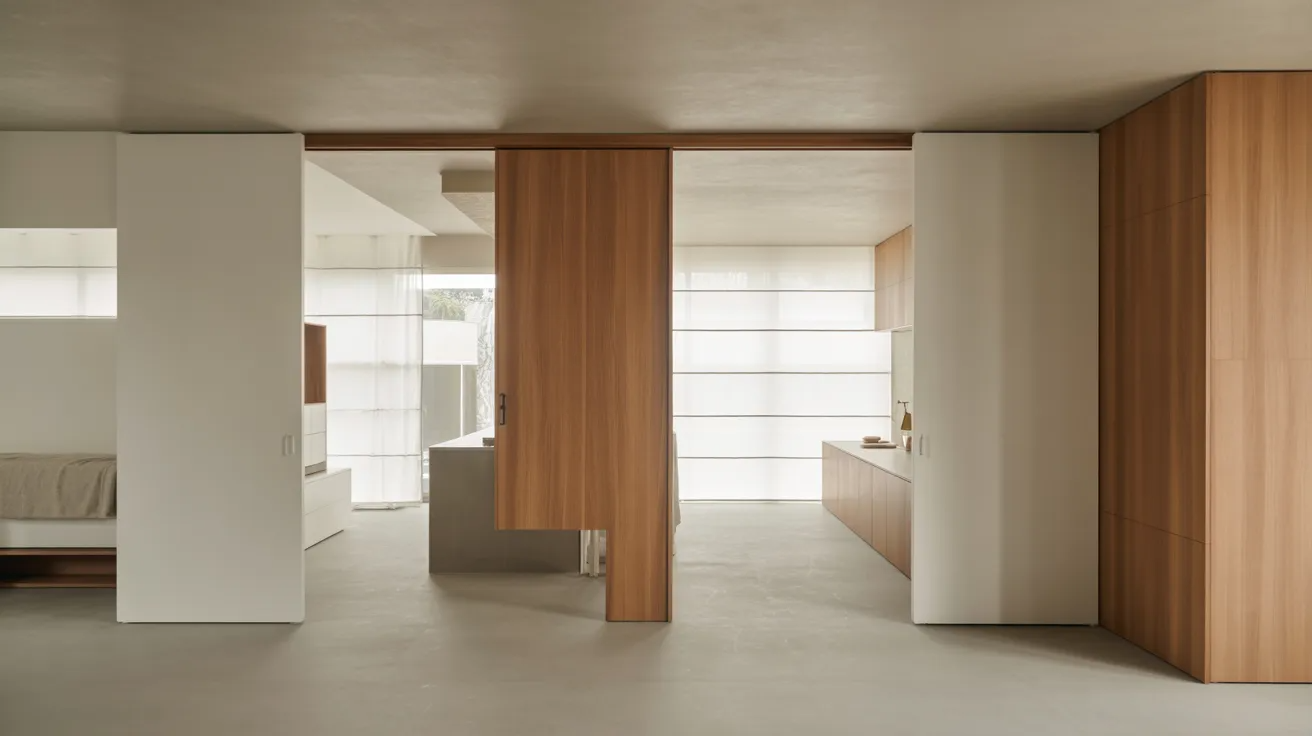

If you are short on space, a pocket door might be exactly what you need.
I have seen so many rooms feel cramped just because of a swinging door that takes up precious floor space.
This guide covers everything you need to know about pocket doors, from how they work and the different types available, to their pros, cons, and where to use them best.
With years of hands-on home improvement research, I will walk you through it all so you can decide if this door style suits your home.
What Is a Pocket Door?
A pocket door is a sliding door that disappears into a hollow space inside the wall when opened.
Instead of swinging on hinges, it rolls along a track and tucks away completely, saving floor space and keeping rooms feeling open.
Pocket doors have been around for over a century and are making a strong comeback in modern homes where smart space use matters.
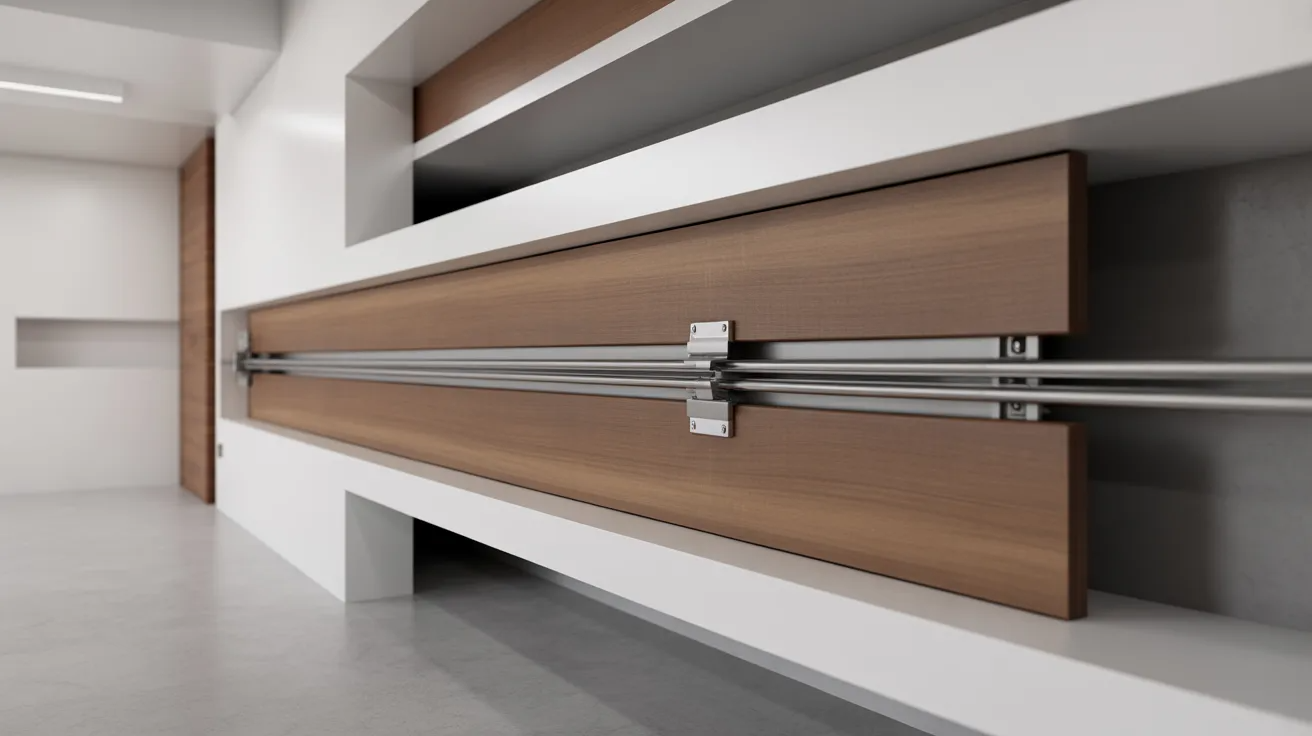
They slide along a metal track mounted inside the wall cavity, rolling into the "pocket" when pushed open and sliding back out to close.
A set of rollers or trolley system at the top keeps movement smooth.
The whole system depends on several key parts working together: the track, the rollers or trolley, the split studs or pocket frame, the floor-mounted door guide, and the edge pull for gripping and sliding the door.
Types of Pocket Doors
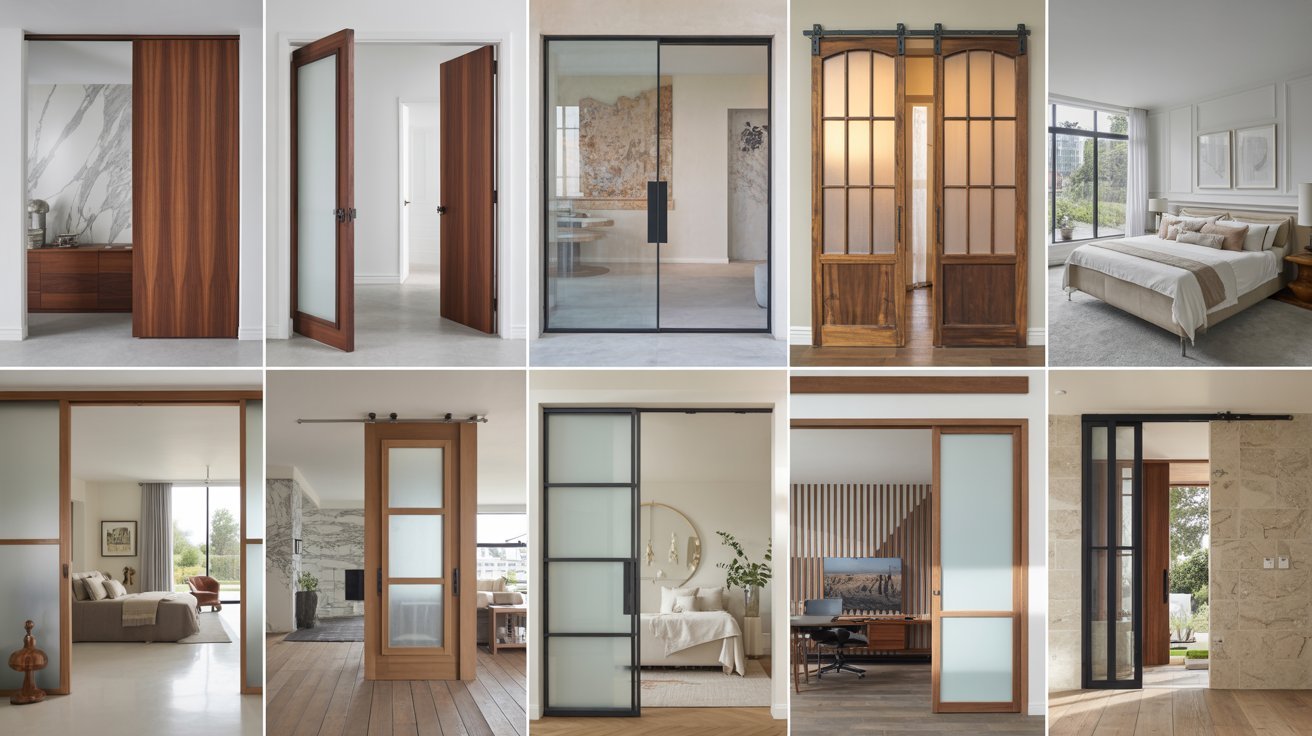
Not all pocket doors are the same. Here is a quick look at the main types.
Internal Pocket Doors
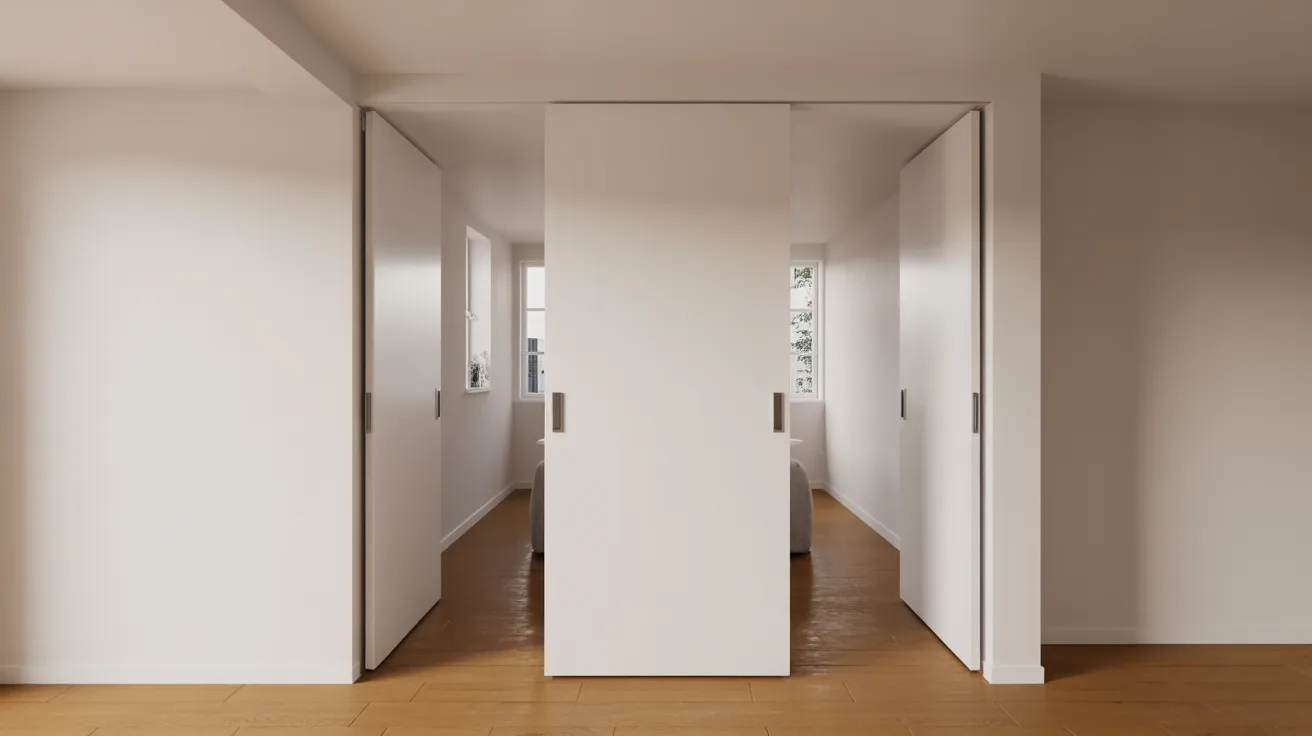
Internal pocket doors are the most common type.
They are used inside the home between rooms. They work well in tight hallways, small bedrooms, or anywhere a swinging door feels too bulky.
These doors come in wood, MDF, or composite materials. They are easy to paint or finish to match any interior style.
External Pocket Sliding Doors

External pocket sliding doors are built to handle outdoor conditions. They are used to connect indoor spaces to patios, gardens, or outdoor living areas.
These doors are made from weather-resistant materials like aluminum or treated timber.
They offer a clean, open connection between inside and outside without the bulk of a folding or hinged door.
Glass Pocket Doors
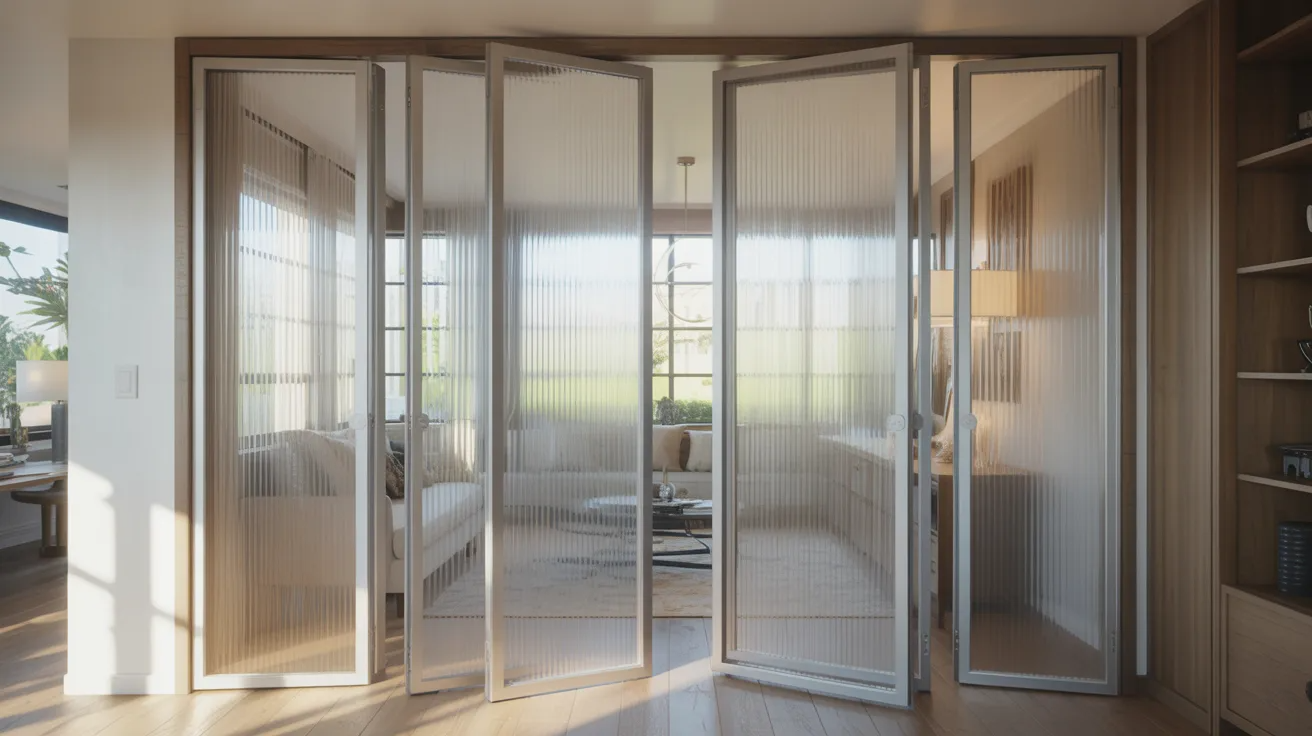
Glass pocket doors let light pass between rooms. They work well in spaces where you want privacy but still want natural light to flow through.
Frosted, tempered, or clear glass options are available.
They are popular in home offices, dining rooms, and living areas.
Fire-Rated Pocket Doors
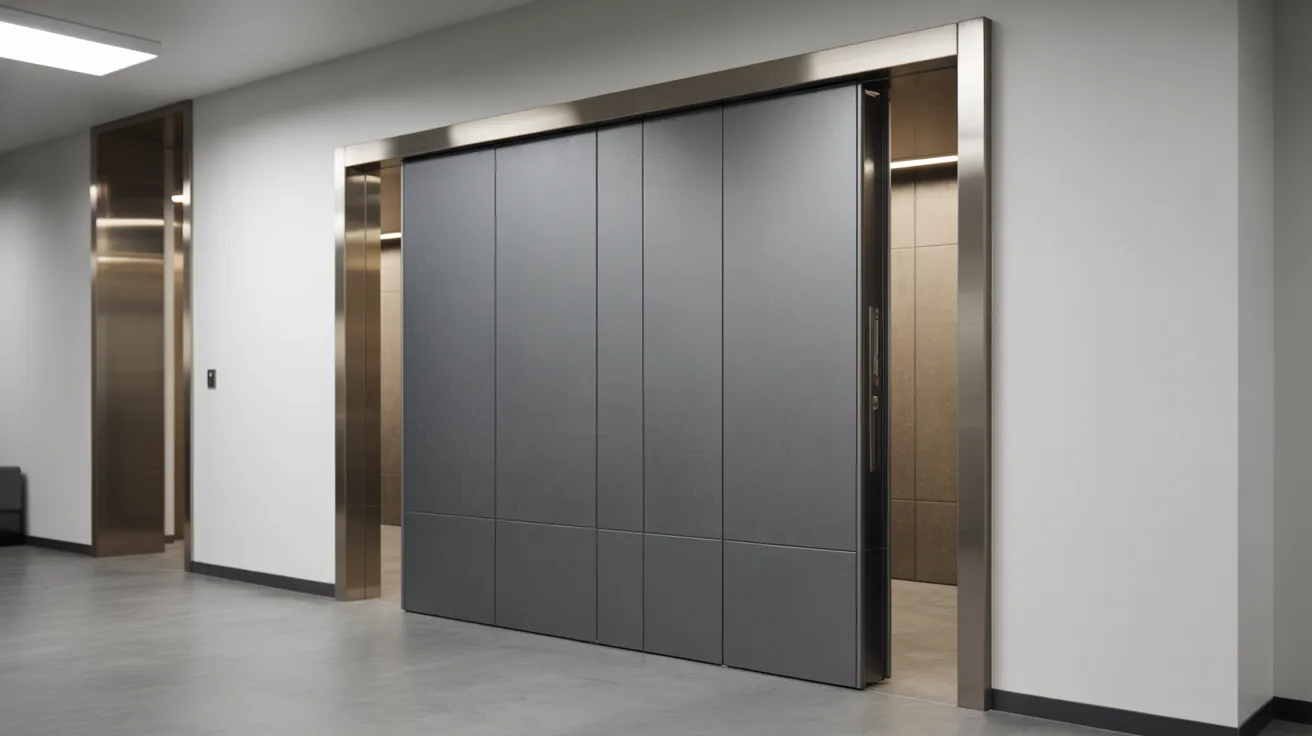
Fire-rated pocket doors are built to slow the spread of fire between rooms. They are used in homes and commercial buildings where fire safety codes require them.
These doors are made with fire-resistant cores and special seals.
They look like regular pocket doors but offer an added layer of safety.
Advantages of Pocket Doors
Pocket doors offer real, practical benefits that make everyday living easier.
- Save floor space since the door does not swing open into the room
- Improve traffic flow in tight hallways and small rooms
- Work well for accessibility as they are easy to open for people using wheelchairs or walkers
- Create a clean look since the door disappears into the wall
- Allow flexible room use by dividing or opening spaces as needed
- Reduce noise when paired with proper seals and solid-core doors
- Add a modern feel to any interior without major structural work
Disadvantages of Pocket Doors
Pocket doors have a few drawbacks worth knowing before you commit.
- Harder to install than standard doors, especially in existing walls
- Limited soundproofing compared to solid hinged doors with full frames
- Wall cavity reduces space for insulation, wiring, or plumbing
- Hardware can wear out and repairs are difficult once the door is inside the wall
- Not ideal for wet areas unless properly sealed and ventilated
- Privacy can be limited if the door does not seal tightly at the edges
- Cost is higher than a standard hinged door installation
Best Places to Use Pocket Doors
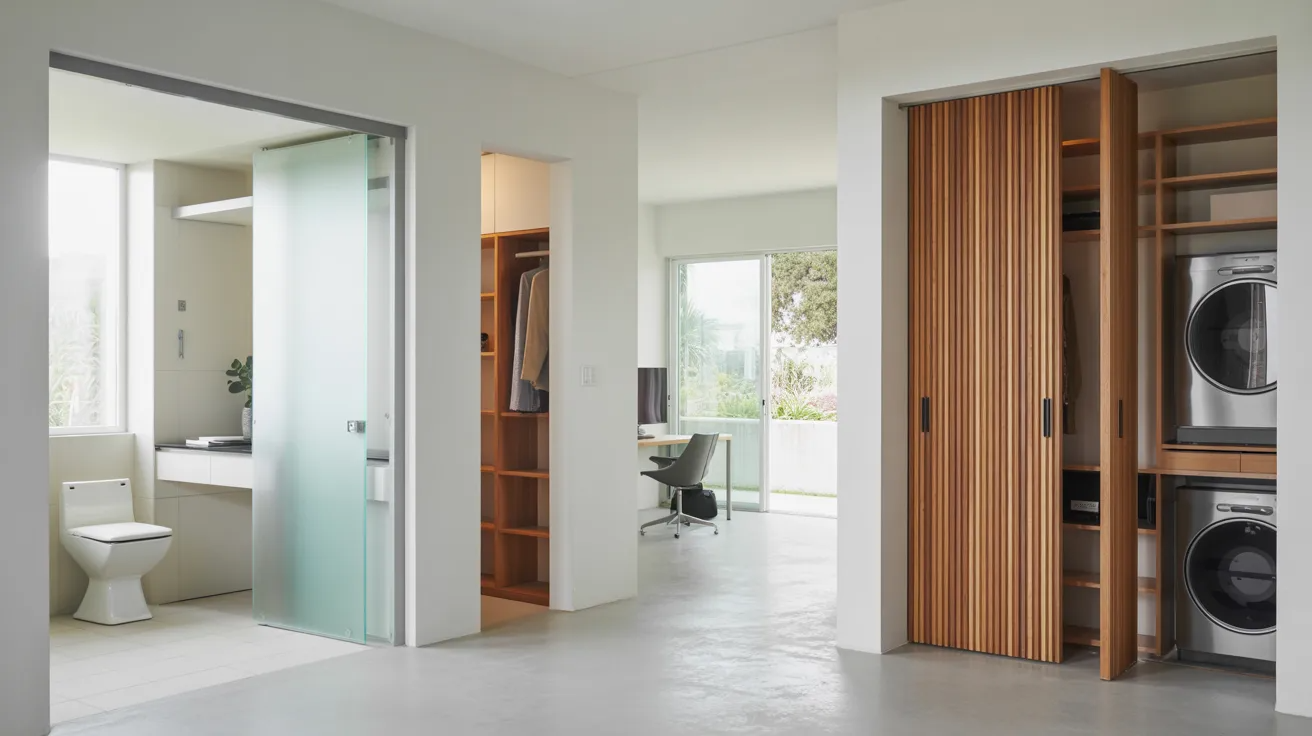
The right location makes all the difference with pocket doors.
Bathrooms and Ensuites
Bathrooms are one of the best places for pocket doors. A swinging door in a small bathroom is awkward and takes up space you do not have.
A pocket door slides away and gives you full use of the floor area.
It works especially well in ensuites where the door might otherwise hit the toilet or sink.
Kitchens and Dining Areas
A pocket door between the kitchen and dining area makes entertaining easier. You can close it when cooking to keep smells and noise contained, then open it up when it is time to serve.
It keeps the space feeling connected without being wide open all the time.
Home Offices
A pocket door for a home office gives you privacy when you need it and an open feel when you do not. It is easier than a solid hinged door for a quick close during calls or meetings.
Glass pocket doors work especially well here because they let in light while still offering visual separation.
Closets and Laundry Rooms
Closets and laundry rooms are often tucked into tight spots. A pocket door here means no door swinging into your face when you reach for clothes or load the washing machine.
It keeps the area tidy and easy to access.
Pocket Door Installation Basics
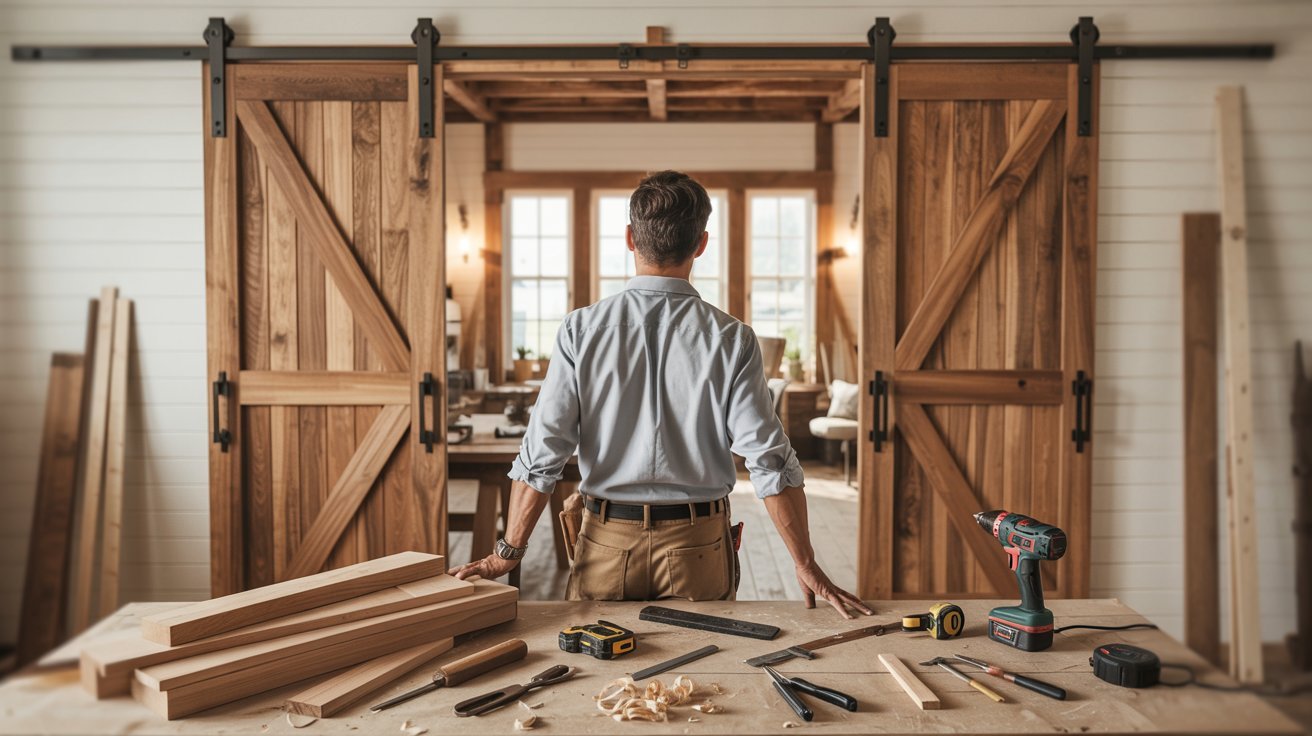
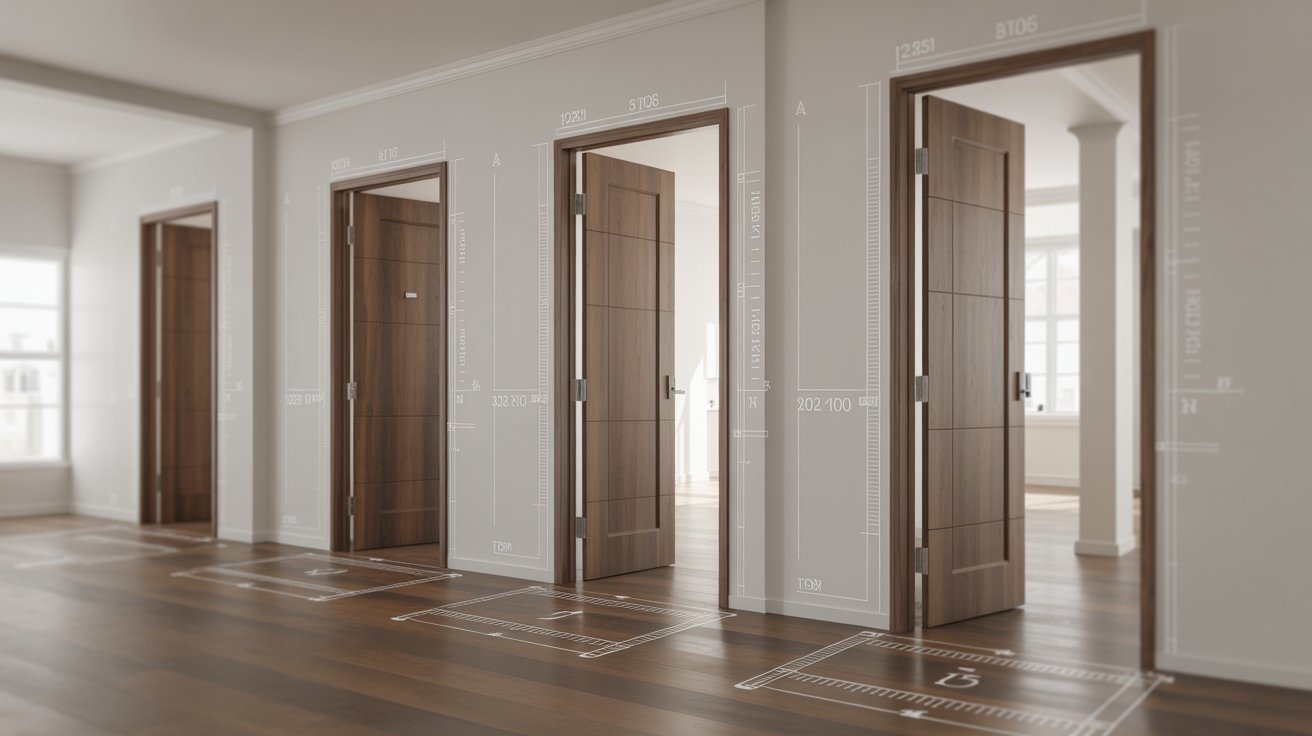
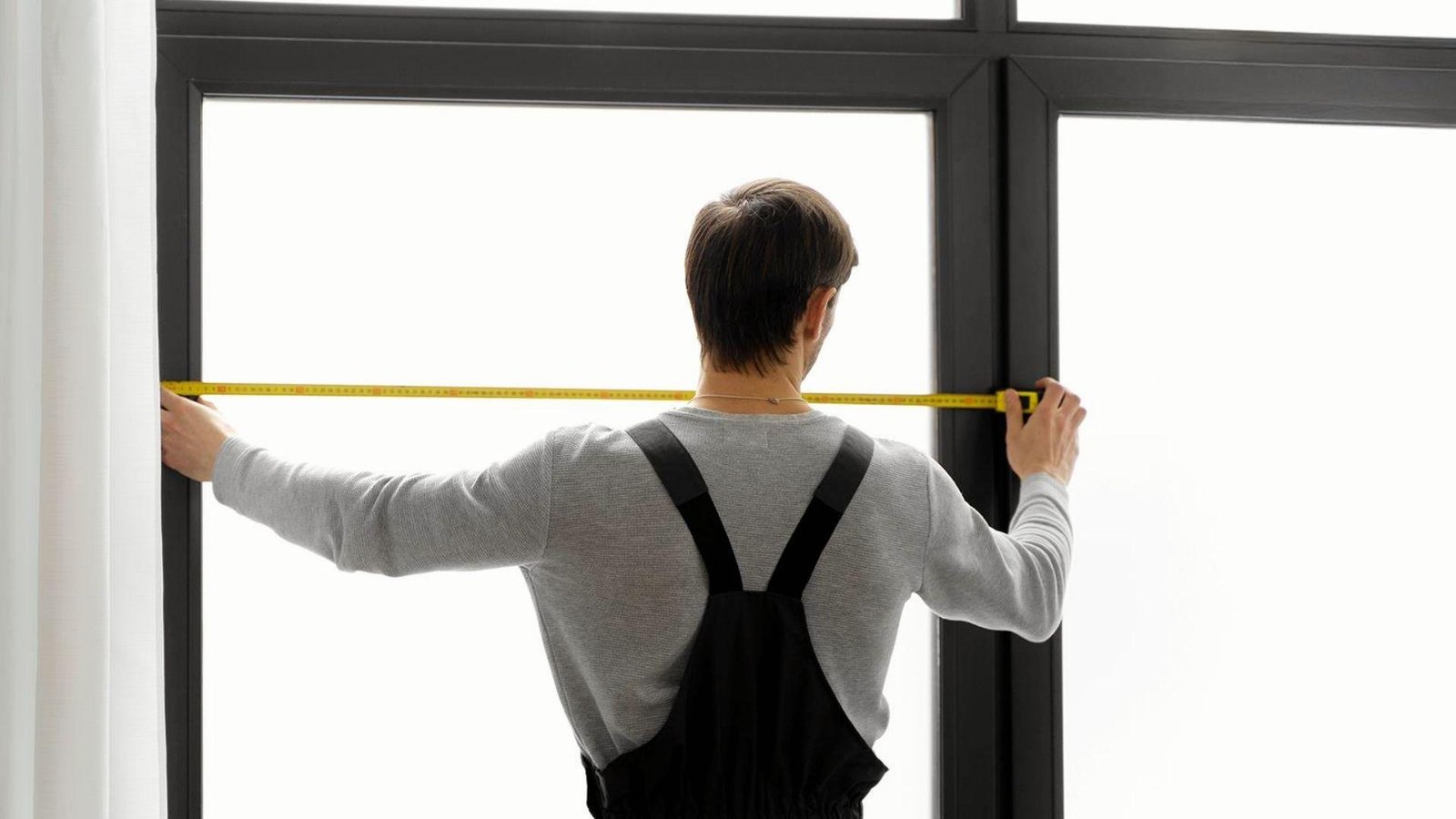
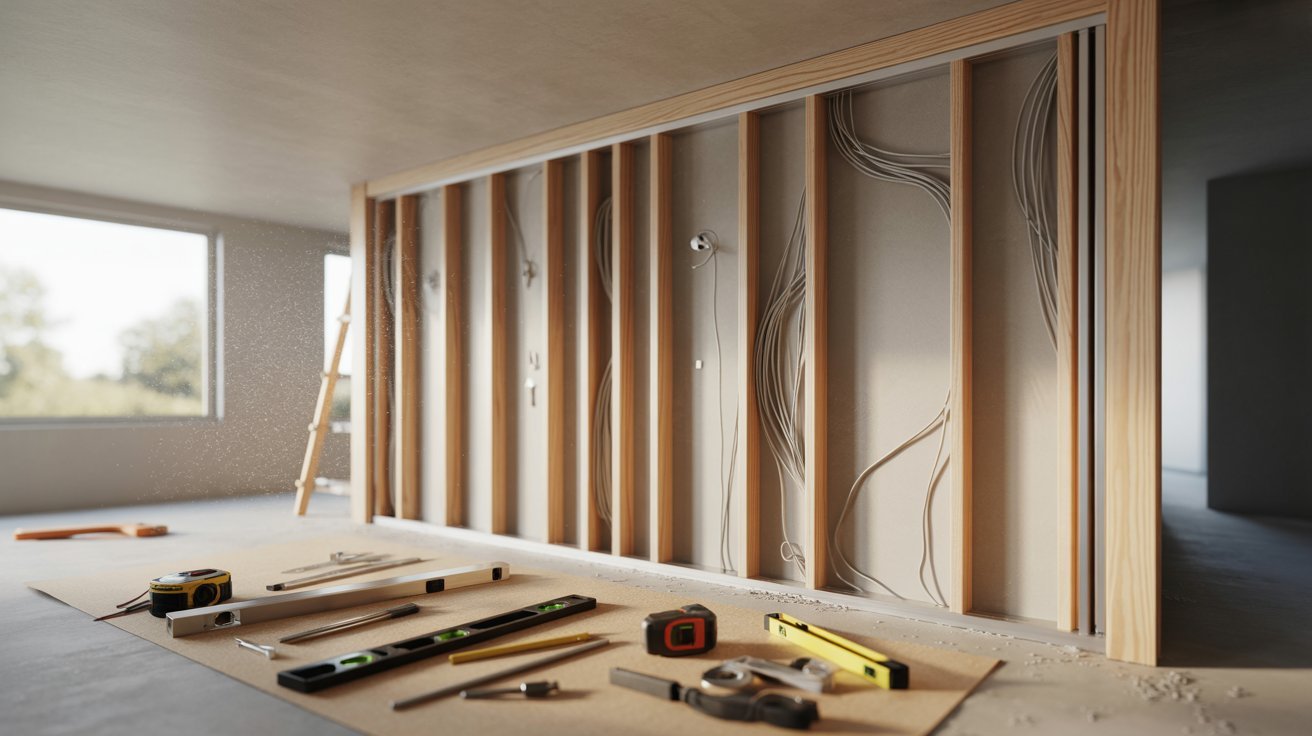
Installing a pocket door requires more planning than a regular door. The wall must be hollow and free of wiring, plumbing, or load-bearing elements.
A pre-made pocket door frame kit makes installation easier.
The kit includes the split studs, track, and hardware. The frame goes in first, then the drywall goes over it.
The door hangs on the track and slides into place.
For existing walls, installation is more complex and often needs a professional.
Pocket Door Maintenance Tips
Pocket doors need occasional care to keep running smoothly.
Here are the key maintenance steps to follow:
- Clean the track regularly to remove dust and debris that can cause sticking or slow movement.
- Lubricate the rollers with a silicone-based spray once or twice a year to keep sliding smooth.
- Check door alignment on the track and adjust the roller height if the door starts to drag.
- Tighten any loose screws on the edge pull or handle to keep hardware secure.
- If the door sticks, it usually means the track needs cleaning or the rollers need a quick adjustment.
Are Pocket Doors Worth It?
For many homes, yes. If space is tight and you want a cleaner, more open feel, pocket doors are a smart choice.
They work well in bathrooms, small bedrooms, home offices, and anywhere a swinging door feels like a nuisance.
The higher installation cost is worth it in the long run, especially if you are already doing a renovation.
If you are adding them to an existing wall, factor in the labor and planning time.
Conclusion
I have always thought pocket doors are one of those small changes that make a big difference in how a home feels.
They are practical, clean, and genuinely useful in the right spots. If you have a cramped bathroom or a tight hallway, a pocket door could be the best upgrade you make this year.
I hope this guide helped you understand exactly what pocket doors are and whether they are right for you.
Drop a comment below and let me know which room you are thinking of adding a pocket door to!
Frequently Asked Questions
Can pocket doors be used as exterior doors?
Yes, but they must be made from weather-resistant materials and properly sealed.
Do pocket doors reduce noise between rooms?
Somewhat, but they are less soundproof than solid hinged doors with full frames.
How long does a pocket door installation take?
A professional can install one in one to two days, depending on wall conditions.
Can I install a pocket door in an existing wall?
Yes, but it requires removing drywall and checking for wiring and plumbing first.
Are pocket doors suitable for people with mobility issues?
Yes, they are easy to operate and work well for wheelchair users and older adults.