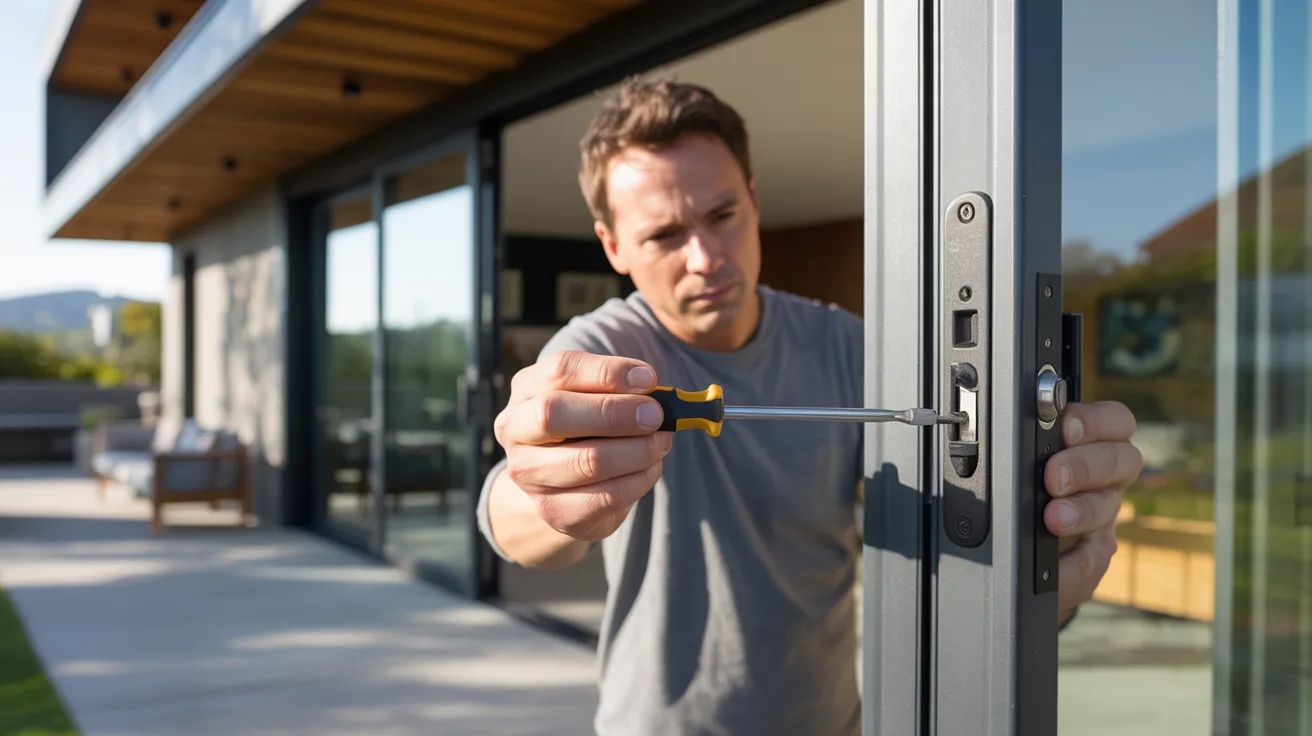

Getting locked out of a sliding door is more common than most people think.
The latch jams. The door slides shut on its own. Or you step outside and forget the lock is on.
Whatever the reason, it's a frustrating situation with a simple fix in most cases.
In this guide, I'll cover everything you need to know, from understanding your lock type to step-by-step ways to get back inside safely.
You'll also find quick fixes for stuck doors, tips on when to call a locksmith, and ways to prevent this from happening again.
I've dealt with this firsthand and these steps actually work.
Why a Sliding Door Gets Locked or Stuck
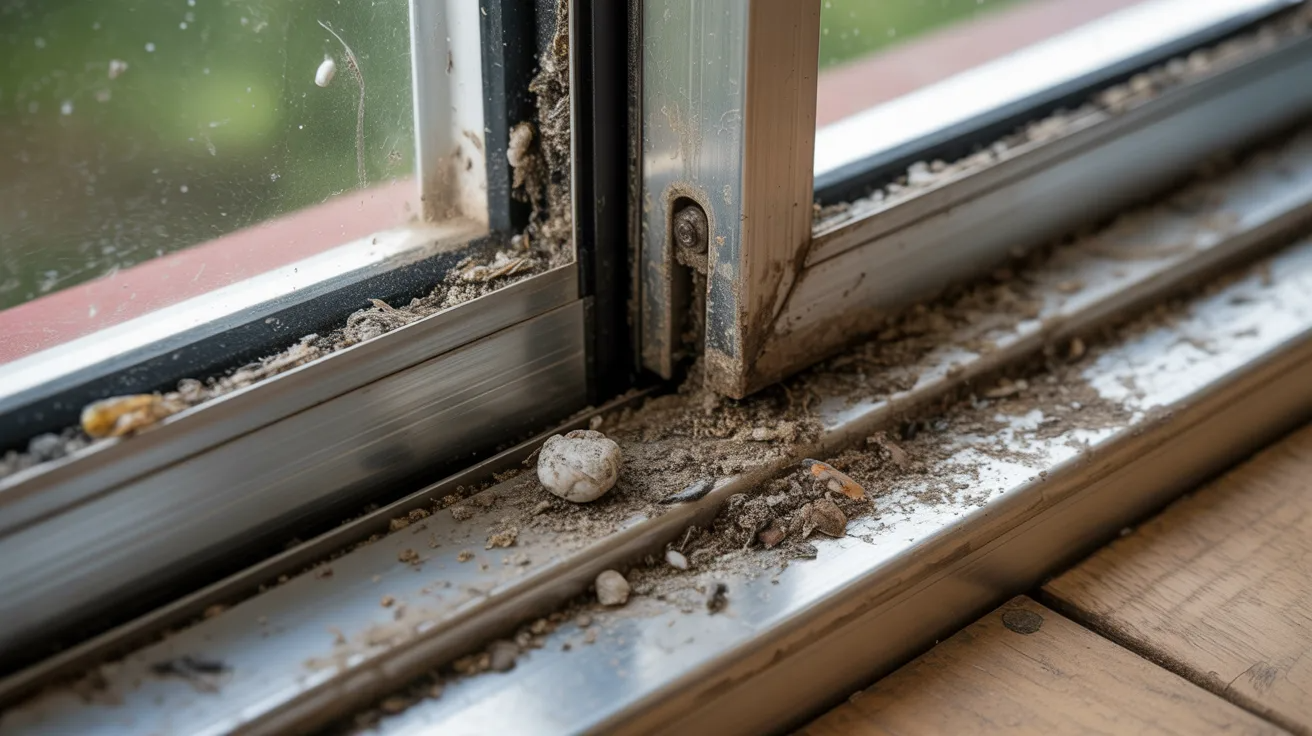
Sliding doors get locked or stuck for several common reasons that are easy to fix once you know what to look for.
Sliding doors deal with constant use, weather changes, and dirt buildup. Over time, small problems turn into bigger ones.
Dirt in the track is one of the most common causes. Dust, debris, and small objects collect at the bottom. This stops the door from sliding cleanly and can make the latch harder to turn or release.
Worn-out rollers are another big factor. The rollers sit at the base of the door and help it glide. When they wear down, the door sags. A sagging door puts pressure on the latch and makes it stiff.
Misalignment happens when the door shifts slightly off its track. The latch no longer lines up with the strike plate, so it feels locked even when it isn't.
Weather changes also cause issues. Wood frames swell in humid conditions. Metal parts contract in cold weather. Both can make a door stick without any mechanical failure.
Knowing the actual cause helps you choose the right fix instead of forcing the door and causing more damage.
Identify Your Sliding Door Lock Type
Knowing your lock type is the first step to getting back inside without causing any damage.
Not all sliding doors use the same lock. Take a close look before you try anything. Here are the three most common types.
Thumb Turn Locks
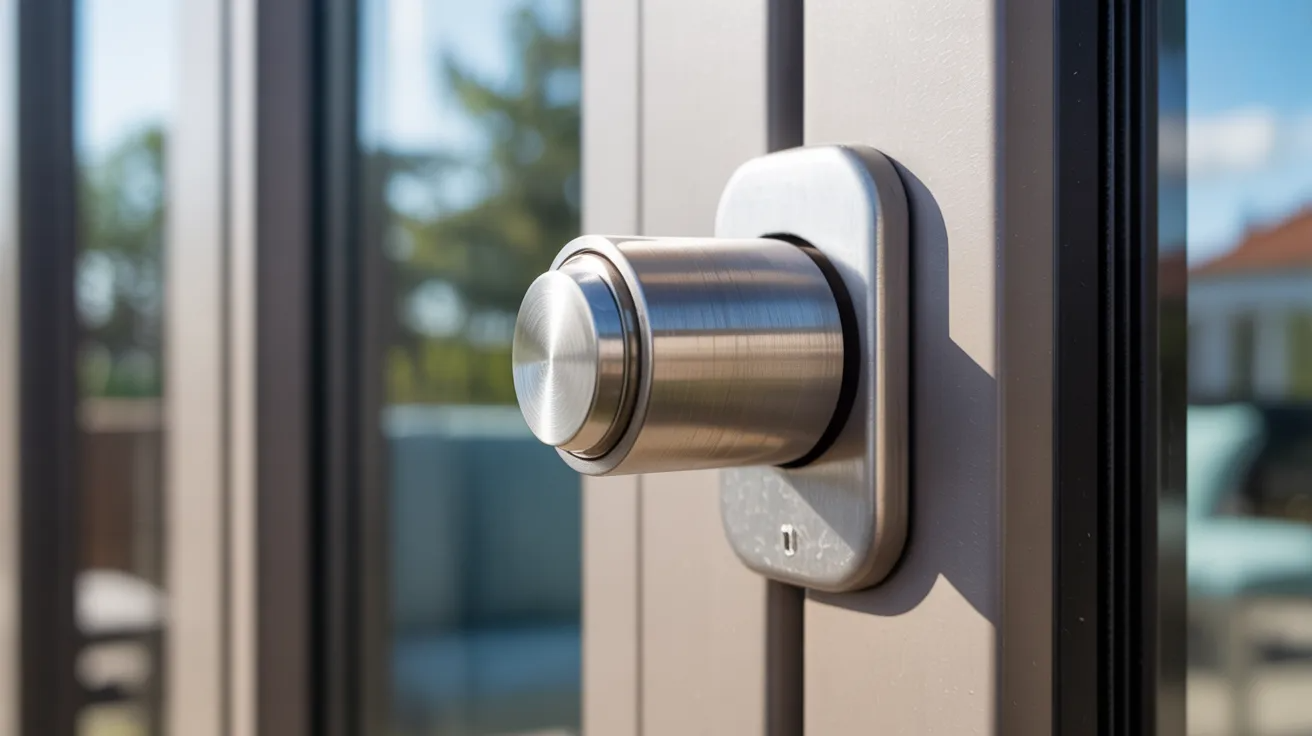
A thumb turn lock has a small knob on the inside that you twist to lock or open the door. From outside, there is no keyhole.
Some models have a small slot on the outer face that accepts a flathead screwdriver or coin to turn the latch. This is the easiest type to open from outside.
Keyed Locks
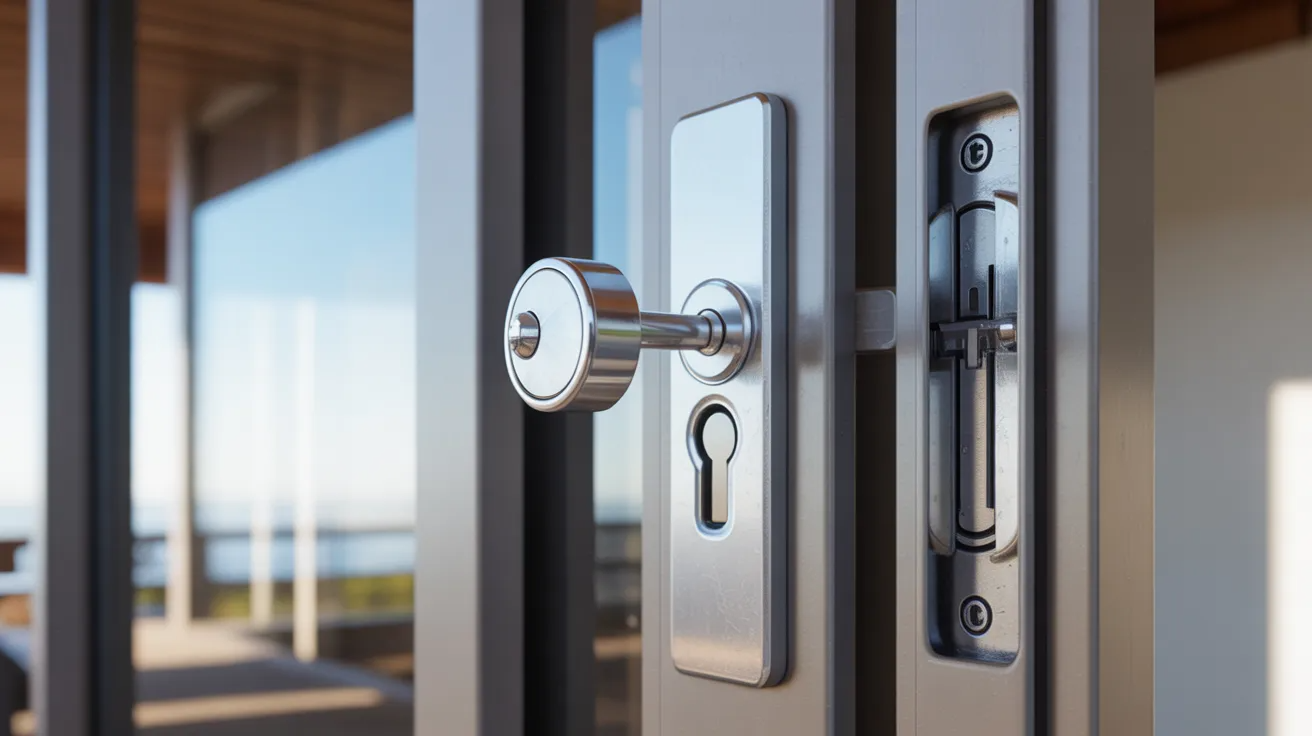
A keyed lock has a keyhole on the outside and a thumb turn on the inside. These offer more security. If you don't have the key, your options are limited.
Forcing this lock can damage the cylinder, so it's best to get a spare key or call a professional if you're stuck.
Sliding Bolt Locks
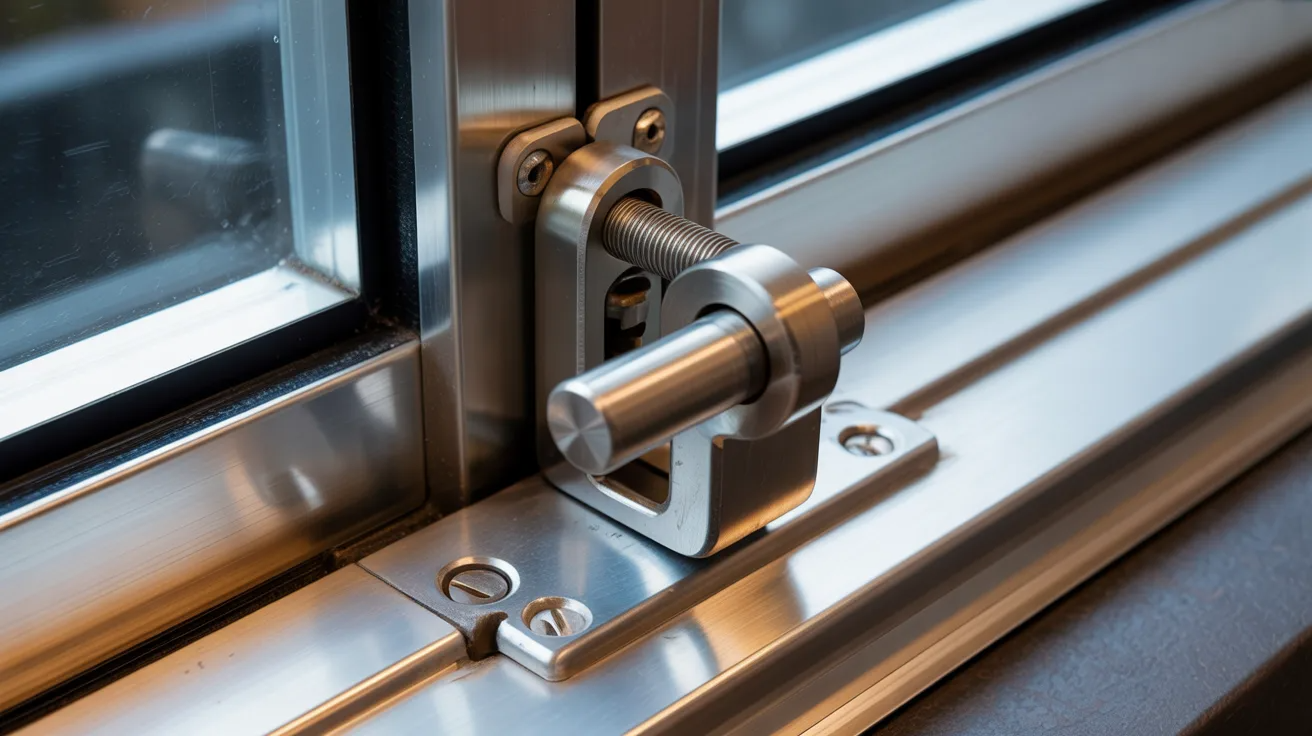
A sliding bolt is a bar or pin that slots into a hole to hold the door shut. These are usually placed at the top or bottom and are often used as secondary locks.
You cannot release a bolt lock from outside without tool access or entry through another point.
How to Unlock a Sliding Door From the Outside
Follow these steps carefully to open your sliding door from the outside without causing damage.
Stay calm. Most sliding doors can be opened without professional help if you work through the steps in order.
Step 1: Check if the Door Is Stuck or Locked
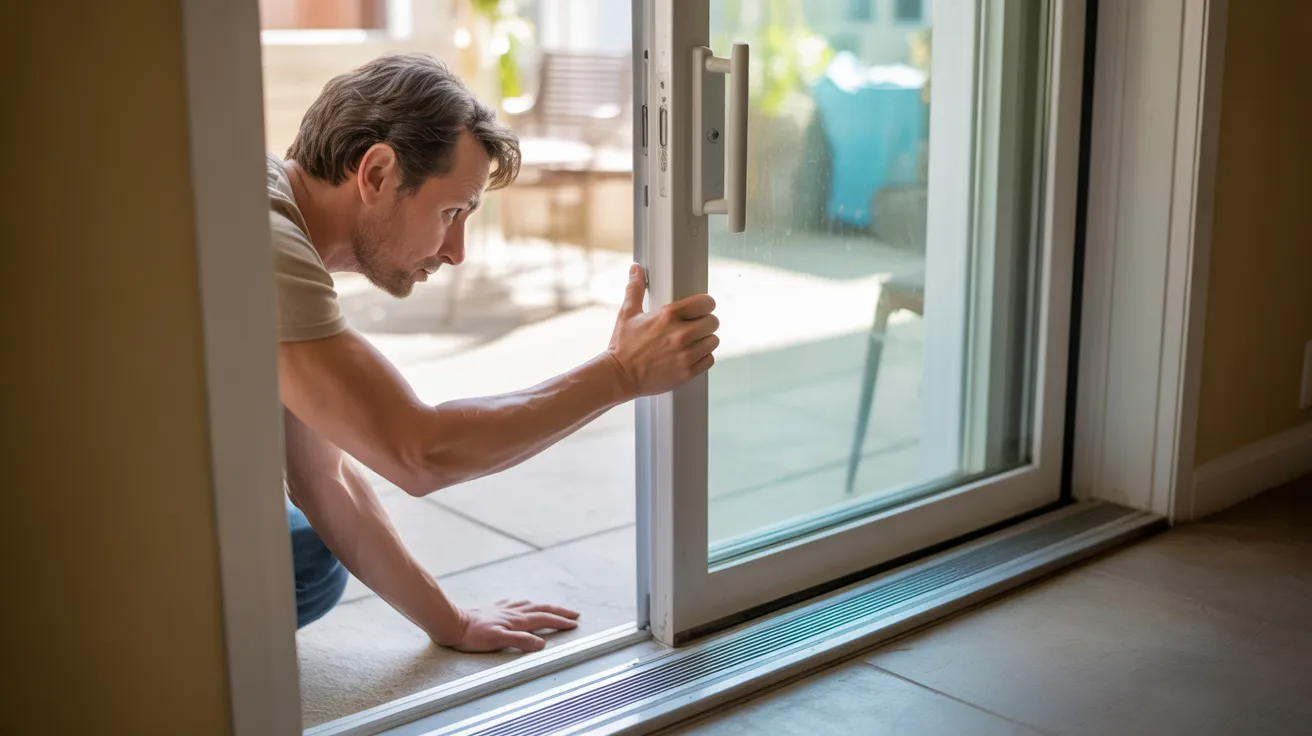
Try sliding the door gently. If it moves slightly but won't open fully, it may be off the track or something is blocking it. If it doesn't move at all, the latch is likely engaged.
Try lifting the door slightly while sliding. This one step often solves the problem on its own.
Step 2: Release the Lock Mechanism Carefully
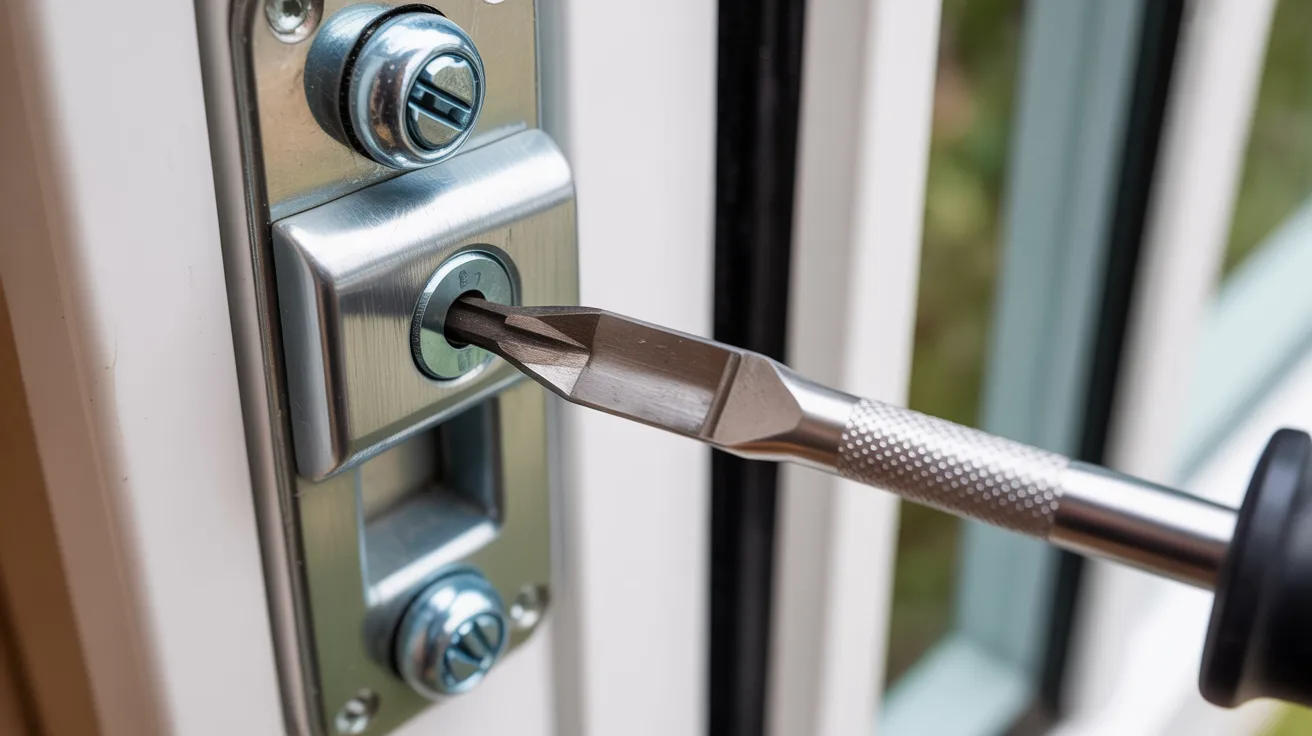
For thumb turn locks with an outside slot, insert a flathead screwdriver or coin and turn slowly. Do not force it. For keyed locks, use your spare key.
If you don't have one, do not jam anything into the keyhole as this can damage the cylinder and increase repair costs.
Step 3: Use a Flat Tool to Open the Latch
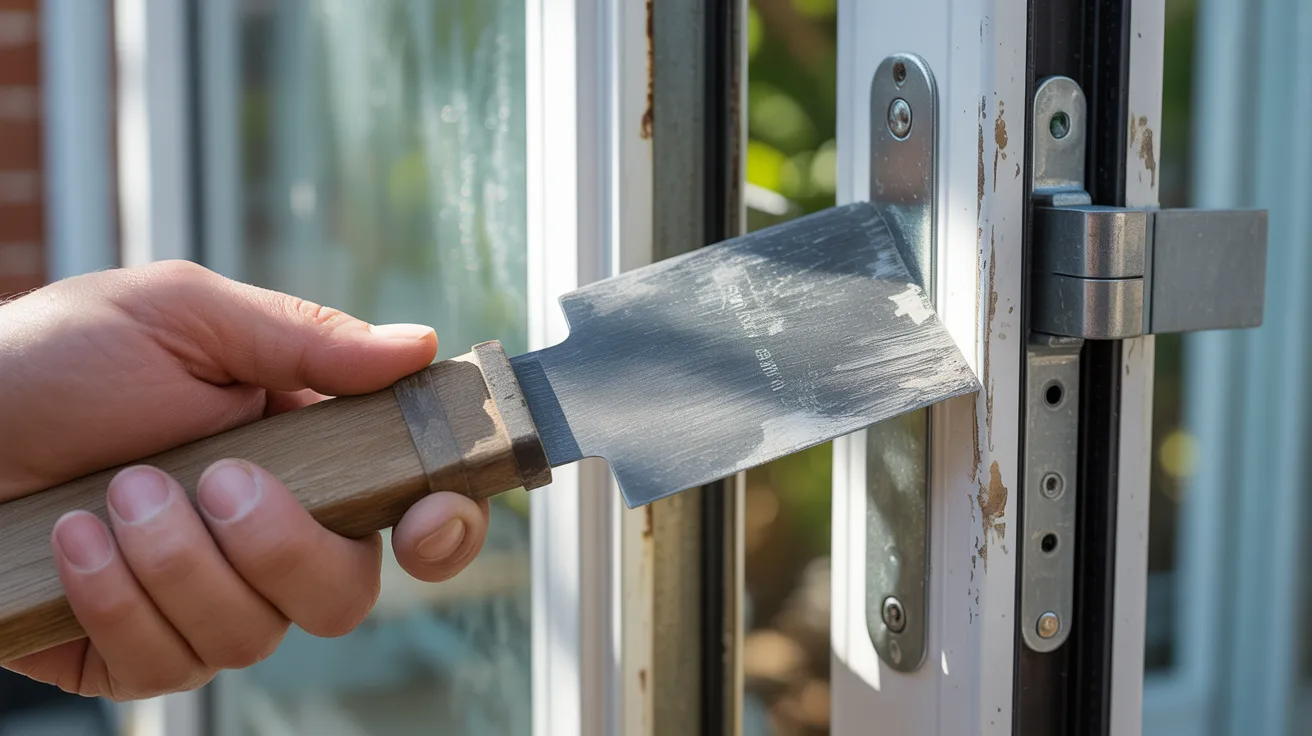
If there's a small gap between the door and the frame, a thin, flat tool like a putty knife can help. Slide it into the gap near the latch.
Push and wiggle gently while pulling the door. This only works on basic latch mechanisms. Be careful not to scratch the frame or bend the tool inside the gap.
Step 4: Adjust the Door on the Track
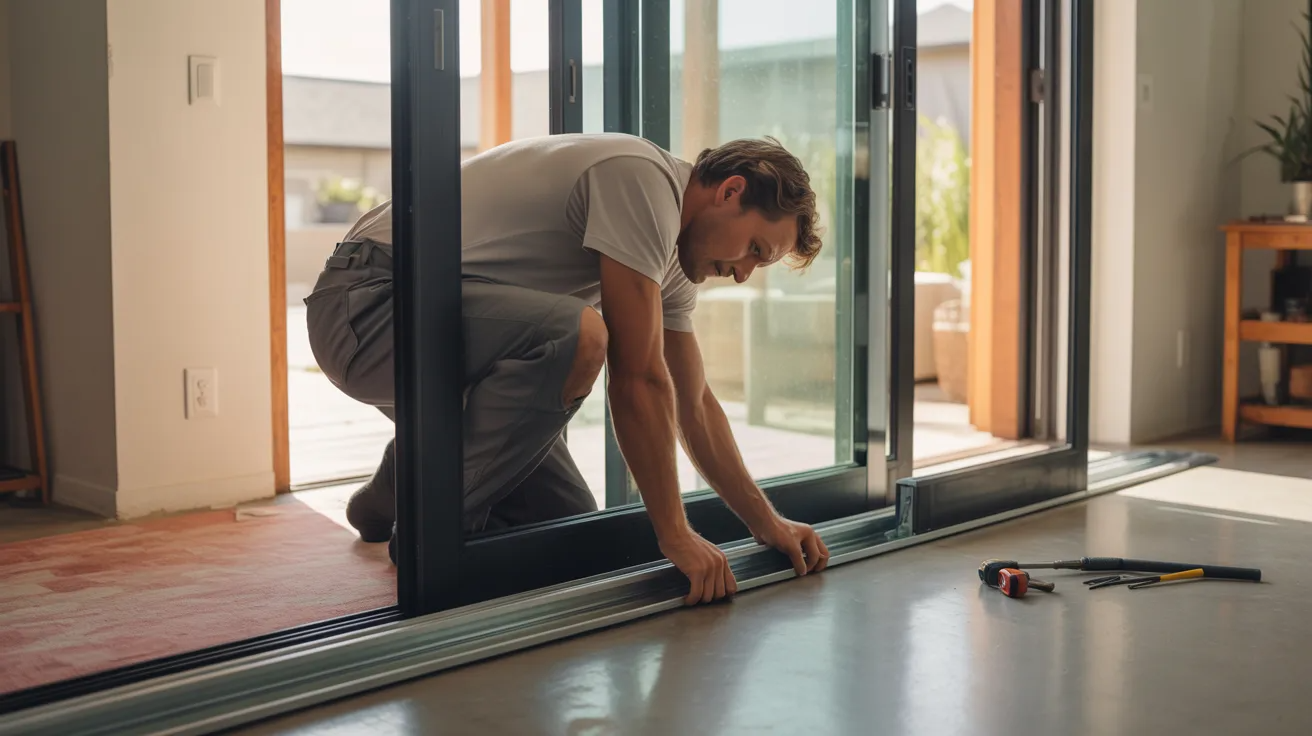
If the latch isn't engaged but the door still won't slide, the roller may have slipped. Lift the door slightly from outside and push it firmly in the direction it slides.
A gentle push often resets the roller. If the door is badly misaligned, you may need to remove it from the track and reset the rollers manually.
Quick Fixes for a Stuck Sliding Door
A few simple fixes can get your stuck sliding door moving again in minutes.
You don't always need a locksmith. Sometimes the door just needs basic attention.
Clean the track using a vacuum or damp cloth. Remove dirt, gravel, and debris from the bottom channel. Even small buildups can stop the door from moving.
Apply lubricant using a silicone-based spray on the rollers and along the track. Avoid oil-based products as they attract more dirt. A light coat goes a long way.
Check the alignment by looking at the gap between the door and the frame. If it's uneven, the rollers need adjustment. Most sliding doors have a small screw at the bottom corner that raises or lowers the roller.
Tighten loose screws in the door frame and handle. This is a small step that often makes the latch work properly again without any other changes.
When to Call a Locksmith
Some situations call for a professional, and knowing when to stop trying on your own saves time and money.
The lock is visibly damaged. Forcing a broken latch or bolt will only cause more harm. A locksmith can replace the hardware cleanly.
There's no gap or access point. Some doors are tightly sealed with no room for tools. A locksmith has specialized equipment for these situations.
The door frame is bent or warped. Structural damage needs professional attention. Forcing a warped door can crack the glass or break the frame.
Lockouts keep happening. If this is a recurring problem, there's likely a deeper issue with the lock or alignment. A professional can find and fix the root cause properly.
How to Prevent Sliding Door Lockouts
A little regular care keeps your sliding door working reliably.
- Keep a spare key with a trusted neighbor or in a secure lockbox outside your home.
- Clean the track every few weeks to stop debris from building up.
- Lubricate the rollers and lock with silicone spray every two to three months.
- Check the alignment twice a year and adjust the rollers if the door drags or the latch misses.
- Inspect the hardware regularly for loose screws, rust, or early signs of wear.
- Consider a smart lock or door sensor to check the lock status remotely or get alerts when the door isn't fully closed.
Conclusion
Getting locked out of a sliding door is one of those small home problems that feels bigger than it is at the moment.
I remember standing outside on a hot afternoon because the latch had quietly jammed. Once I knew the steps, it was a quick fix.
Now I clean the track and check the hardware every few months, and I haven't had the same issue since.
Knowing how to unlock a sliding door from the outside makes all the difference. If this helped you, leave a comment below or share it with someone who needs it!
Frequently Asked Questions
Can I open a sliding door from outside without a key?
Yes, basic thumb turn latches can often be opened with a flathead screwdriver, but keyed locks require a key or a locksmith.
Why won't my sliding door latch even when it is fully closed?
The rollers are likely misaligned or the strike plate has shifted, so the latch cannot connect properly.
How do I know if my sliding door is locked or just stuck?
Lift the door slightly and try sliding it. If it still won't move, the latch is engaged, not just stuck on the track.
Is it safe to use a putty knife to open a sliding door latch?
Yes, on basic latches with a visible gap, a flat tool can gently disengage the latch without causing any damage.
How often should I maintain my sliding door to avoid lockouts?
Clean and lubricate the track, rollers, and lock every two to three months for reliable performance.