
Choosing the right door frame is not always easy. Many homeowners compare composite and wood frames but struggle to know which one will last longer, need less maintenance, or fit their budget. This guide will help you make that decision with confidence.
We have spent years helping homeowners understand building materials and choose practical options that work for real homes and real weather conditions.
In this article, you will learn what composite and wood door frames are made of, how they compare side by side, and the pros and cons of each option.
You will also see which material works best for different homes, climates, and maintenance needs. By the end, you will have a clear idea of which door frame suits your home best.
What Is a Composite Door Frame?
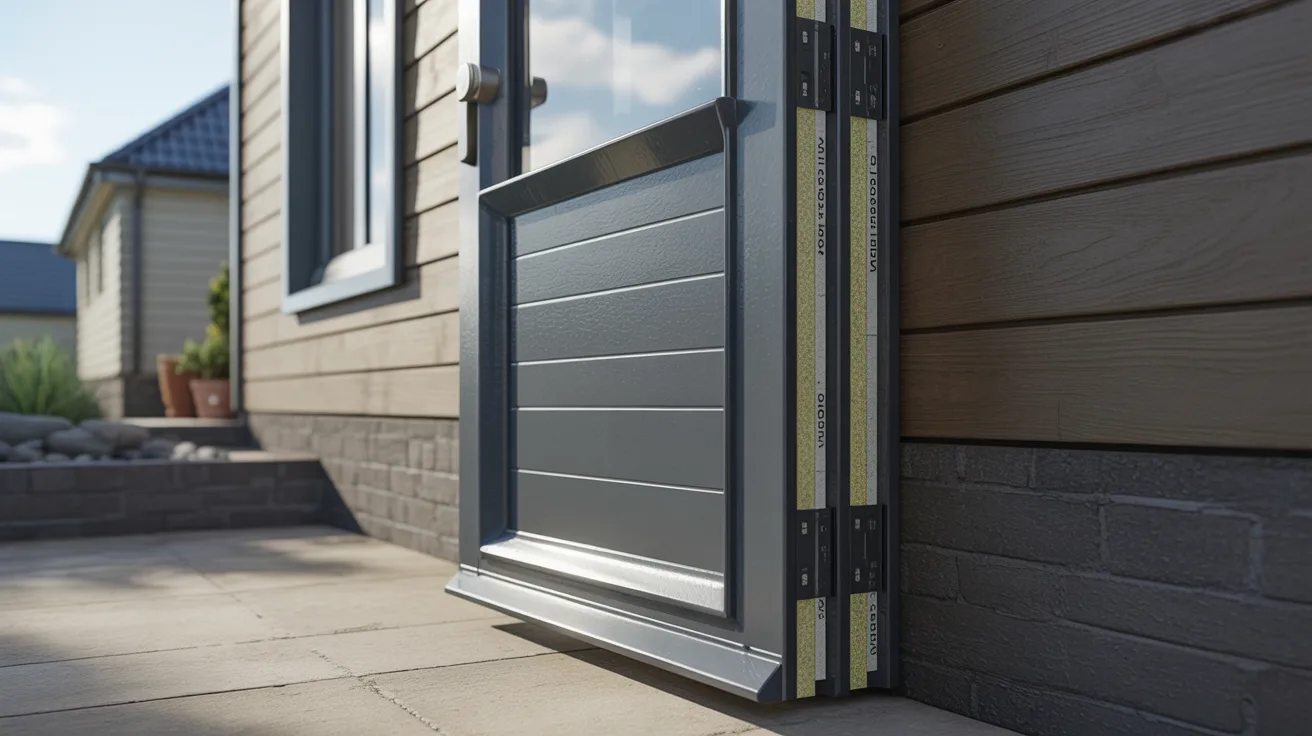
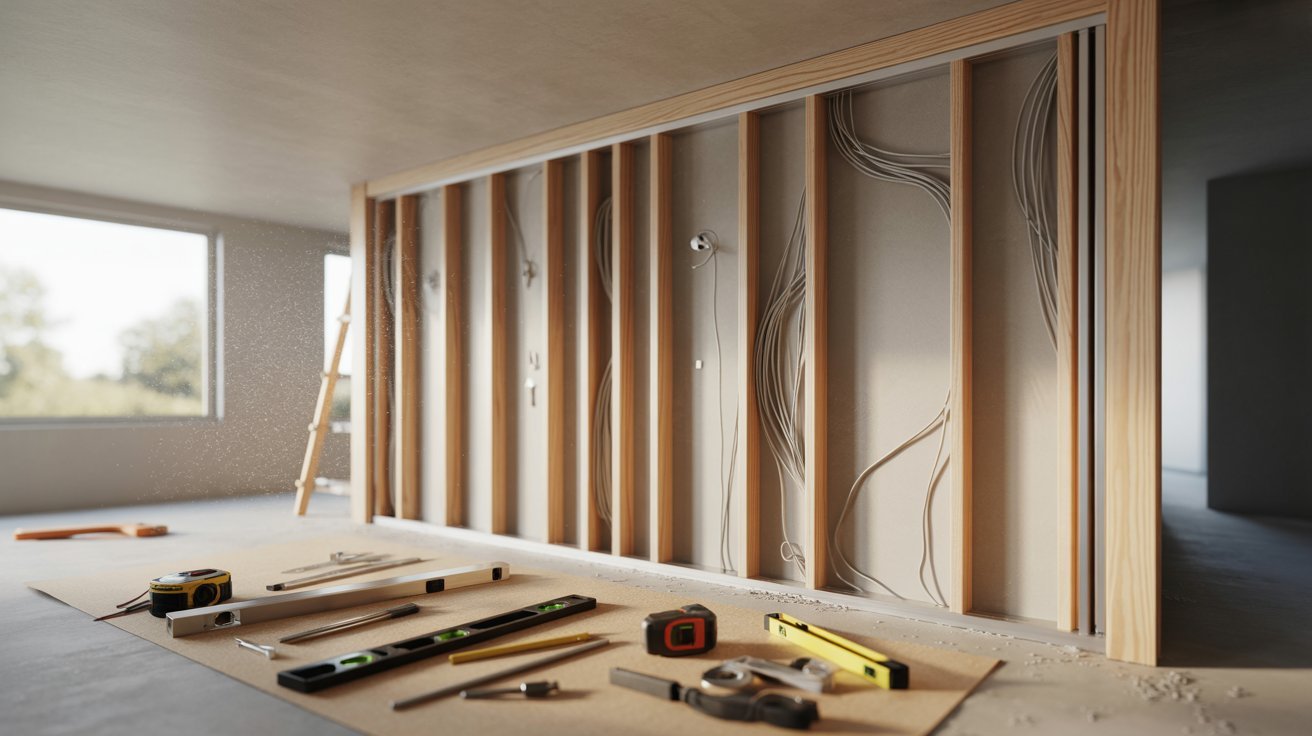
A composite door frame is built from a mix of materials. These usually include wood fibers, PVC, reinforced plastic, and insulating foam. The goal is to take the best qualities of each material and combine them into one strong frame.
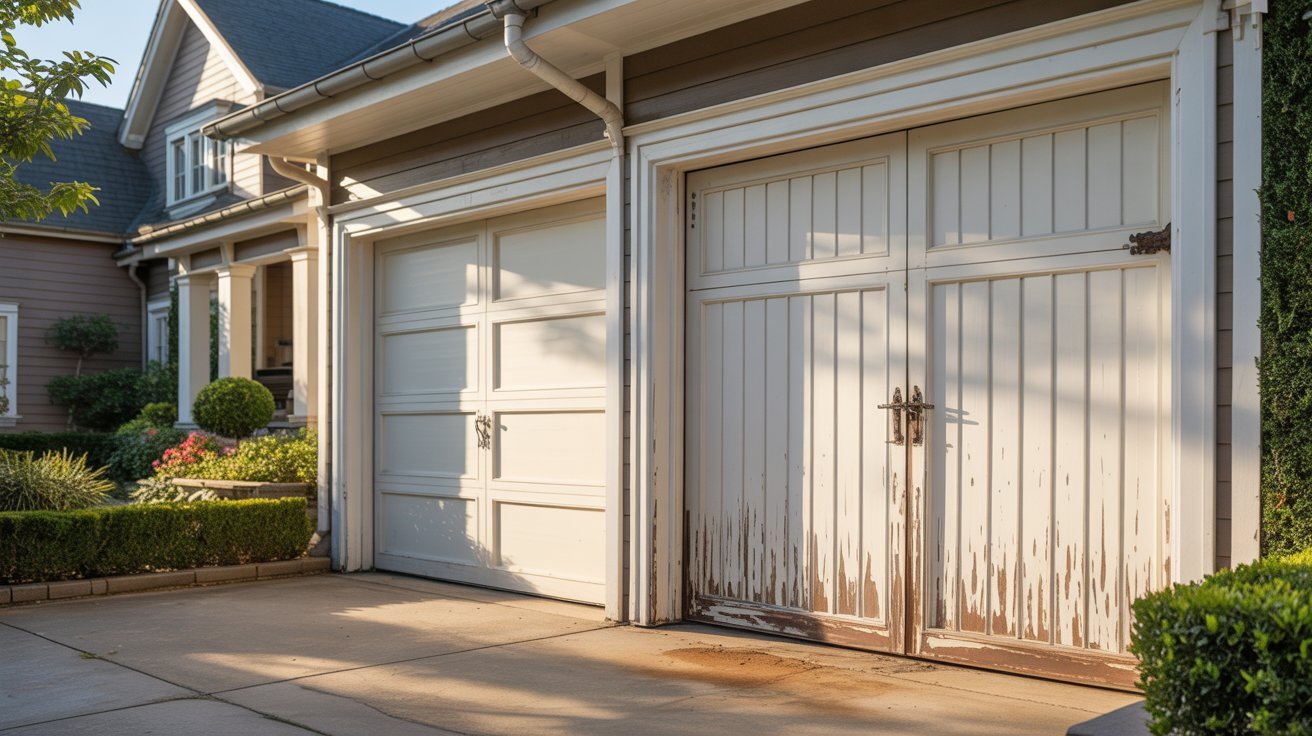
These frames do not rot. They do not warp. They hold up well in rain, humidity, and heat. That makes them a popular choice for homes in tough climates.
Composite frames also need very little upkeep. You do not need to repaint or re-seal them often. They keep their shape and finish for a long time. Many builders now prefer them for both homes and commercial properties because of how long they last.
Pros and Cons of Composite Door Frames
Composite door frames offer strong durability and moisture resistance, but they can cost more than traditional wood frames.
Advantages
- Resists rot, moisture, and termites
- Low maintenance over time
- Good insulation properties
- Long lifespan
- Stable in different weather conditions
Disadvantages
- Higher upfront cost
- Heavier than wood
- Fewer natural-looking finishes
- Harder to repair if damaged
What Is a Wood Door Frame?
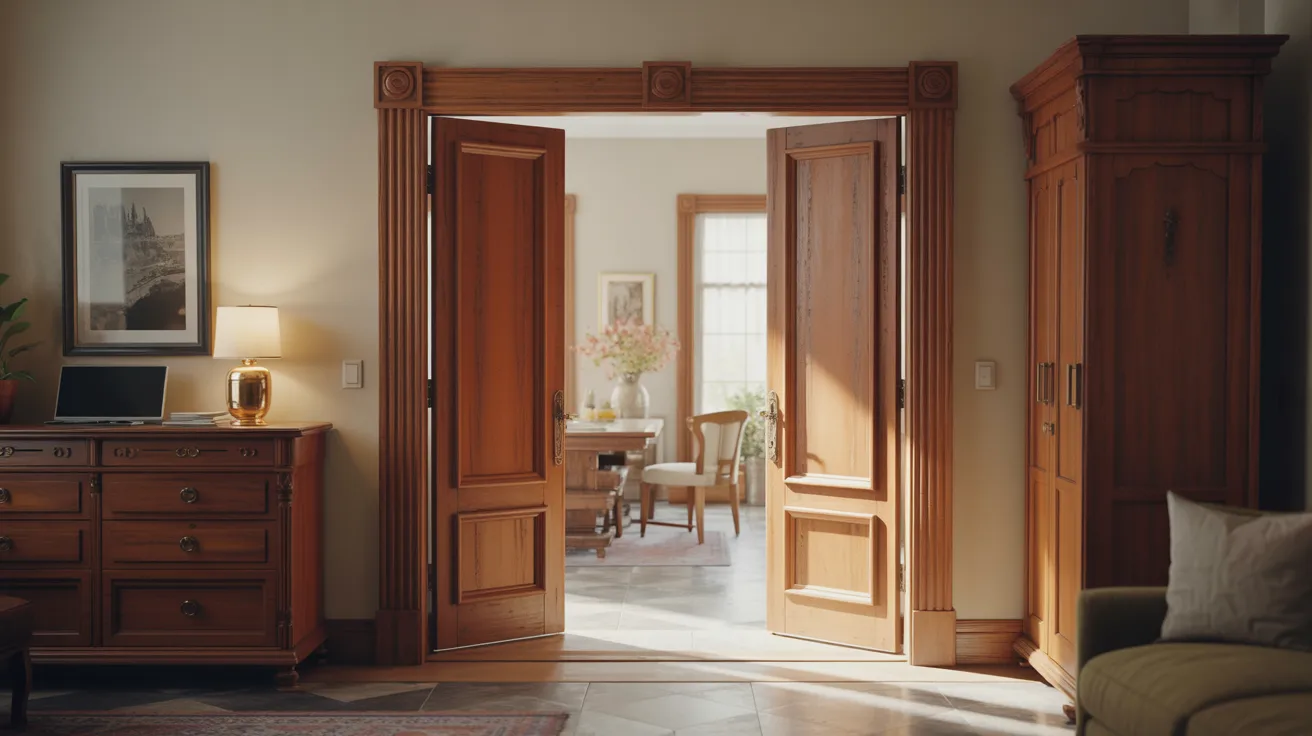
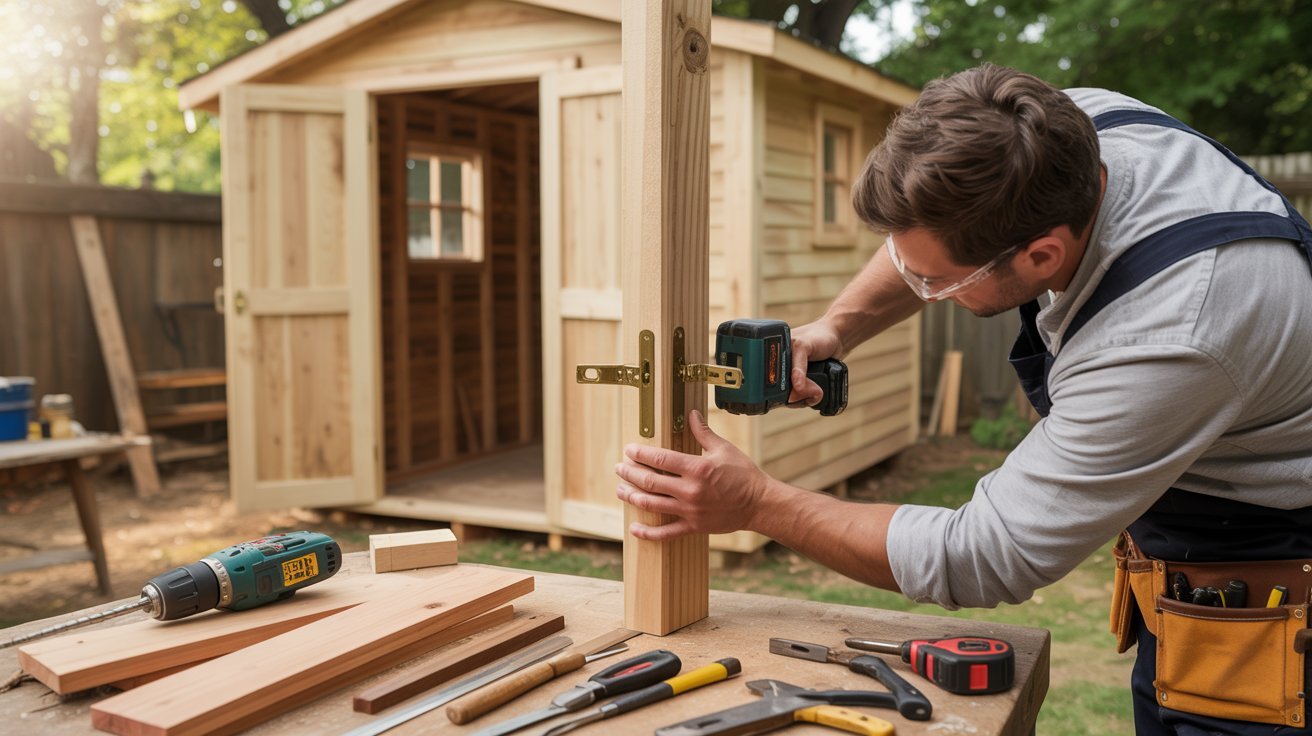
A wood door frame is made from natural timber. It has been used in homes for hundreds of years and is still widely chosen today.
Common wood types used for door frames include pine, oak, mahogany, and teak. Pine is one of the most affordable options and is easy to work with, making it popular for many residential projects.
Oak and mahogany are denser woods that provide greater strength and durability. Teak is valued for its natural resistance to moisture and weather damage, although it is usually more expensive than other wood types.
Wood door frames are known for their classic and timeless appearance. They work especially well in older homes, heritage properties, and traditional-style interiors.
Another advantage is their flexibility during installation, since wood can be easily cut, shaped, painted, or stained to match different designs and finishes.
Pros and Cons of Wood Door Frames
Wood door frames offer a timeless appearance and design flexibility, but they require regular maintenance to prevent moisture and termite damage.
Advantages
- Natural, warm appearance
- Lower initial cost
- Easy to shape and customize
- Widely available
- Can be repainted or refinished
Disadvantages
- Prone to rot and warping
- Needs regular maintenance
- Can attract termites
- Shorter lifespan in wet climates
Composite Door Frame vs Wood: Side-by-Side Comparison
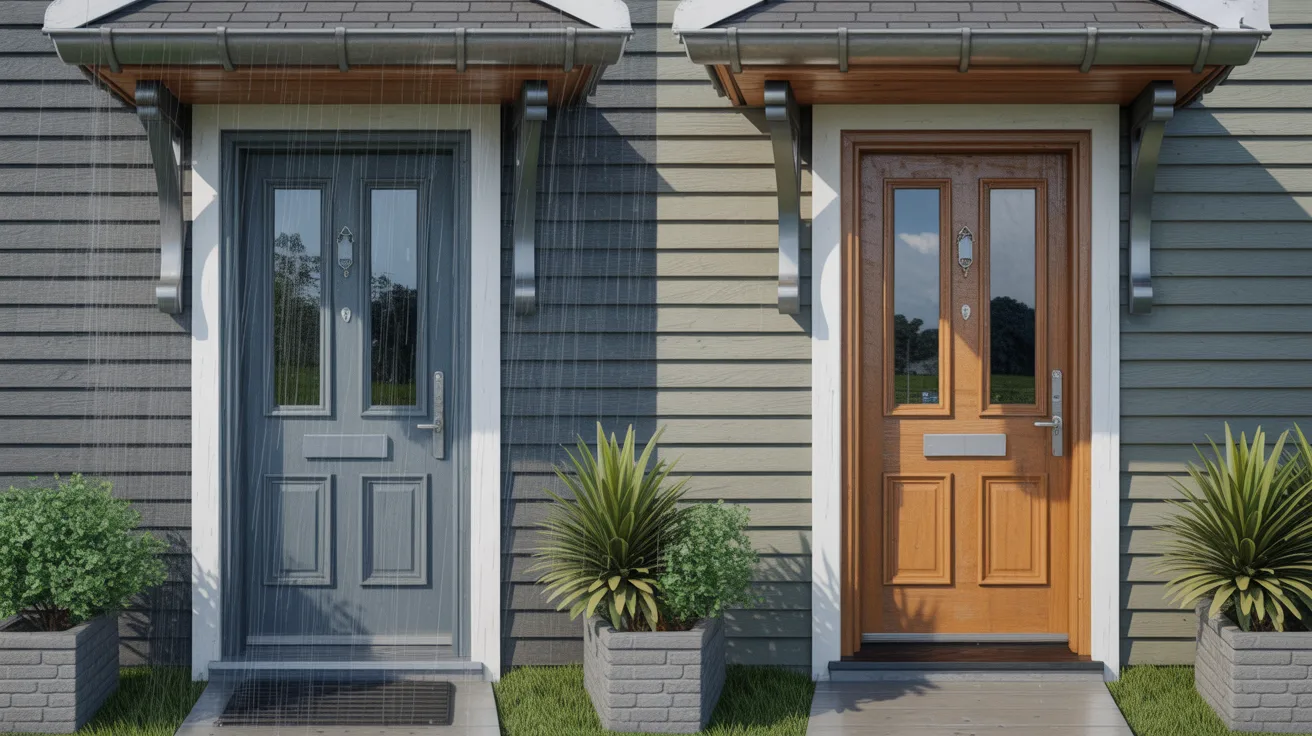
Both composite and wood door frames have proper strengths, but the right choice depends on your budget, maintenance expectations, and the climate around your home.
| Feature | Composite Door Frame | Wood Door Frame |
| Durability and Strength | Resistant to cracking, splitting, and daily wear | Strong but may crack or split without maintenance |
| Weather and Moisture Resistance | Highly resistant to water, swelling, and rot | Absorbs moisture and may warp or rot over time |
| Maintenance Requirements | Low maintenance with simple cleaning | Requires painting, sealing, and regular upkeep |
| Appearance and Style | Modern finish with wood-like designs available | Natural and warm appearance with authentic wood grain |
| Cost and Lifespan | Higher upfront cost but long-lasting with minimal care | Lower initial cost but higher long-term maintenance expenses |
| Installation Differences | Heavier and may need more planning during installation | Easier to cut, adjust, and customize on-site |
Durability and Strength
Composite frames are built to last. They resist cracking, splitting, and general wear over time. Wood frames are strong too, but they can crack or split if not maintained properly.
Weather and Moisture Resistance
This is where composite wins clearly. Wood absorbs moisture, which leads to swelling, warping, and rot over time. Composite frames are sealed during manufacturing, so water does not get in.
Maintenance Requirements
Wood frames need regular painting, sealing, and inspection. Composite frames need almost none of that. A simple wipe-down is usually enough.
Appearance and Style
Wood offers a warm, natural look. Composite can mimic wood grain but may not always match the real thing. If the look of real wood matters to you, wood frames have the edge.
Cost and Lifespan
Wood frames cost less upfront but more over time due to maintenance. Composite frames cost more at first but save money in the long run. Composite frames can last 30 or more years with minimal care.
Installation Differences
Both can be installed by a professional. Wood is easier to cut and adjust on-site. Composite is heavier and may need more planning during installation.
Which Option Is Better for Your Needs?

The better option depends on your home style, local climate, budget, and how much maintenance you are willing to handle over time.
Best for Modern Homes
Composite door frames work well in modern homes. They have clean lines, strong performance, and low upkeep. If your home has a sleek or contemporary look, composite is a solid fit.
Best for Traditional Designs
Wood frames suit older or period-style homes better. The natural grain and warmth of real wood is hard to replicate. If your home has classic features, wood will match the look more naturally.
Best for Humid or Harsh Climates
Composite is the clear winner here. It does not absorb water and holds its shape in both heat and cold. Wood can buckle or rot when exposed to constant moisture, making it a poor choice for coastal or tropical areas.
Tips for Choosing the Right Door Frame
Choose a door frame based on your budget, climate conditions, maintenance needs, and the overall style of your home.
- Consider your climate before buying. Composite works better in rainy or humid areas, while wood holds up fine in mild and dry conditions.
- Compare long-term maintenance costs, not just the price tag. Wood needs regular painting and sealing, while composite saves you money on upkeep over time.
- Match the frame with your home style. Composite suits modern homes well, while real wood fits better in cottages and period-style properties.
- Check durability and security needs before making a final call. Composite frames with reinforced cores offer added strength, making them a good pick if security matters to you.
- Think about resale value and buyer expectations. Homes with composite frames tend to appeal to buyers who want low maintenance, which can work in your favor when selling.
Conclusion
I have seen homeowners go back and forth on this decision many times. Honestly, there is no one right answer for everyone. It all comes down to your home, your budget, and how much upkeep you are willing to do.
If low maintenance and long life matter most to you, go composite. If you love the natural look of wood and do not mind some upkeep, wood still holds its own.
Drop a comment below and tell us which one you are leaning toward. Share this post if it helped you out!
Frequently Asked Questions
How long does a composite door frame last?
Composite door frames can last 30 years or more with minimal care. They hold up well in most weather conditions without needing regular repairs.
Is a wood door frame cheaper than composite?
Wood frames cost less upfront, but maintenance adds to the total cost over time. Composite may save you more money in the long run.
Can composite door frames be painted?
Yes, most composite frames can be painted. However, they often come pre-finished and may not need repainting for many years.
Which door frame is better for security?
Both can be made secure, but composite frames with reinforced cores offer slightly better resistance to forced entry in most cases.
Are wood door frames prone to termite damage?
Yes, wood is more at risk from termite damage than composite. Composite frames are made from materials that termites cannot eat through.