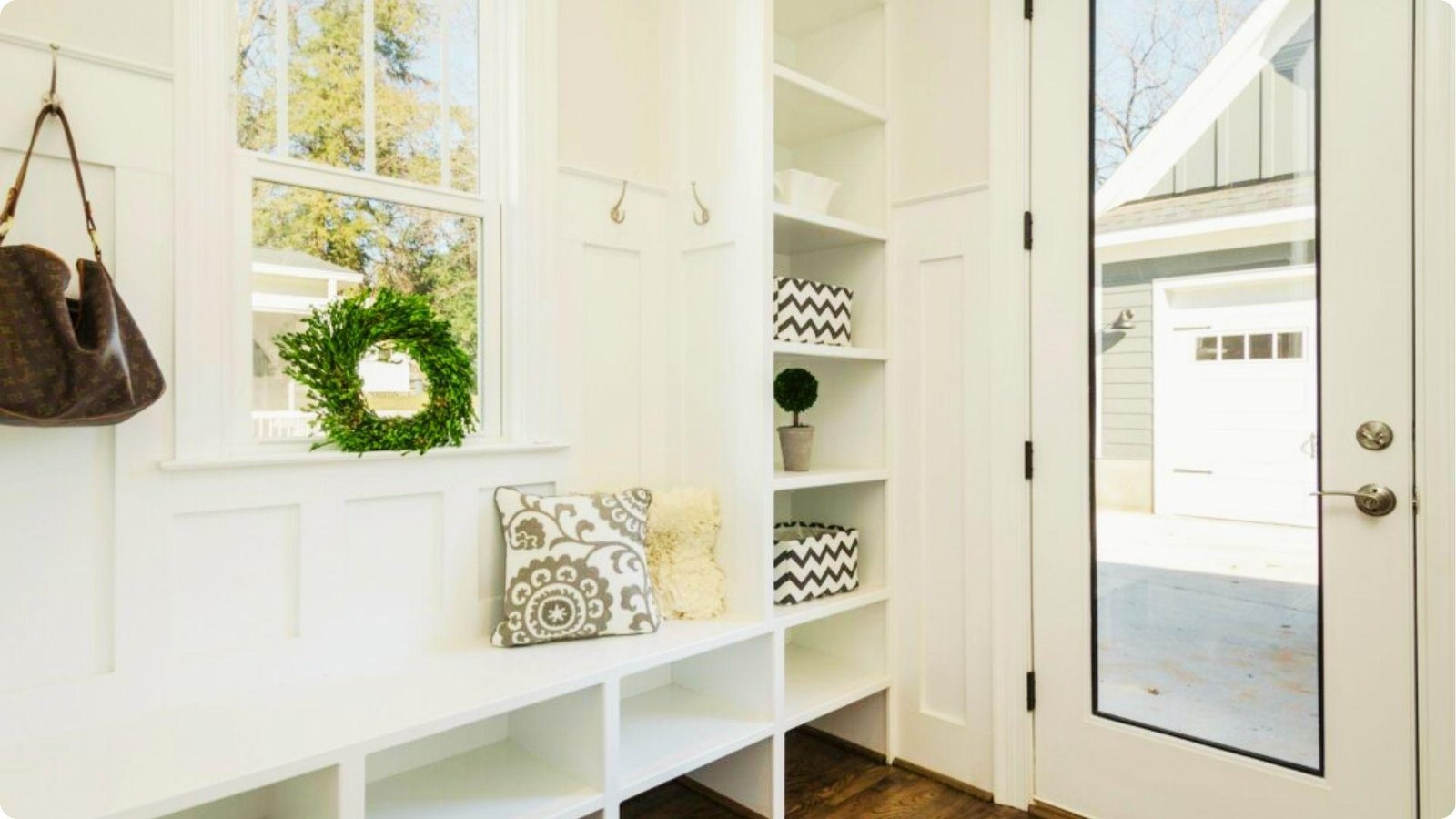

If your entryway is always buried under shoes, wet jackets, and scattered bags, you are not alone. Most families deal with this every single day. A mudroom can change that.
In this blog, you will learn what a mudroom is, how it works, and why it makes a real difference at home.
I will cover design ideas, storage tips, and ways to keep it organized all year long.
Having worked with home organization for years, I know firsthand how one small dedicated space can bring calm to a busy household. By the end, you will have everything you need to get started.
What Is Mudroom?
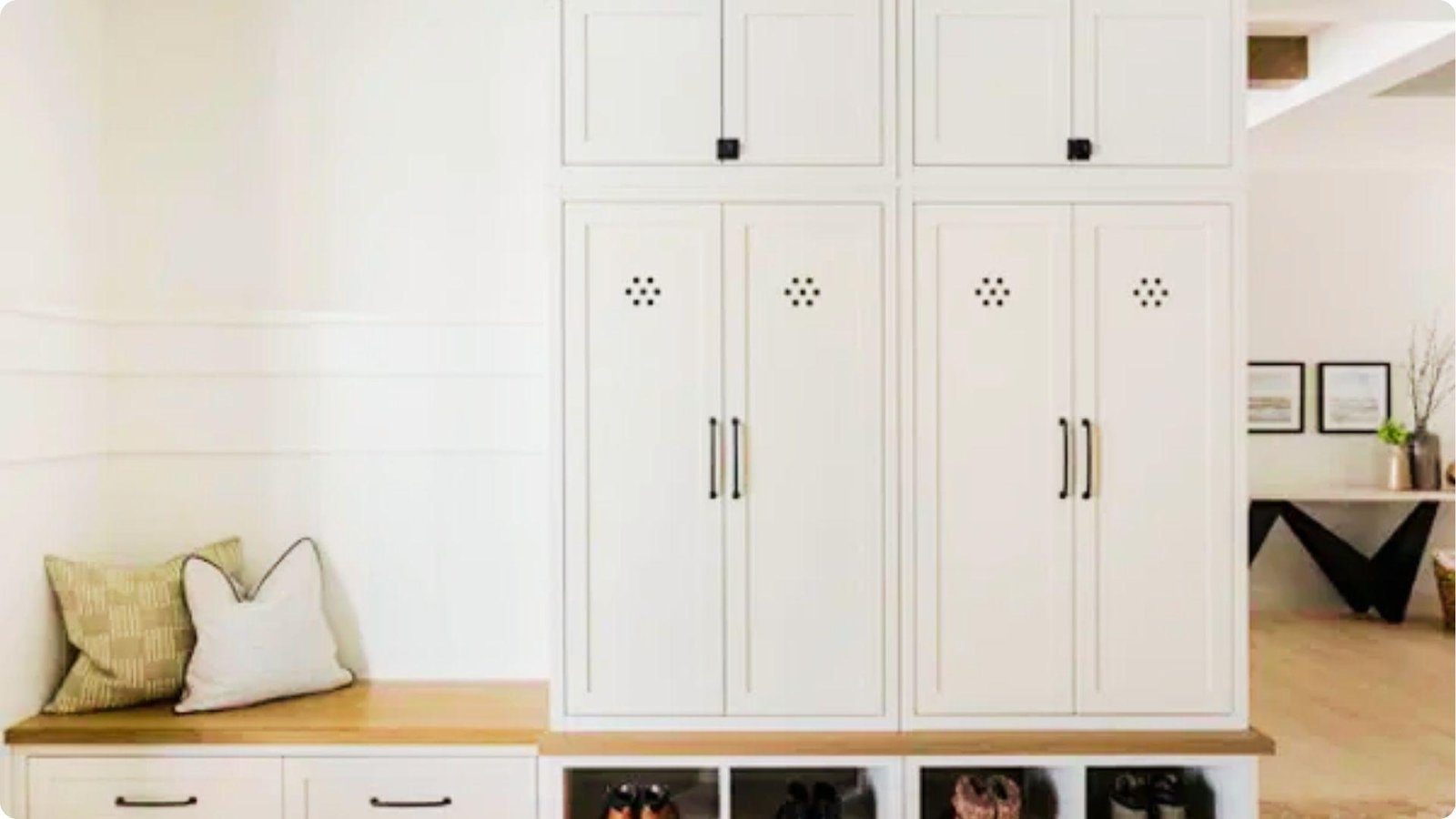
A mudroom is a dedicated space in a home where family members can stop, remove dirty shoes, hang wet coats, and drop bags before entering the main living area.
It acts as a buffer between the outdoors and the rest of your home. The name comes from its original purpose of keeping mud and dirt contained near the entry point.
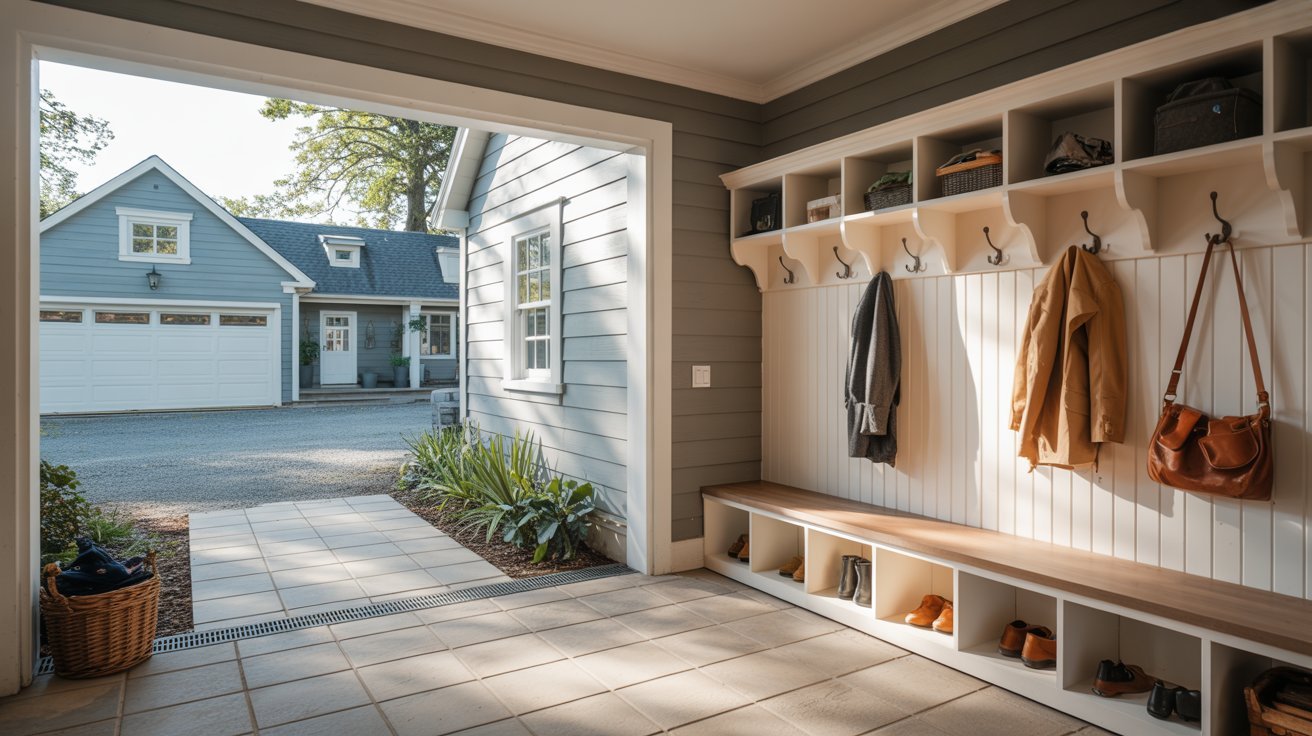
Whether located near the back door, garage, or front entry, a mudroom serves one clear goal.
It keeps your home cleaner and more organized by giving everyday items a proper place to live right from the moment you walk in.
How Does a Mudroom Work in a Household Setting?
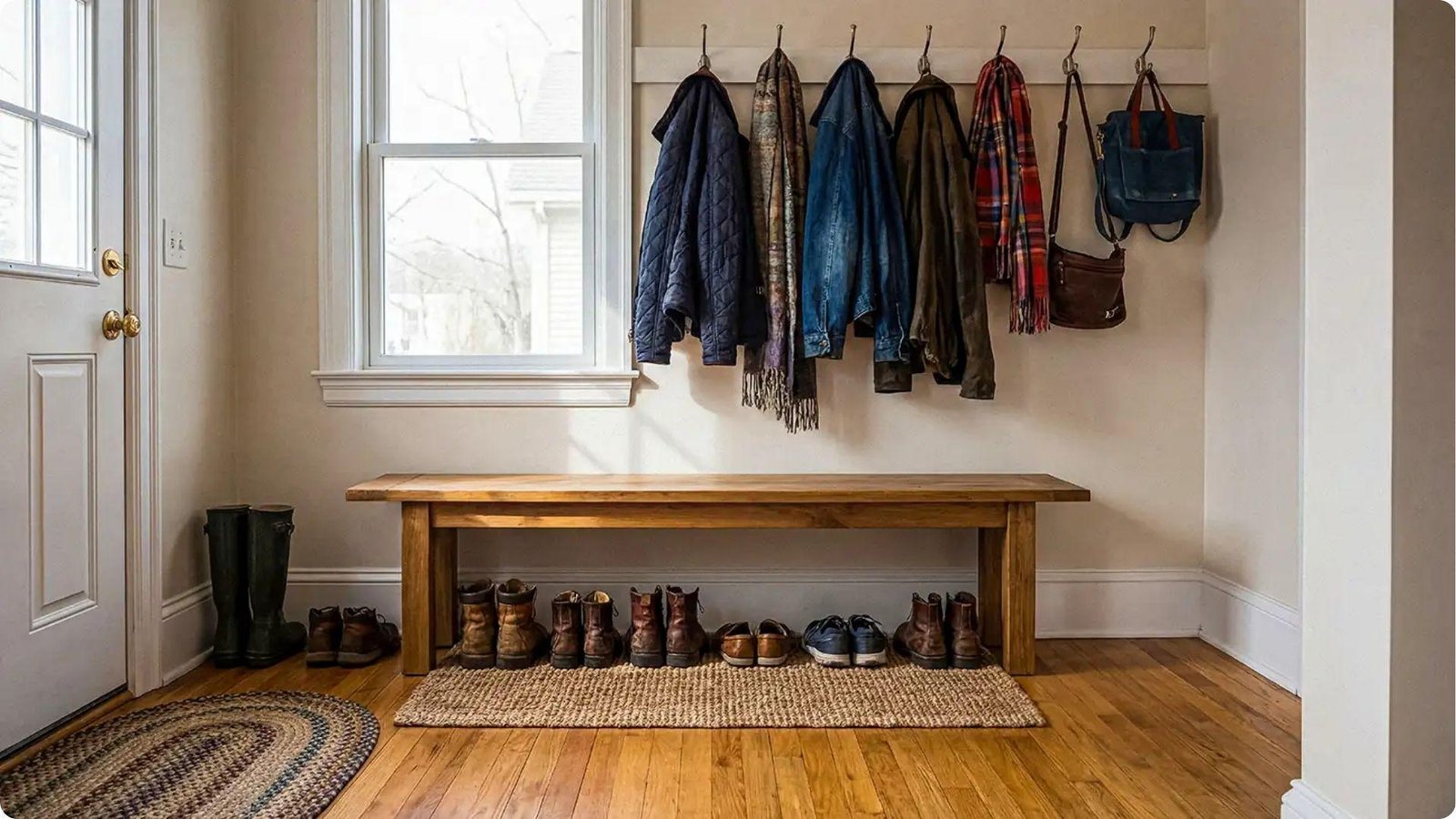
A mudroom works as the first point of contact between your family and your home, keeping daily chaos in check.
Creating a Transition Space Between Outdoors and Indoors
A mudroom creates a clear boundary between outside and inside. It gives you an immediate spot to remove dirty shoes, hang a wet coat, and drop your bag before stepping further into the home.
Keeping Dirt, Mud, and Clutter Out of Main Living Areas
Without a mudroom, dirt travels freely through the house. A mudroom stops all of that at the source by keeping mess contained in one easy-to-clean area.
Managing Daily Family Traffic More Efficiently
Families move fast in the morning, and a mudroom keeps things running smoothly. Everything stays in one spot so no one wastes time searching for a missing shoe or forgotten jacket.
Organizing Everyday Necessities in One Place
Keys, umbrellas, dog leashes, and lunch bags all tend to disappear when you need them most. A mudroom gives each item a fixed home so your daily necessities are always right where you left them.
Main Benefits of Having a Mudroom in Your Home
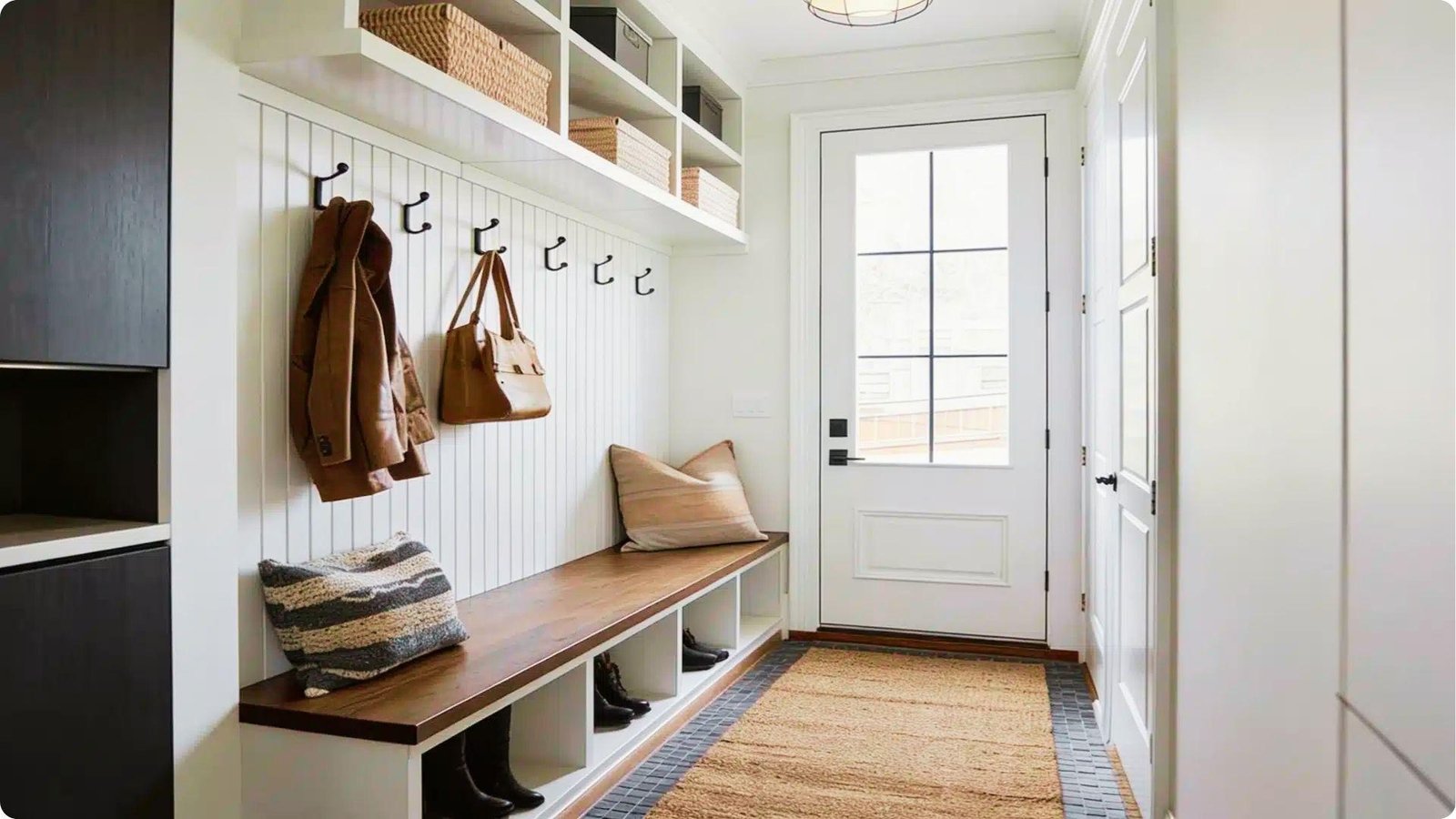
A mudroom brings real, everyday benefits that make your home feel calmer and more put together.
Helps Keep Your Home Cleaner
When shoes come off at the door and dirty items stay in one place, less mess spreads through the house. You end up spending far less time cleaning floors and wiping down surfaces.
Improves Household Organization
A mudroom gives structure to daily life by giving every family member their own hook, shelf, or cubby. When a system is in place, staying organized becomes much easier.
Adds Convenient Storage Space
Most homes never have enough storage, and a mudroom fills that gap right where it matters most. It holds seasonal gear, daily-use items, and everything that would otherwise pile up in hallways or on countertops.
Makes Busy Family Routines Easier
A mudroom keeps coats hung, bags packed, and shoes stored so mornings run with less stress. The whole family can get out the door faster when everything is ready in one place.
Protects Flooring and Interior Surfaces
Wet boots and muddy shoes cause real damage to hardwood floors and carpets over time. Keeping those items contained in the mudroom protects the rest of your home from unnecessary wear.
Creates a More Functional Entryway
An entryway without storage turns into a dumping ground very quickly. A mudroom turns that same space into a working, organized part of your home that also makes a good impression on guests.
How to Effectively Use a Mudroom
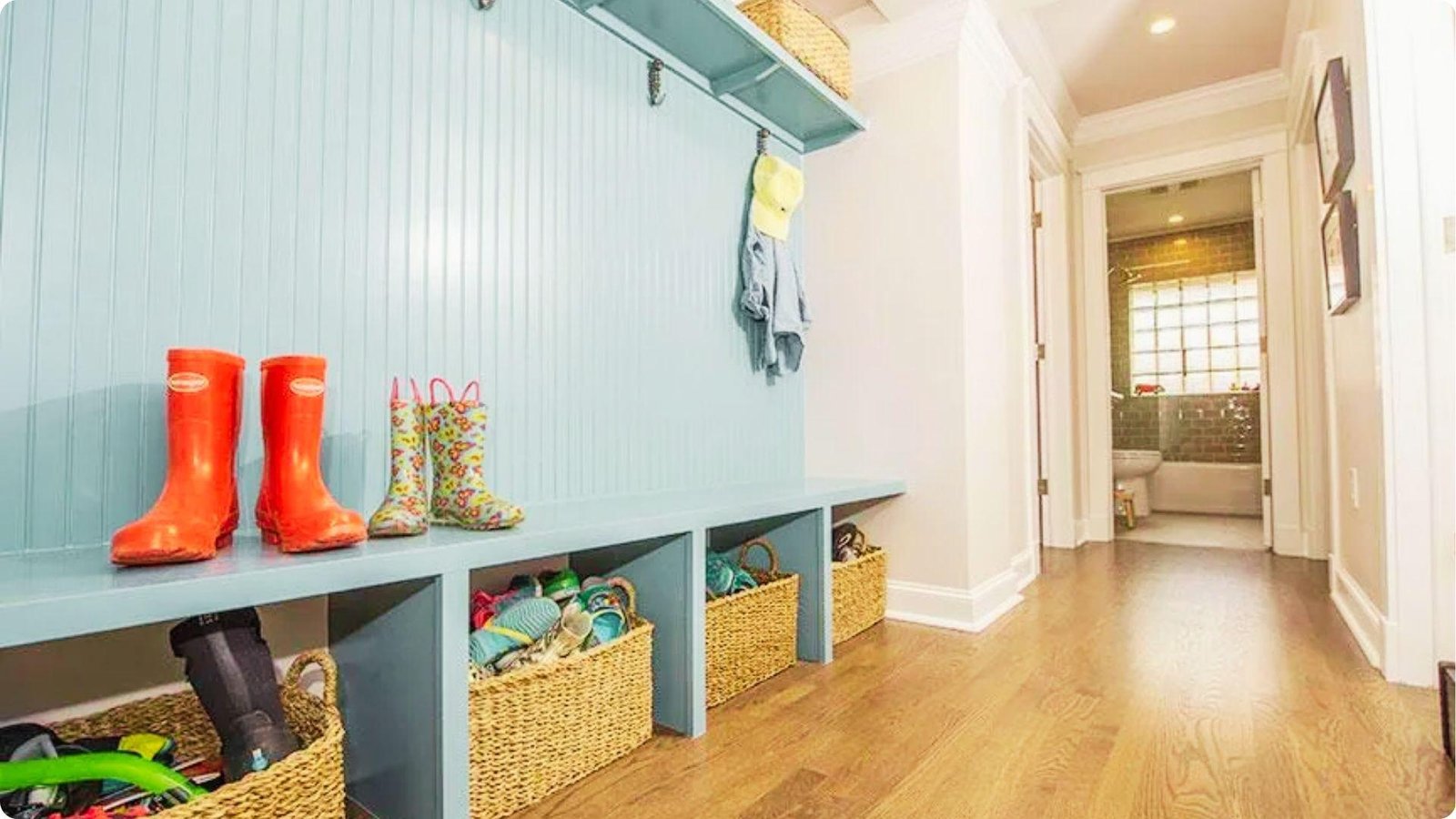
Getting the most from your mudroom means using every inch of it with purpose and consistency.
Store Shoes, Jackets, and Bags Efficiently
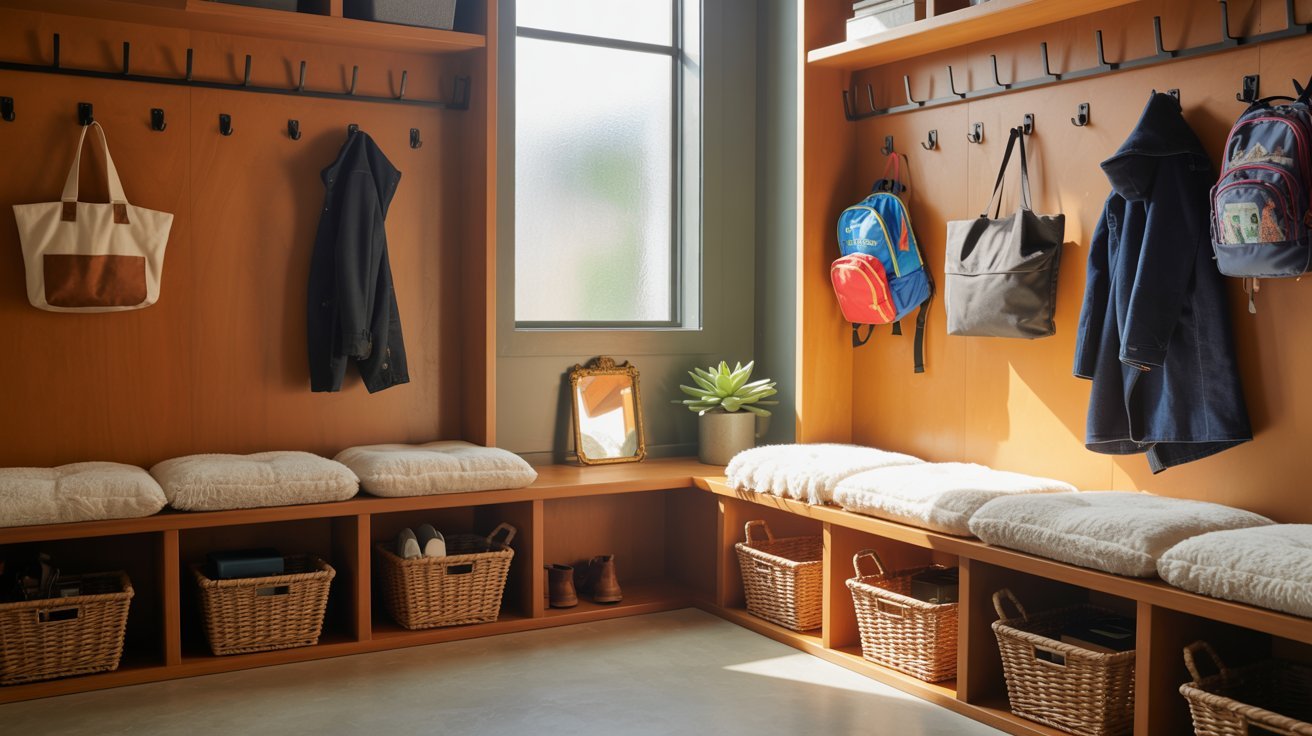
Assign a specific spot for shoes using a rack, cubbies, or under-bench space. Hang coats and bags on wall hooks placed at different heights so both kids and adults can reach them easily.
Organize School Supplies and Backpacks
Set up a dedicated section for school items with a low hook for each child's backpack and a small basket for lunchboxes. Check it each evening so everything is ready for the next morning.
Use Cubbies and Lockers for Family Members
Give each family member their own labeled cubby or locker section so there is no confusion about what belongs where. This also helps children take responsibility for their own belongings.
Create a Dedicated Space for Sports and Outdoor Gear
Store sports bags, helmets, and outdoor equipment in a separate section away from daily-use items. Large bins or hooks keep bulky gear off the floor and out of the way.
Add Laundry Features for Dirty Clothes and Wet Items
A laundry bin or small utility sink in the mudroom makes it easy to drop dirty clothes before they reach the rest of the home. Wet items like rain jackets can also dry here without causing problems elsewhere.
Include Storage for Pets and Cleaning Supplies
Keep pet leashes, waste bags, and grooming items in a small basket so they are easy to grab on the way out. A small broom or mop stored nearby also helps with quick cleanups at the entry.
Important Features Every Functional Mudroom Should Have
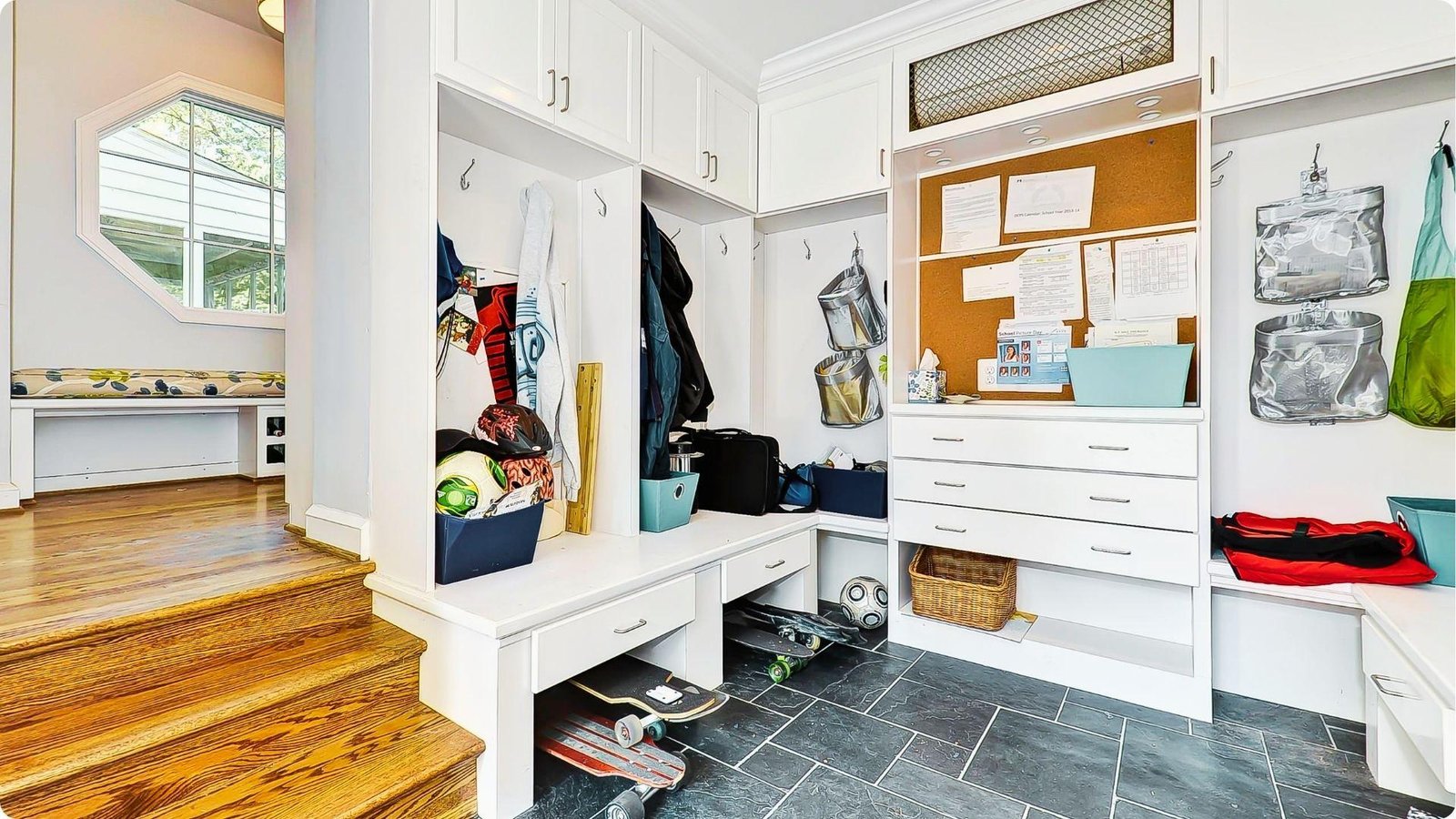
The right features turn a simple entry space into a hardworking part of your home.
Built-In Benches With Storage
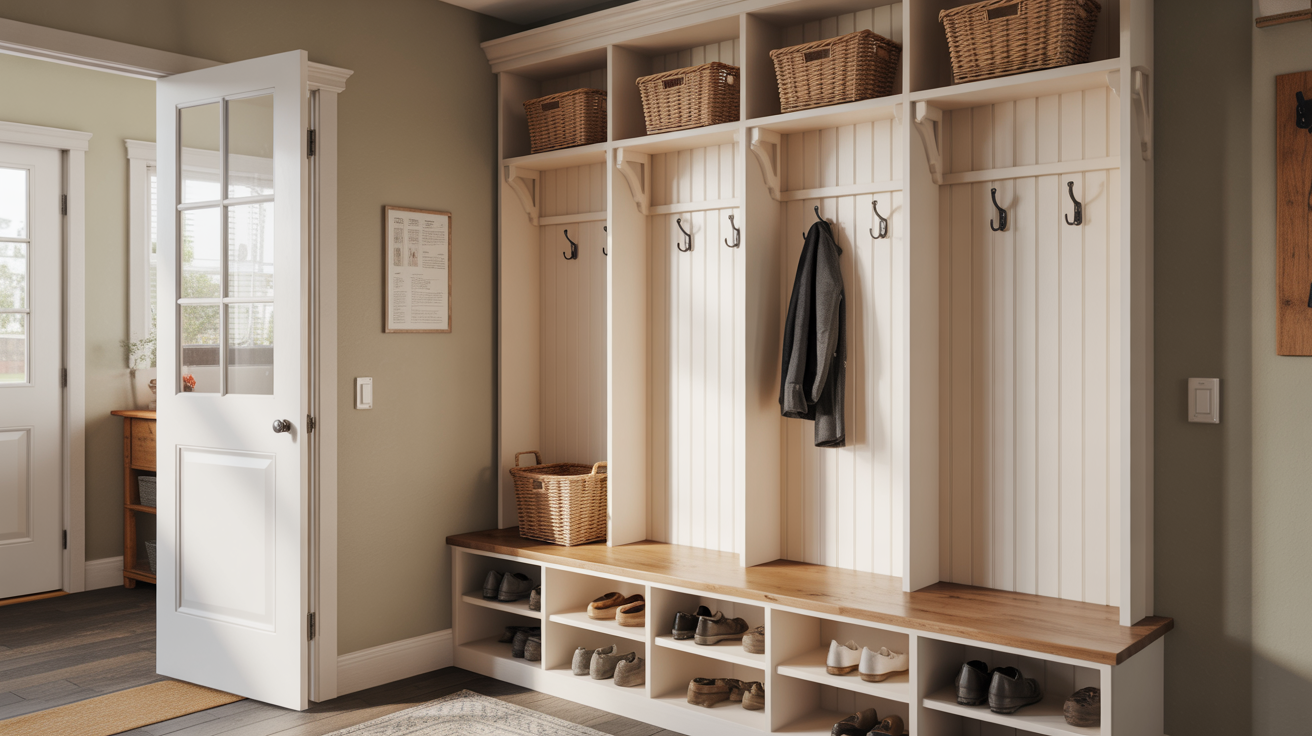
A bench gives you a comfortable place to put on or take off shoes, and built-in storage underneath doubles the function.
It keeps footwear and bags tucked away while making the most of a small space.
Wall Hooks for Coats and Accessories
Wall hooks placed at different heights let both kids and adults hang their own items independently.
Use them for coats, bags, hats, scarves, and umbrellas to keep everything off the floor.
Cabinets, Shelves, and Storage Baskets
Open shelves give quick access to everyday items while closed cabinets keep clutter hidden.
Baskets and bins handle smaller items like gloves or extra bags without taking up too much space.
Tips for Keeping Your Mudroom Organized Year Round
Staying consistent with a few simple habits keeps your mudroom working well in every season.
- Assign each family member their own hook, shelf, or labeled cubby so belongings never pile up in shared spaces.
- Rotate seasonal clothing and gear out of the mudroom when not needed and store them elsewhere.
- Use labeled bins and baskets so everyone knows exactly where each item belongs.
- Sweep floors and wash the entrance rug regularly to stop dirt from building up over time.
- Remove items that have not been used in a while to avoid overcrowding the space.
Conclusion
I still remember the relief I felt the first time our entryway was actually clear. No shoe piles, no bag chaos, just a calm and organized space.
A mudroom does that. It brings order right where your day begins and ends. Whether you are starting from scratch or improving what you already have, small changes go a long way.
If this blog helped you, drop a comment below and share how you plan to set up your mudroom. I would love to hear your ideas.
Frequently Asked Questions
What Is Mudroom in a House Used For?
A mudroom is used to store shoes, coats, and bags near the entry so dirt and clutter stay out of the main living areas.
What Is Mudroom Meaning in Home Design?
In home design, a mudroom is a functional entry space with storage features like hooks, shelves, and benches built to support daily routines.
What Should You Store in a Mudroom?
Store shoes, coats, backpacks, sports gear, pet supplies, and everyday importance like keys and umbrellas in your mudroom.
What Flooring Is Best for a Mudroom?
Tile, vinyl, or sealed concrete work best because they are durable, water-resistant, and easy to clean after heavy daily use.
Can You Add a Mudroom to an Existing Home?
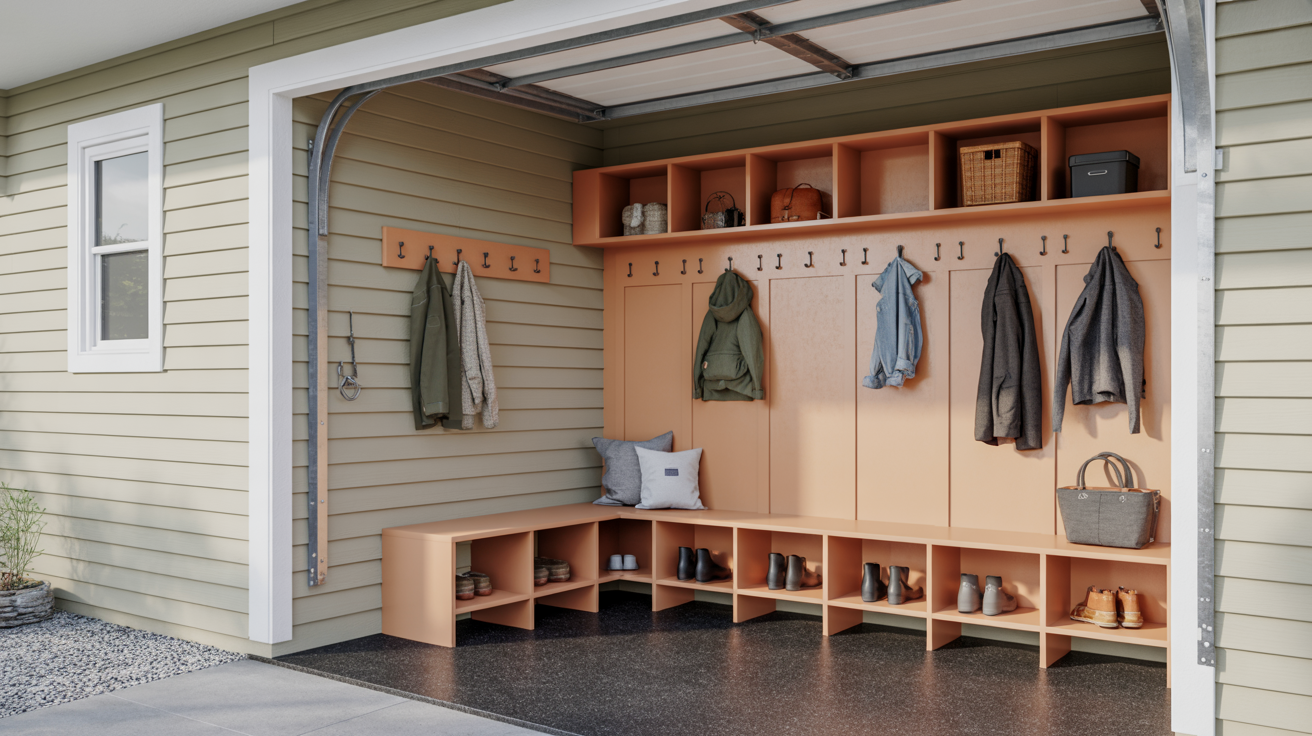
Yes, you can convert a back hallway, garage entry, or unused closet into a mudroom with the right storage additions and flooring.