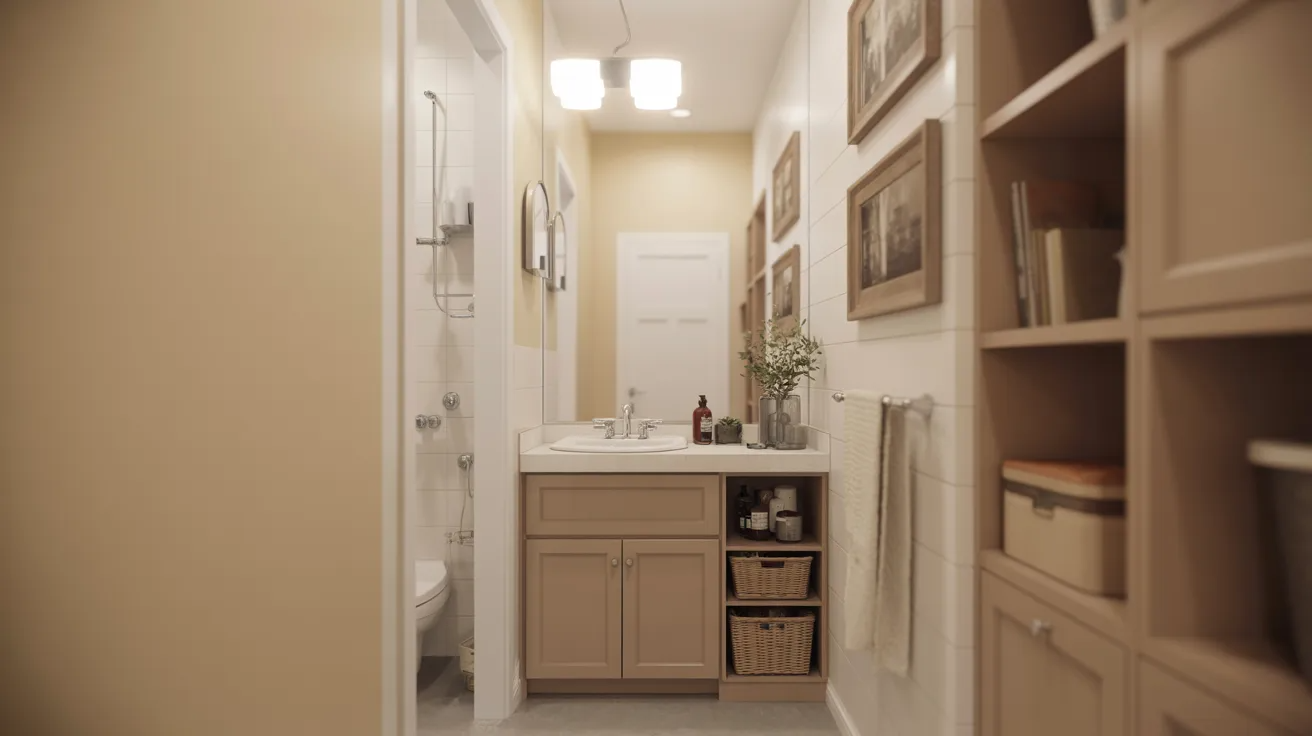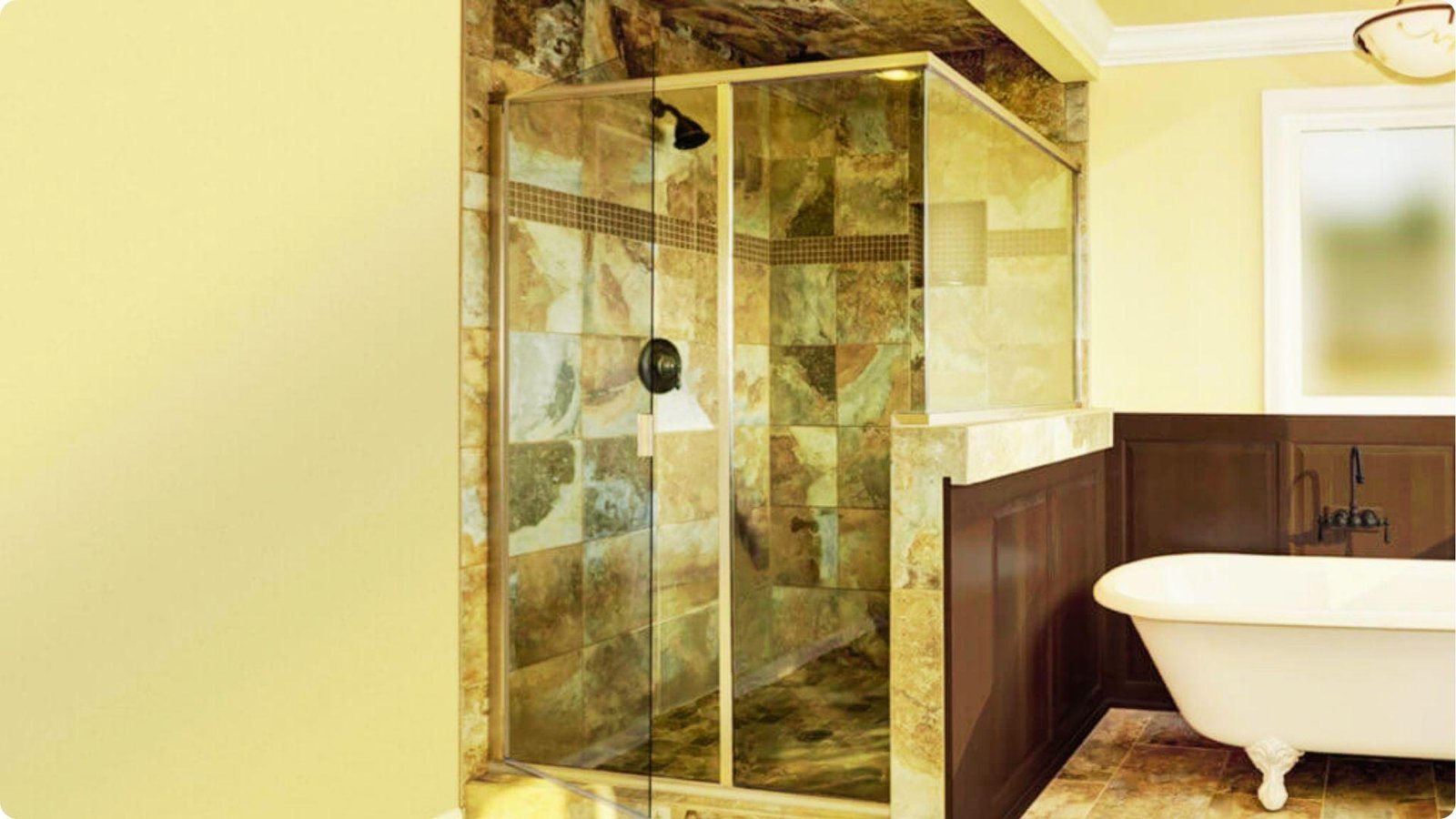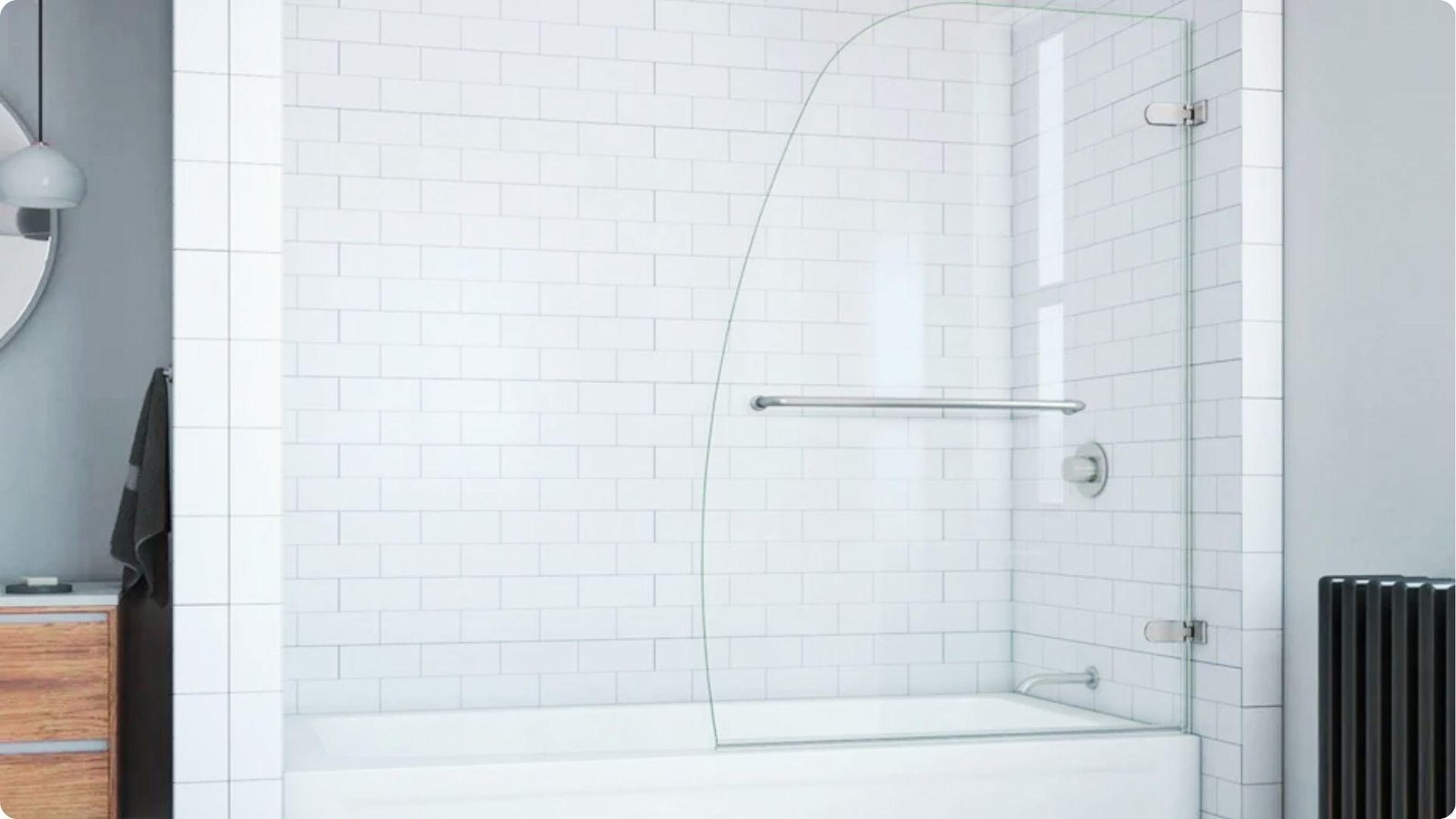


I've helped many homeowners rethink their bathroom setups, and one question keeps coming up, can a curtain really replace a glass door in a walk-in shower? The short answer is yes, and it works better than most people expect.
In this guide, I'll cover everything you need to know about setting up a walk-in shower with a curtain instead of a door, from key planning steps and fabric choices to installation tips and real-world performance.
I have over a decade of bathroom remodeling experience, so I know what works and what doesn't. By the end, you'll have a clear path forward.
Key Considerations Before Choosing a Shower Curtain Setup
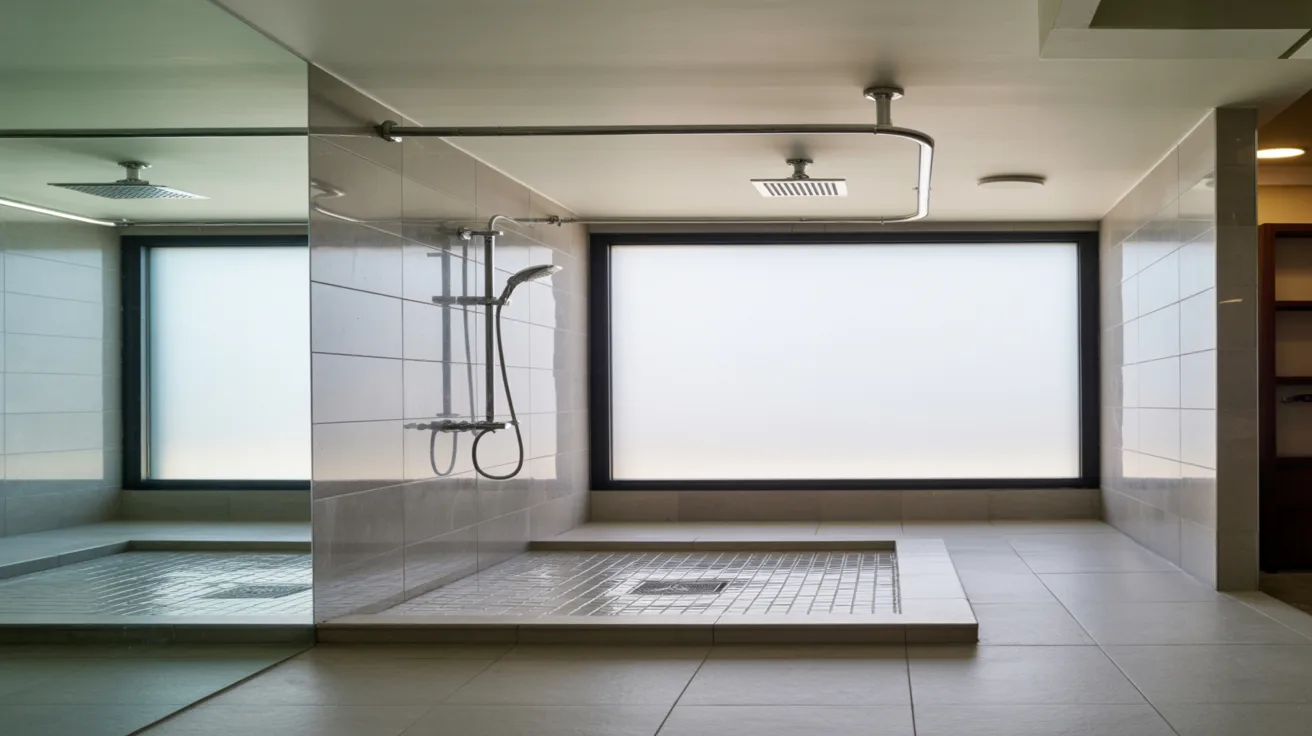
Not every shower is ready for a curtain swap, so start by looking at your space closely. Alcove showers and walk-in designs both work well with curtains, but open layouts may need extra planning to control water spray.
Water control is a top priority. Without a solid curb or slope, water can spread across the floor, so make sure your base is built for it.
Also think about ceiling height for rod placement, ventilation to prevent mildew, and floor slope toward the drain. Getting these basics right before making any changes makes the whole setup work smoothly from day one.
Why Homeowners Choose a Curtain Instead of a Shower Door

Many people are switching to curtains for practical and budget-friendly reasons.
Easier Cleaning and Upkeep
Glass doors show water spots and soap scum faster than most people realize. A curtain skips all that hassle completely.
You can toss it in the washing machine, let it dry, and put it back up in no time. No scrubbing, no streaking, and no special cleaning products needed. It is one of the simplest maintenance wins in any bathroom.
Cost-Effective Solution
Glass door installations can cost hundreds of dollars, and custom options cost even more. A good quality curtain paired with a waterproof liner costs a fraction of that.
There is no custom fitting, no sealing, and no professional installation required in most cases. You save money upfront and keep saving every time you replace it.
Flexible Design Appeal
Curtains come in linen, cotton, canvas, and plenty of other fabrics and patterns. You can swap them out whenever you want a change, whether that means a new color, a different texture, or just a seasonal refresh.
That kind of easy flexibility is simply not possible with a fixed glass panel, and it gives you full control over how your bathroom looks and feels.
Design Styles for a Walk-in Shower with Curtain
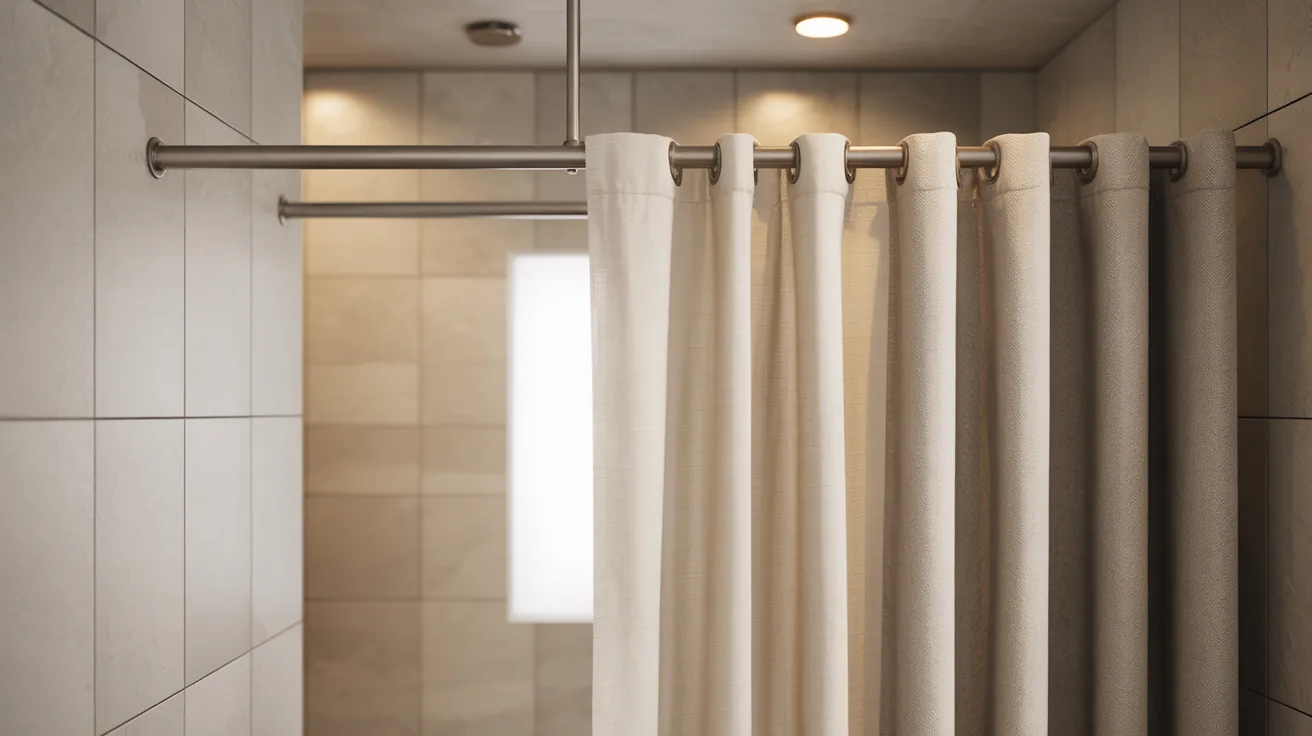
The right curtain and hardware can make your shower look polished and put together.
Fabric Choices for a Premium Look
Fabric matters more than most people think.
Here are good options:
- Linen gives a spa-like, calm feel
- Heavy canvas holds its shape and moves less
- Waterproof fabric liners protect against moisture
Avoid thin, flimsy materials. They cling, move around, and wear out fast.
Hardware and Finishing Touches
The rod and rings are part of the design too. Matte black rods look sharp in modern bathrooms. Metal rings slide smoothly and last longer than plastic ones.
Match your rod finish to your faucet and towel bars. That small detail ties the whole bathroom together.
Installation Setup for Better Water Control
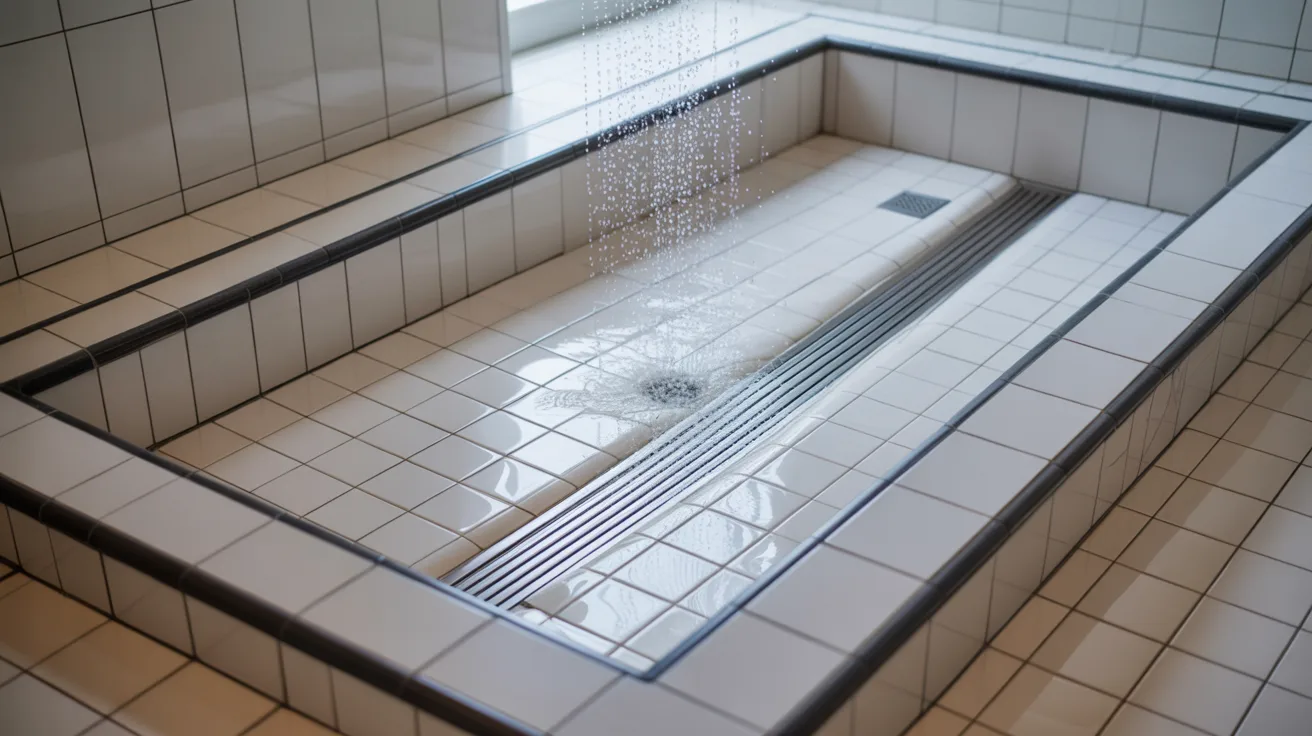
Good installation keeps water inside the shower where it belongs.
Curtain Rod Positioning
Mount the rod slightly inside the shower curb, not above the outer edge. This simple placement guides water inward. Keep the rod at a comfortable height, usually around 72 to 78 inches from the floor.
Shower Base and Curb Importance
A raised curb creates a barrier that stops water from spreading. Your shower floor should slope slightly toward the drain. Without this, even the best curtain setup will have water pooling outside.
Weighted Liners for Stability
A weighted liner hangs straight and stays inside the shower while the water runs. It cuts down on splashing and keeps the curtain from blowing around. Magnet-bottom liners work especially well for this.
Real-World Performance and User Experience

Most homeowners say curtains work just as well as glass doors when set up right.
How Curtains Perform in Daily Use
In real bathrooms, the results speak for themselves. When the liner is weighted, the rod is placed correctly, and the drain works well, water stays inside without any issues.
Many homeowners say they do not miss their glass doors at all once everything is set up properly. The setup performs reliably day after day with very little effort.
Common Issues and How to Avoid Them
Most complaints about shower curtains come from poor setup, not the curtain itself. A curtain that is too short, a rod placed too far out, or a flat shower floor will cause water to escape.
Fix those things first and the problems go away. Maintenance is also simple since a quick wash every few weeks keeps everything fresh and mildew-free.
Impact of Using a Curtain in Walk-in Showers

Curtains bring softness and warmth to a bathroom in ways glass panels simply can't.
How Curtains Change the Feel of Your Bathroom
Glass doors create a clean and structured look, but curtains do something different. They add texture and a relaxed feel to the space, making the bathroom feel less clinical and more personal.
That shift in atmosphere matters more than most people expect. A bathroom should feel comfortable to be in, not just functional.
Using Curtains as a Design Feature
Curtains give you an easy way to bring in color, pattern, or texture without a big renovation.
Paired with the right hardware and neutral tones, a curtain can look just as finished and polished as any glass enclosure.
It is a small change that makes a noticeable difference in how the whole room comes together.
Tips for a Successful Walk in Shower with Curtain Instead of Door Setup
These practical steps help everything work better from day one.
- Use a fabric curtain paired with a waterproof liner for best results
- Choose a weighted or magnet-bottom liner to prevent movement
- Keep the curtain slightly inside the shower base when in use
- Wash curtains regularly to stop mildew before it starts
- Match the curtain hardware to other bathroom fixtures for a clean look
- Make sure the bathroom has good ventilation so curtains dry fully after each use
Conclusion
Honestly, switching to a curtain in my own bathroom was one of the easiest upgrades I've made. Less cleaning, more style options, and a much lower cost.
If you've been thinking about trying a walk-in shower with a curtain instead of a door, I say go for it. Start with a good liner and matching hardware, and you'll be surprised how great it looks.
Have questions or tried this yourself? Drop a comment below. I'd love to hear how it went in your space.
Frequently Asked Questions
Can a shower curtain fully replace a glass door in a walk-in shower?
Yes, it can. With the right liner, rod placement, and shower base setup, a curtain controls water just as well as a glass door in most bathroom layouts.
What type of curtain liner works best for a walk-in shower?
A weighted or magnet-bottom waterproof liner works best. It stays in place during use and keeps water from splashing outside the shower area.
How often should I wash a shower curtain?
Washing it every two to three weeks is a good habit. Regular cleaning stops mildew growth and keeps the curtain looking and smelling fresh.
Will a curtain make my bathroom look less polished than a glass door?
Not at all. Choosing quality fabric, a sturdy rod, and hardware that matches your fixtures creates a clean, finished look that holds up well against glass options.
Is a walk-in shower curtain setup cheaper than installing a glass door?
Yes, by a wide margin. Curtains and liners cost a fraction of what glass door installations run, and you won't need custom fittings or professional sealing work.