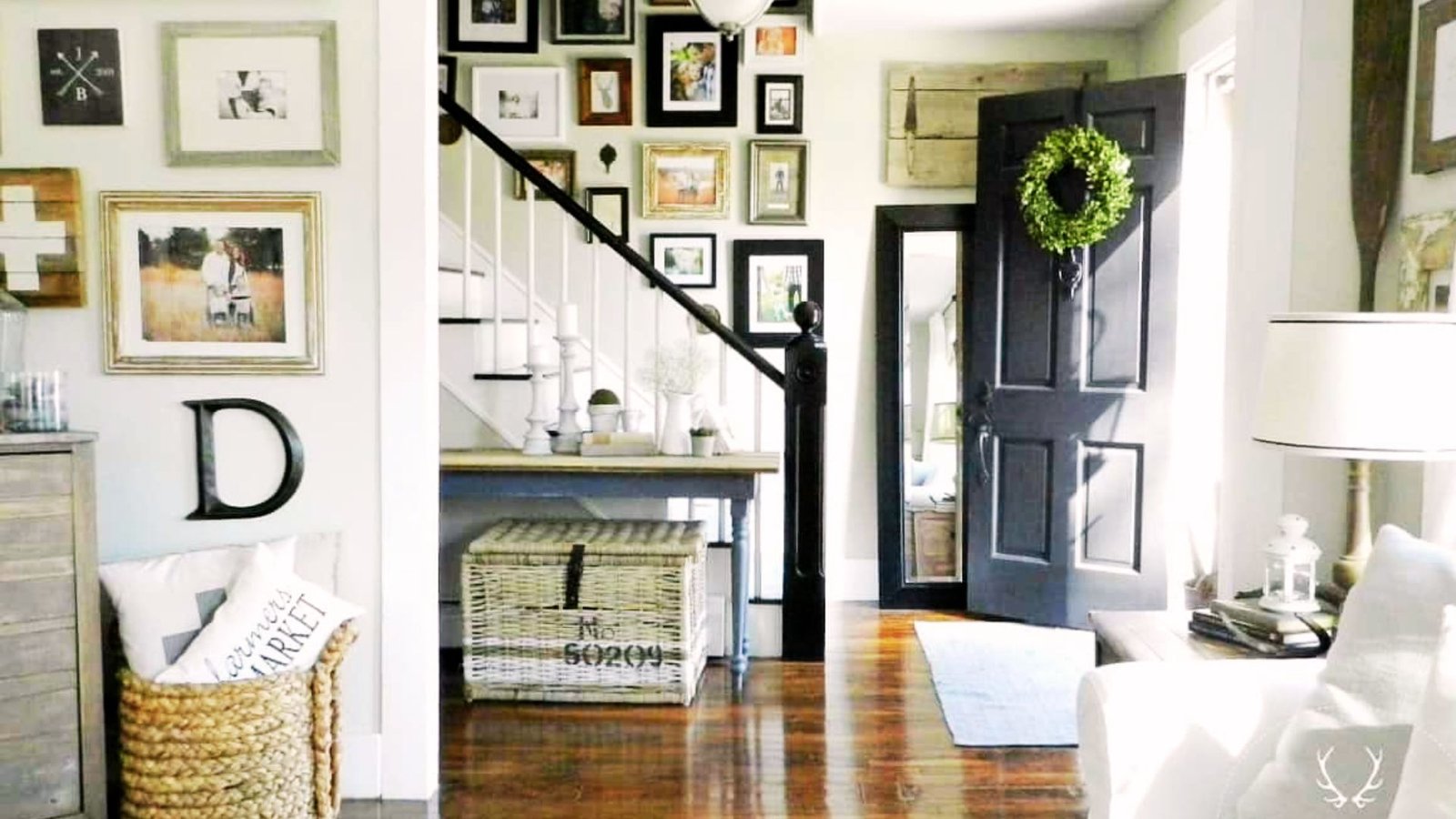
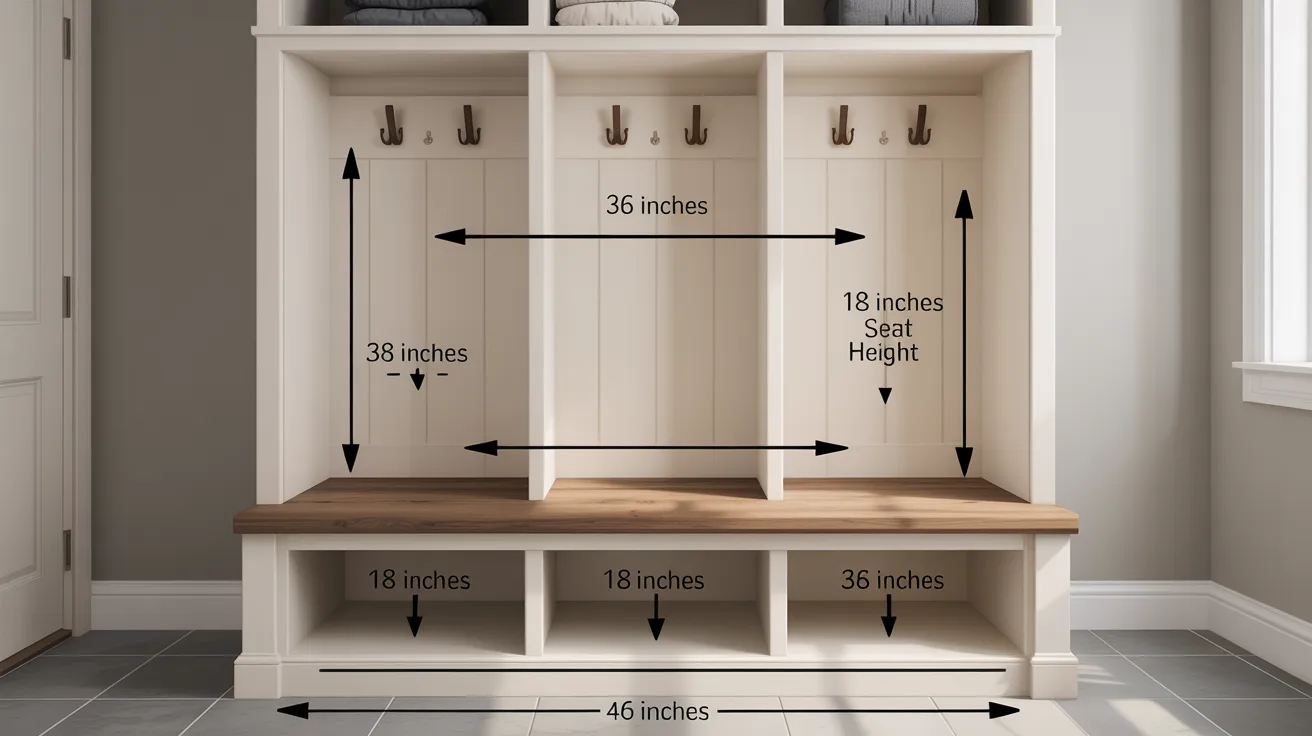

Planning a mudroom bench sounds simple until you realize the wrong size can block traffic, waste space, or just look off.
This guide covers everything you need to know about mudroom bench dimensions, from standard measurements to storage sizing and DIY building steps.
I've put together this resource to help you skip the guesswork. You'll find charts, clearance tips, material suggestions, and a step-by-step build guide, all in plain language.
With years of home improvement research behind this content, you can trust the numbers here. Whether your space is tight or roomy, this guide helps you plan smart.
Mudroom Bench Dimensions Chart
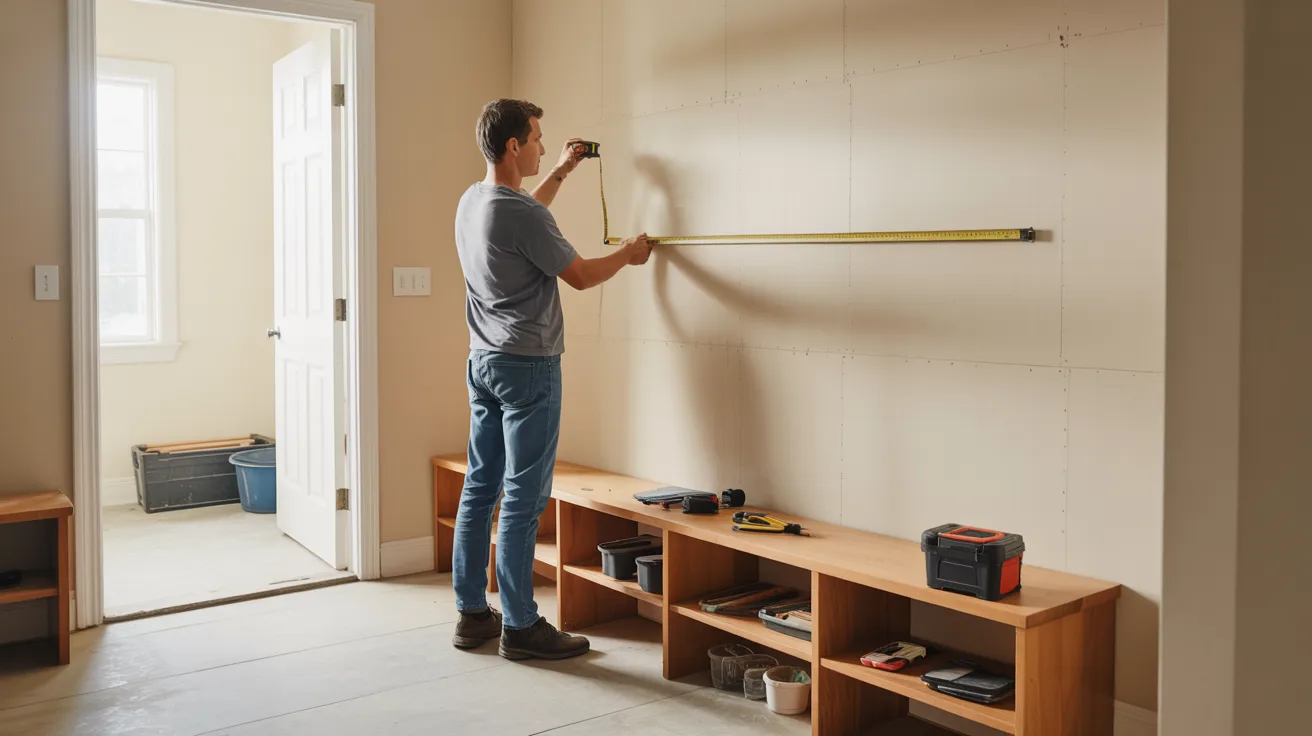
Getting the size right before you build saves a lot of trouble later. A bench that's too deep eats into walkway space. One that's too short leaves people hunching over to tie their shoes.
Standard Mudroom Bench Measurements
Here are the most common dimensions used in residential mudrooms:
- Seat height: 17 to 19 inches (matches standard chair height)
- Bench depth: 15 to 20 inches
- Bench length: 48 to 72 inches for most spaces
- Backrest height (if included): 36 to 48 inches from the floor
These numbers work for most adults and older children. If you have young kids, you may want to drop the seat height to 15 or 16 inches so they can sit and stand without help.
Recommended Bench Sizes by Space Type
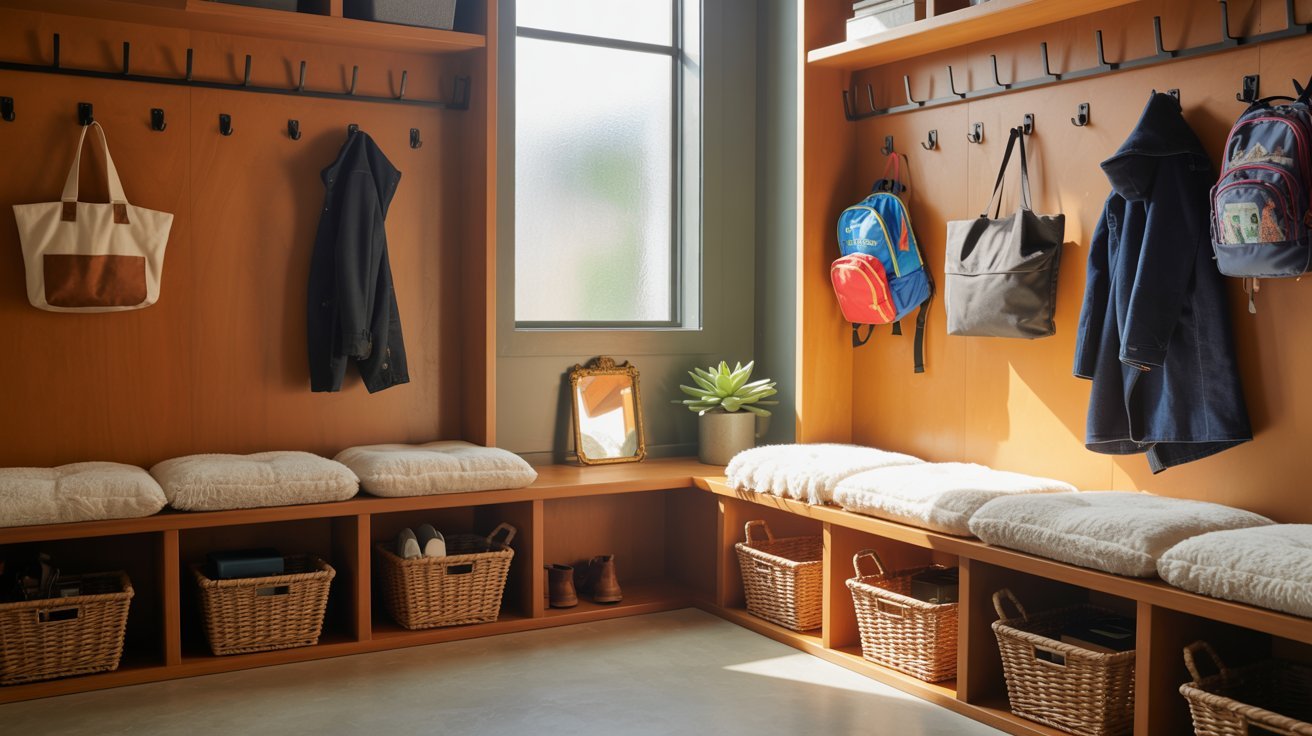
Recommended bench sizes based on different space types such as entryways, mudrooms, and bedrooms for optimal comfort and functionality.
| Space Type | Suggested Length | Seat Height | Depth |
| Small entryway | 36–48 inches | 17 inches | 14–16 inches |
| Standard mudroom | 48–60 inches | 18 inches | 16–18 inches |
| Large family mudroom | 60–84 inches | 18–19 inches | 18–20 inches |
How to Measure for a Mudroom Bench
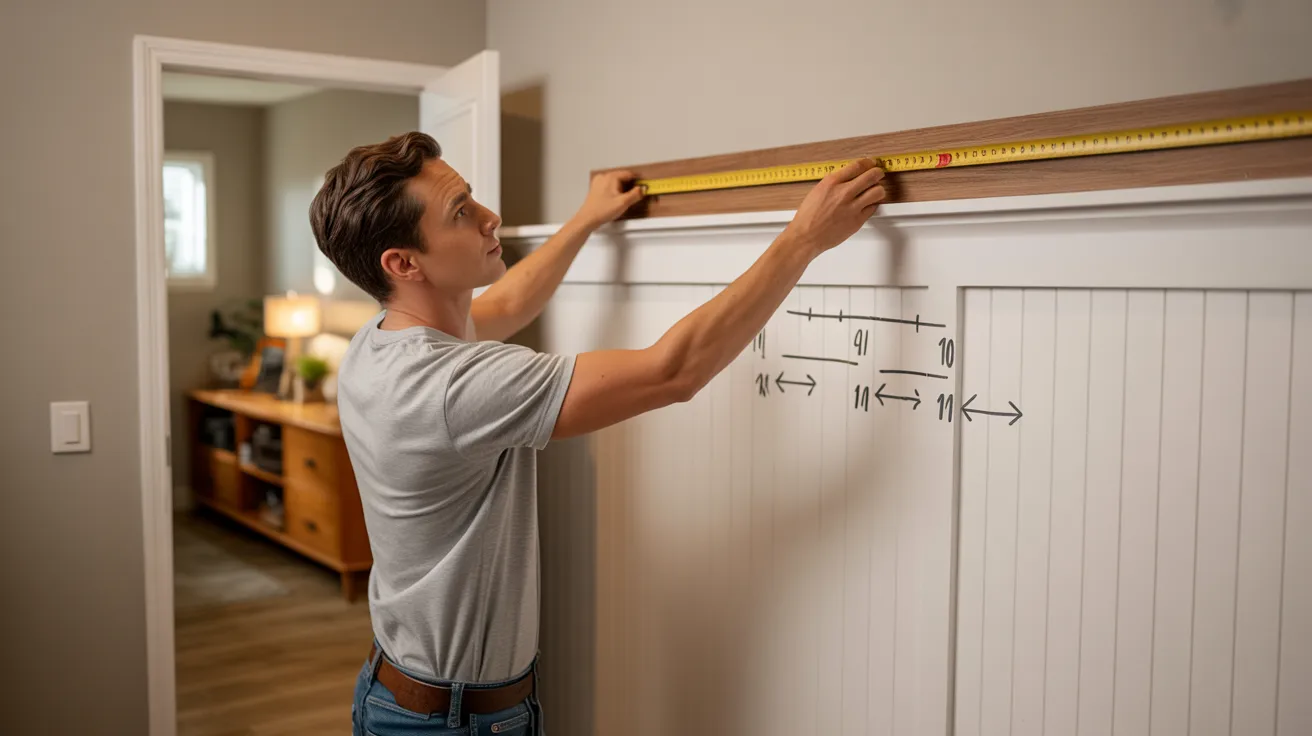
Taking accurate measurements before buying or building is the most important step. A few minutes with a tape measure saves hours of rework.
Measuring Wall Width
Measure the full wall length where the bench will sit. Then subtract any space needed for doors, vents, or light switches.
Leave at least 3 to 4 inches of clearance on each side if the bench is freestanding.
Choosing the Right Bench Depth
The bench depth depends on how much floor space you can give up. In most mudrooms, 16 to 18 inches of depth is the sweet spot. It's deep enough to sit on comfortably but doesn't crowd the room.
If your mudroom is wider than 8 feet, you can go up to 20 inches deep without losing usable walkway space.
Planning Walkway Space
A common mistake is forgetting to account for the person sitting on the bench.
When someone is seated and leaning forward to put on shoes, they take up about 18 to 24 inches of floor space in front of the bench. Keep that in mind when measuring.
Choosing the Right Mudroom Bench Dimensions
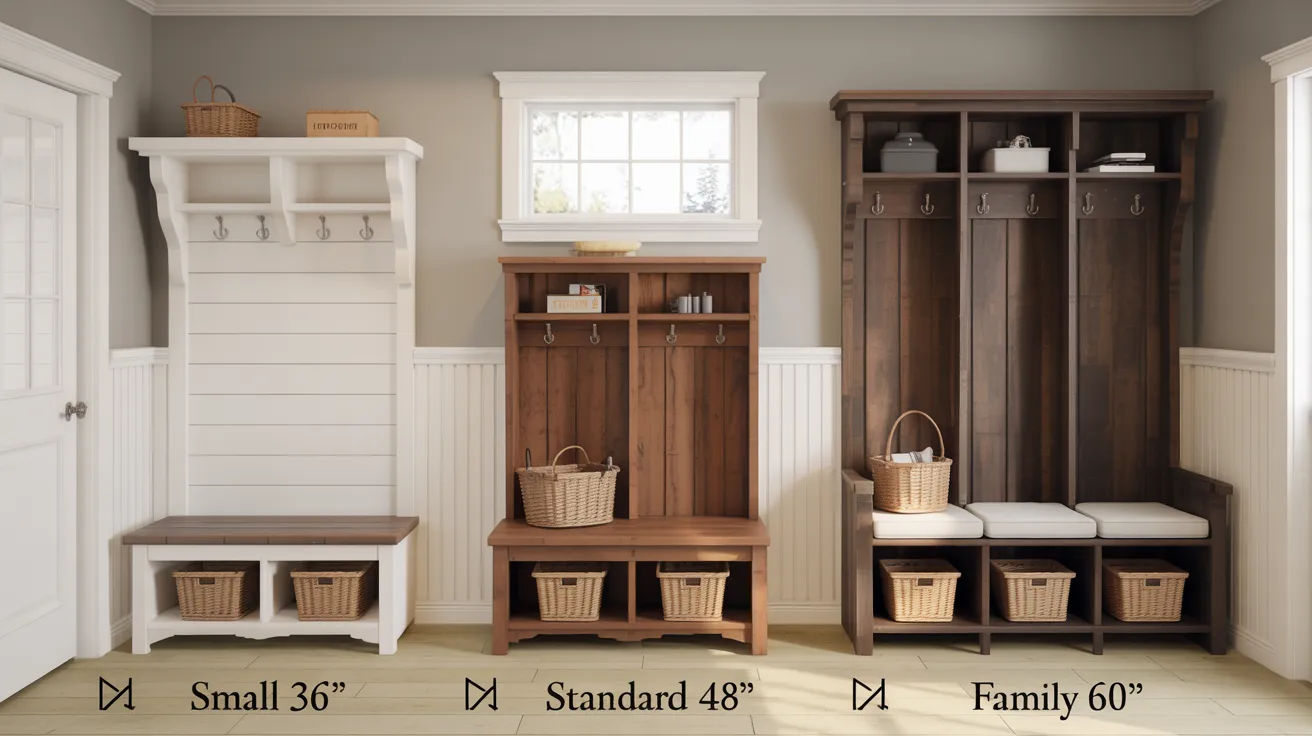
Choosing the right mudroom bench dimensions helps create a comfortable, functional space that fits your family’s needs without overcrowding the room.
Dimensions for Small Mudrooms
In a tight space, every inch counts. Go with a bench that's 36 to 48 inches long and no deeper than 15 to 16 inches. A wall-mounted floating bench works well here because it frees up floor space underneath for shoes or baskets.
Avoid storage drawers in very small mudrooms. They need clearance to open and can block the path completely in narrow spaces.
Dimensions for Large Family Mudrooms
Bigger families need more bench space and more storage. A bench between 60 and 84 inches long gives everyone a spot to sit. You can split the bench into sections with cubbies between them, which also helps organize gear by person.
For families with young children and adults sharing the same space, consider a split-height bench, one section at 17 inches for adults and another at 14 to 15 inches for kids.
Built-In vs Freestanding Bench Sizes
Built-in benches are usually custom-sized to fit the wall exactly. They look clean and use space well, but they're harder to move or change later.
Freestanding benches come in standard sizes. Common options are 48, 52, and 60 inches long. They're easier to install but may leave gaps at the ends of the wall.
If you're building your own, a built-in style gives you the most control over sizing and storage options.
Mudroom Bench Dimensions With Storage
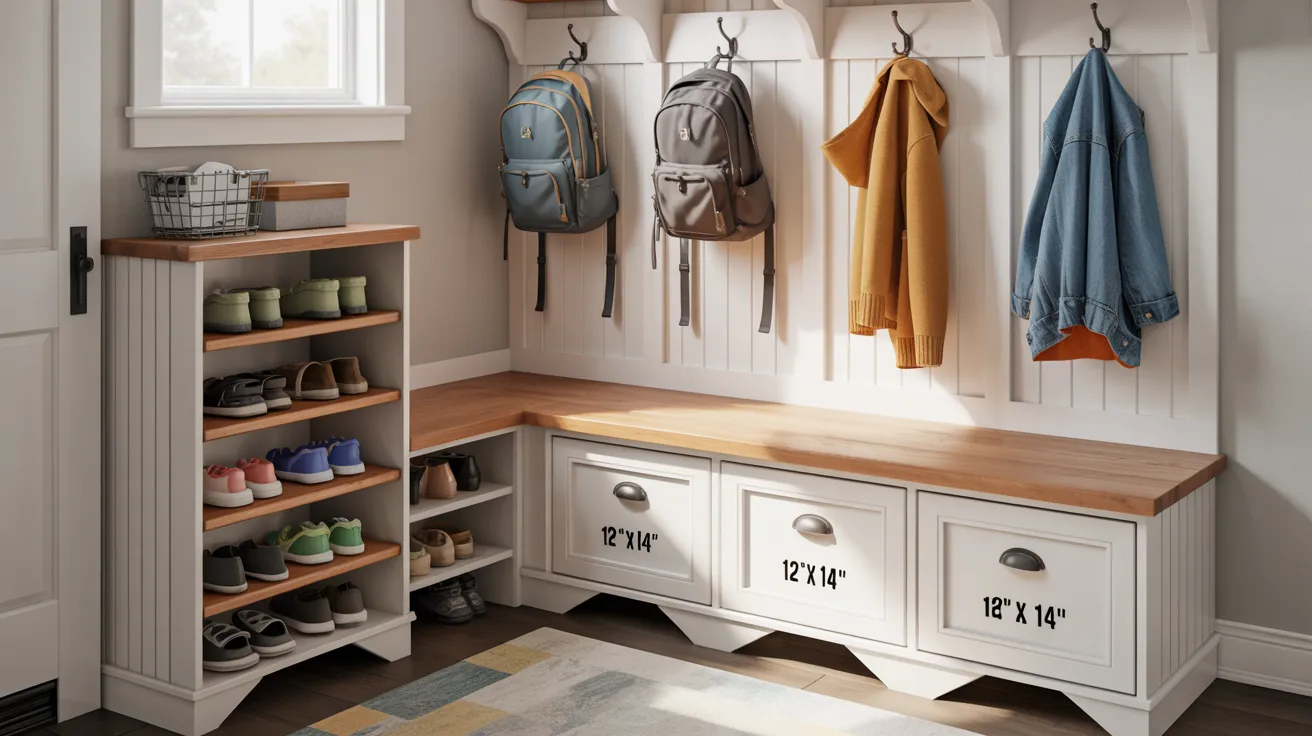
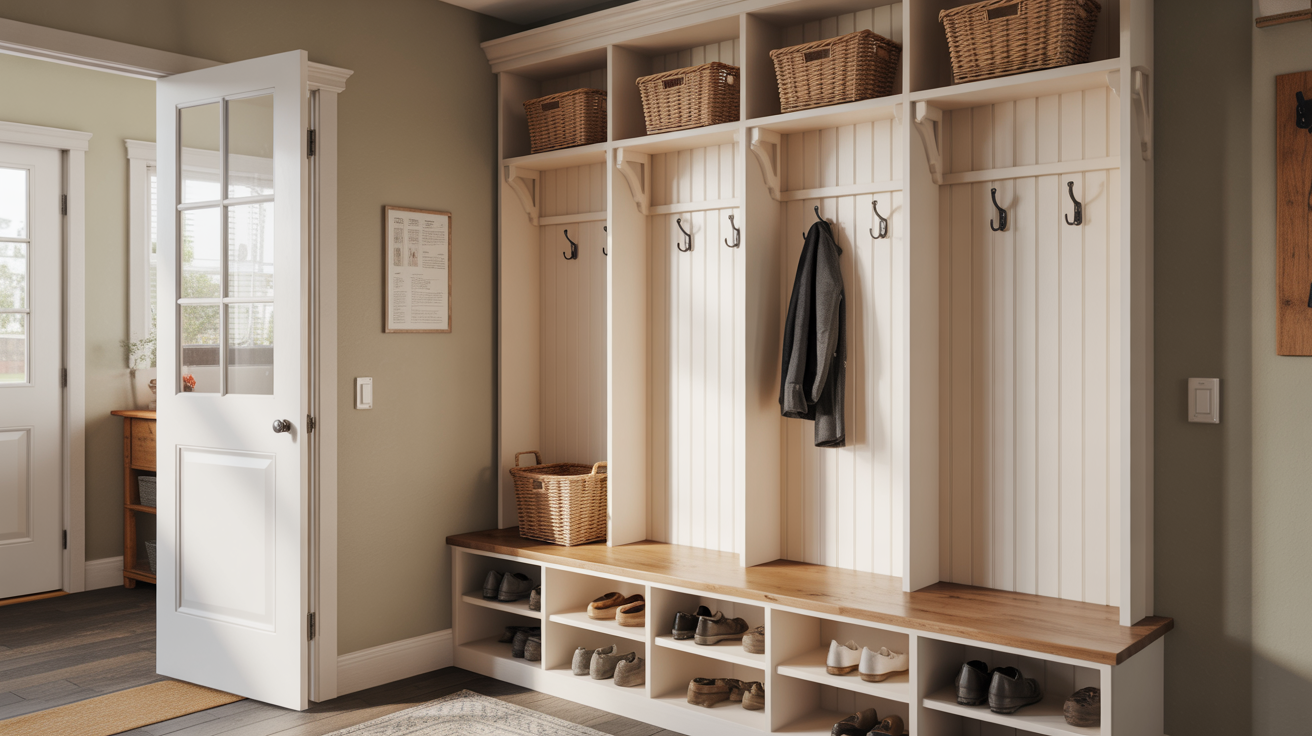
Standard mudroom bench dimensions with storage options designed to maximize seating comfort while providing practical space for shoes, baskets, and everyday essentials.
Shoe Storage Dimensions
Shoes need more room than most people think. A standard adult shoe takes up about 4 inches of height and 12 inches of depth. For a bench with a shoe shelf underneath, leave at least 7 inches of vertical clearance per shelf to fit most footwear.
For boots, you'll need 12 to 14 inches of height. A pull-out drawer for shoes should be at least 14 inches deep and 6 to 8 inches tall.
Cubbies and Drawer Sizes
Individual cubbies work well for organizing by family members. A good cubby size is 12 to 15 inches wide, 12 inches deep, and 36 to 48 inches tall. This fits a backpack, a jacket, and a pair of shoes with room to spare.
Drawers under the bench seat are usually 18 to 24 inches wide, 14 to 18 inches deep, and 6 to 8 inches tall. Two or three drawers across the bench length work well for most families.
Hooks and Cabinet Spacing
Hooks above the bench should sit 60 to 66 inches from the floor for adults. For kids, add a lower row at 40 to 48 inches. Space hooks at least 8 inches apart so coats don't overlap and stay easy to grab.
If you're adding upper cabinets above the bench, leave 18 to 24 inches of open space between the bench seat and the bottom of the cabinet. This keeps the area from feeling too closed in.
DIY Mudroom Bench Building Guide
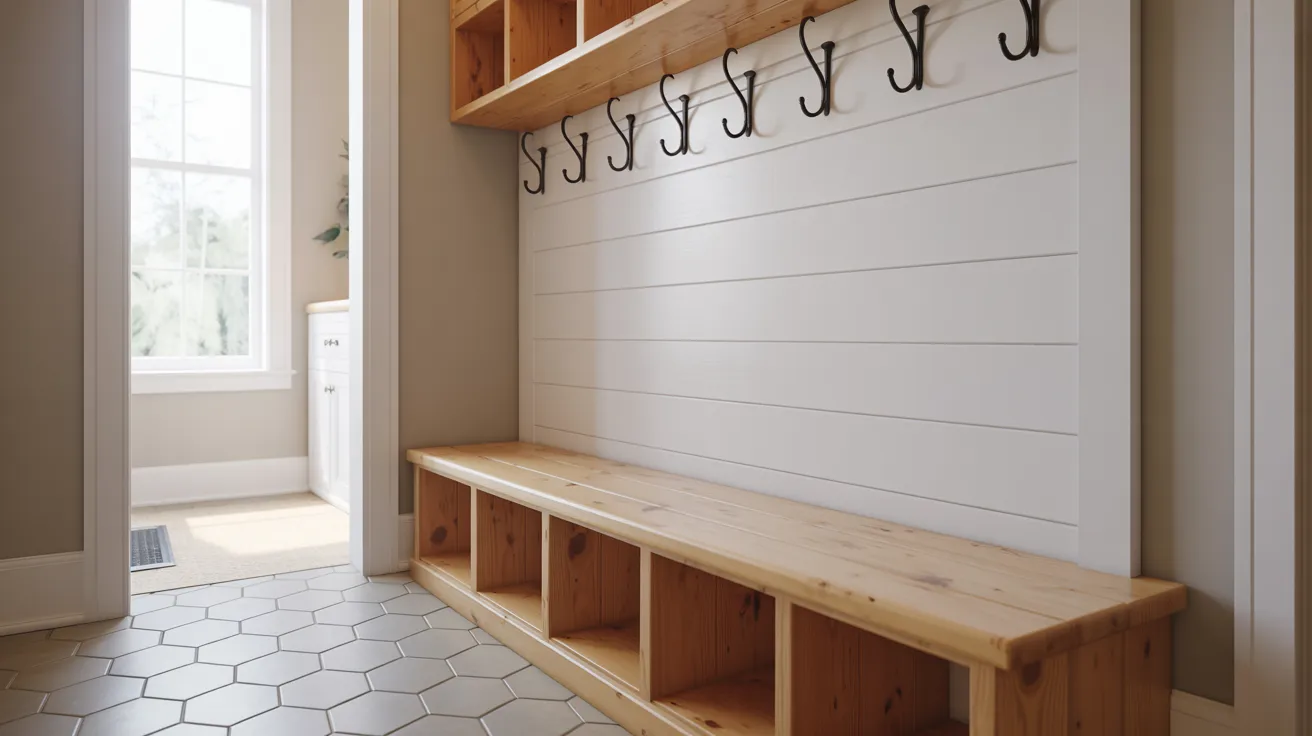
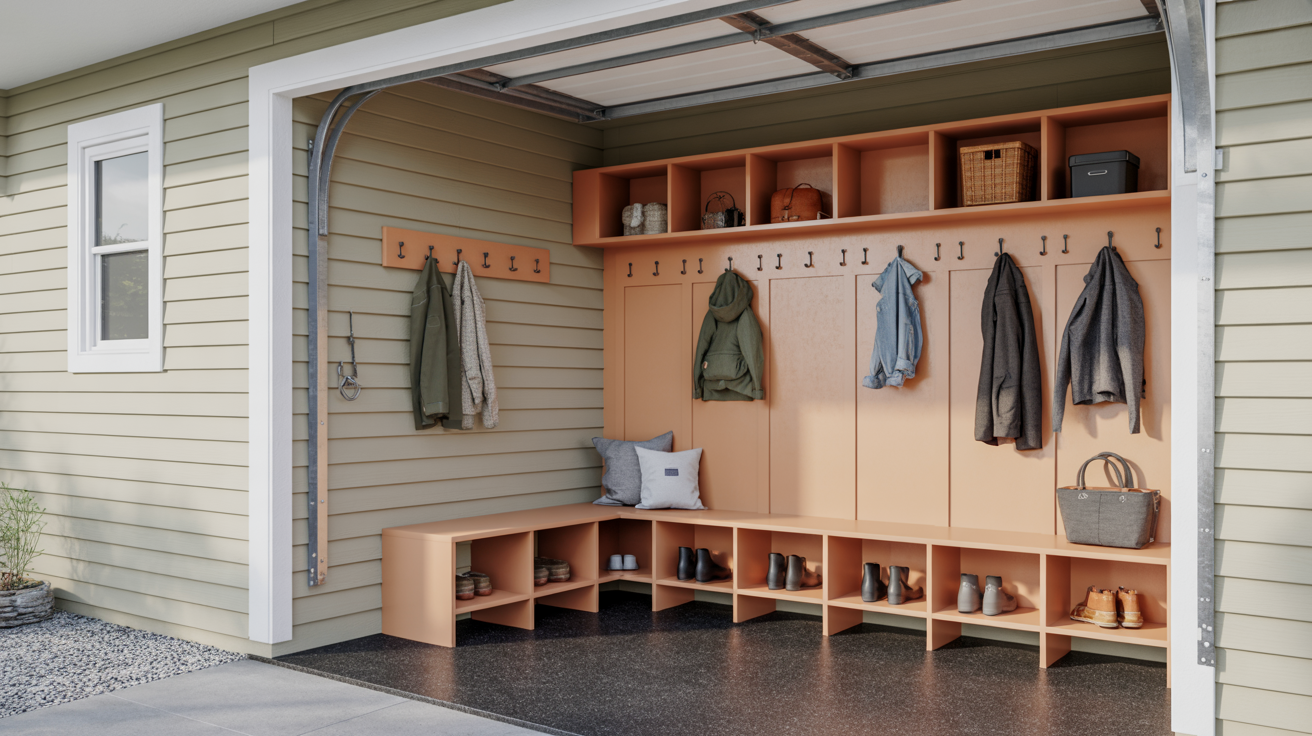
Build a functional DIY mudroom bench with the right dimensions, durable materials, and smart storage solutions for any entryway space.
Tools and Materials Needed
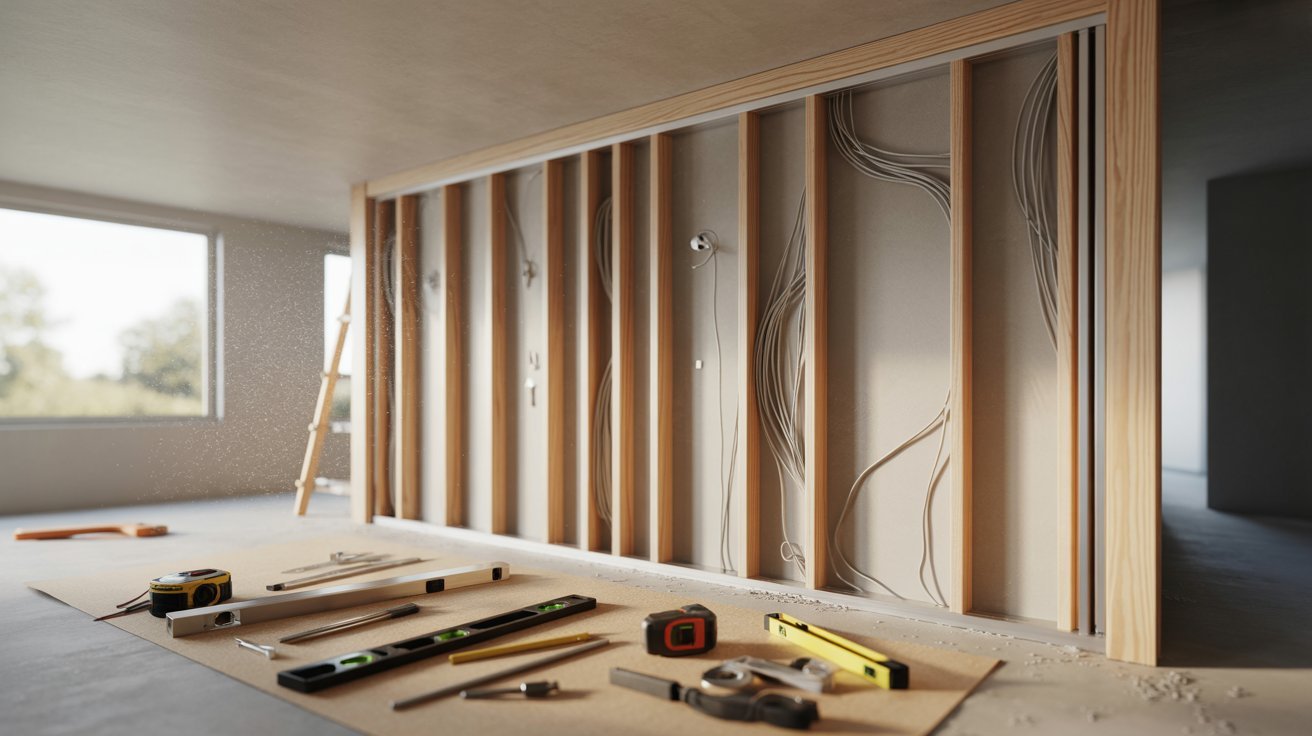
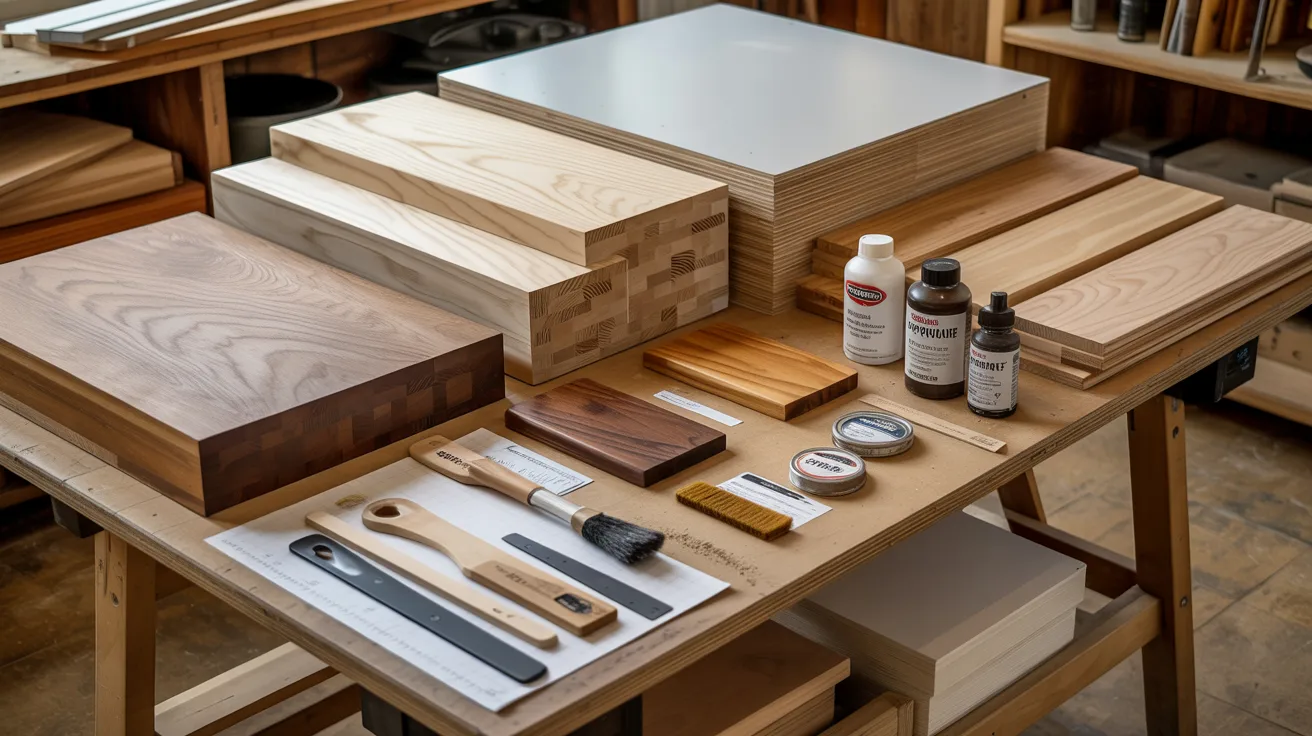
Important tools and materials including measuring tools, saw, drill, wood boards, and finishing supplies needed to build a sturdy DIY bench.
- Tape measure and pencil
- Circular saw or miter saw
- Drill and screws
- Level
- Sandpaper (120 and 220 grit)
- Plywood or solid wood boards (3/4 inch thickness works well)
- Wood glue
- Paint or stain and a brush or roller
Step-by-Step Building Instructions
Step-by-step process for building a DIY bench including measuring, framing, adding a seat top, storage sections, and finishing for a clean and sturdy result.
- Measure and mark your wall space. Cut your base pieces to length.
- Build the frame using 2×4 lumber. A simple box frame works for most bench styles.
- Add the seat top using a 3/4-inch plywood panel or solid wood boards. Sand edges smooth.
- Attach side panels and back support if building a built-in style.
- Add storage sections like shelves, cubbies, or drawer boxes based on your plan.
- Fill nail holes and gaps with wood filler. Let it dry fully before sanding.
Installing and Securing the Bench
For built-in benches, screw directly into wall studs using 3-inch screws. A freestanding bench can be secured with L-brackets fastened to the wall.
This prevents tipping, especially important in homes with kids.
Painting and Finishing Tips
Prime bare wood before painting. Two coats of a semi-gloss or satin paint hold up well in high-traffic mudroom spaces.
For a natural wood look, use a water-based polyurethane over stain for a finish that's easy to clean.
Best Materials for a Durable Mudroom Bench
\
Mudrooms take a beating. Wet boots, heavy bags, and daily use mean your bench needs strong materials.
Plywood is the most practical choice for built-in benches. It's stable, affordable, and holds screws well. Use cabinet-grade plywood for a smoother surface on exposed panels.
Solid pine or poplar works well for bench seats and trim. Both are easy to paint and widely available.
MDF is fine for painted surfaces but avoid using it near the floor or in wet areas. It swells when it gets damp.
For the seat surface, adding a coat of polyurethane protects against moisture and daily scuffs.
Common DIY Mistakes to Avoid
Common DIY bench mistakes such as incorrect depth, ignoring wall studs, poor layout planning, skipping sanding, and failing to secure the structure properly.
- Building too deep: Anything over 20 inches usually gets in the way more than it helps.
- Skipping the stud finder: A bench attached only to drywall won't hold for long.
- Not accounting for door swing: Check that drawers and doors don't block each other when open.
- Forgetting to sand between coats: Skipping this step leaves a rough, uneven finish.
- No wall anchor on freestanding benches: Always secure to at least one stud.
Mudroom Bench Design Ideas
Creative mudroom bench design ideas including built-in, floating, corner, and storage-focused layouts to improve space, comfort, and organization.
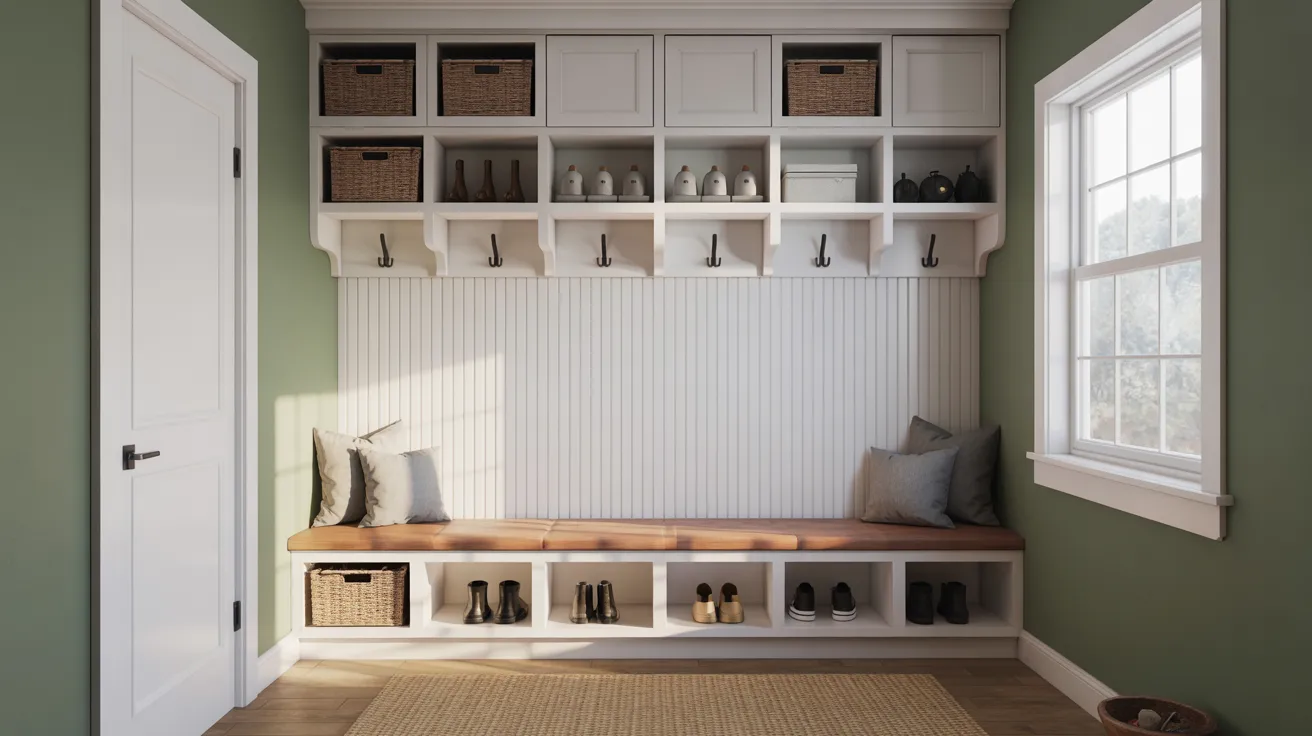
Built-in Bench With Cubbies Above For A Clean, Organized Look
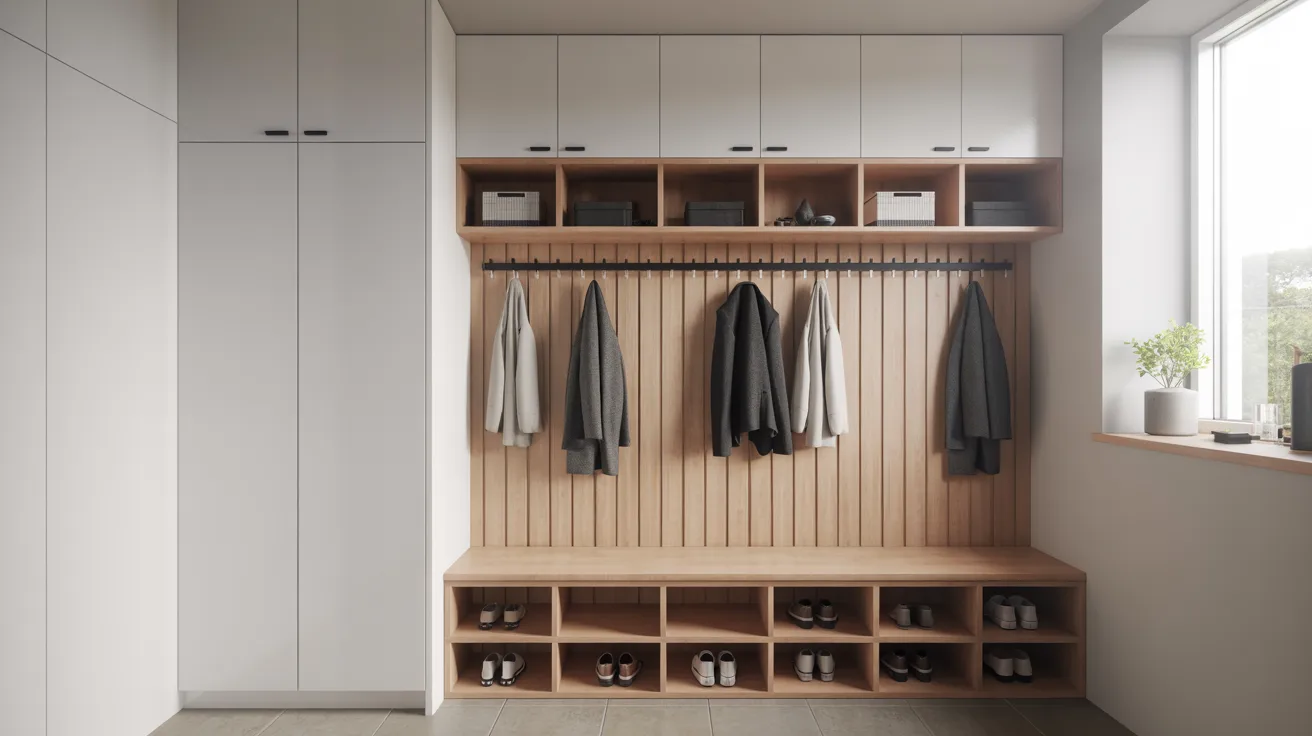
A built-in bench with cubbies above creates a highly organized and seamless mudroom setup. It offers dedicated storage for shoes, bags, and outerwear while keeping the seating area clutter-free.
This design is ideal for larger families who need maximum storage and a polished, built-in appearance.
Floating Bench For Small Spaces, Mounted Directly To The Wall
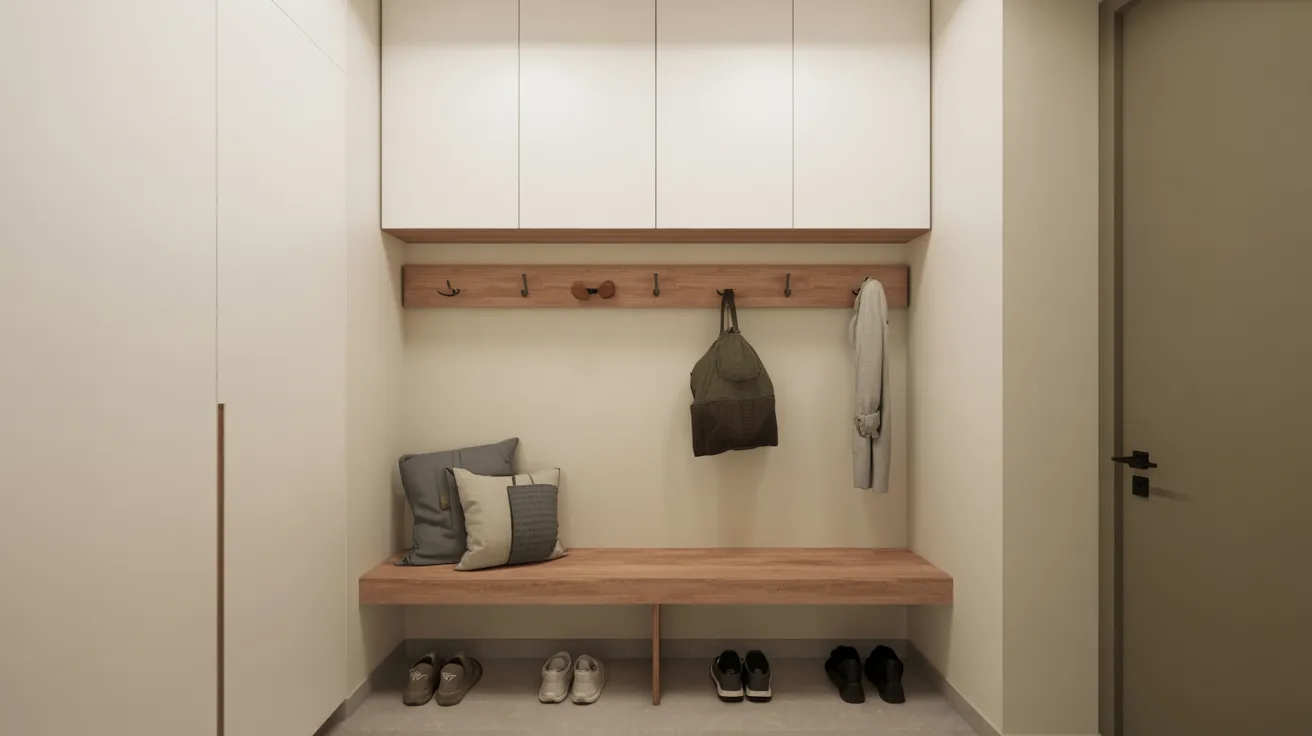
A floating bench is perfect for compact mudrooms where floor space is limited. Mounted directly to the wall, it creates an open and airy feel while still providing a practical seating area.
The space underneath can be used for storing shoes or keeping the floor visually clean and spacious.
Wrap-Around Corner Bench For L-Shaped Mudrooms
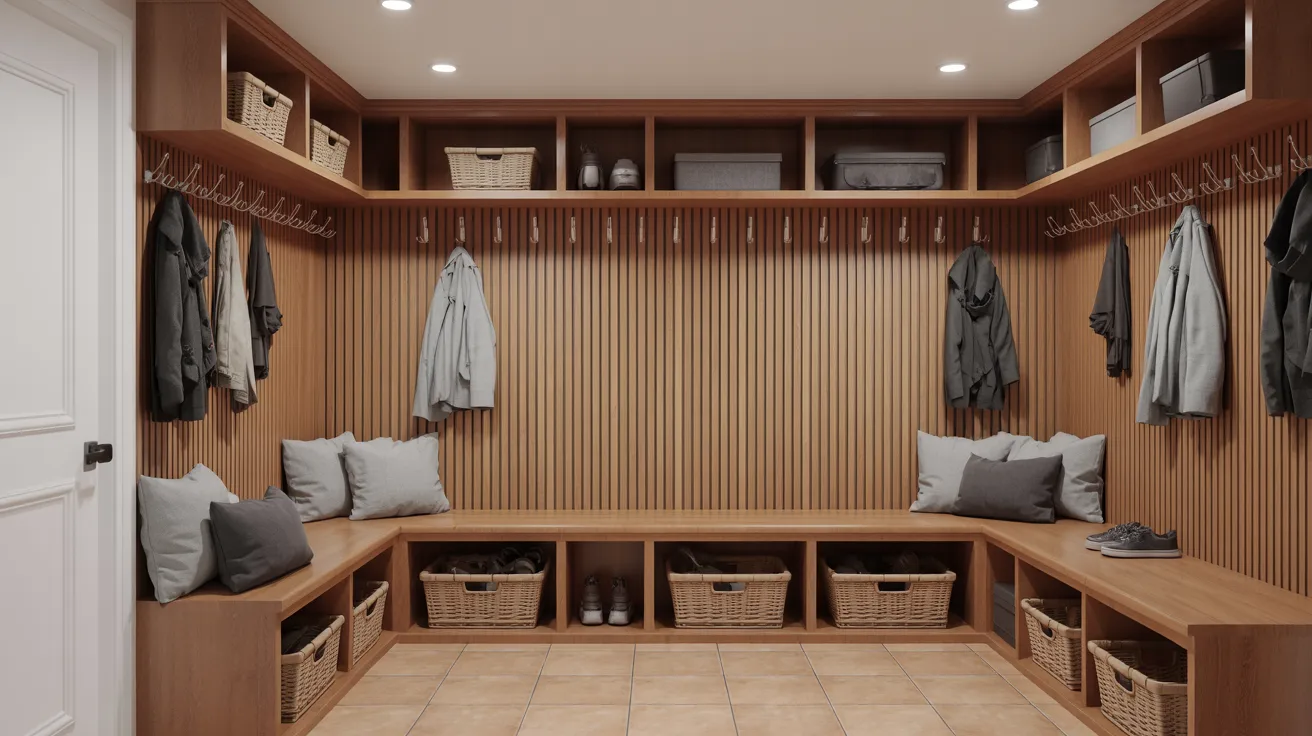
A wrap-around corner bench is designed to maximize every inch of an L-shaped mudroom. It provides continuous seating along two walls, making it both functional and visually cohesive.
This design works especially well in larger entryways where multiple users need seating and storage space.
Bench with a flip-top seat for hidden storage inside
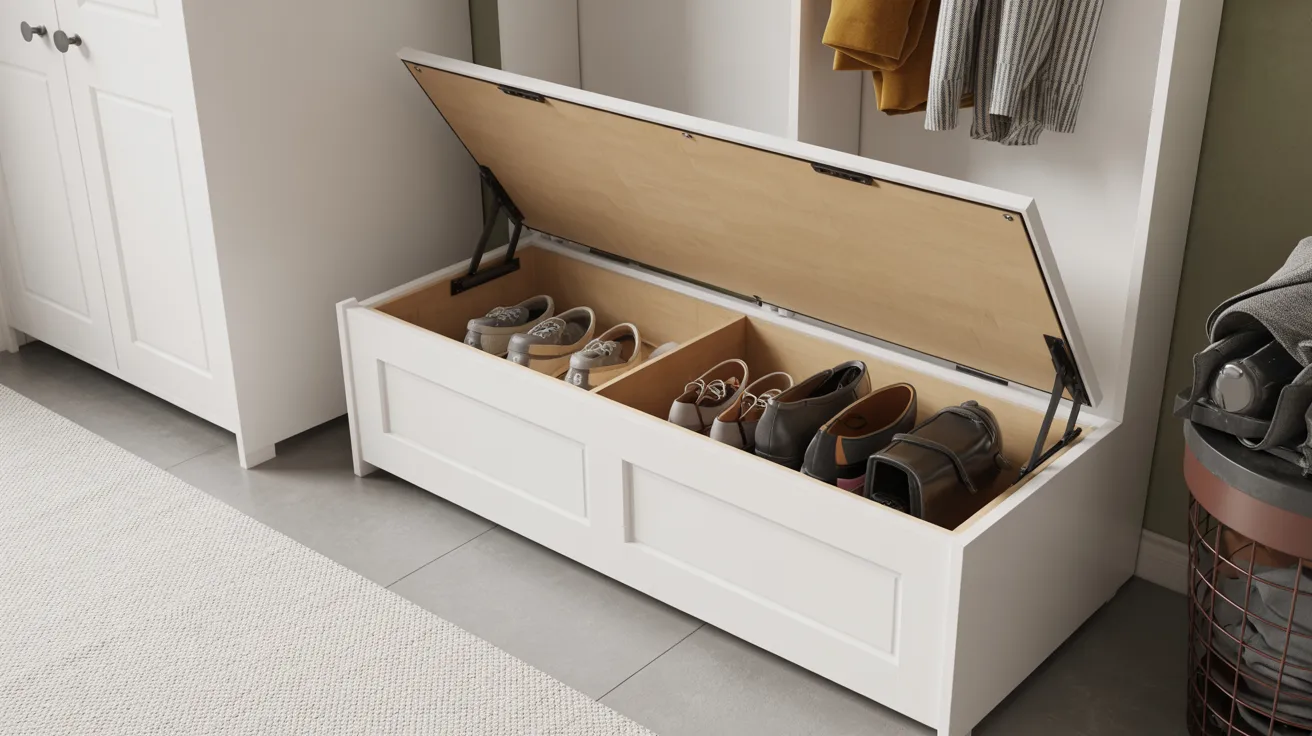
A flip-top bench adds hidden storage without increasing the footprint of the design. The hinged seat opens to reveal space for storing shoes, seasonal items, or cleaning supplies.
It’s a great option for keeping the mudroom tidy while maintaining a clean and simple exterior look.
Split-level Bench With Sections At Different Heights For Kids And Adults
A split-level bench is a family-friendly design that accommodates both kids and adults comfortably. The lower section makes it easy for children to sit and put on shoes, while the higher section serves adults.
This practical layout improves usability and makes daily routines more efficient.
Cost to Build a Mudroom Bench
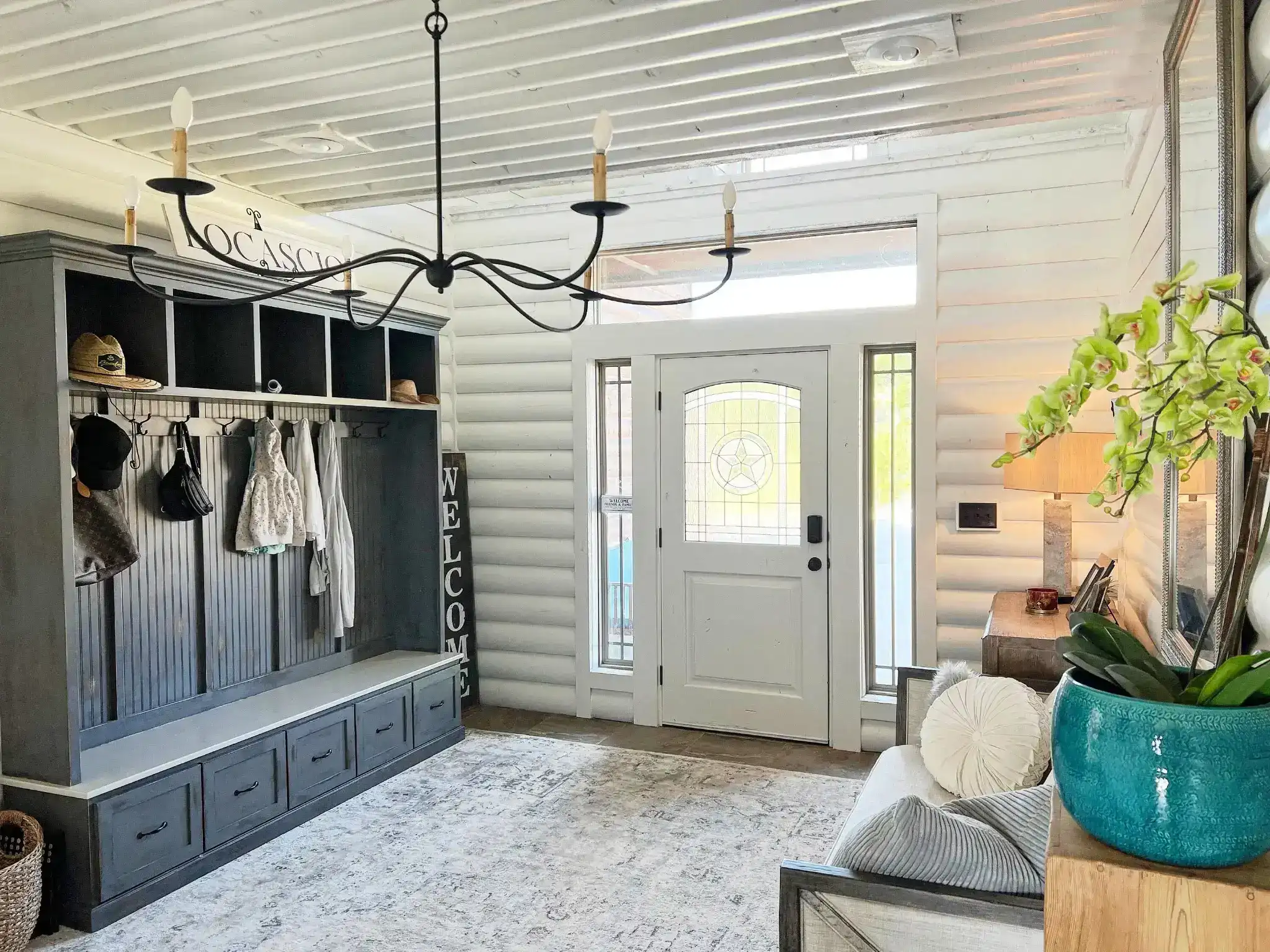
The entryway includes a white front door with glass panels, rustic chandelier lighting, wood-paneled walls, and cozy decorative accents.
A basic DIY bench costs between $100 and $300 in materials depending on size and wood type. A built-in bench with cubbies and painted finish typically runs $250 to $500 for materials.
Hiring a contractor adds labor costs, usually $200 to $600 depending on complexity and your location.
Conclusion
I hope this guide makes your mudroom bench project feel a lot less overwhelming. When I first looked into building one, the number of sizing options was confusing.
But once you break it down, wall width, seat height, depth, and storage, it all clicks into place.
Take your measurements, pick the right size for your space, and start building with confidence.
If this helped you, leave a comment below or share it with someone planning a mudroom makeover. Check out our other home planning guides for more practical tips!
Frequently Asked questions
What is the standard height for a mudroom bench?
Most mudroom benches sit between 17 and 19 inches tall. This height is comfortable for adults to sit and put on shoes without straining.
How deep should a mudroom bench be?
A depth of 15 to 18 inches works well for most spaces. It's enough to sit comfortably while keeping the walkway clear.
Can I build a mudroom bench without carpentry experience?
Yes. A basic bench frame using pre-cut lumber and a few screws is manageable for beginners. Start simple and add storage features as your skills grow.
How much space should I leave in front of the bench?
Leave at least 36 inches of clear space in front. If two people use the space at once, 42 to 48 inches is more comfortable.
What wood is best for a mudroom bench?
Plywood and solid pine are both solid choices. They hold paint well and are strong enough for daily use. Avoid MDF near wet or high-moisture areas.