
Thinking about converting part of garage into mudroom space? I was in the same spot last year, staring at a cluttered garage corner wondering if it could do more. It can.
This guide covers everything you need to know, from planning the layout to picking the right materials, managing costs, and avoiding common mistakes.
I have worked through this process and pulled together practical advice that saves you time and stress.
By the end, you will know exactly how to plan, build, and maintain your garage mudroom with confidence.
What Does Converting Part of Garage Into Mudroom Mean?
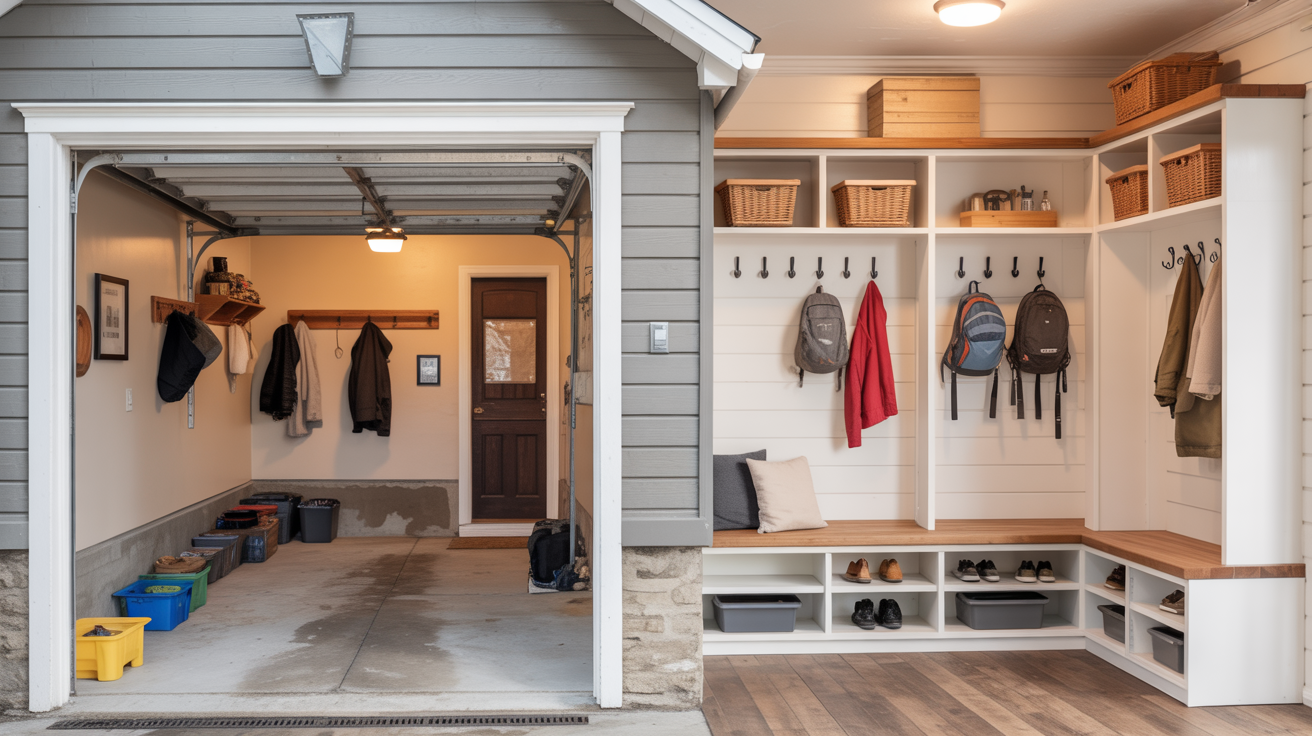
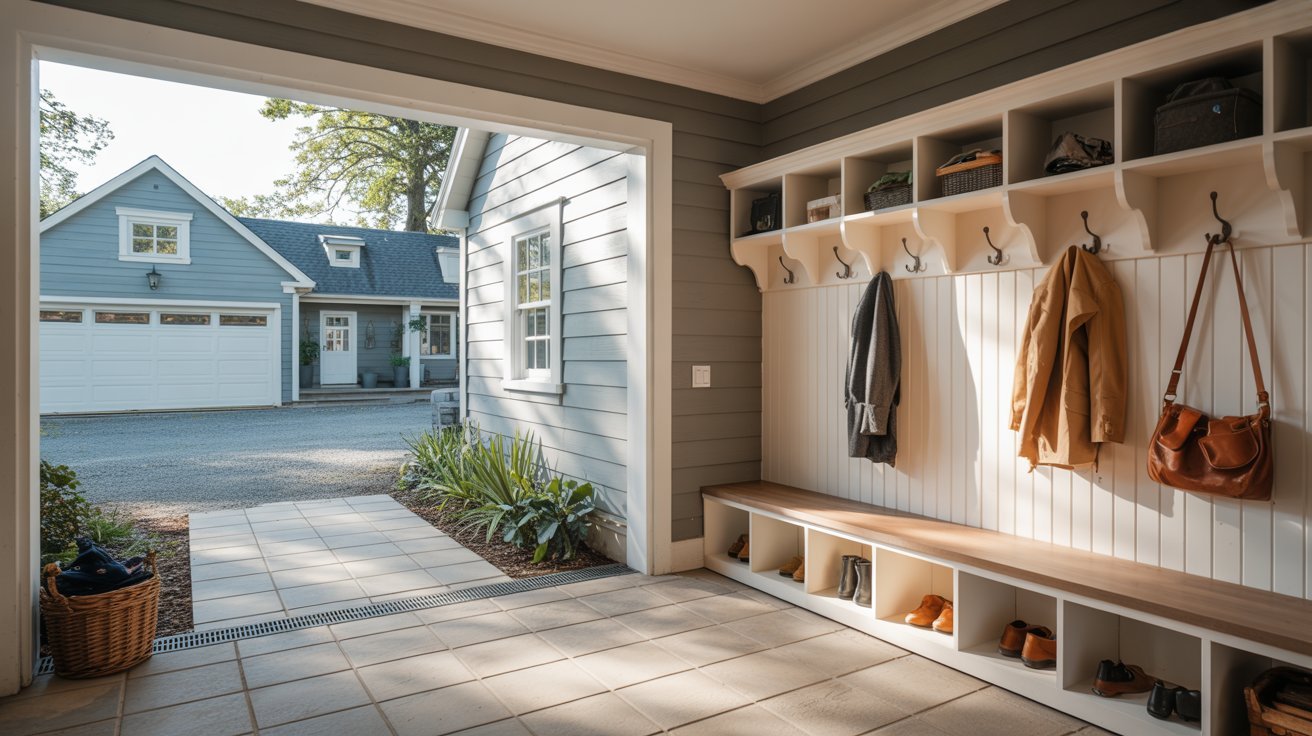
Converting part of garage into mudroom means setting aside a section of your garage, usually near the entry door, and turning it into a functional space for storing shoes, coats, bags, and other daily-use items.
This kind of project is popular because garages already sit between the outdoors and the main living area.
That position makes them a natural spot for a drop zone. Instead of mud and wet shoes coming straight into the kitchen or hallway, they stop in the mudroom first.
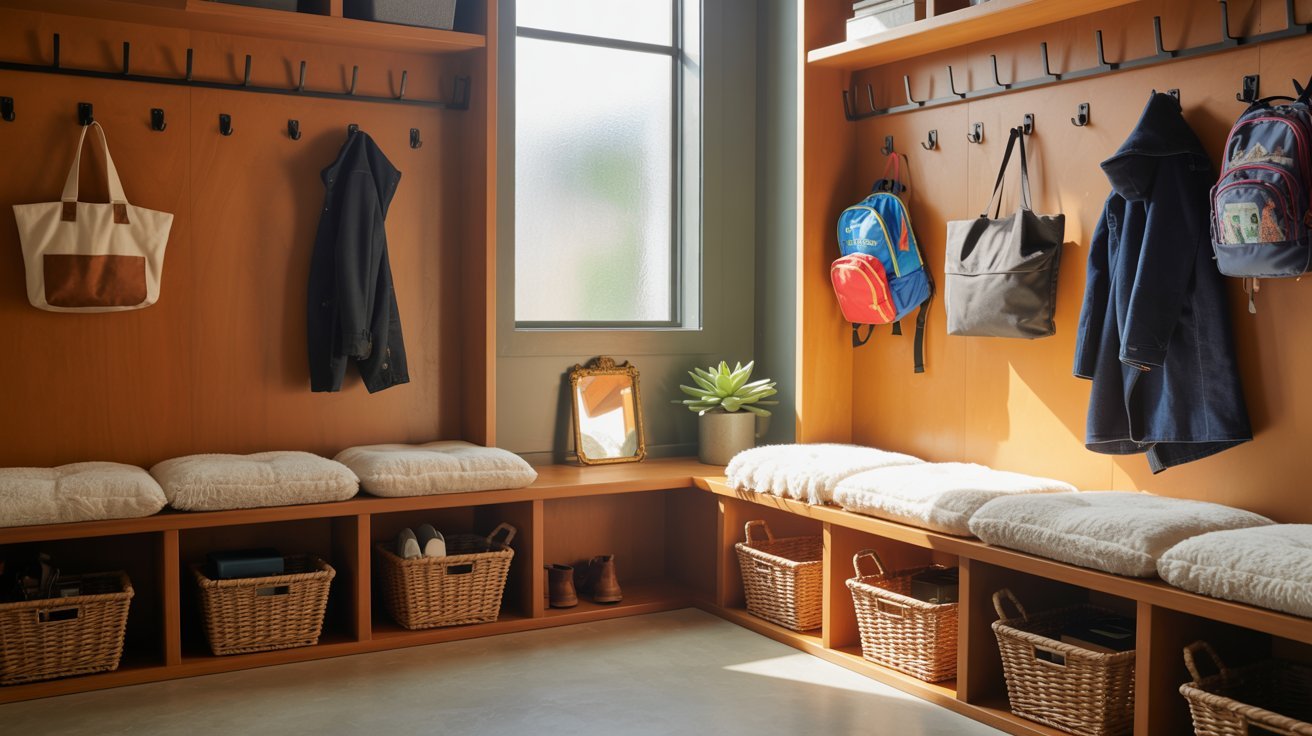
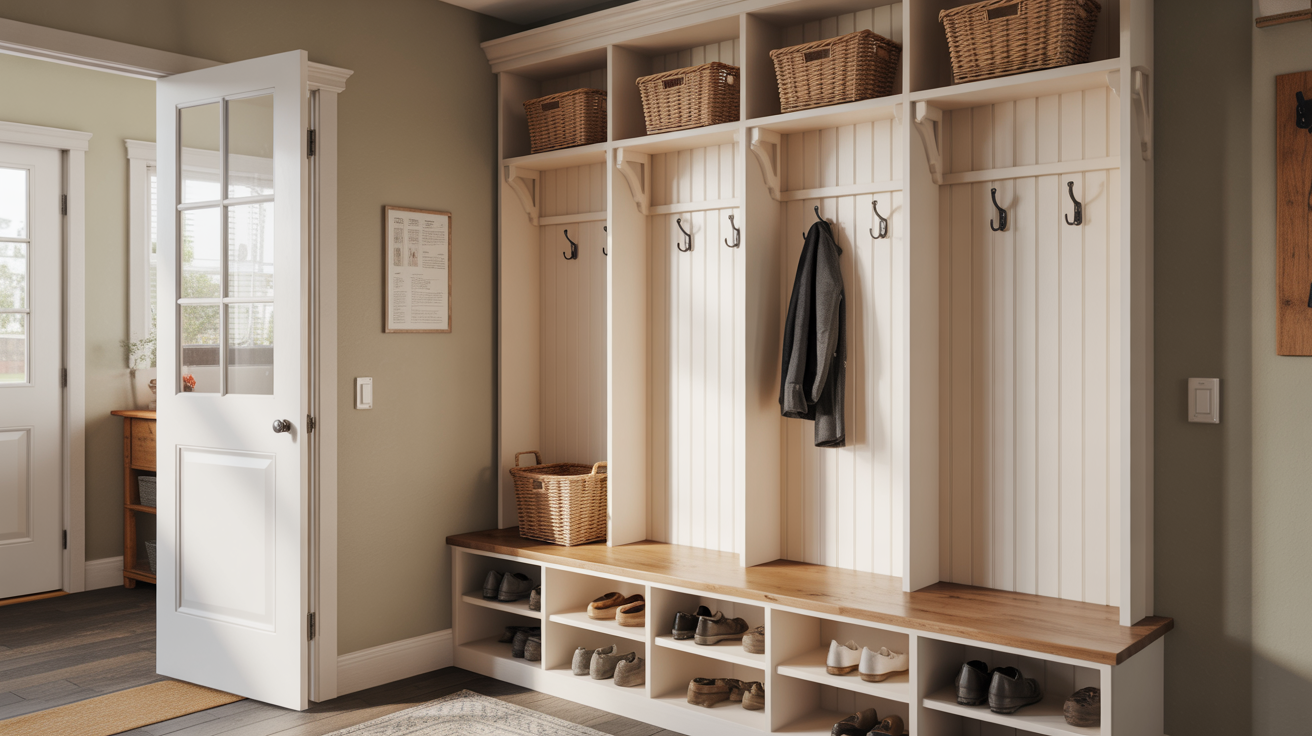
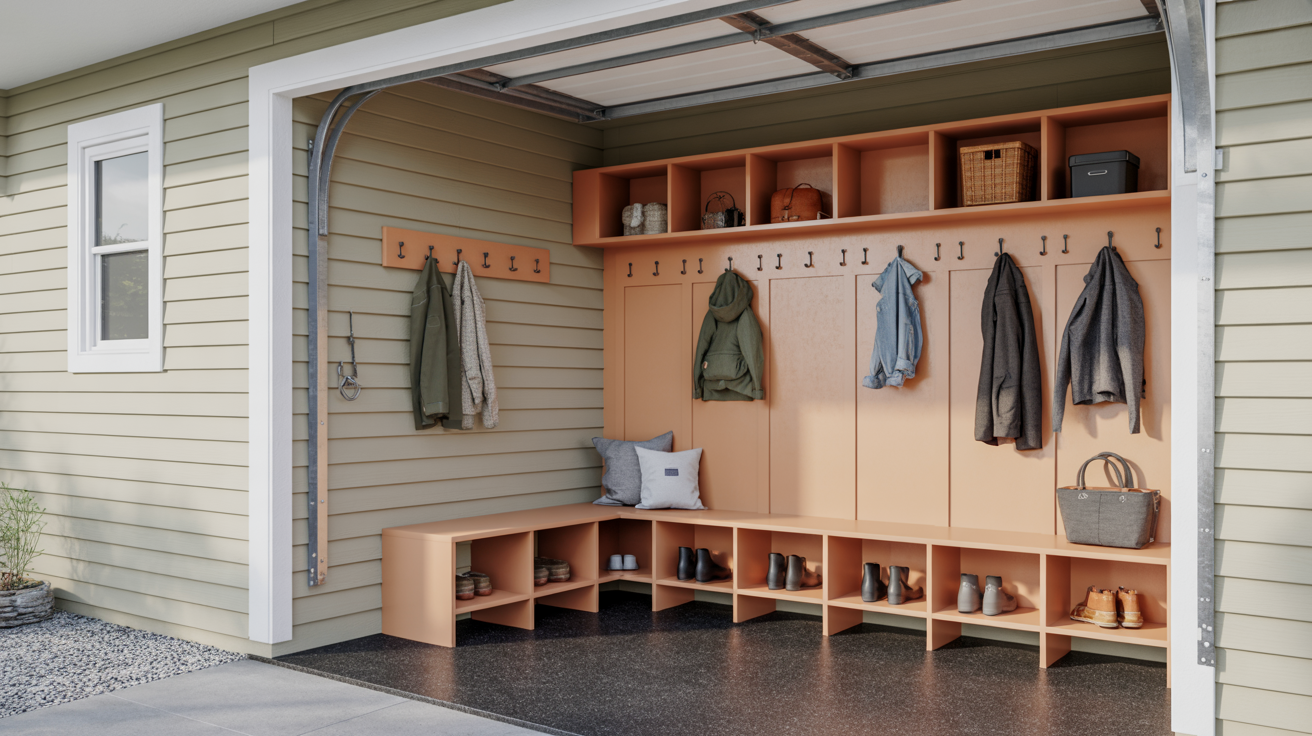
A basic garage mudroom can include a bench, hooks, shelving, and durable flooring. A more built-out version might include cabinetry, lighting, and even a small closet.
The scope depends on your space, your budget, and how much traffic your household handles daily.
The key idea is that you are not building something entirely new. You are making smart use of space that is already there.
Benefits of Adding a Mudroom Inside the Garage
Adding a mudroom inside your garage brings real, everyday improvements to how your home feels and functions.
Here is what you can expect:
- Better Shoe and Coat Storage: Dedicated hooks and shelves keep everything off the floor and easy to grab on the way out.
- Cleaner Indoor Spaces: Dirt and moisture stop at the garage instead of tracking through your home, reducing how often you need to clean.
- Added Space for Daily Items: Backpacks, sports gear, and dog leashes all get a proper home, keeping your main living areas clutter-free.
- More Organised Entry and Exit Routines: Everything stays in one spot near the door, so mornings run smoother and daily stress goes down.
- Higher Home Functionality: A well-planned garage mudroom adds a layer of order to your home that benefits every member of the household every single day.
Things to Check Before Starting the Project
Before you start buying materials or drawing up plans, there are a few important things to check. Skipping this step can lead to problems later.
1.Available Garage Space
Measure the area you plan to use. Consider how much room you still need for parking or storage.
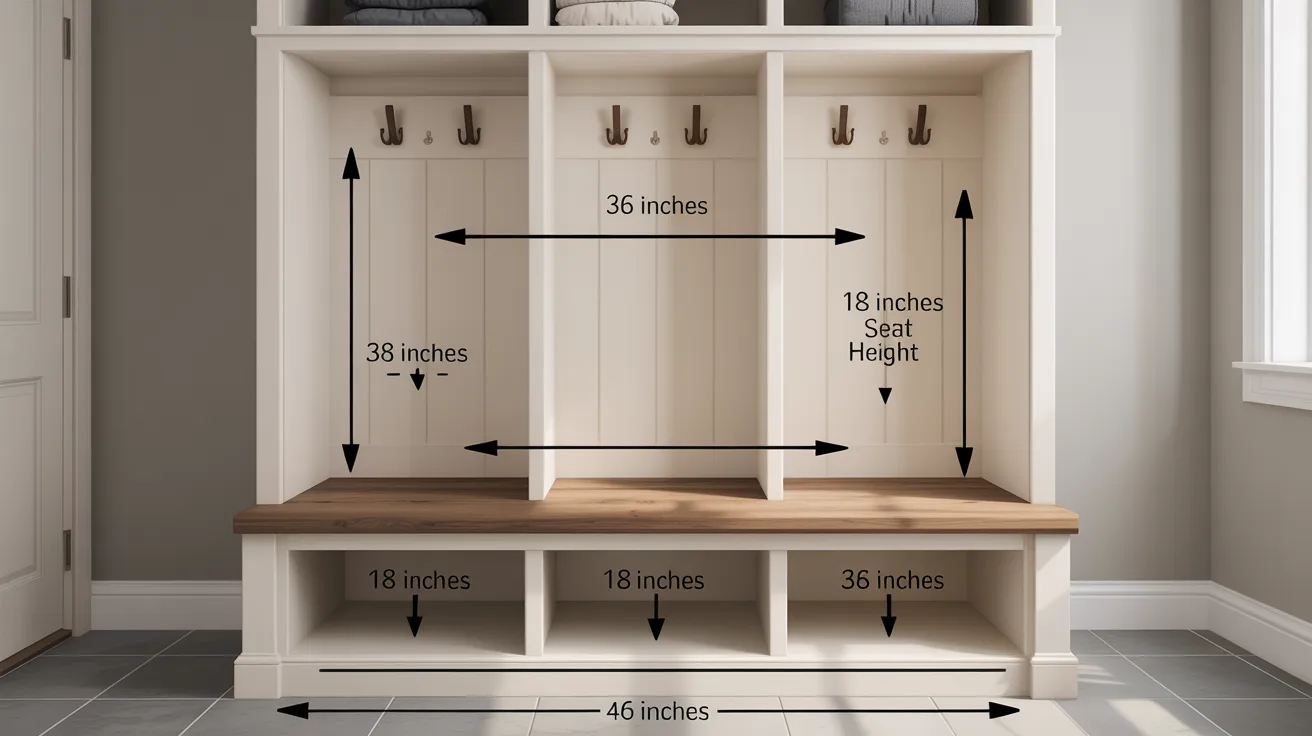
Most garage mudroom setups work well in a 6 to 10-foot section near the entry door. Make sure the remaining space still functions for its original purpose.
2.Moisture and Ventilation Conditions
Garages can hold humidity, especially in older homes. Check for signs of moisture on the walls or floor.
If the space stays damp, you will need to address that before adding storage or flooring. Poor ventilation can also lead to musty smells over time.
3.Heating and Cooling Needs
Garages are not always temperature-controlled. In cold climates, your mudroom area may become uncomfortably cold in winter.
Think about whether you need to add insulation, a small heater, or at least ensure the walls are properly sealed before building.
4.Local Building Rules and Permits
Some areas require permits for structural changes or electrical work in a garage. Check with your local building authority before starting.
Even if the project seems minor, it is better to confirm upfront than deal with issues during a home sale or inspection later.
Materials Commonly Used in Garage Mudrooms
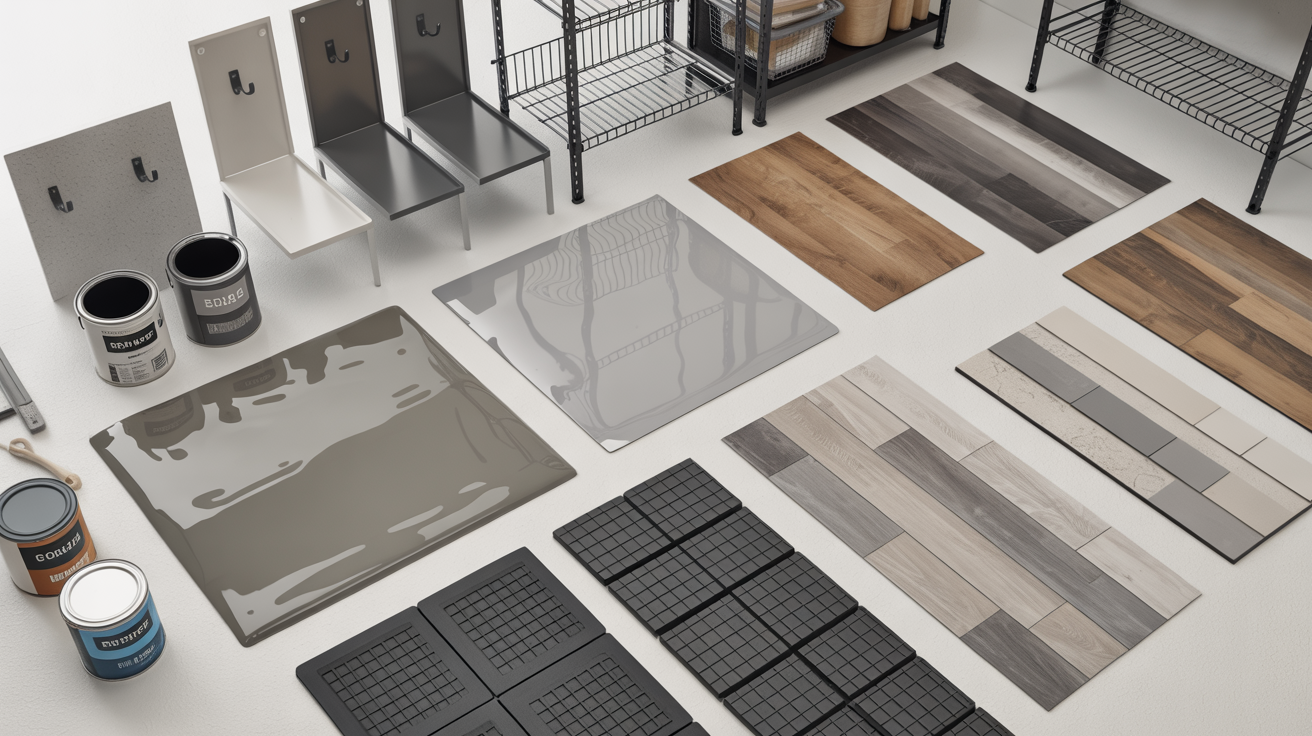
Choosing the right materials makes your garage mudroom easier to maintain and longer lasting.
- Epoxy-coated concrete
- Rubber flooring tiles
- Vinyl plank flooring
- Moisture-resistant drywall
- Cement board
- Semi-gloss or satin paint
- Washable interior wall paint
- Heavy-duty wall hooks
- Open metal or sealed wood shelving
- Pre-built storage units
Planning the Layout for a Garage Mudroom
A good layout makes the space easier to use every single day. Spending time on this before you build saves a lot of frustration later.
Bench and Locker Placement
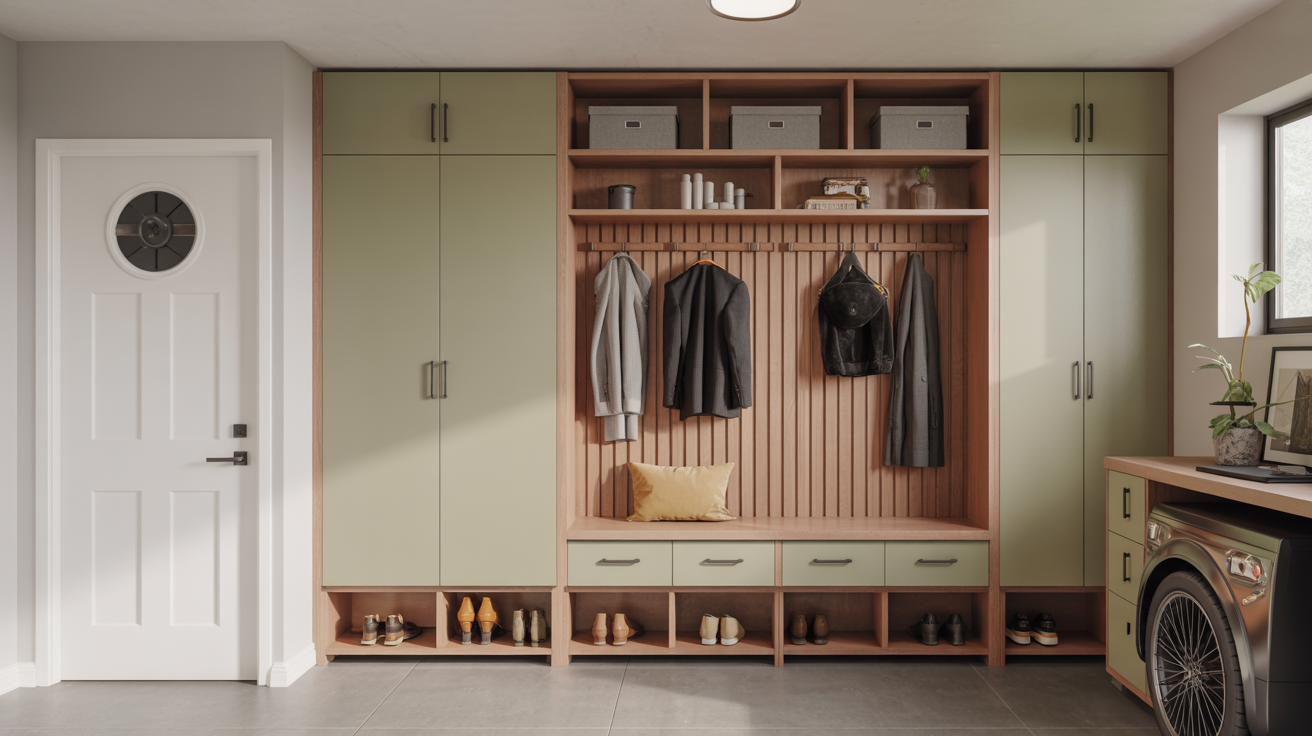
Place the bench along the wall closest to the entry door. This gives people a spot to sit when taking off shoes without blocking the path.
Lockers or tall storage units work well beside or above the bench for coats and bags.
Storage Cabinet Options
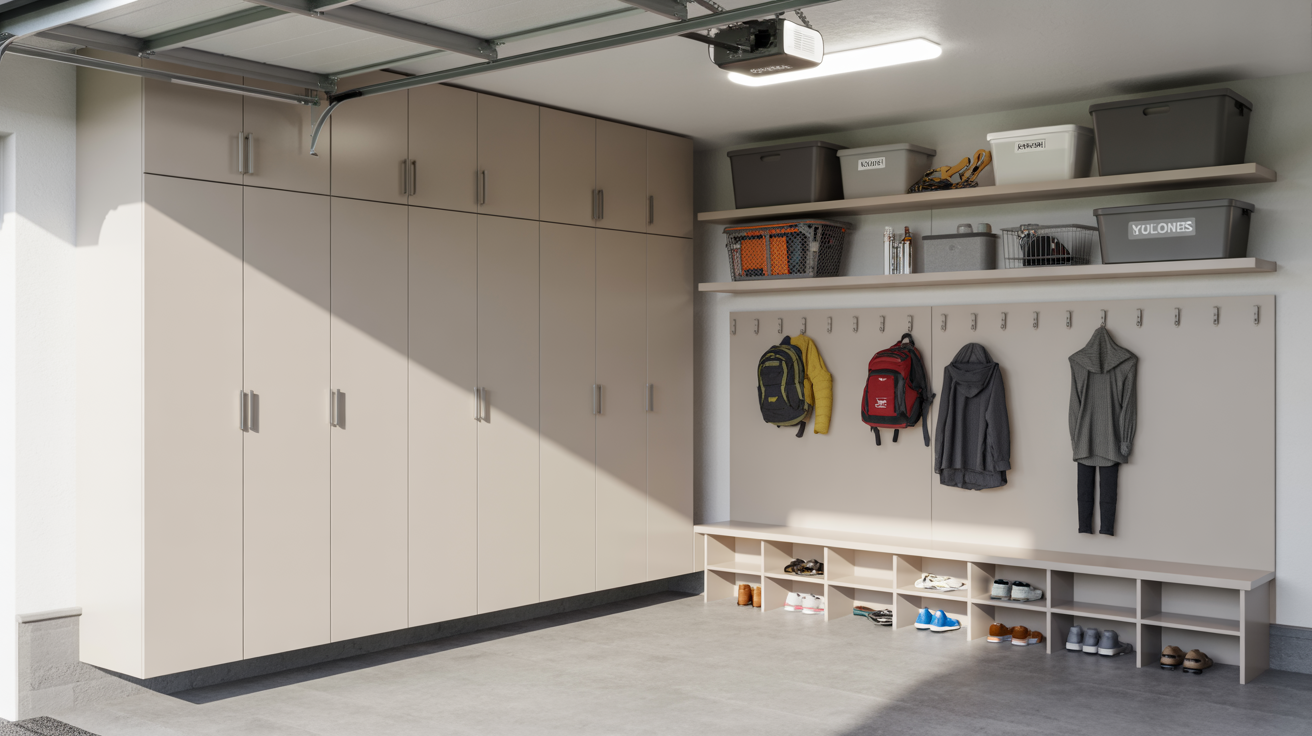
Built-in cabinets along one wall keep the space looking clean and make the most of vertical space.
If budget is a concern, freestanding cabinets or modular units from hardware stores work just as well. Look for options with doors to hide clutter.
Flooring Choices for Heavy Use
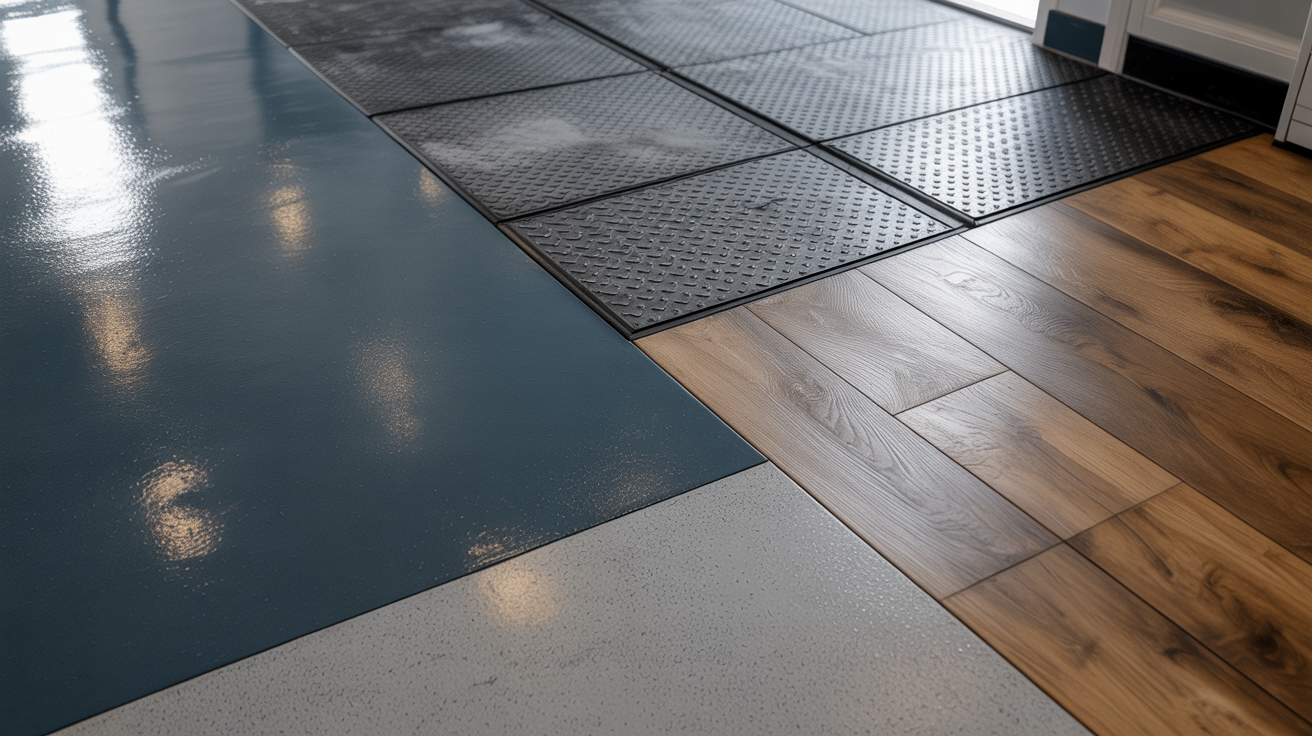
Choose flooring that can handle water, dirt, and heavy foot traffic. Rubber tiles or epoxy concrete are top choices.
If you want a warmer feel, sealed vinyl plank is a good middle ground between comfort and durability.
Lighting and Electrical Needs
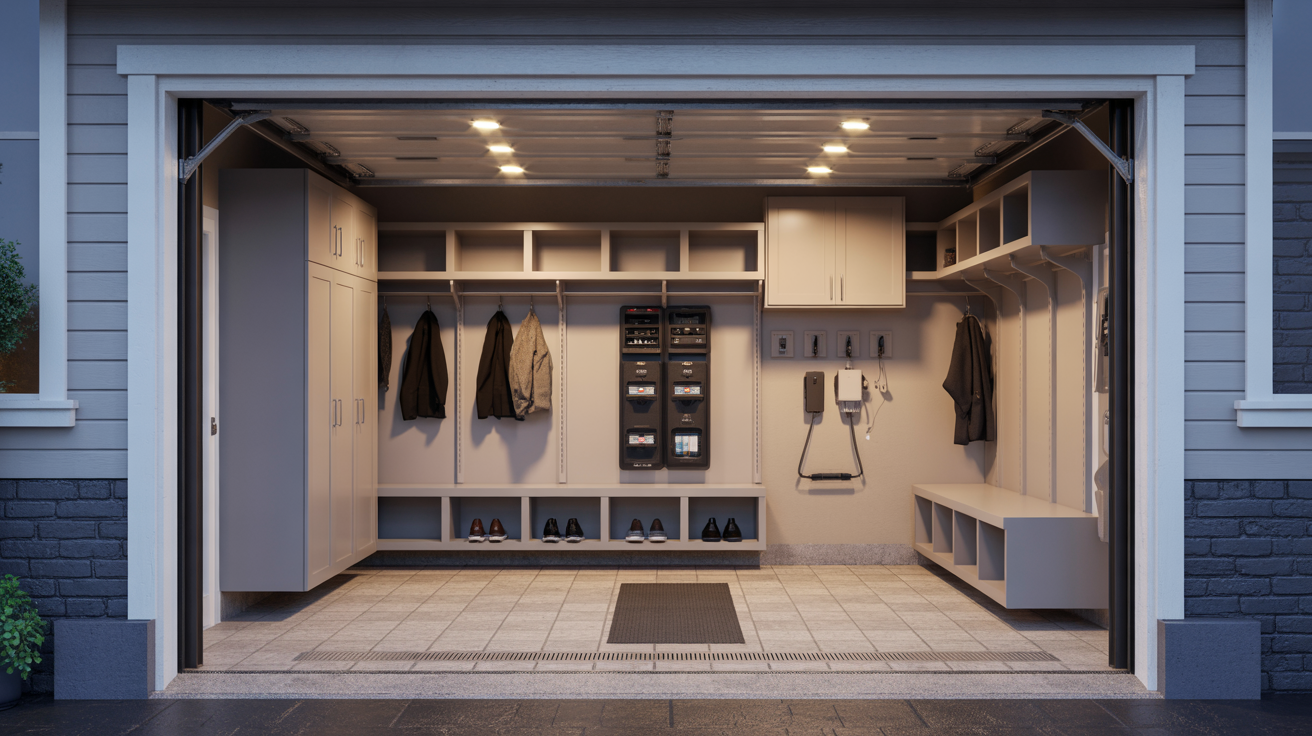
Garages are often poorly lit. Add overhead lighting in the mudroom section so the space feels welcoming and functional.
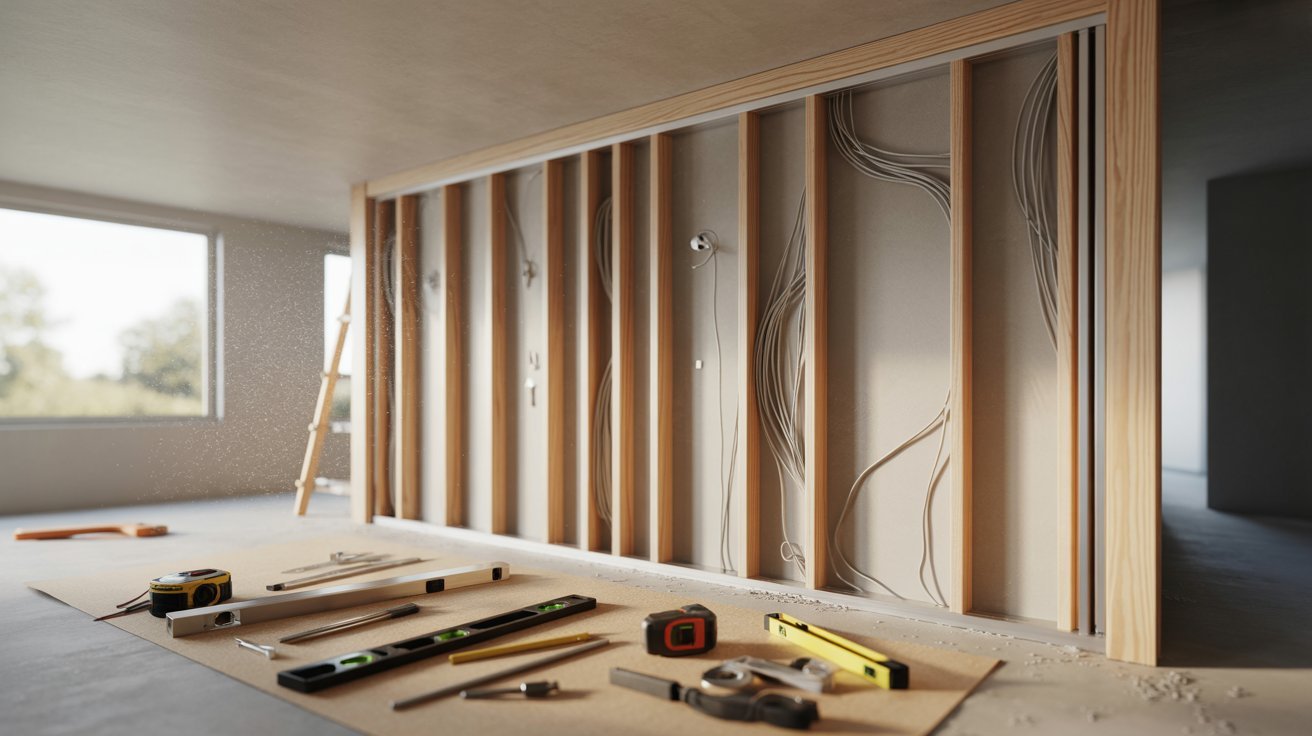
If you plan to include charging stations or outlets for devices, make sure you plan the electrical layout before finishing the walls.
Challenges Homeowners Often Face
This type of project comes with a few common challenges. Knowing them ahead of time helps you plan better.
- Limited Space in Smaller Garages: Use wall-mounted storage and fold-down benches to maximise a tight footprint without giving up parking space.
- Cold or Hot Garage Temperatures: Garages without insulation get uncomfortable fast. Adding insulation to the walls and ceiling protects both the space and the materials inside.
- Keeping the Area Dry During Rainy Seasons: Wet boots and coats bring in a lot of moisture. Use a waterproof mat at the entry and make sure the floor can drain properly.
- Managing Clutter Over Time: Without a clear system, the space fills up fast. Label bins, assign hooks per person, and do a quick weekly sort to stay on top of it.
- Dealing With Poor Lighting: Garages are often dimly lit, which makes the mudroom harder to use. Add proper overhead or wall lighting to the space so it feels functional and easy to access at any time of day.
Cost Factors for Converting Part of Garage Into Mudroom
Here is a general breakdown of what to expect when budgeting for this project:
| Cost Category | Details | Estimated Range |
| Material Costs | Flooring, wall finishes, paint, insulation | $300 – $1,500 |
| Labor Expenses | Contractor work for framing, drywall, electrical | $500 – $3,000 |
| Custom Storage Pricing | Built-in cabinets, custom benches, lockers | $800 – $4,000 |
| Budget-Friendly Ideas | DIY shelving, freestanding units, peel-and-stick floor tiles | $100 – $600 |
Costs vary based on your garage size, the materials you choose, and how much of the work you do yourself.
A basic DIY setup can come together for under $500. A fully fitted, contractor-built space can reach $5,000 or more depending on finishes and electrical work.
Mistakes to Avoid During the Project
Getting the planning wrong early leads to bigger problems later.
Here are the most common mistakes to skip:
- Never start without a clear storage plan. List every item that needs a home first, then let that list drive your storage decisions.
- Skip thin vinyl or laminate flooring. It will not hold up against mud, boots, and water. Invest in durable flooring from the start.
- Plan lighting near storage areas, not just a single overhead bulb. Good visibility matters during early mornings and evenings.
- Think about how the space will work in both winter and summer. Plan storage with seasonal rotation in mind so the mudroom stays functional all year.
Maintenance Tips for a Garage Mudroom
Keeping the space in good shape does not take much effort if you build the right habits early.
- Sweep or vacuum the floor at least twice a week, and mop with a neutral cleaner regularly to keep hard floor finishes in good shape.
- Wipe down shelves, hooks, and storage units once a month to stop dust and grime from building up over time.
- Put a heavy-duty mat right inside the entry point to catch dirt and mud before it spreads further into the space.
- If you notice moisture on the walls or floor, check the seals around the door and any vents nearby. Deal with it early before it causes mould or floor damage.
- At the start of each season, do a full reset. Swap out seasonal gear, donate what you no longer use, and spend about 10 minutes each week keeping things tidy and in order.
Conclusion
I have seen firsthand how much a well-planned space at the entry point can change daily life at home.
Converting part of garage into mudroom does not need to be a big, expensive project. Start small, plan well, and choose materials that last.
If this guide helped you think through your own project, I would love to hear about it. Drop a comment below with your plans or questions.
Share this post with someone who is working on the same idea. You have got everything you need to get started.
Frequently Asked Questions
How much does converting part of garage into mudroom usually cost?
A simple DIY garage mudroom can cost under $500, while custom-built setups with cabinets and electrical work may cost several thousand dollars.
What is the best flooring for a garage mudroom?
Epoxy-coated concrete, rubber tiles, and vinyl plank flooring are popular because they handle moisture and heavy foot traffic well.
Can I build a garage mudroom in a small space?
Yes. Even a small garage corner can work well with wall hooks, a compact bench, and vertical storage solutions.
Do I need insulation in a garage mudroom?
If your garage gets very hot or cold, adding insulation helps make the space more comfortable and protects materials from moisture issues.
How do I keep a garage mudroom organised long-term?
Use labeled bins, assign storage spots for each family member, and do a quick weekly cleanup to prevent clutter from building up.