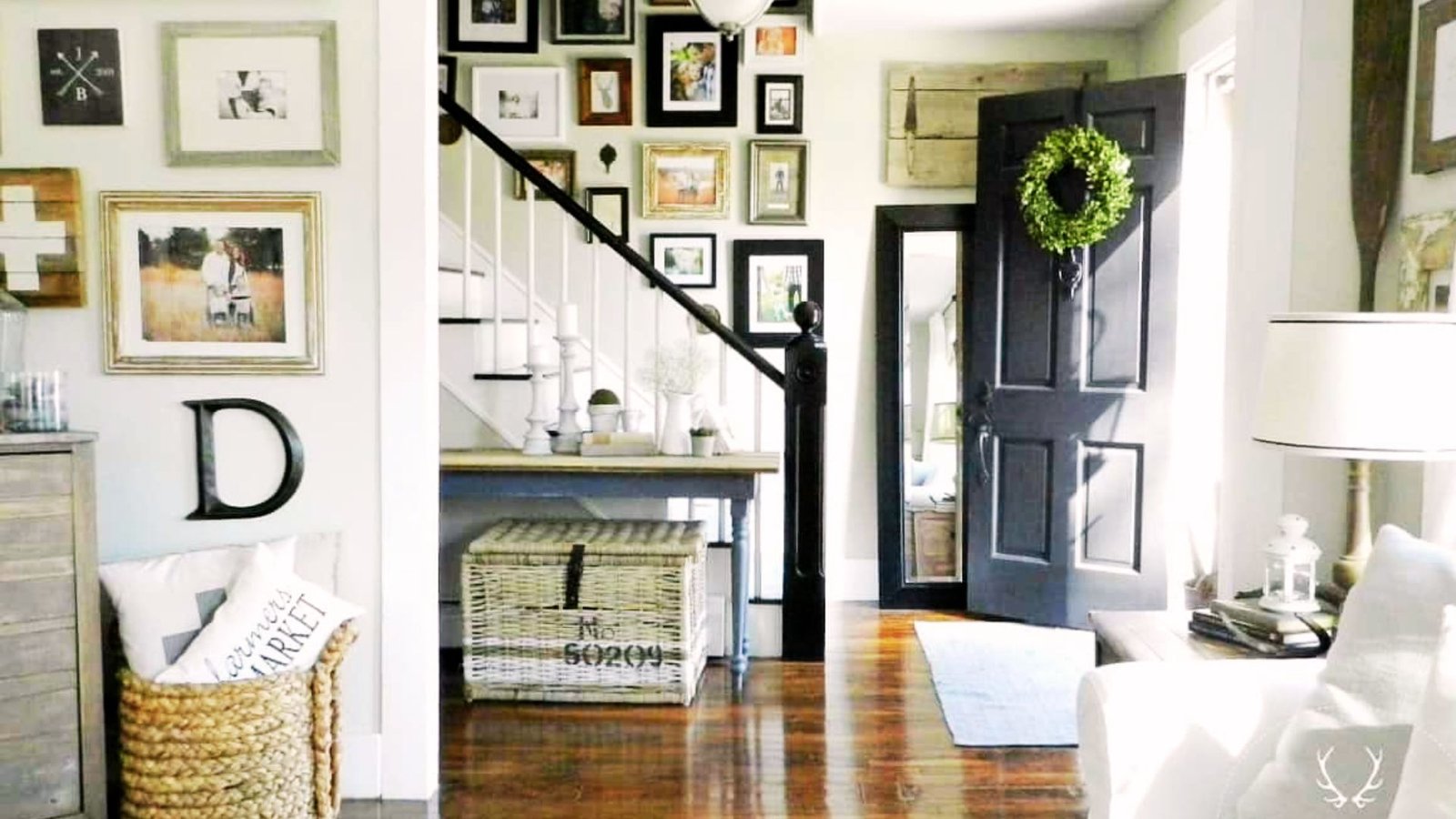
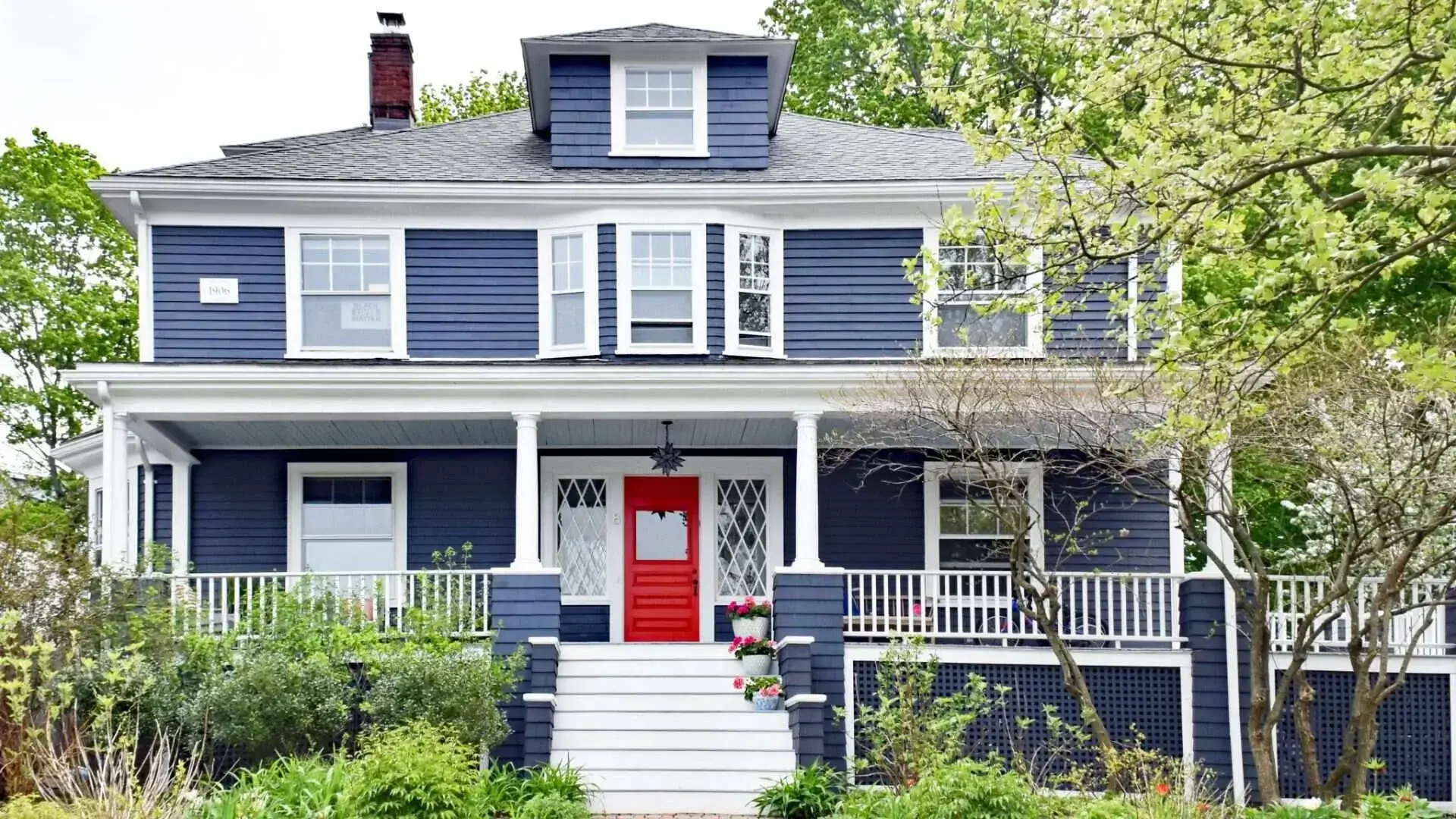

Picking the right door colors for blue house exteriors felt overwhelming to me at first. There are so many shades, and one wrong pick can throw off the whole look.
But after testing ideas on my own home and researching what actually works, I found clear patterns that make the choice much easier.
In this blog, I'll walk you through 19 door colors that pair well with blue houses, explain why front door color matters, and help you avoid the most common mistakes homeowners make.
Let’s get started.
Why Front Door Color Matters for a Blue House
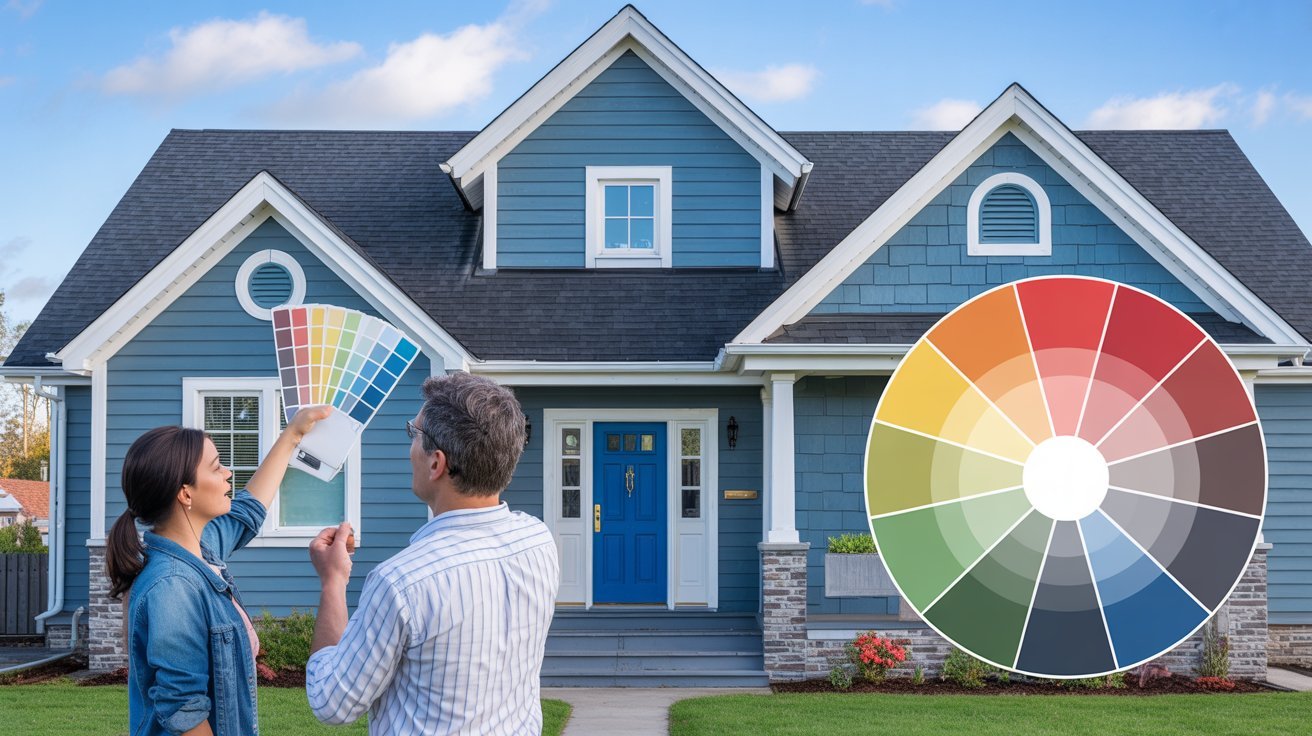
Your front door is the first thing people notice. It sets the tone for your entire home. A well-chosen door color can make your blue house look pulled together and intentional.
Blue is a cool, calm color. It works with many door shades, but not all of them. Some colors clash. Others fade into the background and make your home look flat.
Think about the shade of blue on your house. Is it a light powder blue? A deep navy? A bright cobalt? Each one pairs differently with door colors.
Light blue houses look great with bold, warm doors like red or yellow. Darker blues pair well with crisp white or warm wood tones. Mid-tone blues are the most flexible and work with almost anything.
Your door color also affects how large or small your home looks. A dark door on a light blue house adds depth. A bright door creates a focal point that draws the eye in.
19 Best Door Colors for Blue House
Here are 19 door colors that work well with blue house exteriors. Each one brings something different to the table.
1.Crisp White
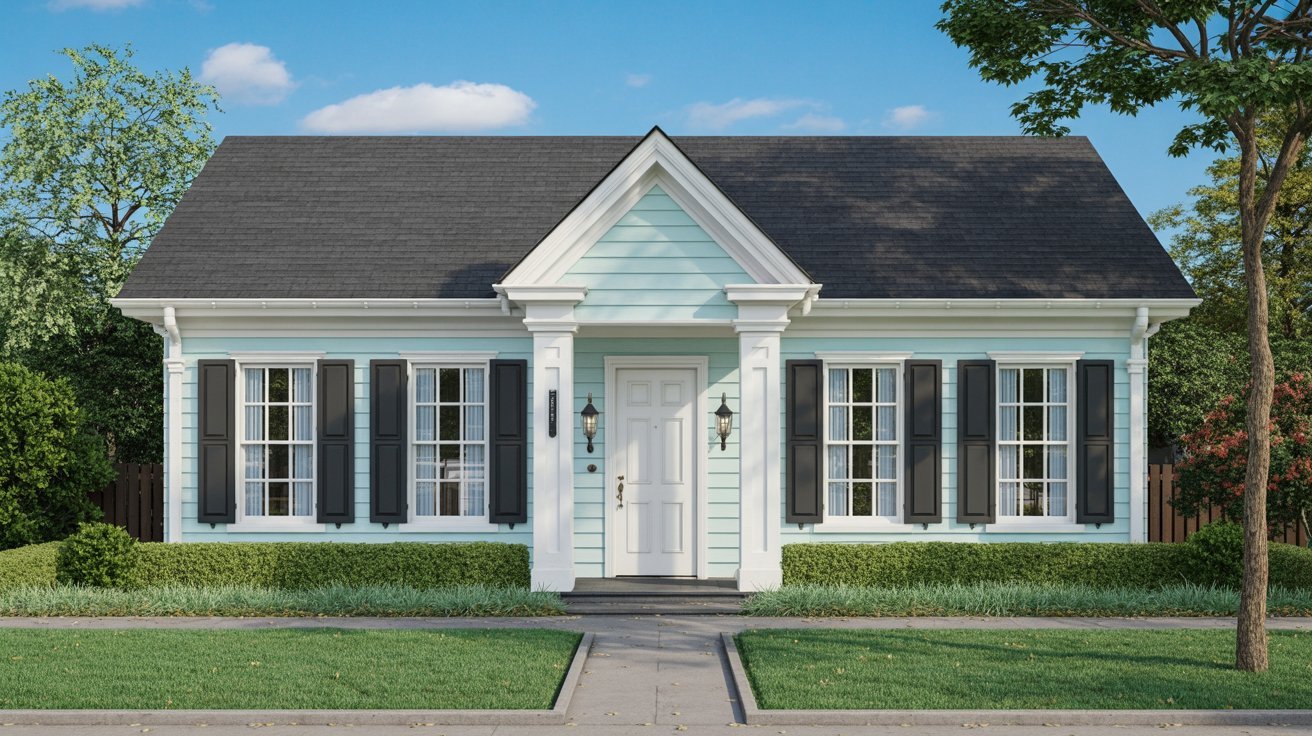
Crisp white is one of the most reliable door colors for a blue house. It creates sharp contrast and makes the blue exterior stand out without feeling overpowering.
This shade works with nearly every blue, from soft sky blue to deep navy. Paired with black hardware, it gives the entry a clean and polished appearance.
2,Matte Black
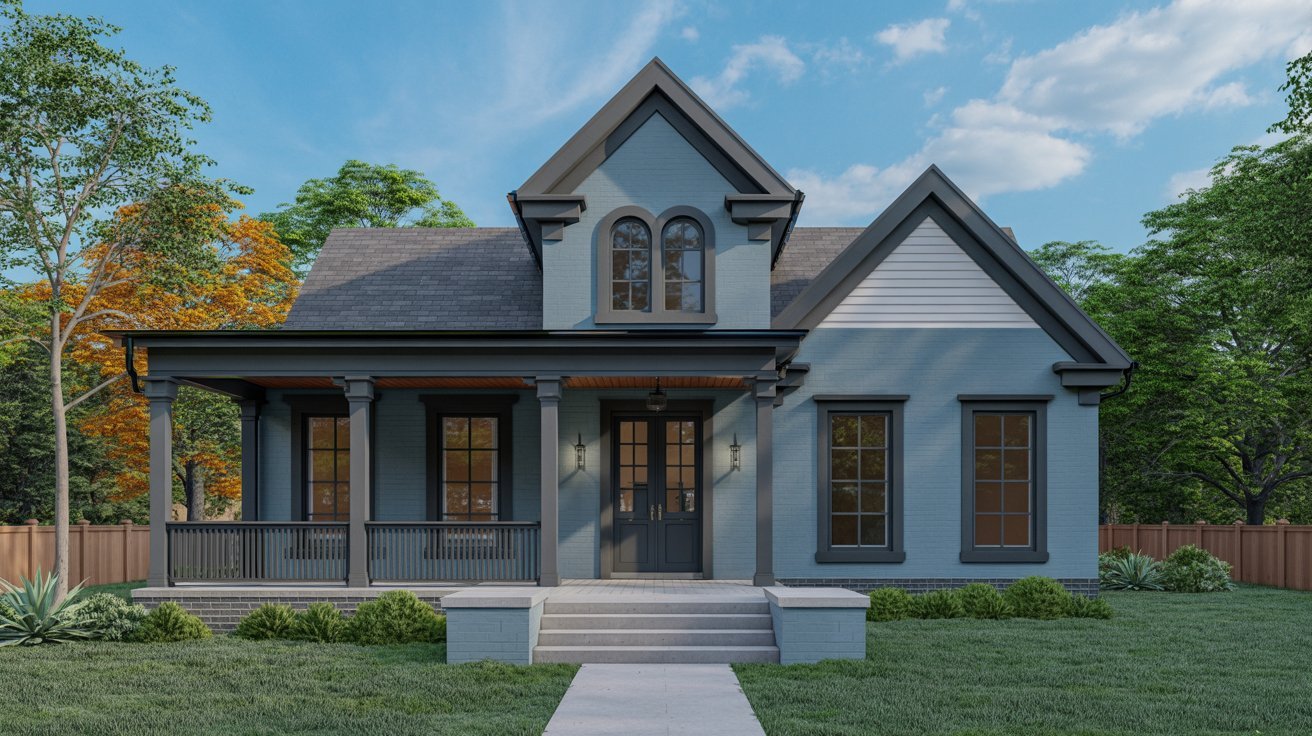
A matte black front door adds strong contrast and a grounded look to a blue exterior. The non-reflective finish feels current and pairs well with both traditional and modern homes.
Matte black works especially well with medium and dark blue siding and complements brass, bronze, or silver hardware.
3.Deep Cherry Red
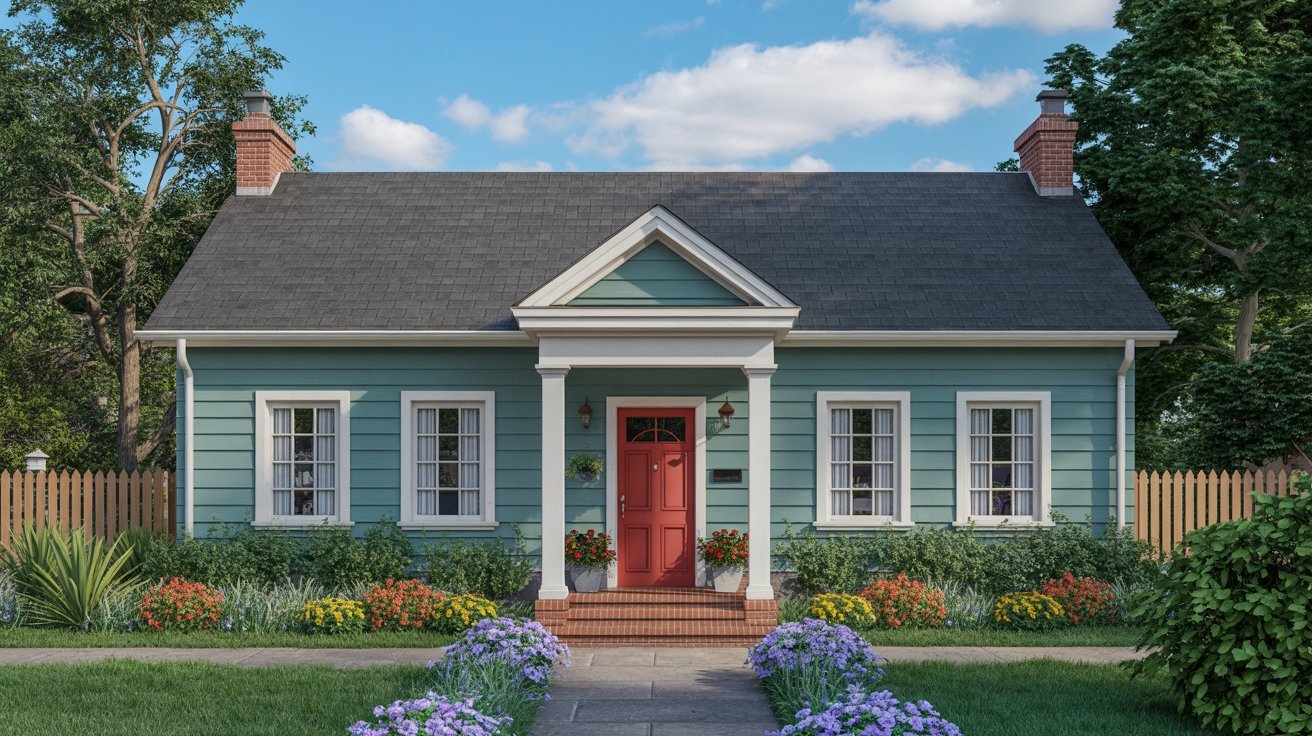
Deep cherry red brings warmth and character to a blue house. It creates eye-catching contrast without looking overly bright or overpowering.
This shade works particularly well with light and medium-blue exteriors, helping the entry stand out from the street.
4.Golden Mustard
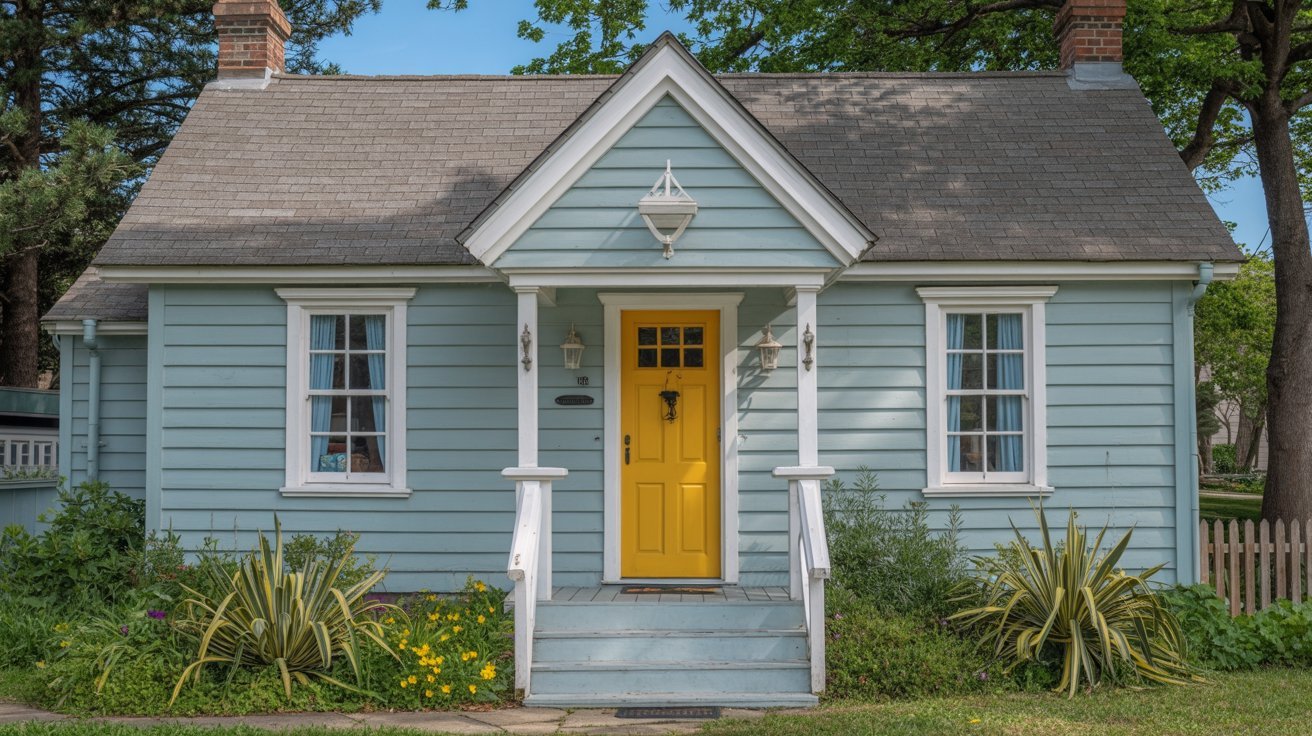
Golden mustard offers a warm contrast against blue exteriors. Unlike bright yellow, it feels richer and more grounded while still adding personality.
It pairs especially well with cottage, farmhouse, and traditional blue homes.
5.Slate Gray
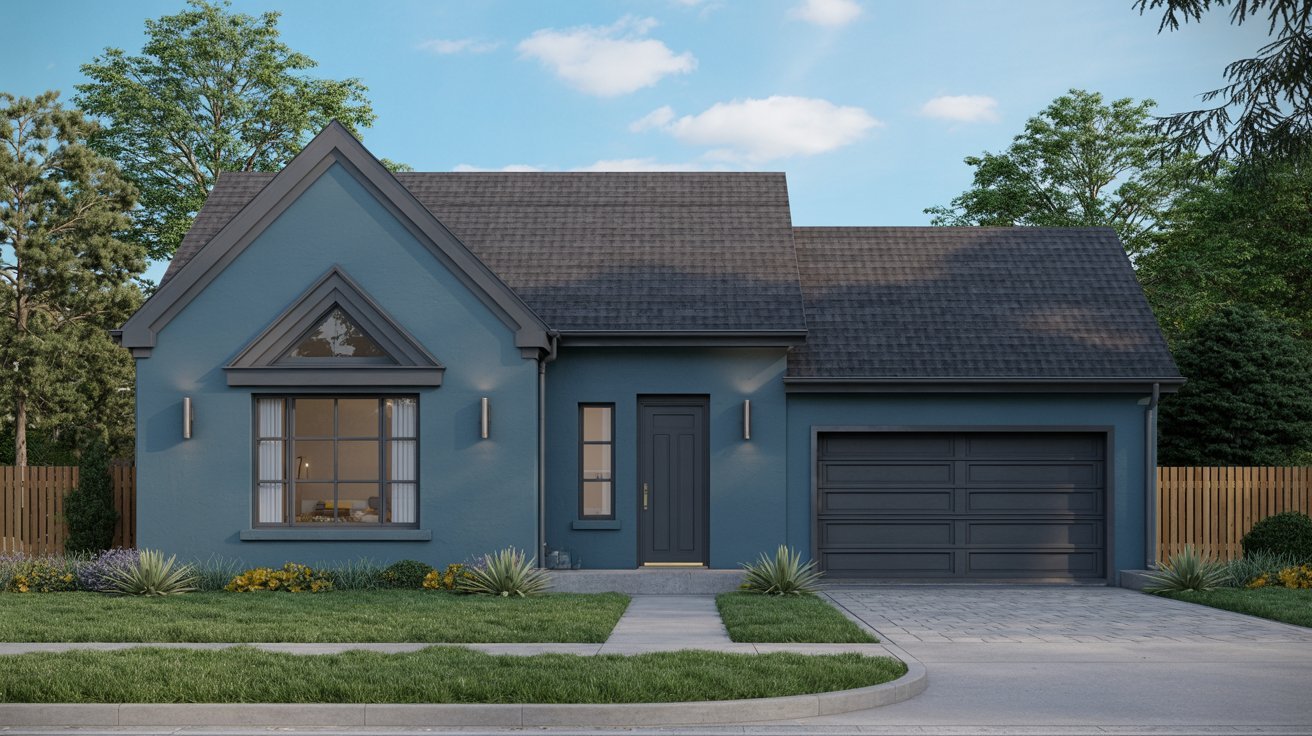
Slate gray provides subtle contrast while maintaining a coordinated look. Its cool undertones naturally complement blue siding.
This color works well when you want a refined appearance without drawing too much attention to the front door.
6.Olive Green
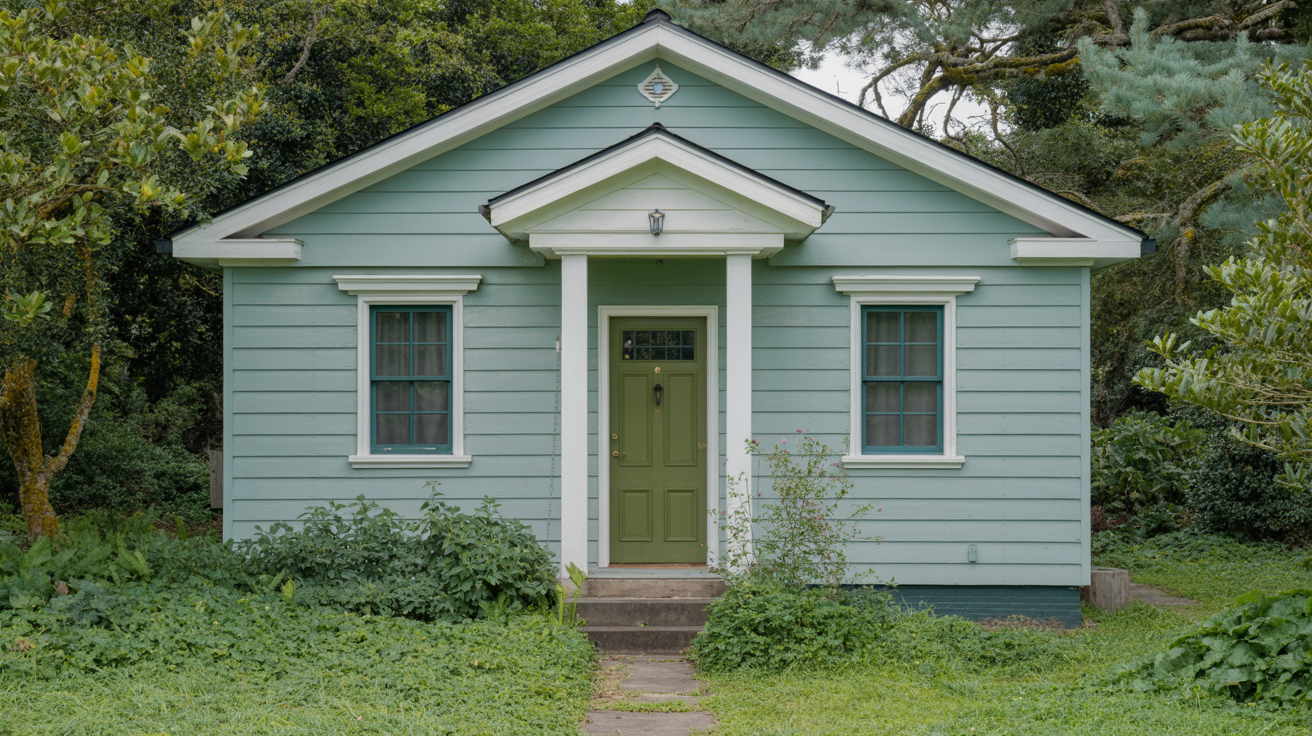
Olive green creates a natural partnership with blue house exteriors. The earthy tone adds warmth while still feeling balanced and relaxed.
It works especially well with muted, dusty, or gray-blue shades.
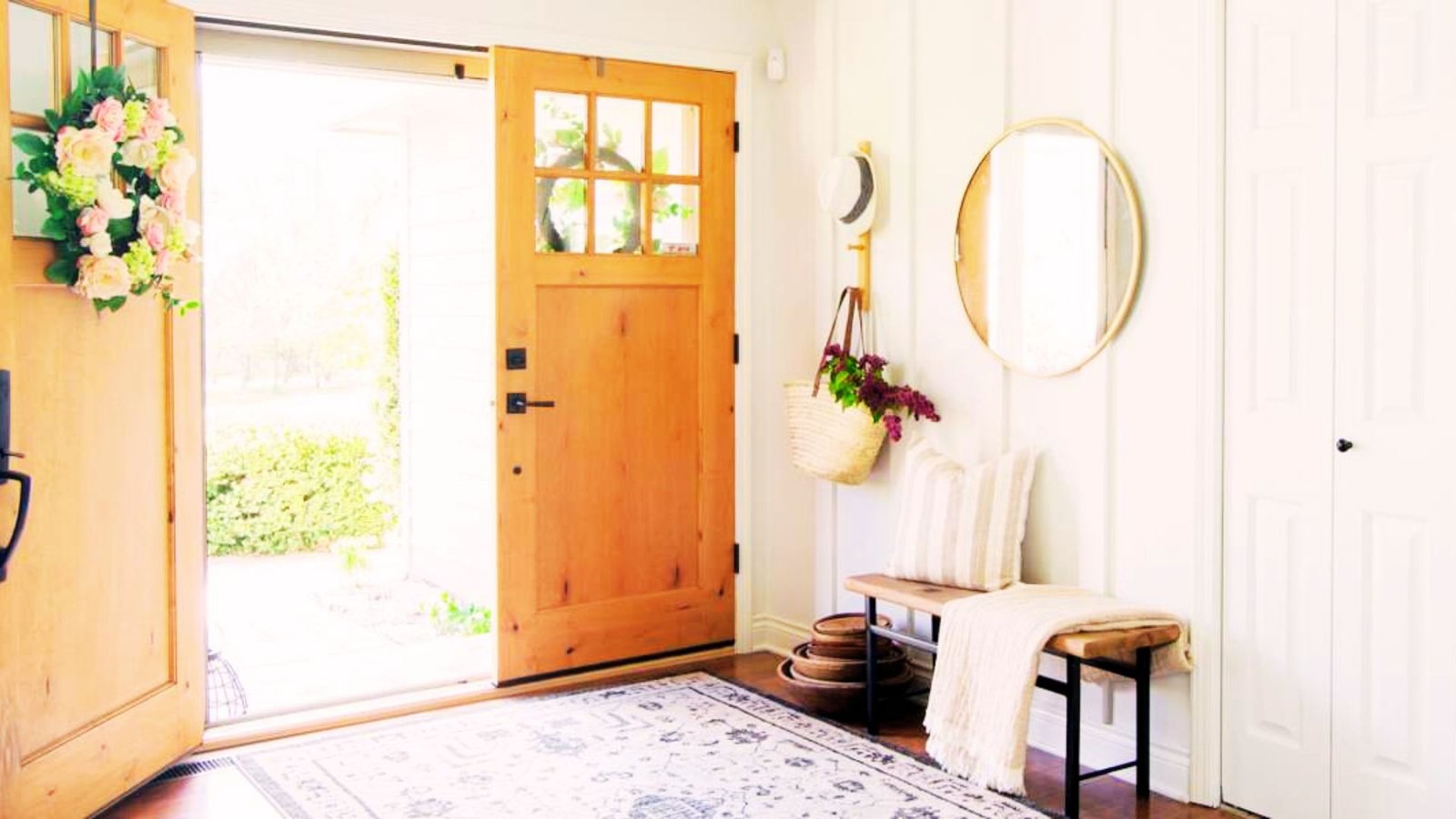
7.Brown Wood-Tone
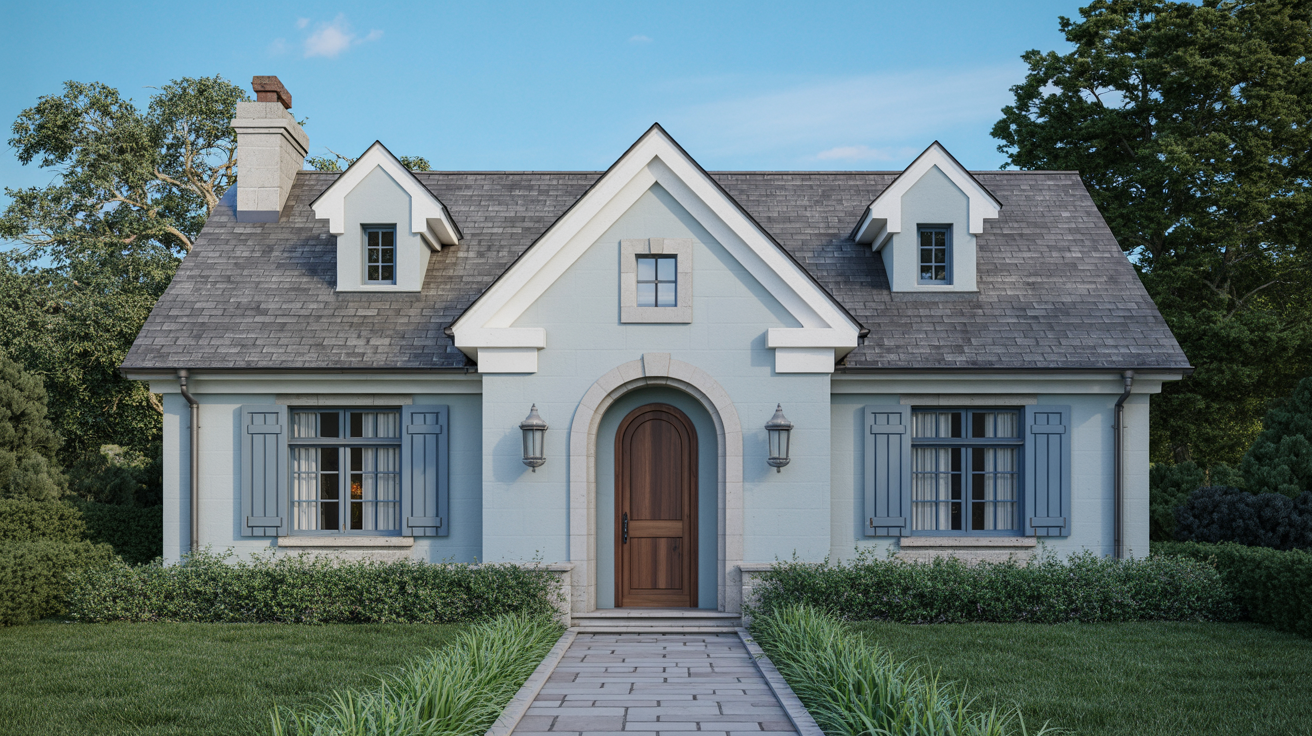
A wood-tone door brings warmth to a cool blue exterior. It softens the look and adds a natural, organic feel that many homeowners love.
Stained wood doors in honey, walnut, or mahogany all work well. They pair especially nicely with light blue or gray-blue houses where extra warmth is needed.
8.Navy Blue
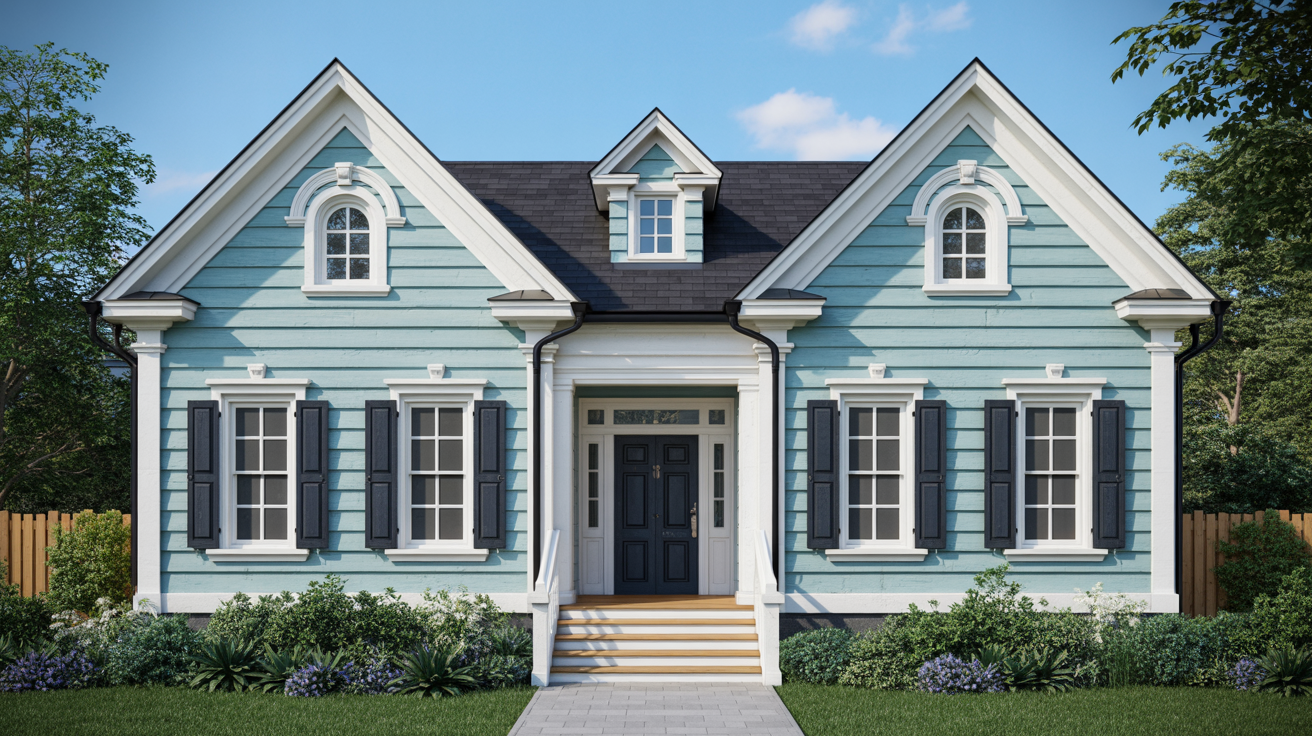
A navy door on a blue house sounds risky, but it works when done right. The key is making sure the door is a noticeably darker shade than the house.
This creates a tonal, layered look that feels intentional. It works best with light or medium blue exteriors and white trim.
9.Peacock Teal
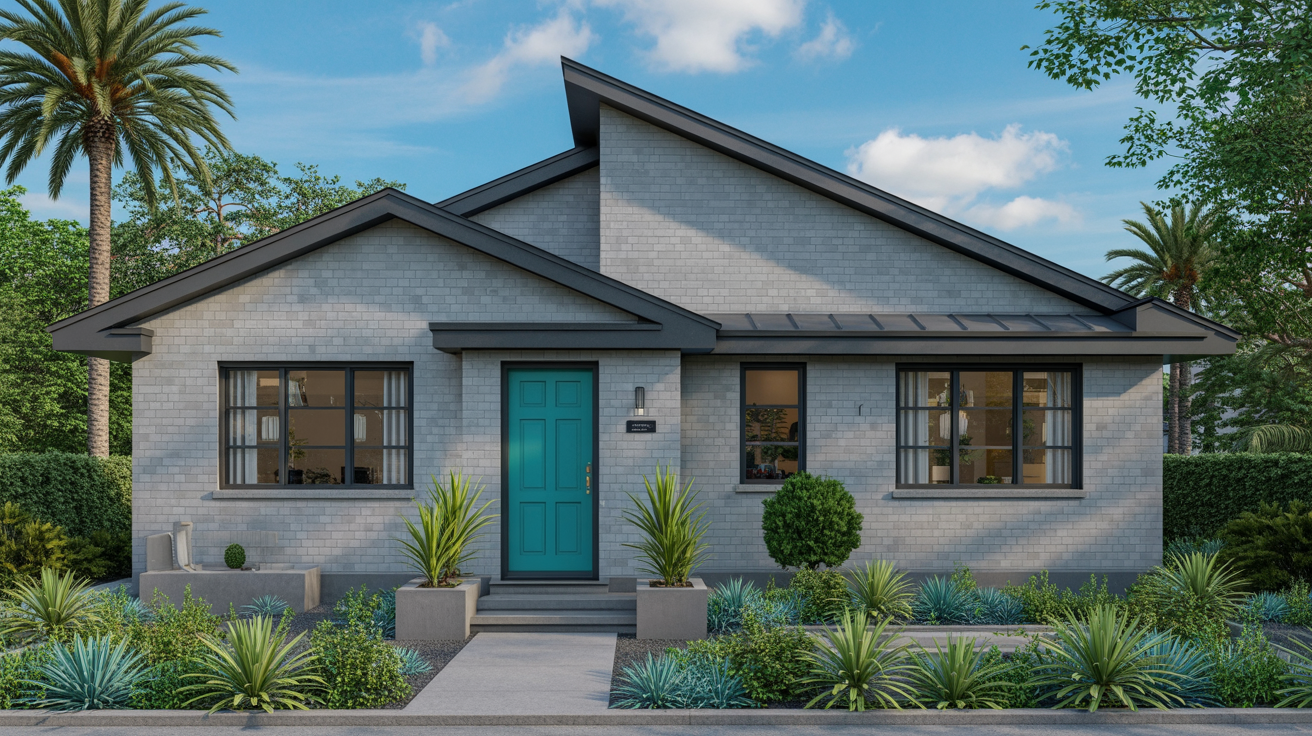
Peacock teal combines blue and green tones for a bold yet coordinated look. It adds personality without clashing with blue siding.
This color works particularly well on homes with white trim and coastal influences.
10.Burnt Orange
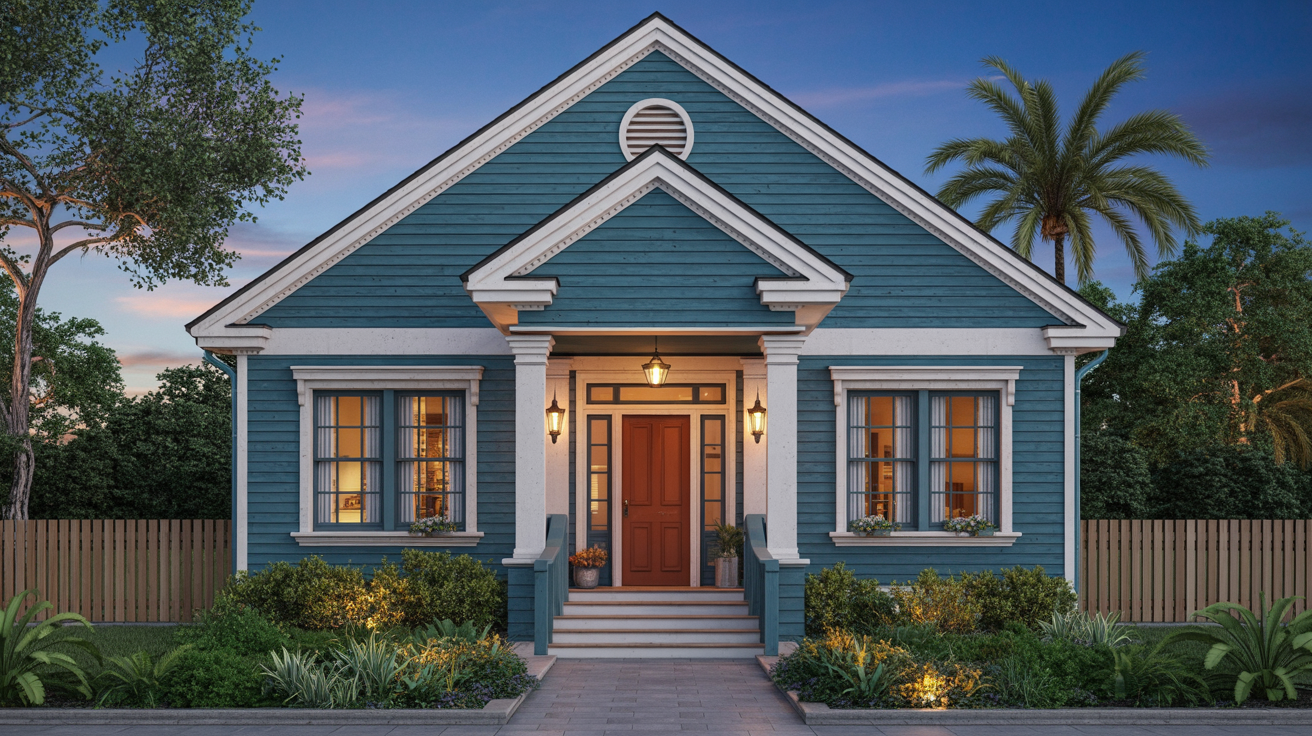
Burnt orange creates strong contrast against blue exteriors while feeling warmer and more grounded than brighter orange shades.
It works especially well on light and medium-blue homes and pairs nicely with brick and stone accents.
11.Cream
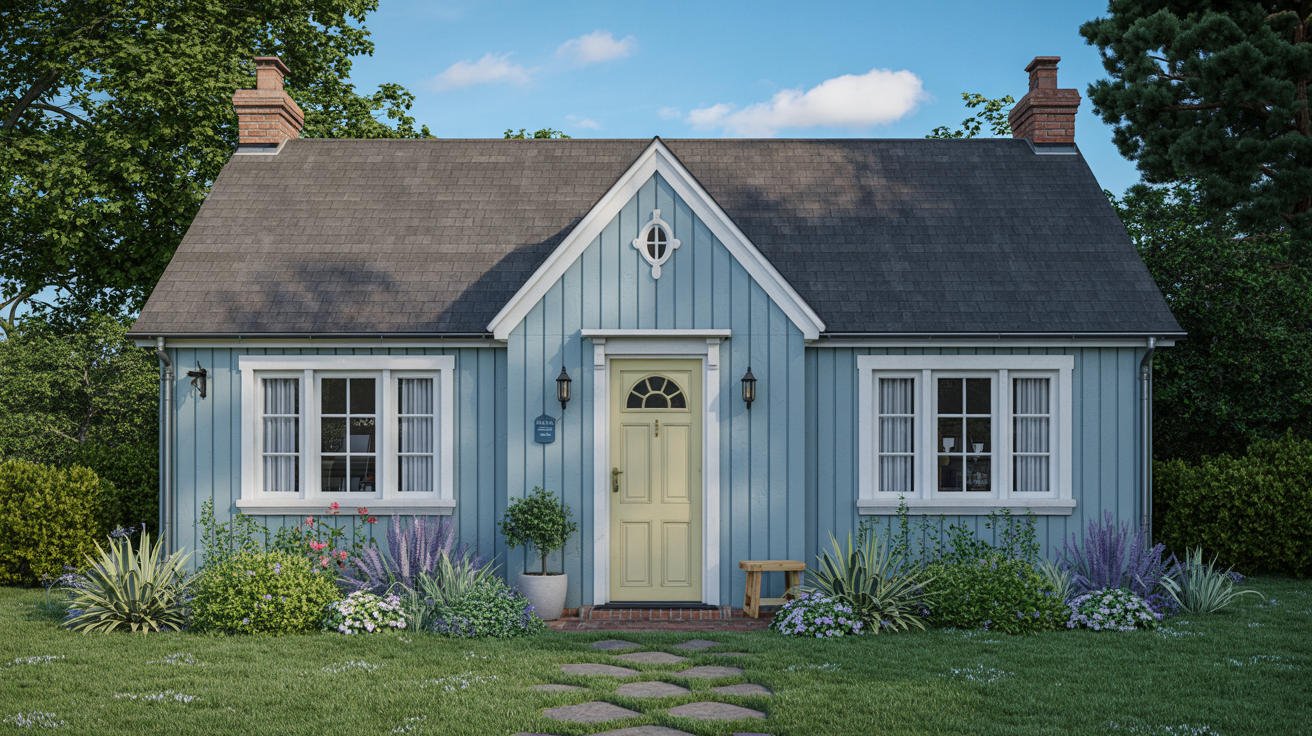
Cream is a softer alternative to white. It adds warmth without the starkness that pure white can sometimes bring.
It pairs well with any shade of blue and looks especially good with older or cottage-style homes. Cream doors feel welcoming and comfortable, not overdone.
12.Beige
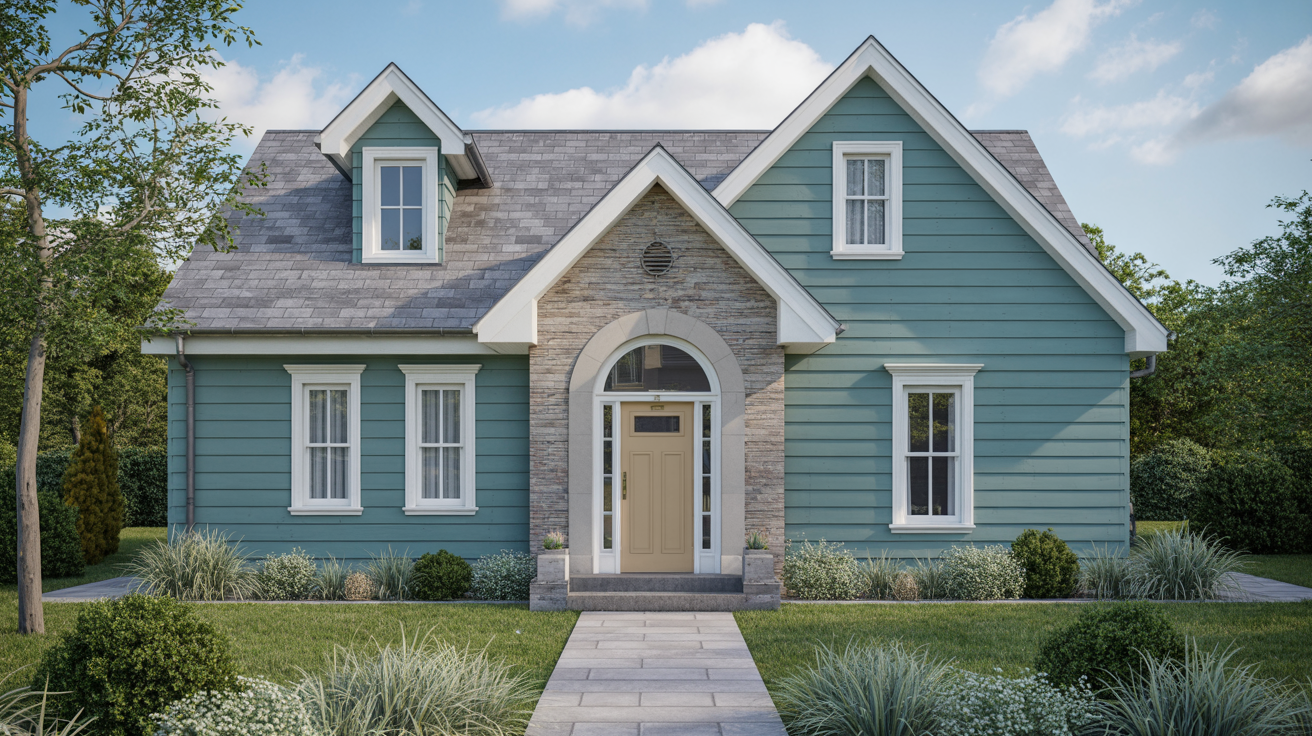
Beige is subtle and neutral. It does not compete with the blue exterior, which lets the house color take center stage.
It works best when you want a calm, understated look. Pair it with natural stone or brick accents, and it fits in effortlessly.
13.Charcoal
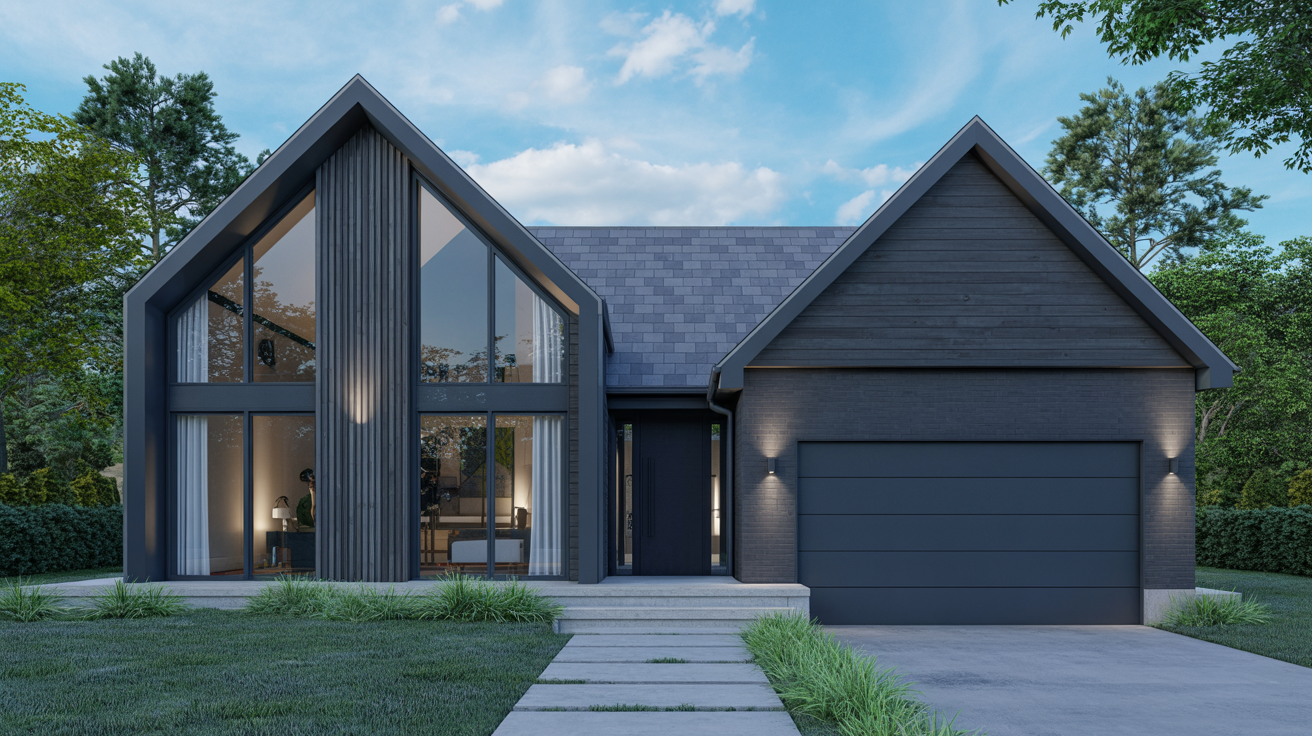
Charcoal is darker than gray and lighter than black. It adds depth to a blue house without the full boldness of a black door.
It works well on medium to dark blue houses and pairs nicely with metal hardware in black or bronze. It feels modern without being trendy.
14.Burgundy
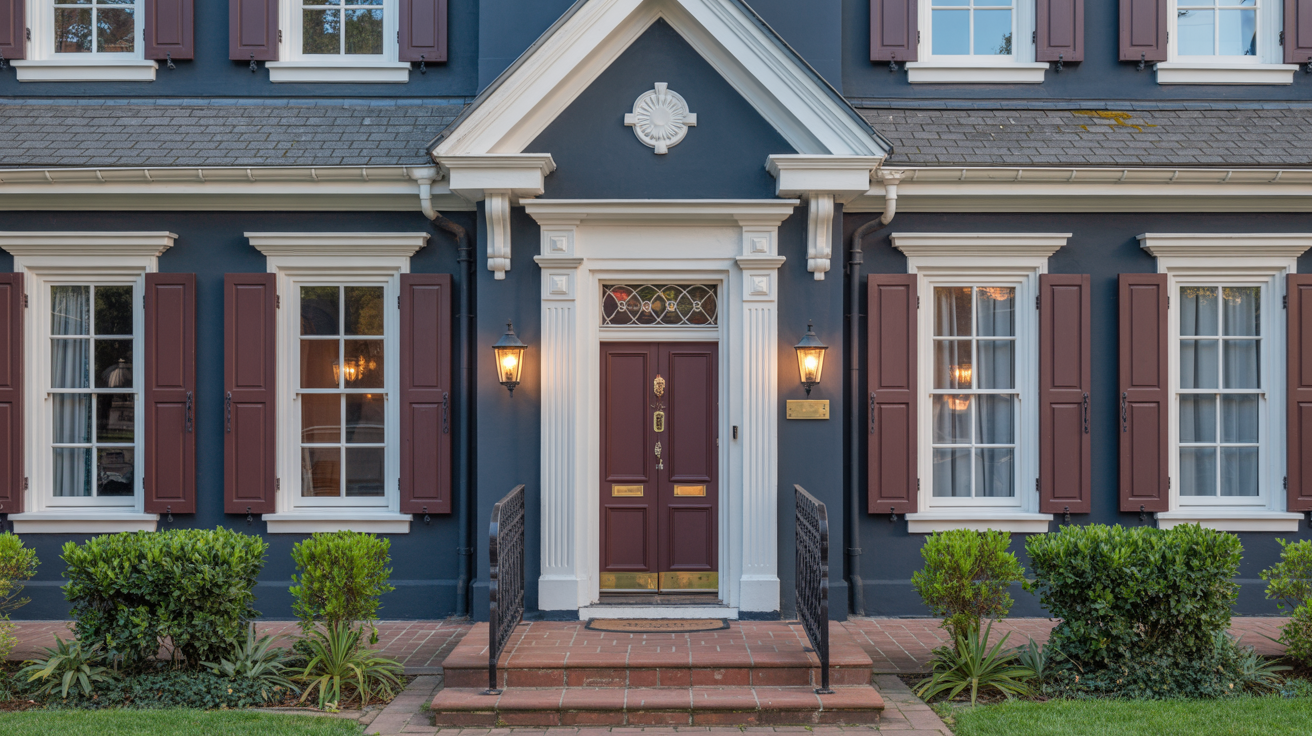
Burgundy brings richness and depth. It works well on darker blue houses and adds a warm, sophisticated contrast that feels inviting.
It pairs nicely with gold or brass hardware. If your house has warm-toned accents like brick or wood trim, burgundy ties everything together beautifully.
15.Sage Green
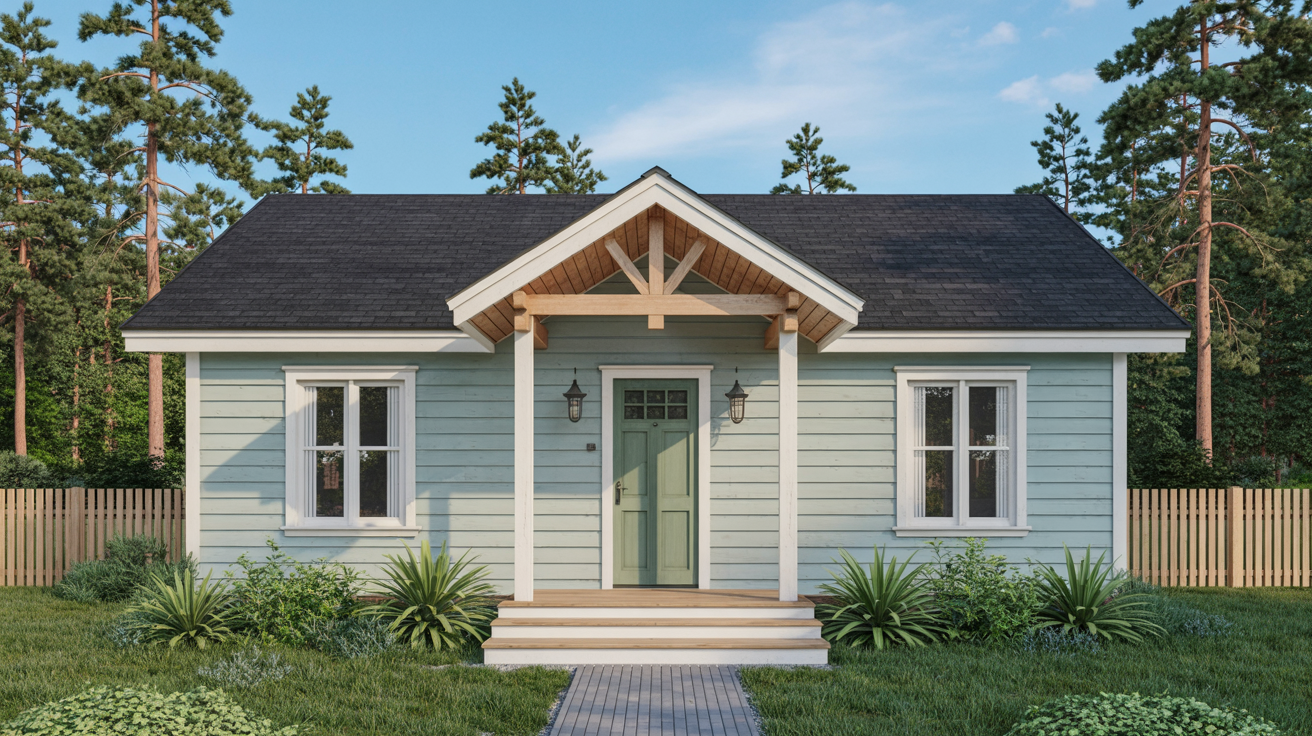
Sage green is a muted, earthy tone that pairs gently with blue exteriors. It feels calm and collected, which suits homes with a natural or relaxed vibe.
It works best with lighter or cooler blues. Pair it with white trim and natural wood details for a grounded, peaceful look.
16.Forest Green
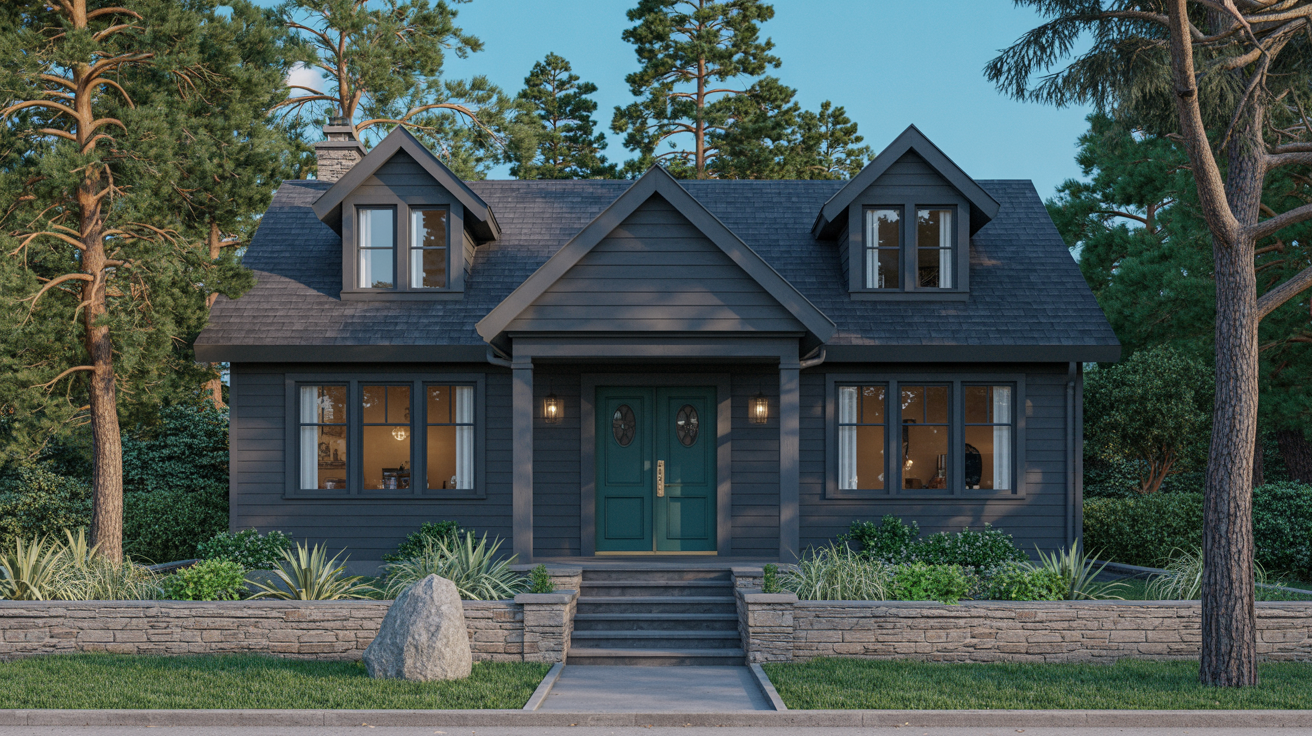
Forest green is deeper and richer than sage. It adds boldness while still feeling natural. On a blue house, it creates a strong but balanced contrast.
It works best with mid to dark blue shades. It pairs well with dark hardware and stone or brick accents.
17.Coral
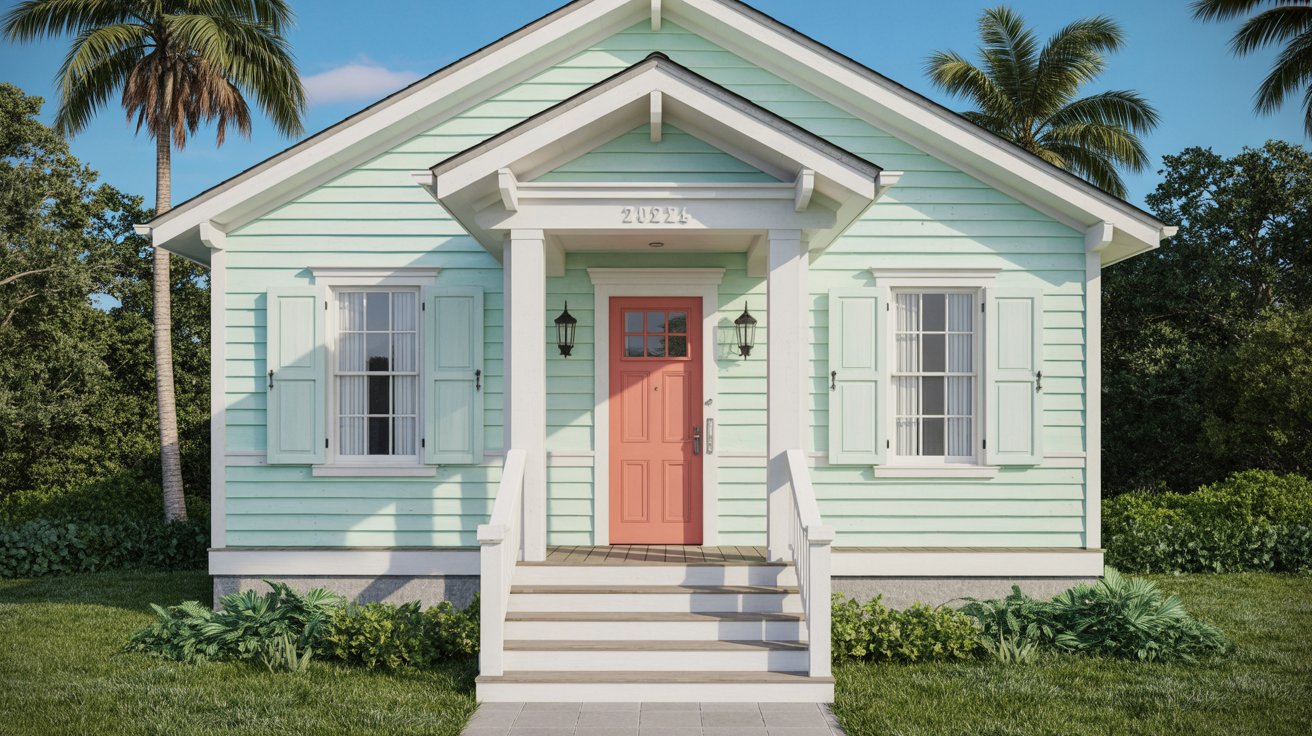
Coral is warm, friendly, and a little unexpected. It creates a vibrant contrast with blue exteriors and gives your home a lot of personality.
It works best with lighter shades of blue. Pair it with white trim to keep the look fresh rather than overwhelming.
18.Turquoise
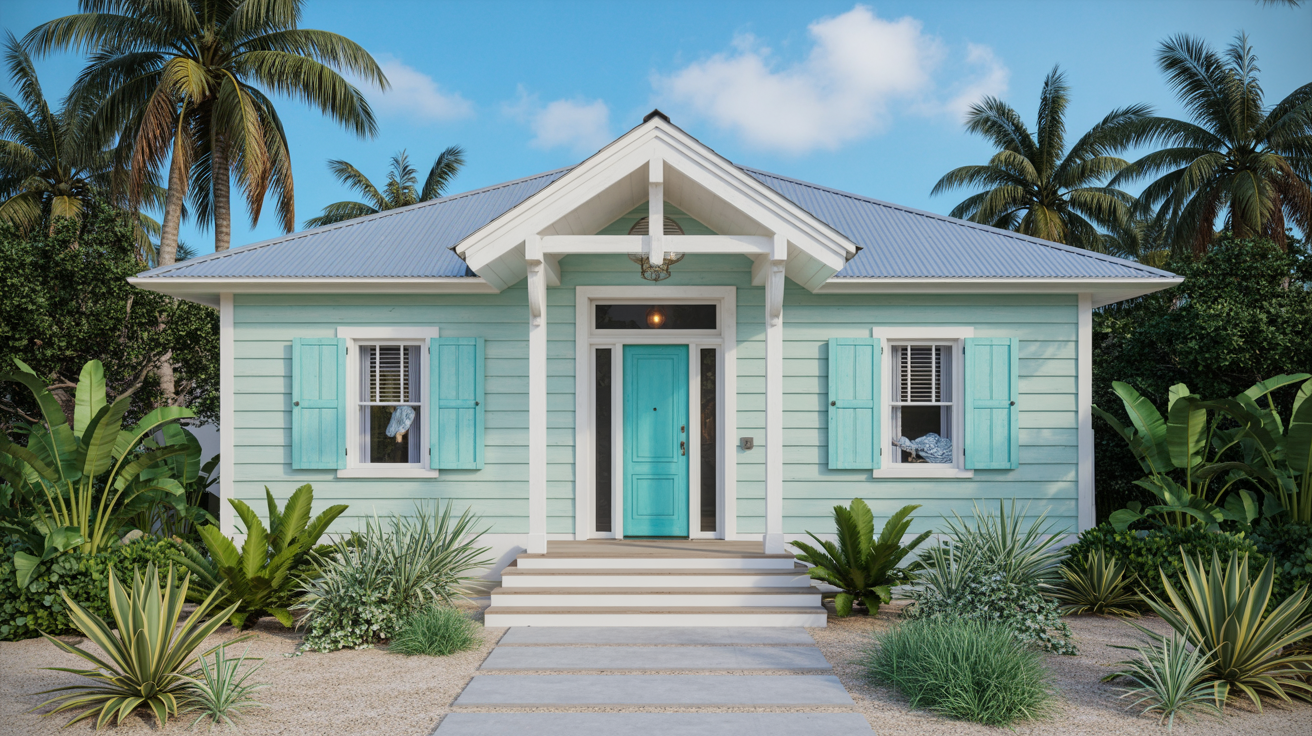
Turquoise is close to blue but different enough to create interest. It adds a playful, coastal feel to blue house exteriors.
It works best with lighter blues and white trim. If your home has a relaxed or beachy style, turquoise is a natural fit.
19.Copper
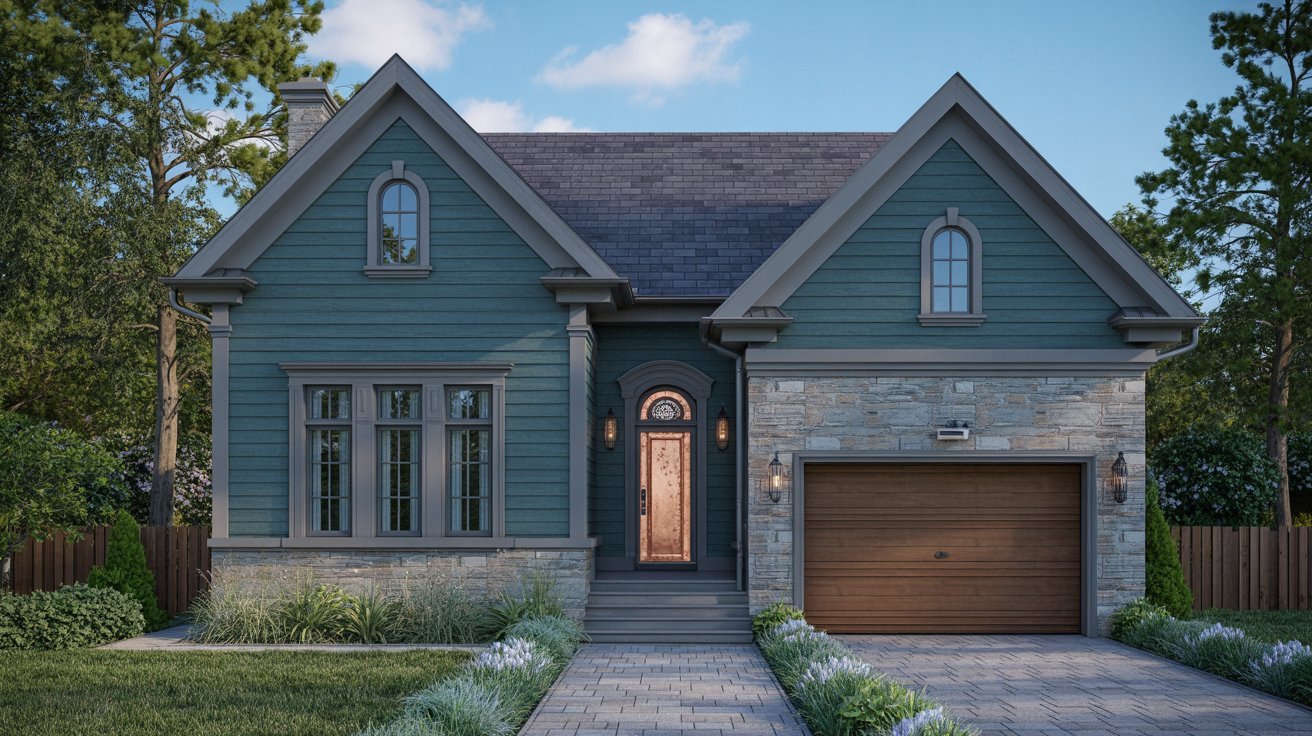
Copper is warm, rich, and a bit unexpected. It pairs beautifully with blue because it sits on the opposite end of the warm-cool spectrum.
Over time, copper develops a patina that actually looks better with age. It works well with darker blues and natural stone or brick elements.
Common Mistakes to Avoid
Picking door colors for blue house exteriors is exciting, but a few missteps can make the final result look off.
Keep these points in mind before you commit:
Conclusion
Choosing the right door colors for blue house exteriors does not have to be complicated.
I have been through the process myself, standing in front of paint swatches and second-guessing every choice.
But once you understand how your blue shade, trim, and fixed features work together, it gets a lot clearer.
Start with one or two colors from this list that feel right to you. Test them in small swatches before committing.
Found this helpful? Share it with a friend or drop your color choice in the comments below!
Frequently Asked Questions
What is the best front door color for a blue house?
White is one of the most popular choices because it creates clean contrast, but black, red, and natural wood-tone doors can also complement a blue house beautifully.
Should my front door be lighter or darker than my blue house?
Both options work well. A darker door adds depth and contrast, while a lighter door creates a bright and welcoming appearance.
What door colors should I avoid with a blue house?
Avoid colors that clash with your home's trim, roof, or other exterior features. Testing paint samples before committing can help prevent mismatched combinations.
Do wood-tone doors look good on blue houses?
Yes, wood-tone doors add warmth and balance to blue exteriors, making them a great choice for both traditional and modern homes.
How can I test a door color before painting?
Apply a small paint sample to your door and observe it throughout the day to see how natural lighting affects the color.