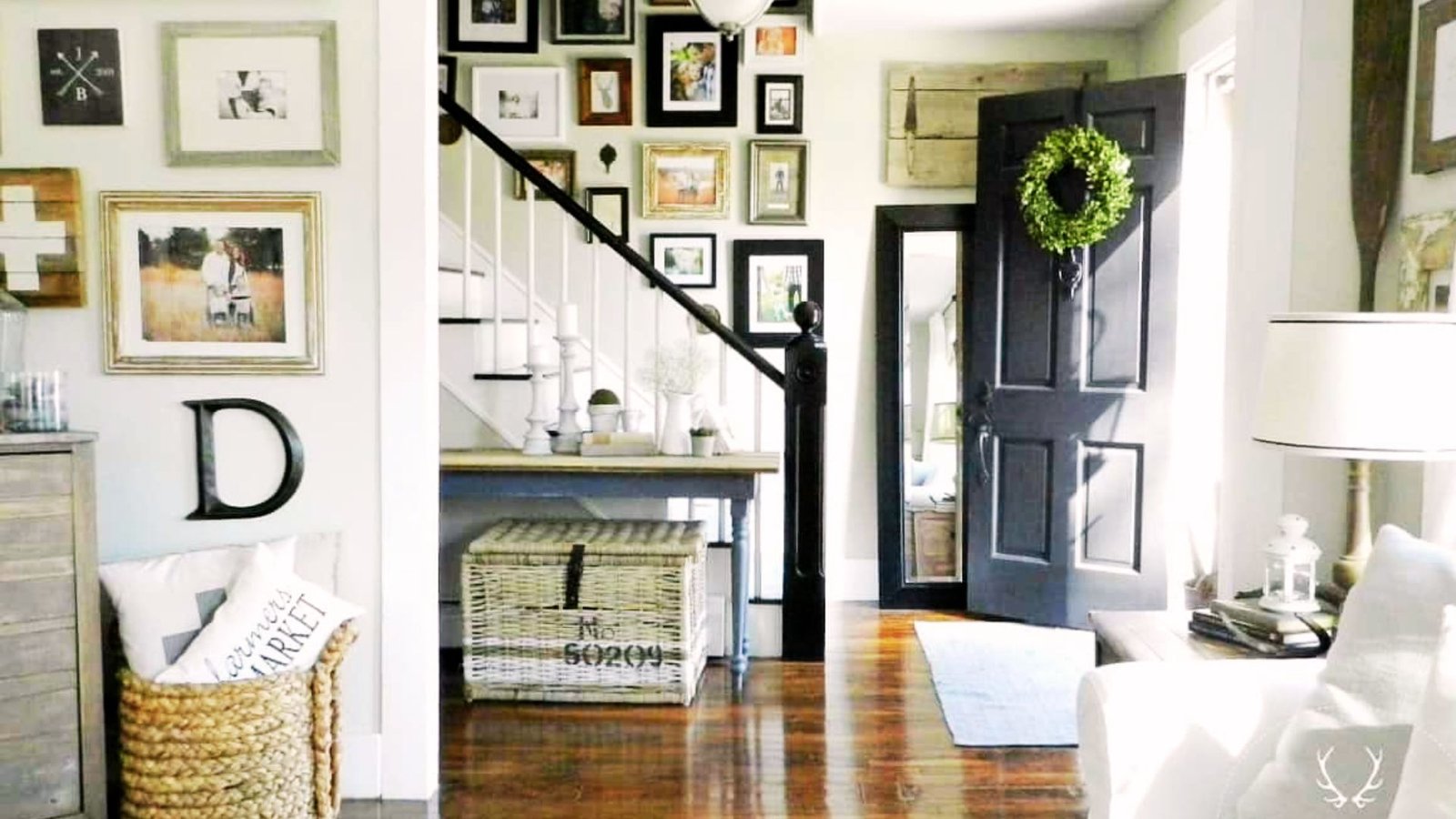
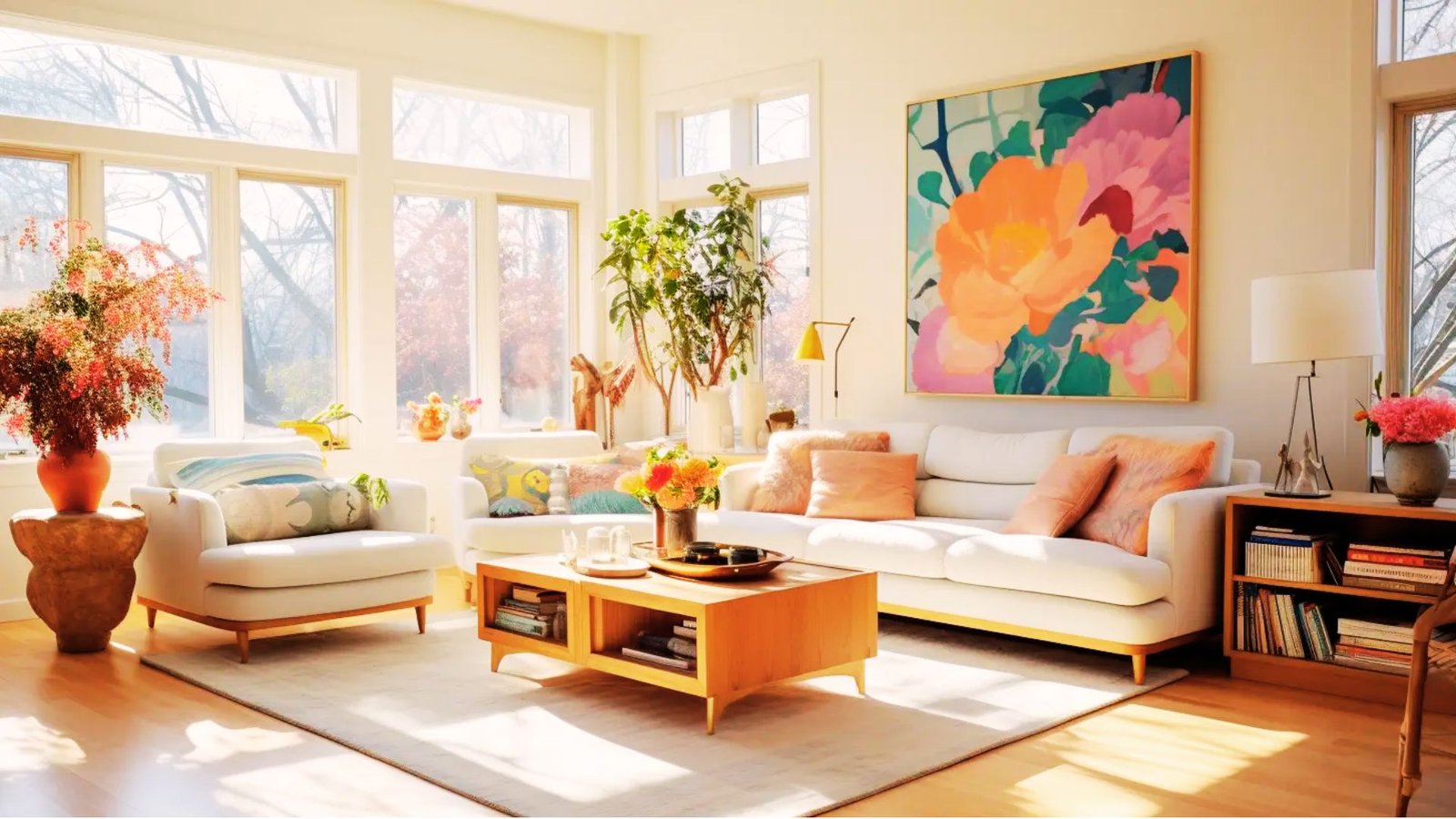

Your living room should feel calm the moment you walk in. But if it feels off, the problem might start at your front door.
Front door feng shui directly affects how energy moves through your living room. A few simple layout changes can make a real difference.
I have worked with many people on their living room layouts using these principles, and the results always surprise them.
In this guide, you will find 17 practical layout ideas for small living rooms, common mistakes to avoid near the front door, and simple daily habits to keep the energy balanced.
Let's make your space feel better, starting today.
Understanding Front Door Feng Shui Basics
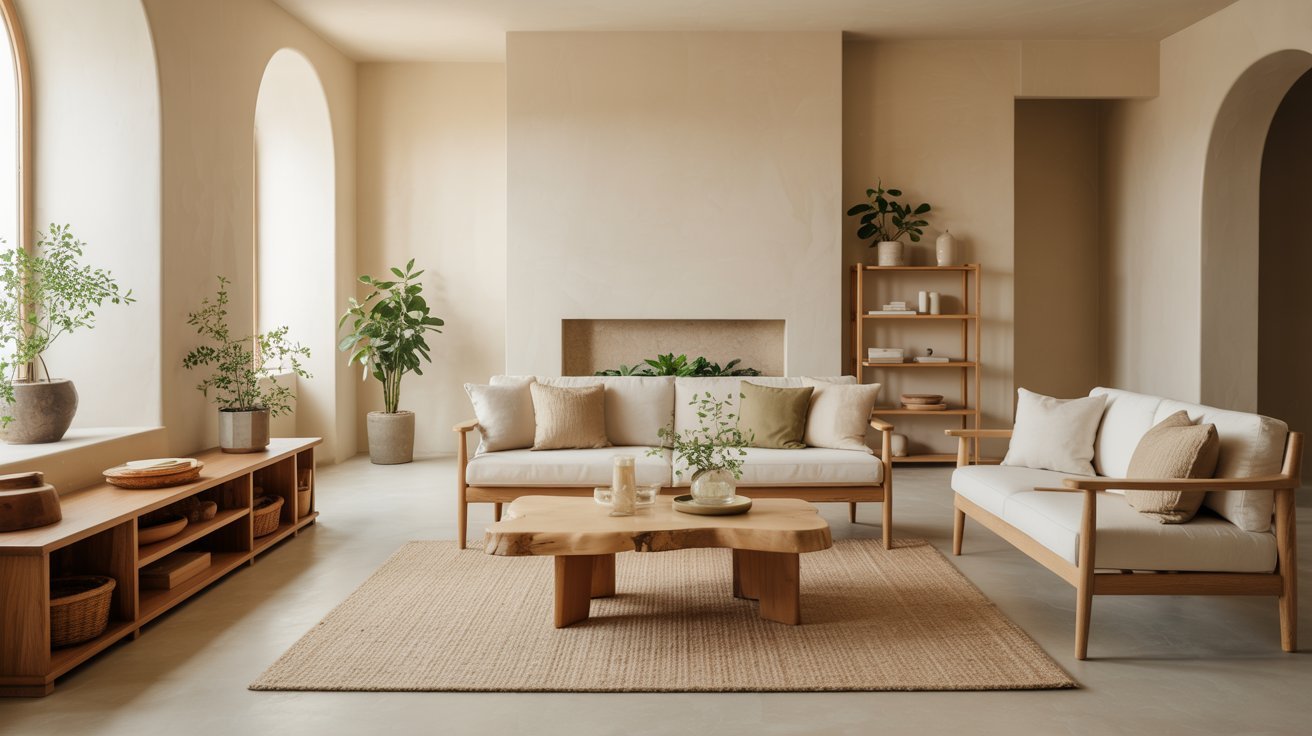
Learn how your front door affects the energy flow and overall feel of your living room.
In feng shui, the front door is called the "mouth of chi." This means it is the main entry point for energy coming into your home.
The way this energy travels from the door through your living room affects how the space feels on a daily basis.
A clear, open path from the front door allows energy to move freely. When that path is blocked or cluttered, the energy stagnates. This can make a room feel heavy or uncomfortable without an obvious reason.
Your living room is usually the first major space energy reaches after entering through the front door. So the way you lay it out directly impacts the mood and flow of your entire home.
Core Feng Shui Principles for Living Rooms
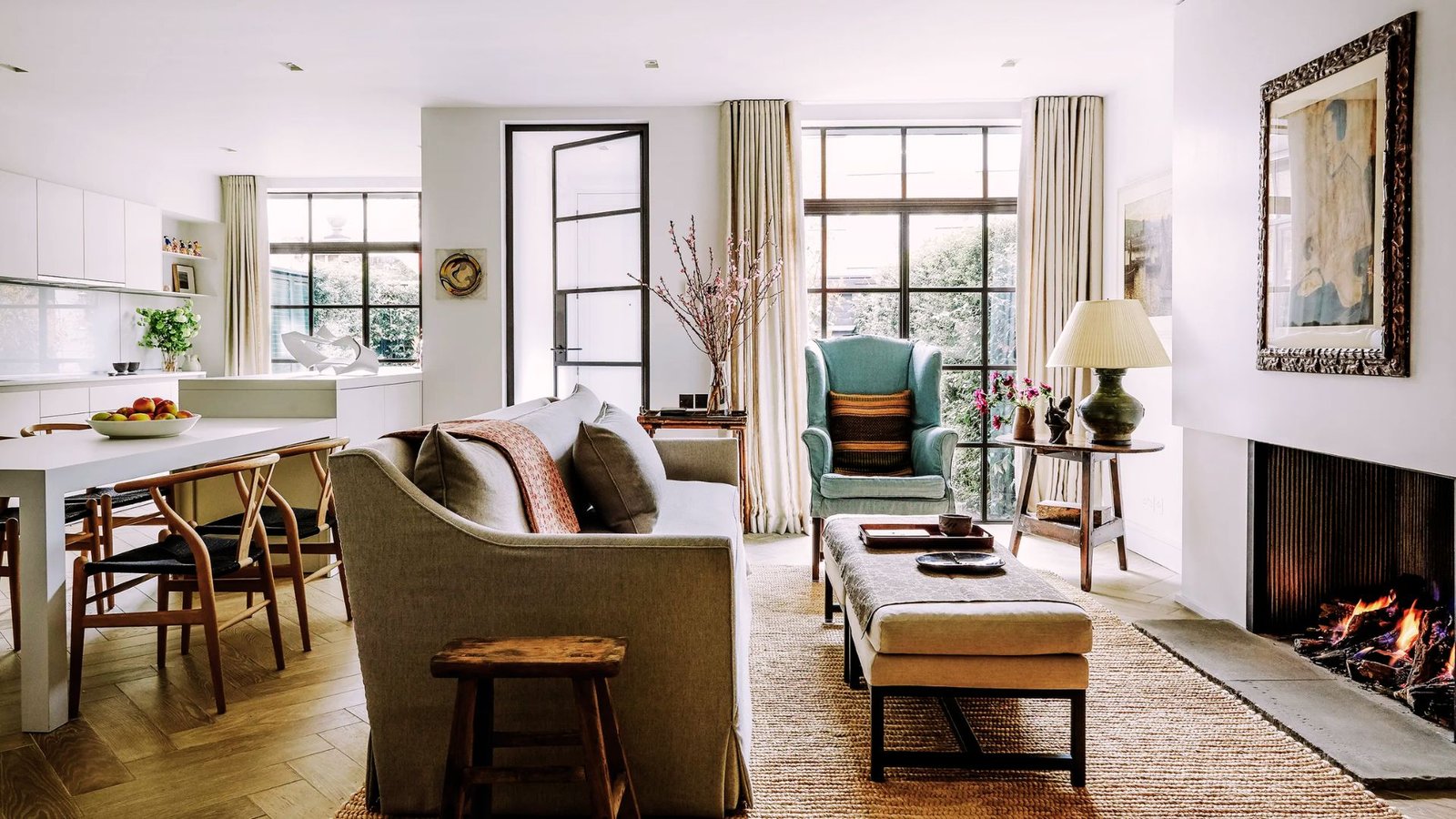
These basic principles help you create a living space that feels balanced, open, and welcoming.
Feng shui is built on the idea that energy, or chi, needs to move freely through a space.
When it flows well, a room feels calm and comfortable. When it is blocked, the space feels heavy and off.
Balance and Harmony
Balance does not mean perfect symmetry. It means no side of the room feels too heavy or too empty.
Mixing round shapes with straight lines, and different textures and tones, creates a room that feels grounded.
Decluttering
Clutter slows down energy. Stacked items, unused furniture, and things without a clear home all create stagnation.
Clear surfaces and open floor space allow chi to move and gather in the room.
Natural Light
Rooms with good natural light feel more alive. Keep windows clean and free of heavy coverings.
In darker rooms, use mirrors to reflect available light and warm toned bulbs to compensate.
Furniture Placement
Furniture should never block doorways or walking paths. Place your main seating in the commanding position, where the door is visible but not directly in front of you.
Ground larger pieces against walls for stability.
How to Assess Your Living Room Layout
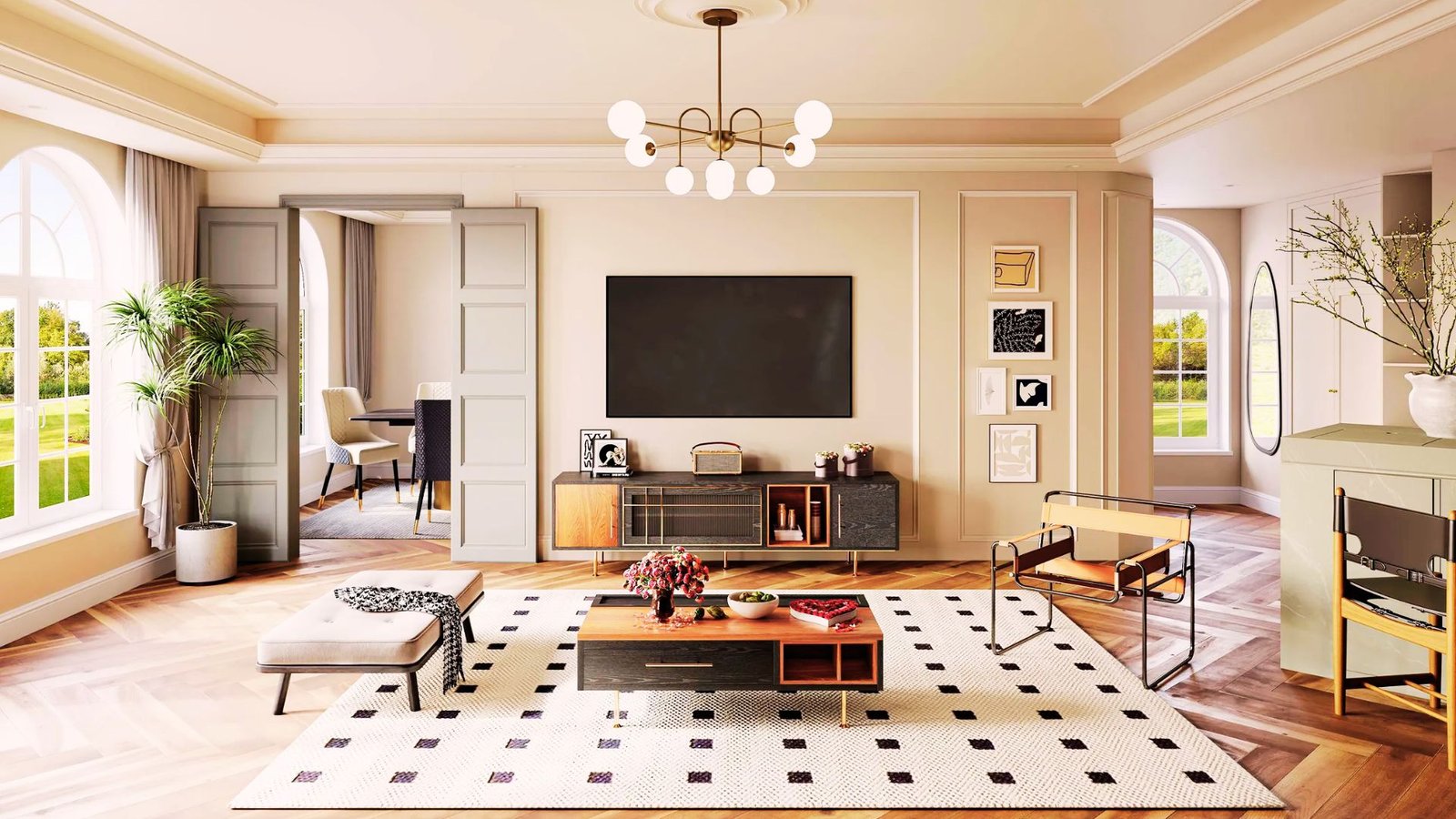
Before making changes, take time to look at your current space clearly and honestly.
Walk through your living room slowly. Notice where it feels heavy, crowded, or awkward. Ask yourself if the room feels open, if you can move freely from the front door to the seating area, and if any corners feel ignored.
Check the Flow From the Front Door
Stand at your front door and look in. If furniture is the first thing blocking your path, it is disrupting energy flow. Even a small shift in placement can open the entry up significantly.
Identify Cluttered or Blocked Areas
Notice where things pile up without thinking. A chair used as a clothing rack or a corner full of boxes blocks energy. You do not need a renovation. Putting things back in their place is often enough.
Look for Dark Corners and Dead Spaces
Dark corners trap energy. Add a lamp, a plant, or a small decor piece to activate them. Fill awkward gaps with a floor lamp or side table to make every area feel purposeful.
Measure Furniture and Walking Space
You need at least 18 to 24 inches of walking space between pieces. If you do not have that, adjust the layout. Sometimes swapping one oversized sofa for a slightly smaller one is all it takes.
17 Front Door Feng Shui Layout Ideas for Living Rooms
These practical ideas help you arrange your small living room in a way that supports good energy flow.
1. Position Furniture to Face the Door
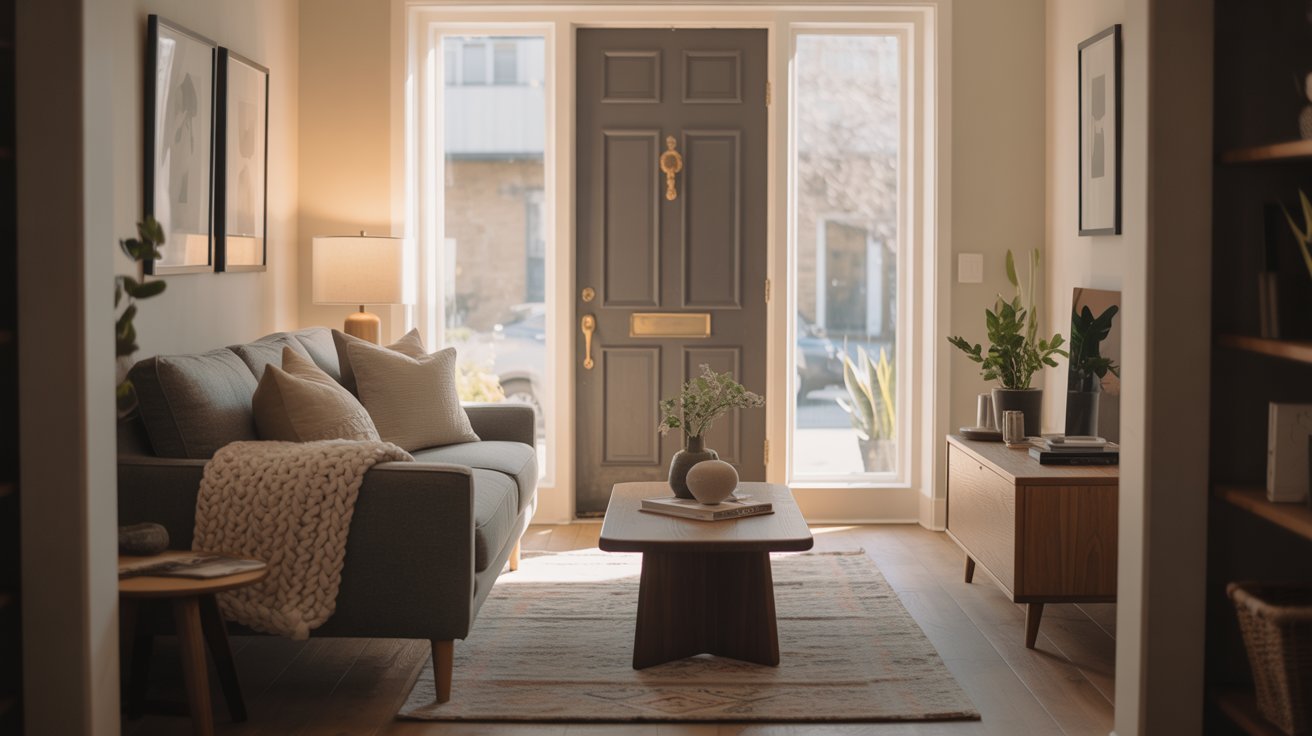
Arrange your main seating so that people sitting down can see the front door. This is the commanding position in feng shui. It creates a natural sense of security and awareness.
You do not need to place furniture directly in front of the door. Just make sure the door is visible from the primary seating spot.
2. Keep Entry Pathways Clear
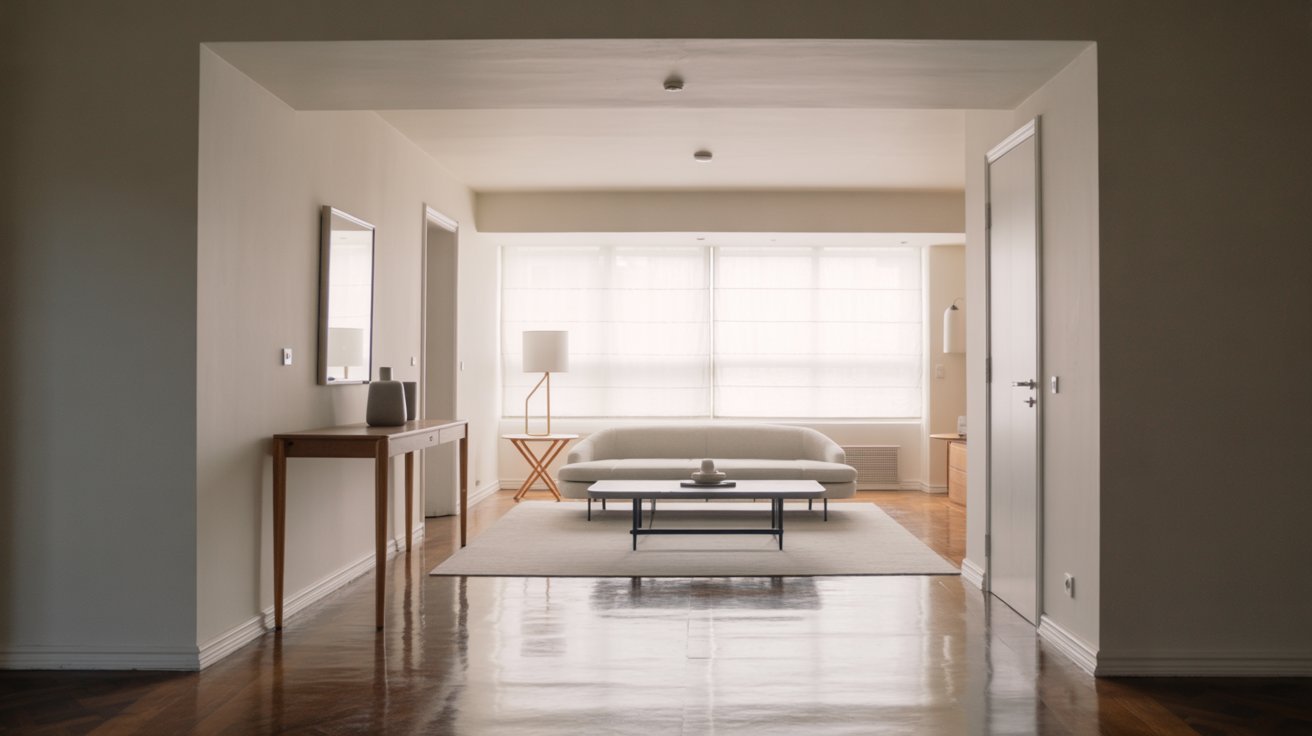
The area just inside the front door should always be clear. Avoid placing furniture, shoes, bags, or other items in this zone.
A clear entry allows energy to move into the room naturally. It also makes a better first impression for anyone entering your home.
3. Use Symmetry for Better Balance
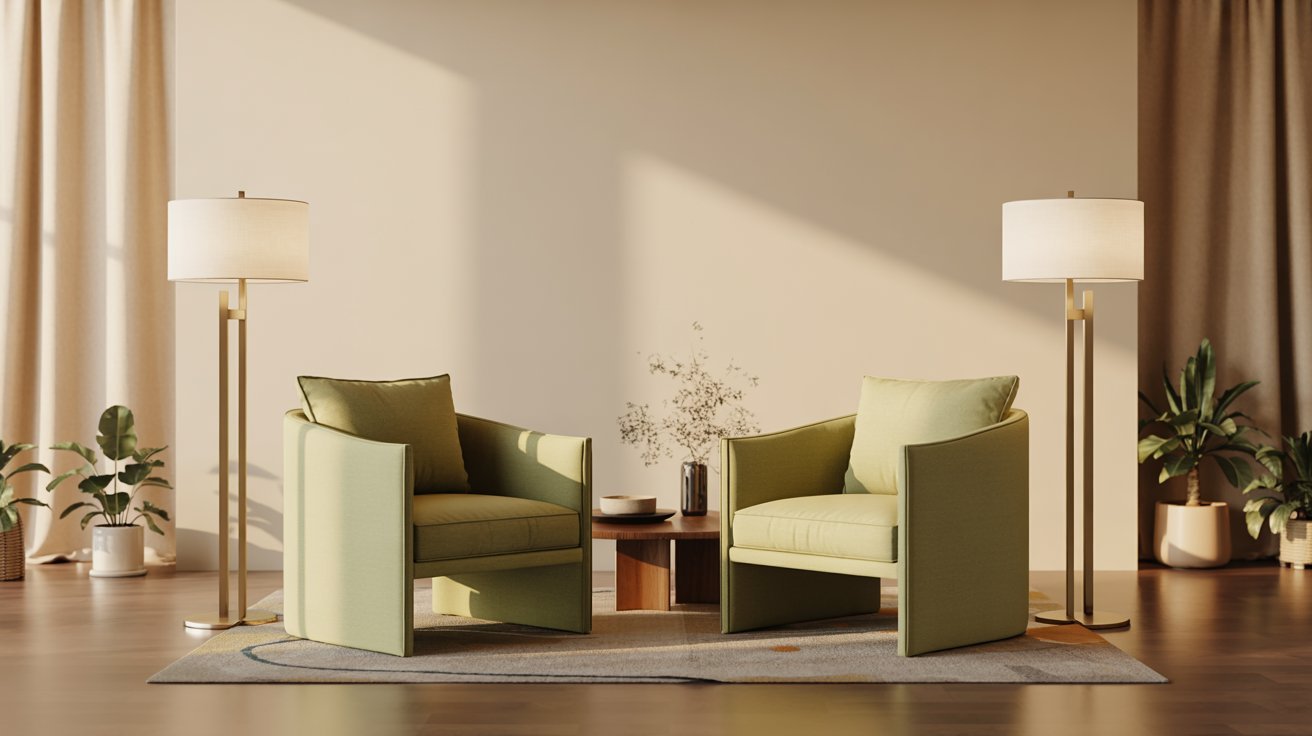
Placing matching items on either side of the sofa or fireplace creates a sense of visual balance. Two lamps, two chairs, or two side tables work well.
Symmetry does not have to be strict. Even loosely balanced arrangements make a room feel more grounded and intentional.
4. Choose Multi Functional Furniture
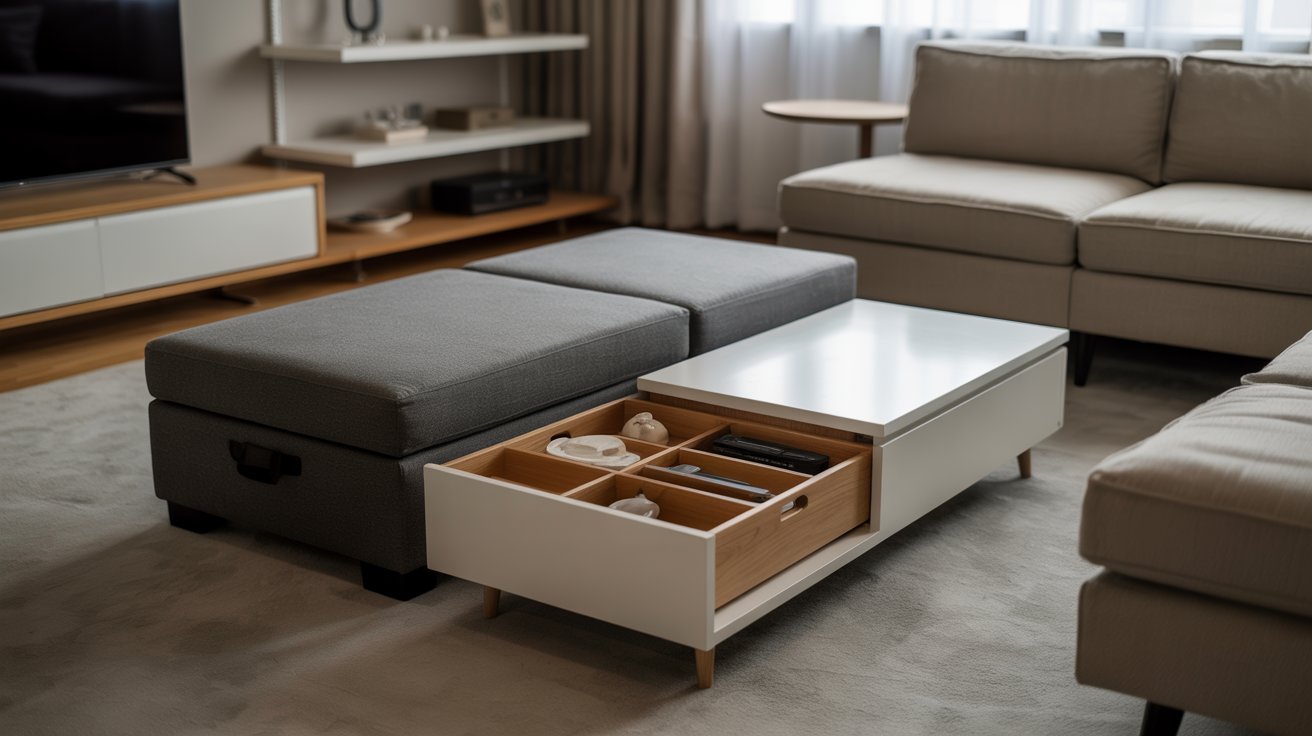
In a small living room, every piece of furniture should earn its place. A coffee table with storage, an ottoman that doubles as seating, or a bench that opens up for storage all do more with less space.
Multi functional furniture reduces the number of pieces needed in the room, which naturally opens up the layout and improves flow.
5. Use Mirrors Strategically
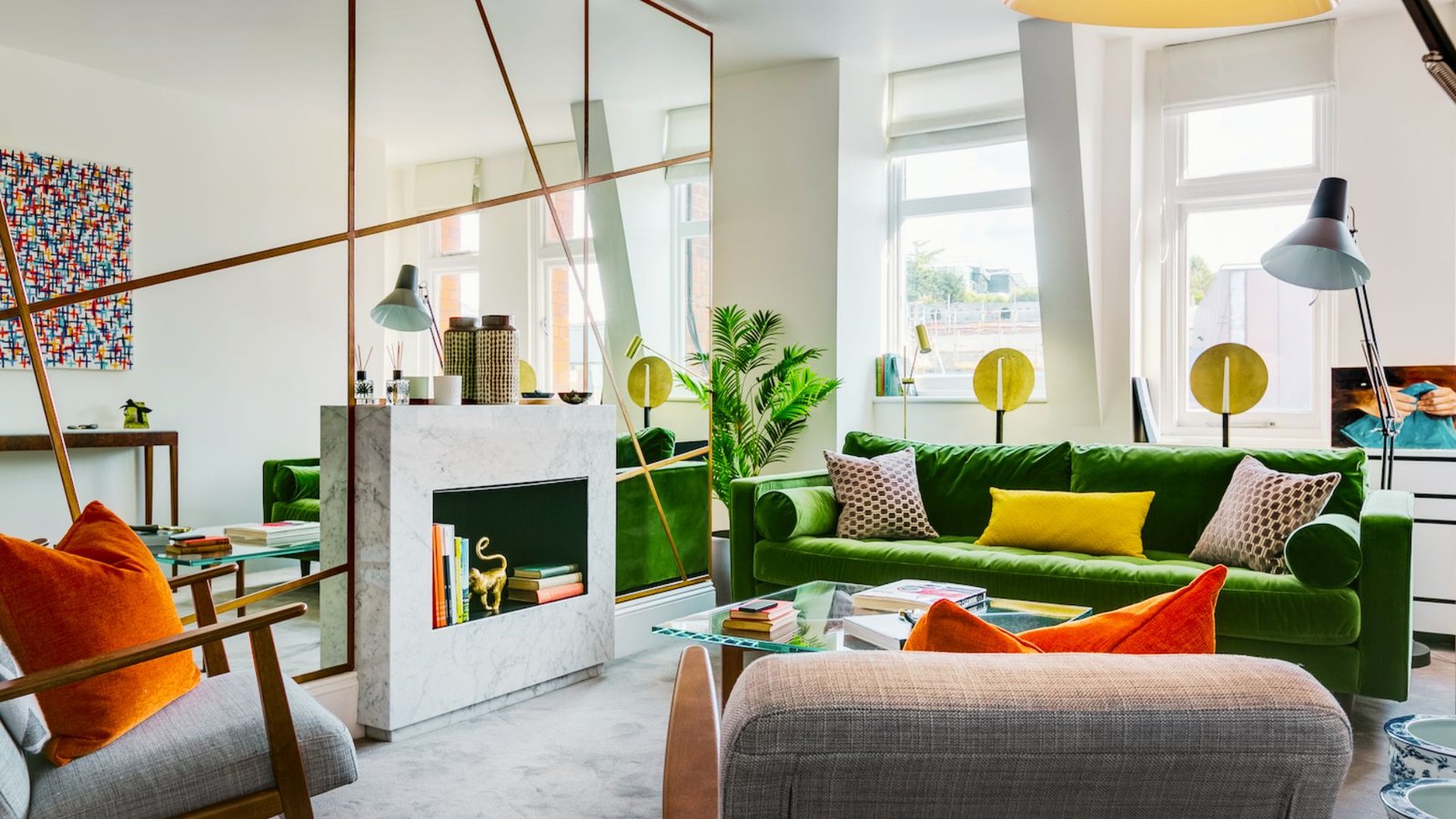
Mirrors reflect light and create the visual sense of more space. Placing a mirror on a wall that reflects natural light can make a small living room feel noticeably larger.
In feng shui, mirrors should not face the front door directly. This is believed to push energy back out rather than allowing it to circulate through the room. Place mirrors on side walls instead.
6. Add Rounded Furniture Pieces
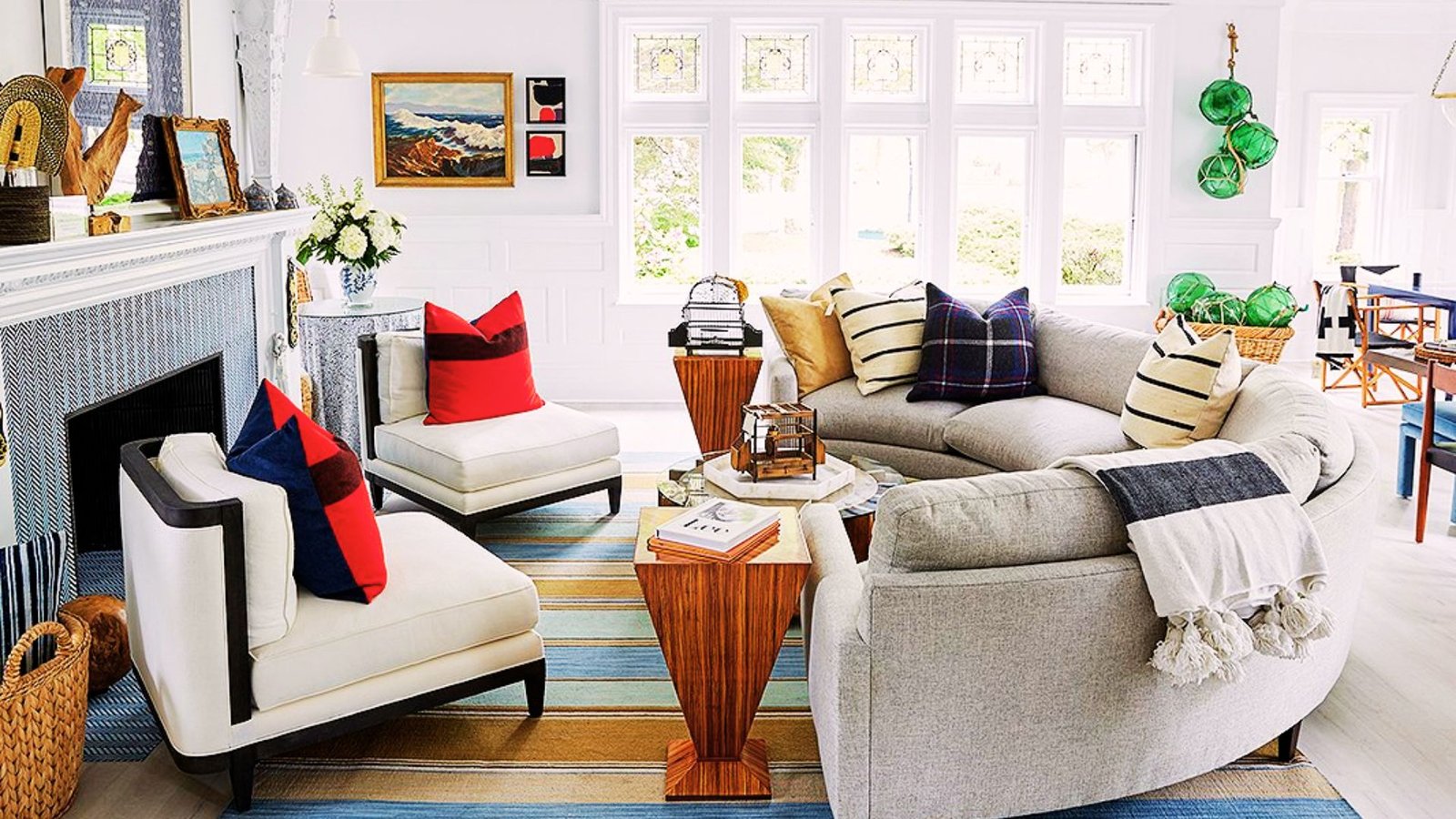
Sharp corners on furniture create what feng shui calls "cutting chi." This refers to the harsh energy that angles can direct toward people in the room.
Choosing a round coffee table, curved sofa, or oval rug softens the overall feel of the space. Rounded shapes promote a more relaxed, comfortable atmosphere.
7. Place the Sofa Against a Solid Wall
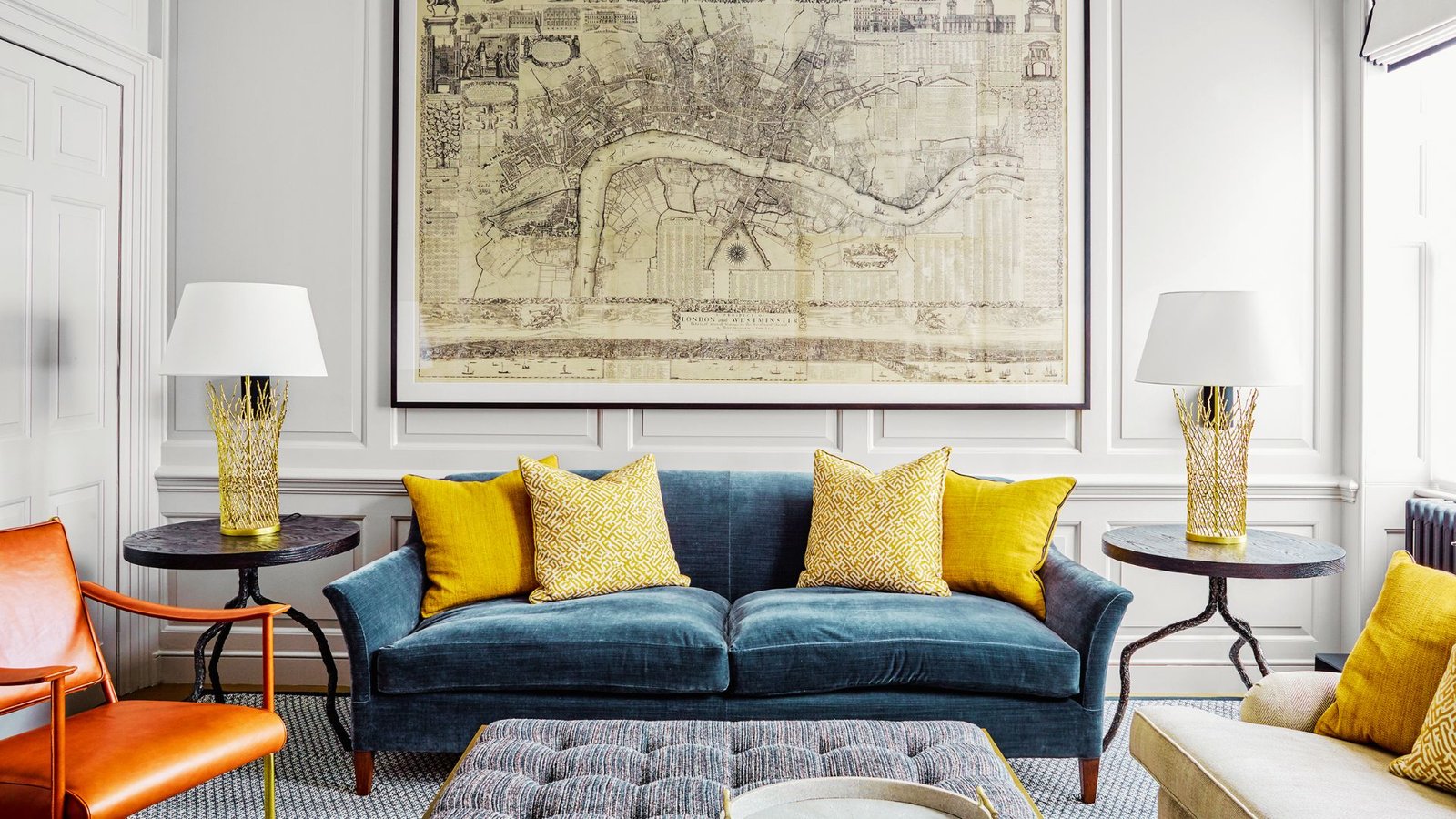
A sofa with a solid wall behind it provides a sense of support and stability. In feng shui, this is considered a strong, grounding position.
Avoid placing the sofa with its back to a window or open space. This creates an unsettled feeling for people sitting there, even if they cannot pinpoint why.
8. Try Floating Furniture Layouts
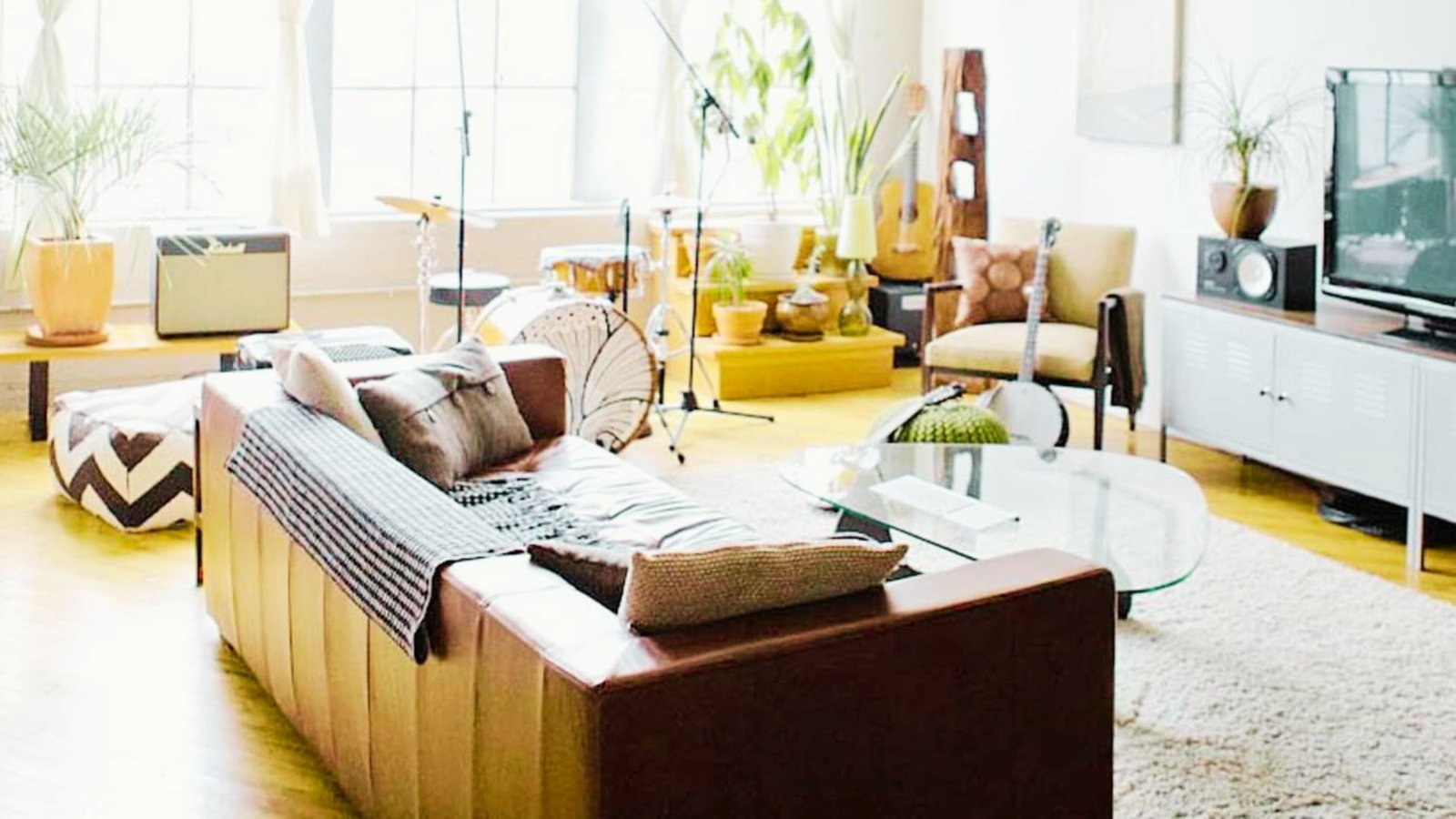
In some small living rooms, pulling furniture slightly away from the walls actually creates a better sense of flow. This is called a floating layout.
When furniture hugs every wall, the center of the room can feel like a long, empty corridor. Pulling pieces inward slightly creates a more intimate, connected arrangement.
9. Add Indoor Plants Near the Entrance
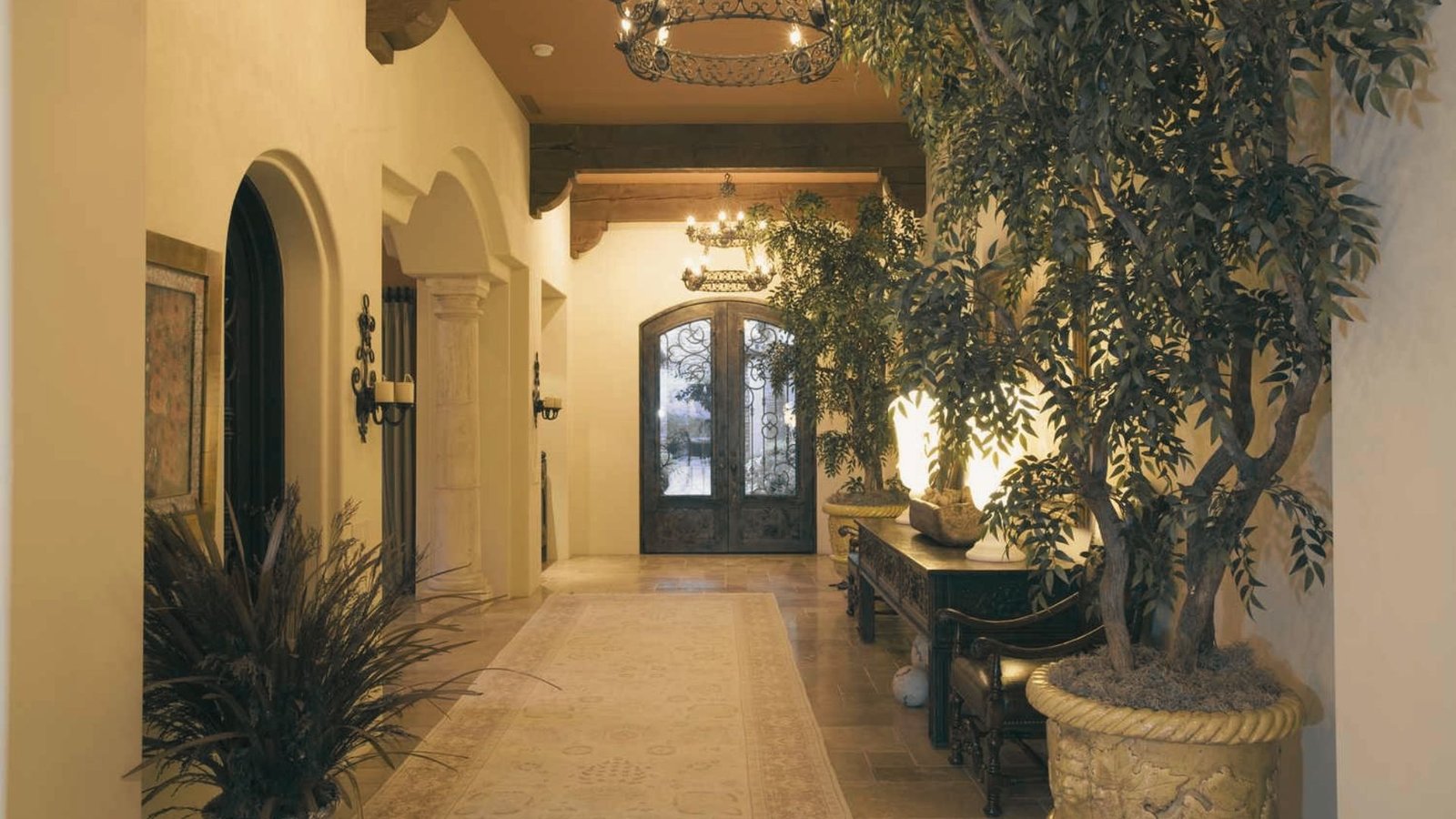
Plants represent the wood element in feng shui and symbolize growth and vitality. Placing a healthy plant near the entrance of your living room activates that area and brings life into the space.
Choose plants that are easy to maintain. A struggling or dying plant has the opposite effect in feng shui. Pothos, snake plants, and peace lilies are good low maintenance options.
10. Maximize Natural Light
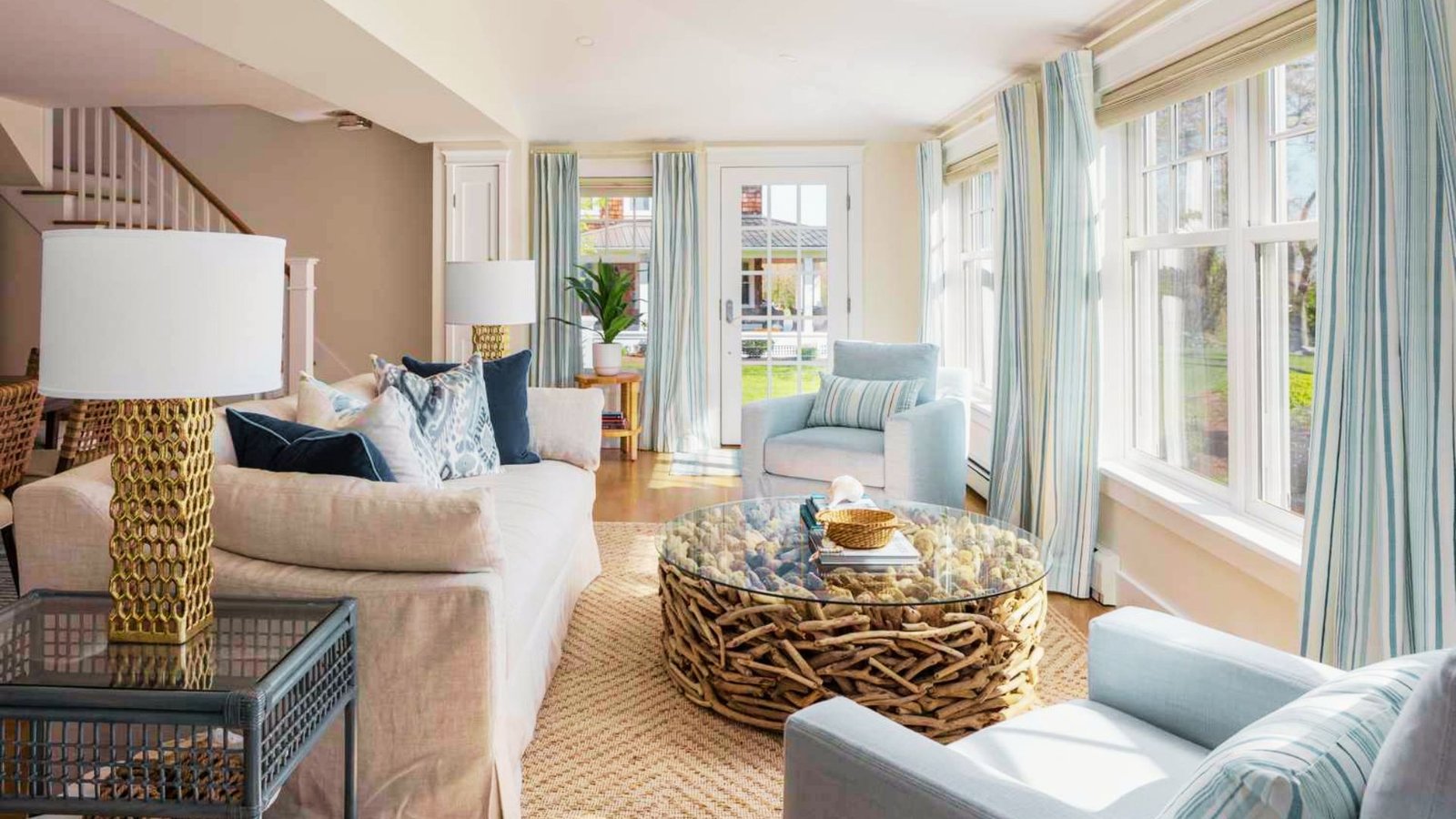
Do what you can to bring more natural light into the space. Remove heavy curtains and replace them with lighter ones. Clean your windows regularly. Trim any outdoor plants that block light from coming through.
More light means more active energy in the room. It also makes colors look truer and the space feel more open.
11. Layer Lighting for Warmth
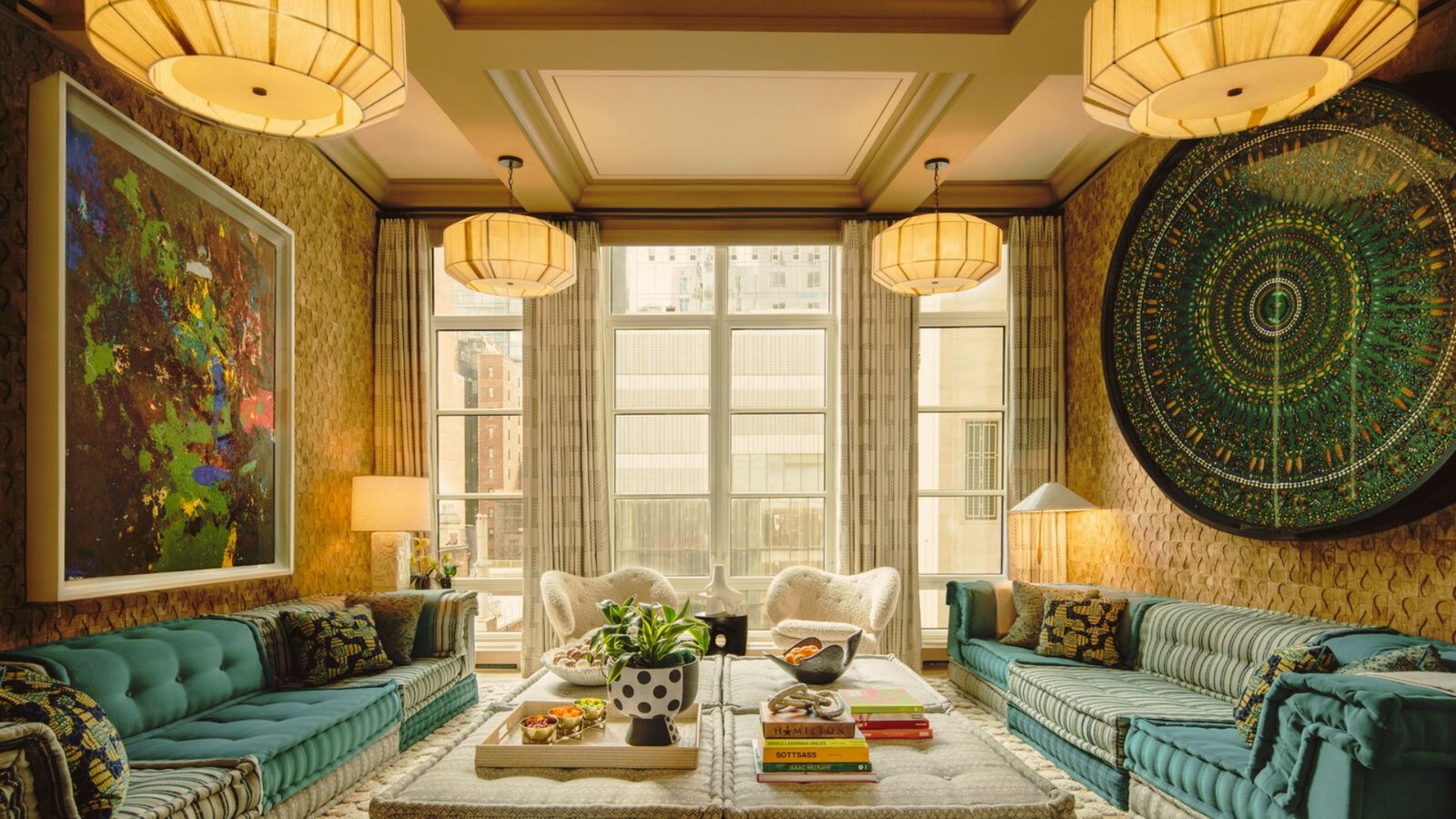
Overhead lighting alone creates a flat, sometimes harsh atmosphere. Layering different light sources adds warmth and makes the room feel more alive.
Use a combination of a ceiling light, floor lamps, and table lamps. Warm bulbs in the 2700 to 3000 Kelvin range create the most inviting atmosphere for a living room.
12. Use Earth Tone Colors
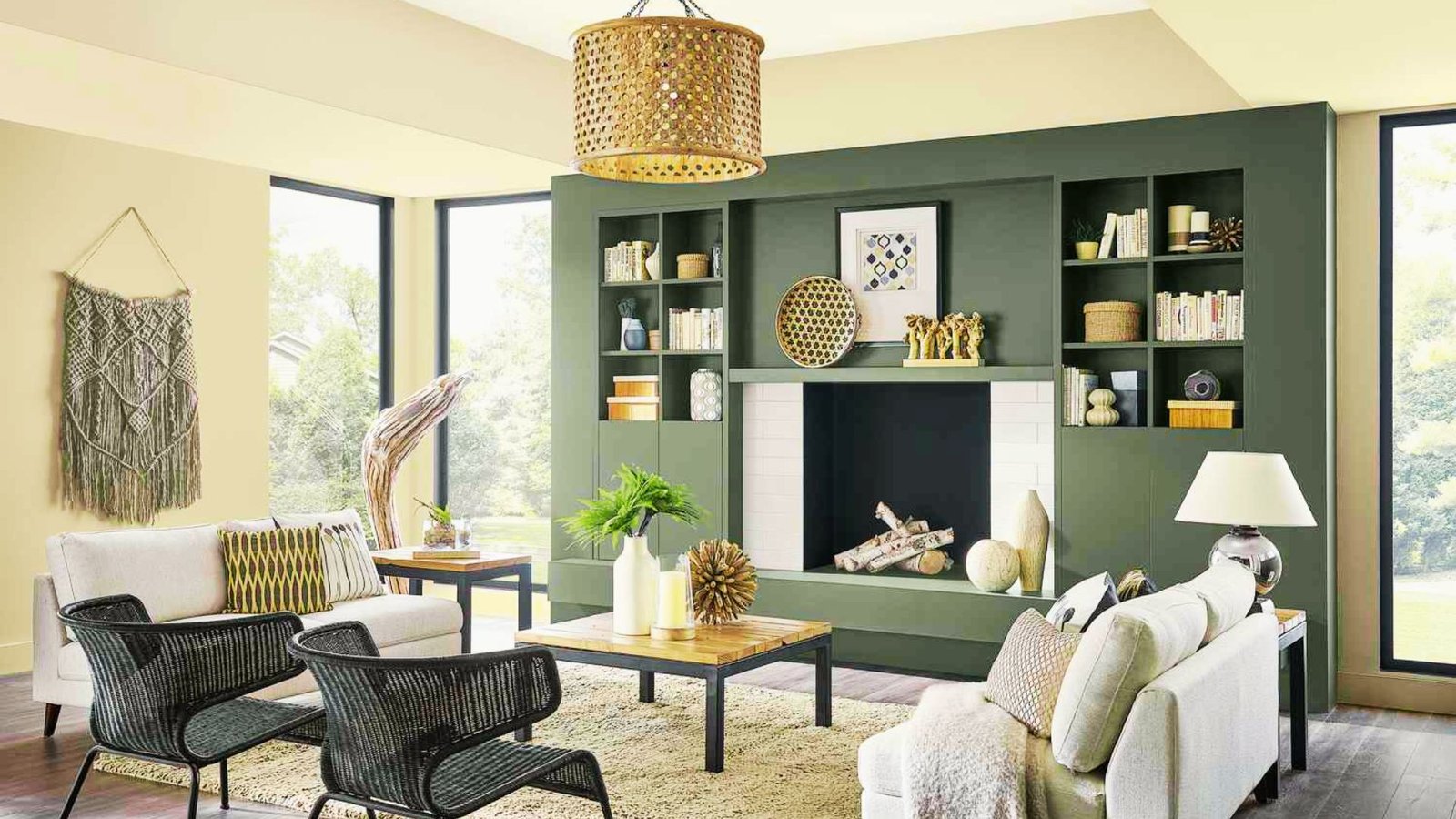
In feng shui, the colors you choose for a room carry their own energy. Earth tones like warm beiges, terracottas, soft browns, and muted greens bring stability and calm.
These colors work especially well in small living rooms because they do not overpower the space. They create a grounded, settled feeling that makes the room easy to relax in.
13. Keep the Center of the Room Open
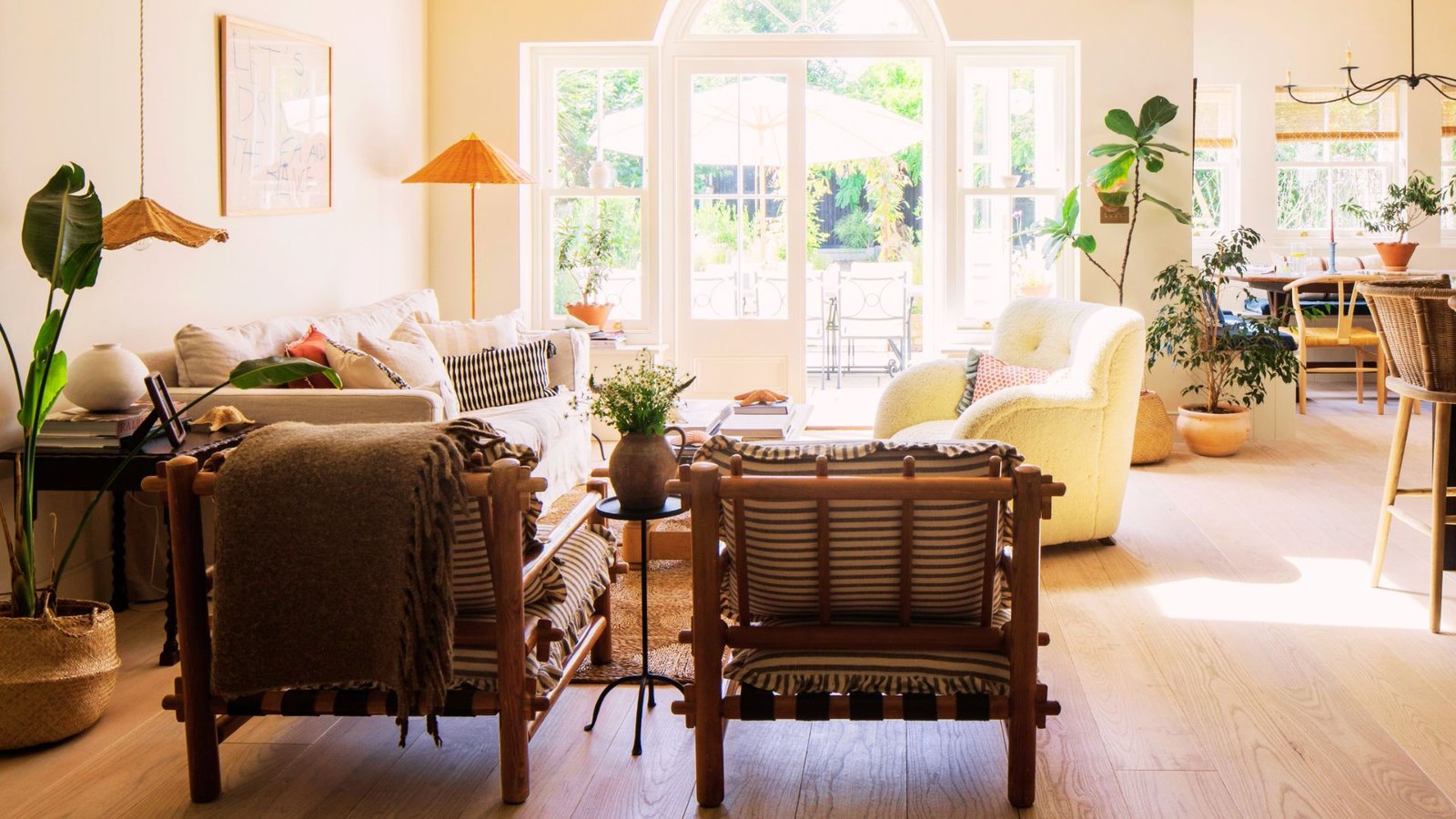
The center of a room holds a special place in feng shui. Keeping it clear allows energy to move and circulate without getting stuck.
In a small living room, avoid placing a large coffee table or ottoman in the very center if it blocks movement. A smaller table or no table at all in that central zone keeps things more open.
14. Use Vertical Storage Solutions
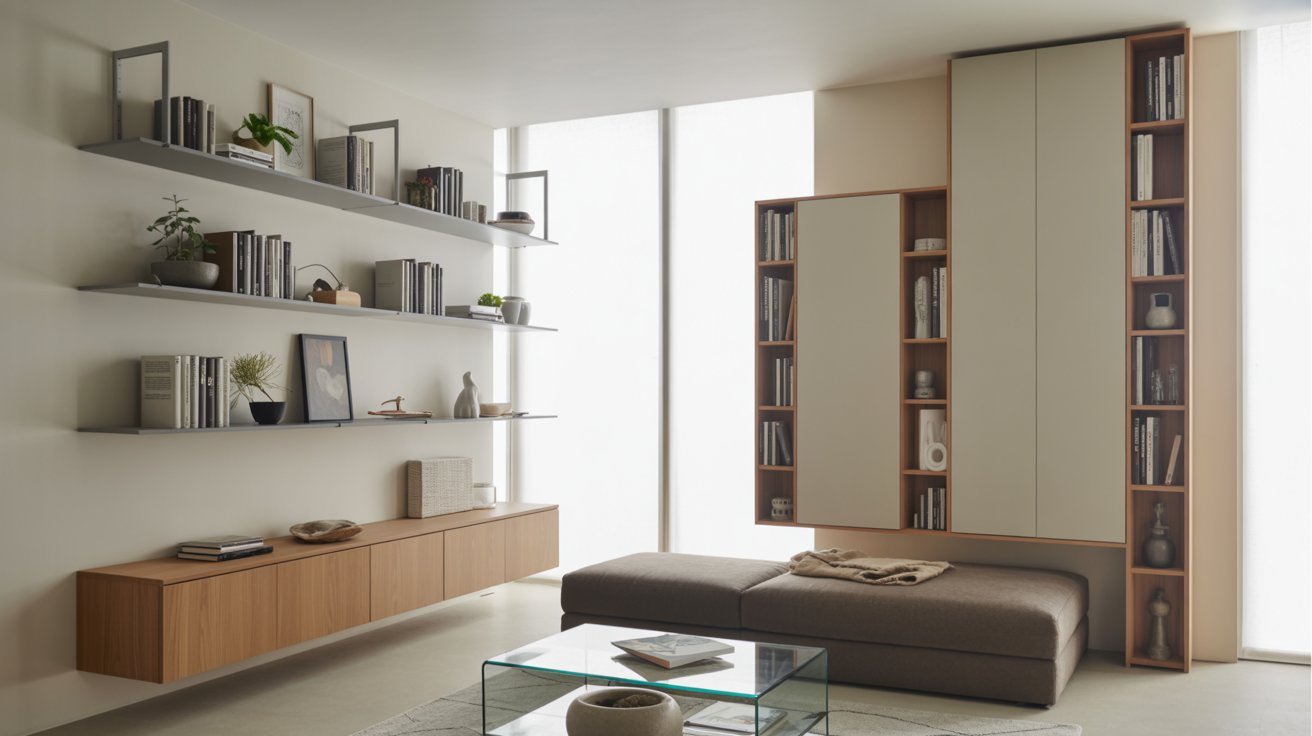
When floor space is limited, go vertical. Tall bookshelves, wall mounted storage, and floating shelves draw the eye upward and take advantage of unused wall space.
Keeping storage vertical also frees up floor space, which improves how easily energy and people can move through the room.
15. Create Separate Zones Naturally
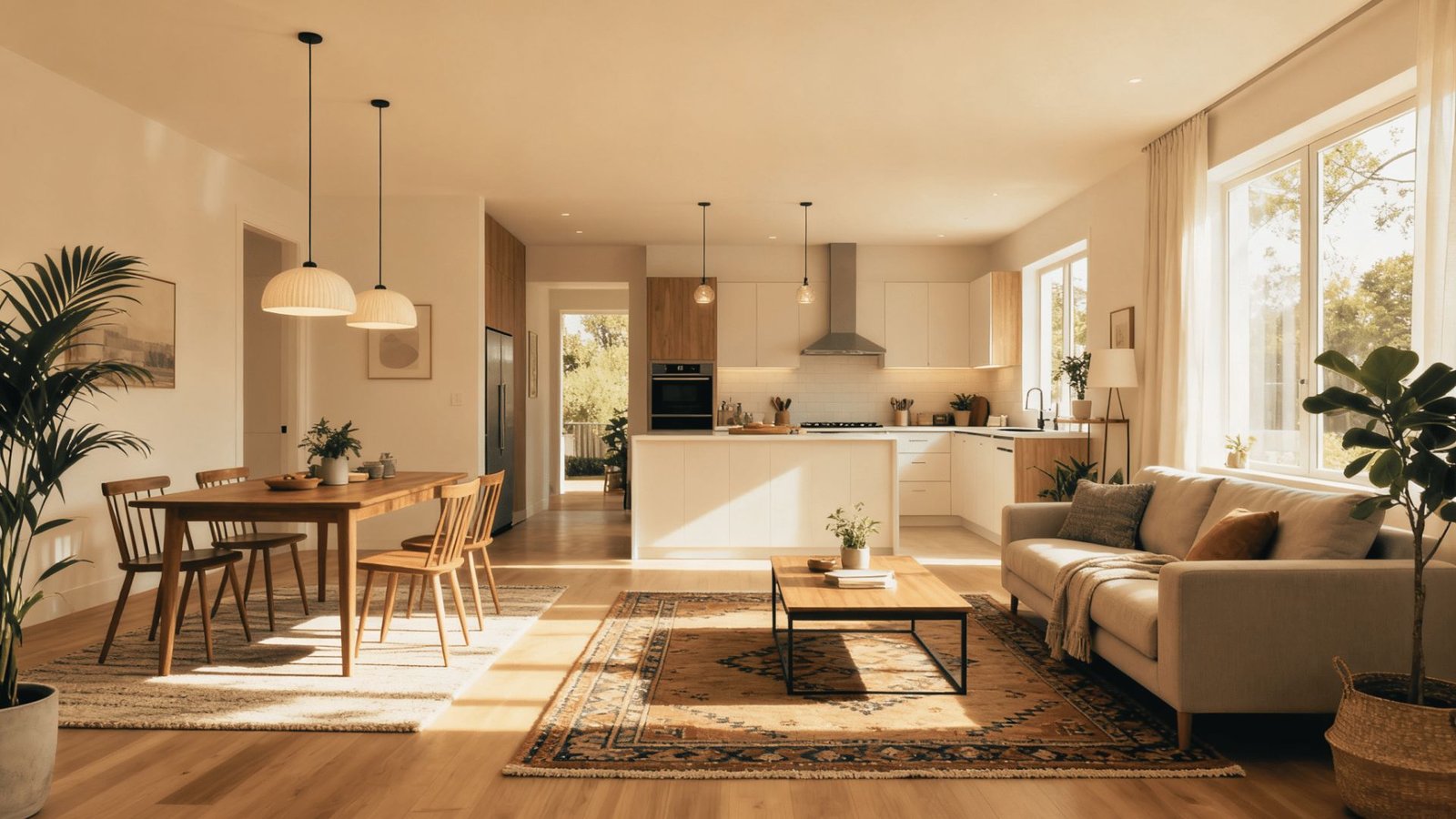
Even in a small living room, you can create distinct areas for different activities. Use a rug to define the main seating zone. A small side table with a lamp can mark a reading corner.
Creating zones gives the room a sense of purpose and organization. It also helps prevent the space from feeling like one big, undifferentiated room.
16. Limit Electronics Around the Entrance
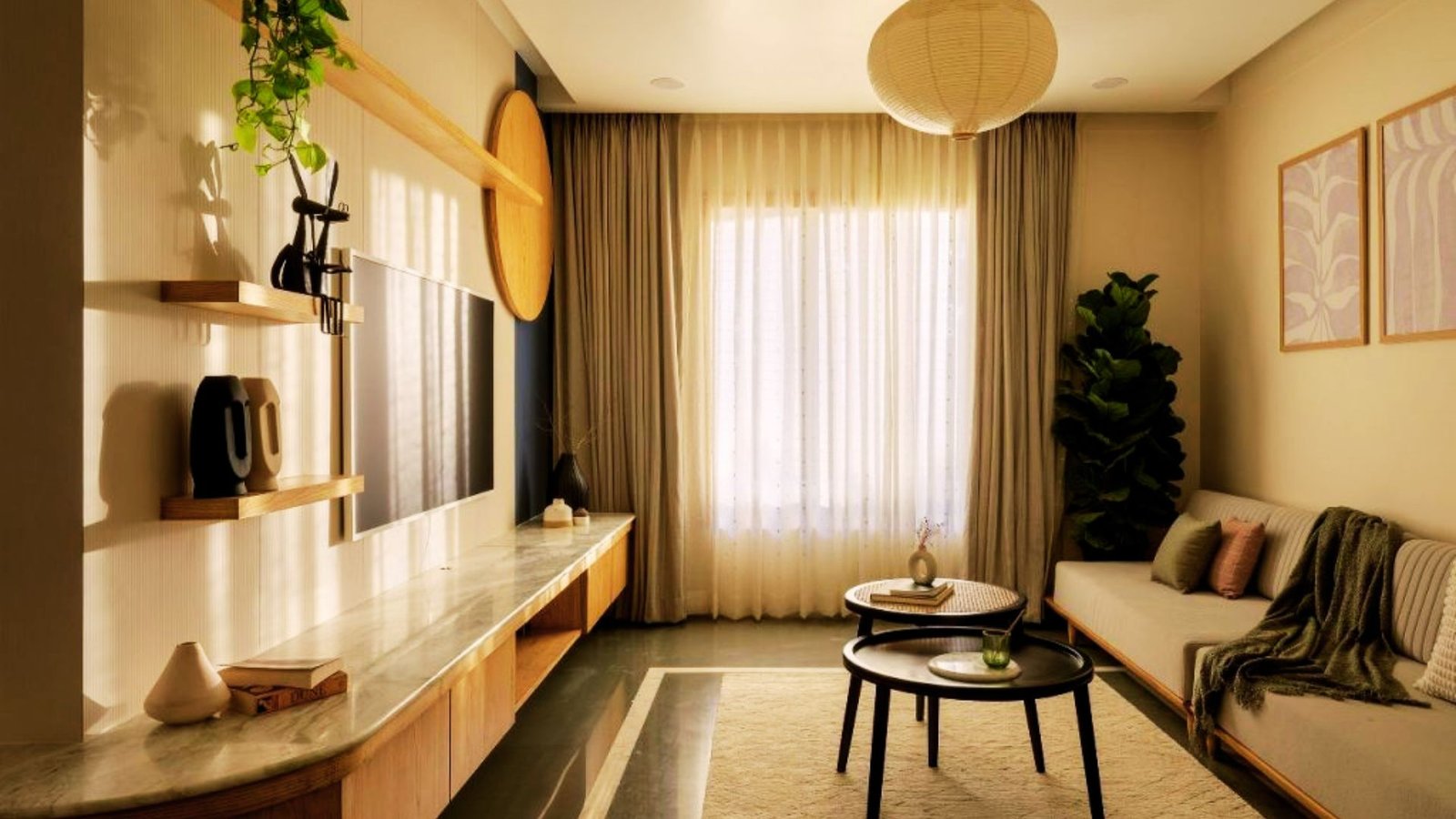
In feng shui, electronics carry active, often disruptive energy. Placing televisions, routers, or speakers right at the entrance of your living room can create a chaotic first impression.
Keep the entry zone calm. Move electronics further into the room and away from the front door area. This preserves the welcoming quality of the entrance.
17. Add Soft Textures for Comfort
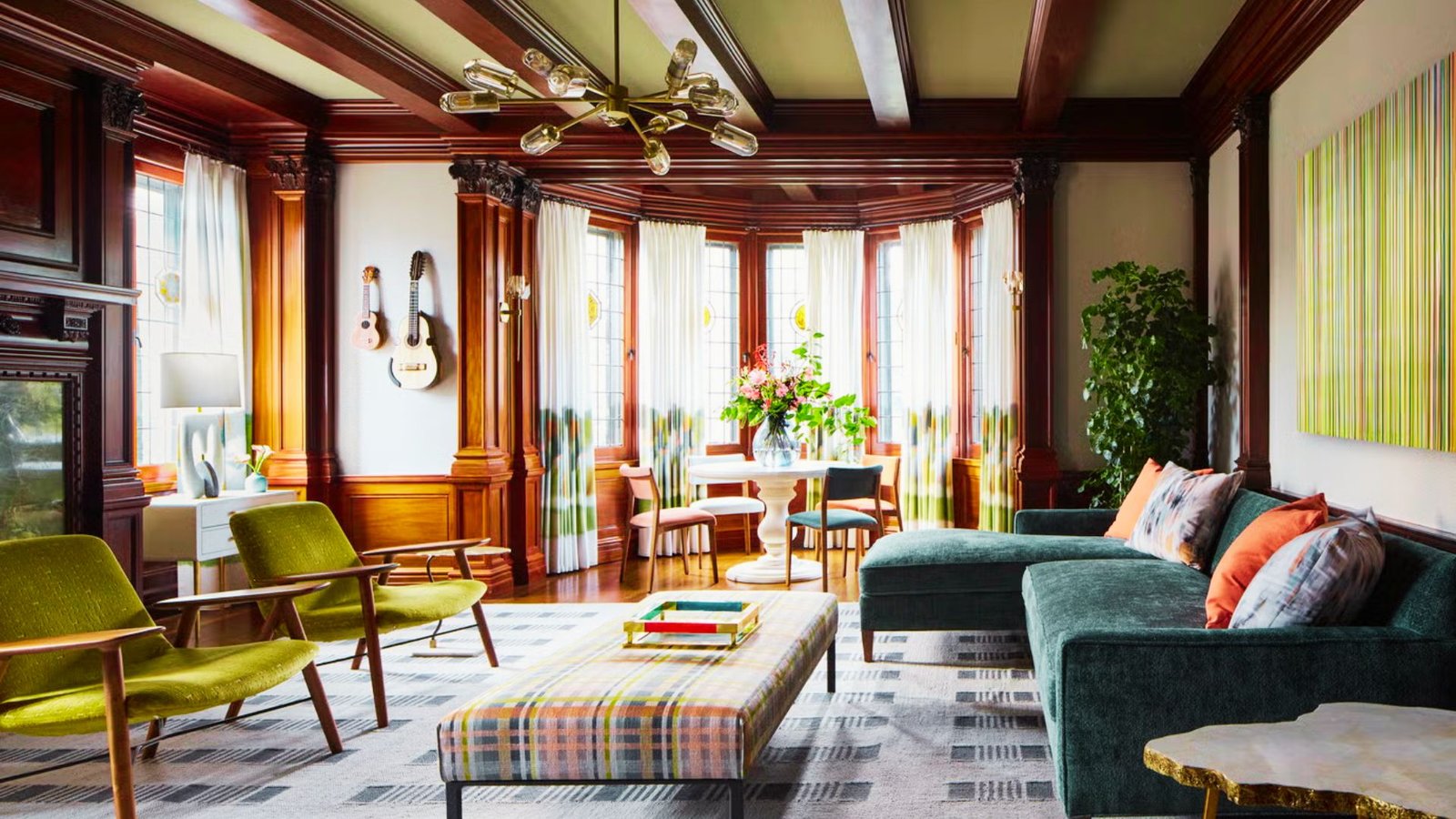
Soft textures absorb harsh energy and make a space feel more inviting. Throw pillows, a plush rug, a woven blanket, and fabric curtains all add warmth and softness to a living room.
In a small space, texture can do a lot of the work that extra furniture would otherwise handle. It adds depth and coziness without taking up floor space.
Common Front Door Feng Shui Mistakes
These are the most frequent layout errors that disrupt energy flow near the front door.
Even with good intentions, it is easy to make mistakes that work against your living room's energy. Knowing what to avoid is just as helpful as knowing what to do.
Blocking the Entrance With Furniture
Placing a large sofa, bookshelf, or console table directly in front of the front door is one of the most common feng shui mistakes. It forces energy to squeeze past an obstacle before it can enter the room.
Move furniture at least a few feet back from the door. If your living room is small, a narrower piece of furniture or a shorter console can help maintain the entry feel without blocking the flow.
Overcrowding the Living Room
Too much furniture in a small room is a problem both practically and energetically. When every surface is covered and every corner is full, there is no room for energy to move.
Be selective about what goes in the living room. If a piece does not serve a clear purpose or bring you a sense of calm, it may not need to be there.
Using Too Many Mirrors
Mirrors are useful tools in feng shui, but too many create confusion and visual chaos. When mirrors face each other or cover entire walls, they multiply energy in a way that can feel overwhelming.
Stick to one or two well placed mirrors. Make sure they reflect something pleasant, like a plant, a window, or a piece of art. Avoid placing them so they reflect clutter or the front door directly.
Ignoring Airflow and Lighting
Feng shui is not only about furniture. Airflow and lighting are just as important. A room that feels stuffy or dark will feel low in energy no matter how well the furniture is arranged.
Open your windows regularly to let fresh air in. Check your lighting and see if you can add warmer or brighter sources in dim corners. These simple steps make a real difference in how the room feels.
Simple Feng Shui Tips for Any Living Room
These quick habits help you keep your living room feeling fresh and well balanced over time.
You do not need to overhaul your entire living room to see results. Small habits go a long way.
- Spend five minutes each evening returning items to their proper place so surfaces stay clear.
- Open your windows daily to let fresh air move through the room and remove stagnant energy.
- Shift your sofa or a chair if the layout has felt off. A small change can make a big difference.
- Add one natural element like a plant, a candle, or a wooden tray to bring warmth into the space.
- Do a quick visual tidy before leaving the room. Straightening cushions and clearing the table takes under two minutes.
Conclusion
Front door feng shui does not have to be complicated. When I first cleared the path from my front door and moved my sofa to face the entrance, the room instantly felt more settled. It surprised me how much one small shift changed the whole mood.
Start with just one idea from this guide and see how it feels. Your living room will thank you.
Found this helpful? Share it with a friend or drop a comment below telling us which tip you are trying first!
Frequently Asked Questions
What is the best furniture position for front door feng shui in a small living room?
Place your main seating so the front door is visible from where you sit. This commanding position creates a sense of calm and security in the room.
How does clutter near the front door affect living room energy?
Clutter blocks the flow of chi before it even enters the room. Keeping the entry area clear allows energy to move freely and makes the whole space feel lighter.
Can mirrors improve feng shui near the front door?
Yes, but placement matters. Avoid facing mirrors directly at the front door and instead position them on side walls to reflect light and open up the space.
What colors work best for a small living room with good feng shui?
Earth tones like warm beige, soft brown, and muted green work well. These shades bring a grounded, settled feeling without overpowering a small space.
Do indoor plants really help with feng shui near the entrance?
Yes, healthy plants near the entrance bring life and positive energy into the room. Low maintenance options like pothos or snake plants are good choices for any living room.